Category Archives: Food Quality

Research -Improvement of Microbial Quality, Physicochemical Properties, Fatty Acids Profile, and Shelf Life of Basa (Pangasius bocourti) Fillets during Chilling Storage Using Pepsin, Rosemary Oil, and Citric Acid

MDPI

Abstract

Meat discoloration, lipid oxidation, and undesirable texture are inevitable phenomena in basa fish fillets during storage, which in turn limits their exportation as well as decreases consumer acceptability. In addition, increasing consumers’ requirements for high-quality, minimally processed, and ready-to-cook fish fillets with an extended shelf-life is a great challenge, particularly with lifestyle changes. Accordingly, this study aimed to improve the quality, lipid stability, fatty acid profile, and lipid nutritional quality indices (LNQI) of basa fish fillets during chilling storage at 4 °C for 15 days using pepsin enzyme (E, 0.1%), rosemary oil (R, 0.5%), citric acid (CA, 0.5%), and their combination (0.1% E + 0.5% R; 0.1% E + 0.5% CA; and 0.1% E + 0.5% R + 0.5% CA). Our results revealed that all treated samples exhibited a significant increase in protein content, a significant decrease in fat content, and a marked reduction in pH, total volatile base nitrogen (TVBN), thiobarbituric acid (TBA), free fatty acids, and shear force (SF) values in comparison to control ones. Moreover, significant improvements in sensory scores, color stability, fatty acid profile, LNQI, and microbial quality of all treated samples were observed. Such findings were more pronounced in samples treated with a mixture of pepsin, rosemary, and citric acid (TVBN: 2.04 vs. 6.52 mg%; TBA: 0.40 vs. 2.68 mg malonaldehyde/Kg; and SF: 8.58 vs. 19.51 Kgf). Based on the obtained results, there was an extension for the shelf life of all treated basa fish fillet samples, especially in samples treated with a mixture of pepsin, rosemary, and citric acids when compared with the control samples (˃15 days versus 10 days). Additionally, eucalyptol, camphor, isoborneol, and α-pinene are the main components of rosemary, with great antioxidant and antimicrobial activity. In conclusion, the mixture of pepsin, rosemary, and citric acid can be applied easily in the seafood industry and at the household level to provide ready-to-cook fish fillets of high quality with great health benefits.
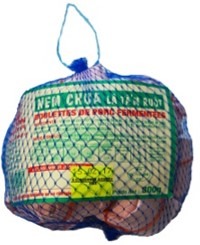
France – Fermented pork balls with leaf (Nem chua with leaf) – Listeria monocytogenes

Gov France

Product category
Food
Product subcategory
Meats
Product brand name
HOA NAM
Model names or references
Fermented pork balls with leaf (Nem chua with leaf)
Product identification
GTIN Batch Date
3474930202006 151123 Use-by date 11/15/2023
Packaging
Clipped net with 10 pieces
Start/end date of marketing
From 10/25/2023 to 10/31/2023
Storage temperature
Product to keep in the refrigerator
Health mark
FR 75 113 006 CE
Geographical sales area
Whole France
Distributors
see list of points of sale
List of points of sale
List_of_sales_points_with_address.pdf

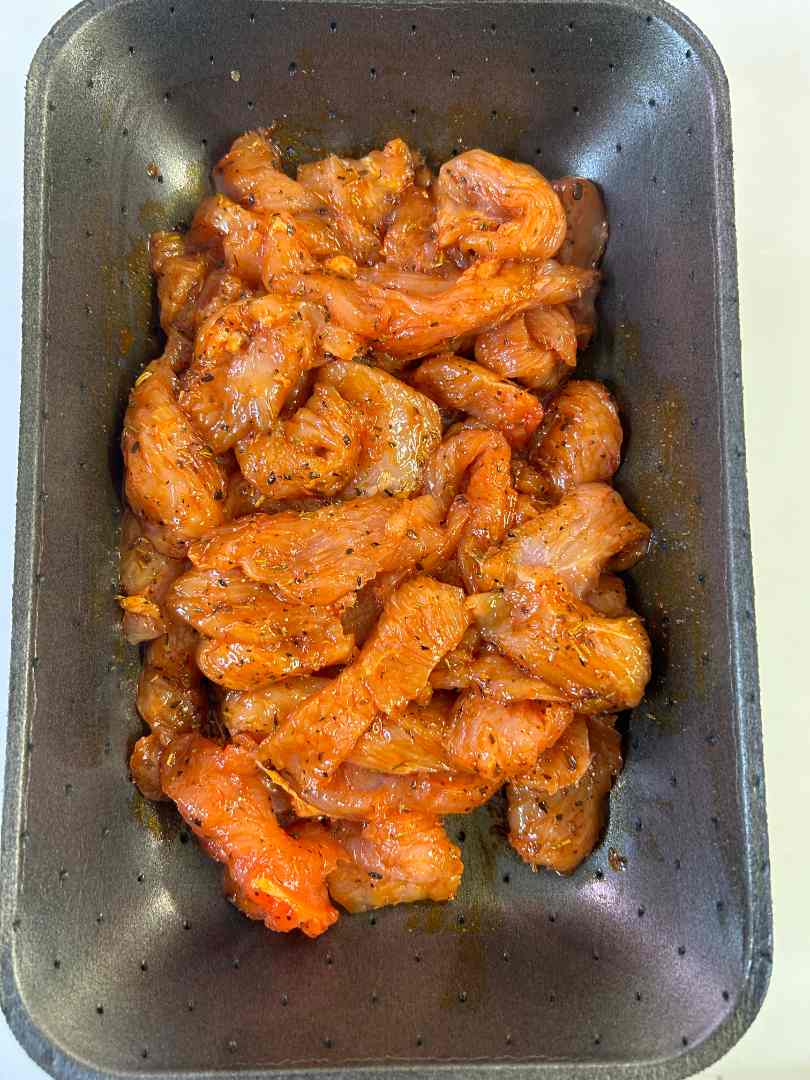
France – Provençal-style sliced ​​turkey – Salmonella

Gov France

Product category
Food
Product subcategory
Meats
Product brand name
None
Model names or references
nothing
Product identification
GTIN Batch Date
0209699000000 Made on 11/11/2023 Use-by date 11/15/2023
Packaging
bulk intended for sale in the traditional butcher’s department
Start/end date of marketing
From 11/11/2023 to 11/15/2023
Storage temperature
Product to keep in the refrigerator
Health mark
nothing
Further information
Internal traceability
Geographical sales area
48 boulevard des 2 moulins le Poiré sur Vie 85170
Distributors
PSV DISTRIBUTION

France – Chablis terrine – Salmonella

Gov France

Product category
Food
Product subcategory
Meats
Product brand name
Le Marsigny
Model names or references
Terrine with Chablis Le Marsigny
Product identification
GTIN Batch Date
26006598 312045 Use-by date 12/12/2023
26006598 311025 Use-by date 11/12/2023
26006598 306045 Use-by date 06/12/2023
26006598 307025 Use-by date 07/12/2023
26006598 310062 Use-by date 10/12/2023
Packaging
Individual tray 200G slice under modified atmosphere
Start/end date of marketing
Since 09/11/2023
Storage temperature
Product to keep in the refrigerator
Health mark
FR 21 231 005 CE
Geographical sales area
Whole France
Distributors
Aldi, Salaisons Dijonnaises factory store

Norway – Coop Norge SA and Goman Vest are recalling Coop Suksesskake small 500g, due to the content of harmful bacteria – Staphylococcus

Matportalen

Coop Norge SA recalls Coop Success Cake small 500g. The product is marked with lot numbers 563452 and 563462. The reason is that coagulase-positive staphylococci have been detected through routine analysis samples. The product is sold at OBS Lagunen, OBS Sartor, OBS Vestkanten, OBS Horisont and Coop Mega Nordås.

The product can be dangerous to health and should therefore not be eaten. The consumer can return the product with the specified lot number to the store for a refund, or throw it away.

The lot consists of 17 cakes, of which 12 pieces have been sold to consumers.

Contact
Coop: Harald Kristiansen, communications manager: harald.kristiansen@coop.no

Italy – SALAME – Listeria monocytogenes

Salute

Brand : TORESAN

Name : SALAME

Reason for reporting : Recall due to microbiological risk

Publication date : 24 November 2023

Documentation

Documentation

Italy-SMOKED SALAMI- Listeria monocytogenes

Salute

Brand : TORESAN

Name : SMOKED SALAMI

Reason for reporting : Recall due to microbiological risk

Publication date : 24 November 2023

Documentation

Documentation

RASFF Alerts – Listeria monocytogenes – Dried Sausage – Raw Goats Milk Cheese

RASFF

Detection of Listeria monocytogenes in a batch of dried sausage from Spain in France

RASFF

Presence of listeria monocytogenes in raw goat’s milk cheeses from France in Belgium and Luxembourg

RASFF Alerts – STEC E.coli – Goat Cheese- Cheese

RASFF

Shigatoxin-producing Escherichia coli (STEC) in goat cheese from France in Italy

RASFF

Possible presence of Escherichia coli (STEC) in cheese from France in German, Italy and Sweden

RASFF Alerts – Salmonella – Polish Poultry Products – Chilled Chicken Meat – Cooked Velvet Crab – Dandelion Leaves – Poultry Meat – Tahini – Sesame Seeds – Duck Breast Fillets – Chicken Eggs – Parsley Leaves – Mussels

RASFF

Salmonella Infantis in chilled chicken meat from Ukraine in the Netherlands and Hungary

RASFF

Salmonella in frozen cooked velvet crab (Necora puber) from Ireland in Spain

RASFF

Salmonella spp. and exceeded maximum levels of captan, chlorpyrifos, mefentrifluconazole and phosmet in dandelion leaves from Albania in Germany

RASFF

Salmonella group CO in poultry meat in Austria

RASFF

Salmonella spp. in tahini from Turkey in Malta

RASFF

Salmonella Warnow in sesame seeds from Nigeria in Germany

RASFF

Salmonella spp. in deep-frozen duck breast fillets from Hungary in Germany

RASFF

Salmonella Infantis on the surface of chicken eggs from the Czech Republic in Slovakia

RASFF

Salmonella enteritidis in poultry meat frozen from Poland via Netherlands in Italy

RASFF

Salmonella enteritidis in chicken meat from The Netherlands in Belgium, France, Poland and the UK

RASFF

S. Enteritis in poultry meat from Poland in Bulgaria

RASFF

Salmonella spp. in parsley leaves from Poland in Germany

RASFF

Salmonella in mussels, from Ireland in the Netherlands

RASFF

Salmonella in sesame seeds from Uganda in the Netherlands