Category Archives: Food Poisoning

RASFF Alerts – Salmonella – Nutmeg – Dried Figs – Pistachio’s – Almond

RASFF-Logo

RASFF -aflatoxins (B1 = 9.8 µg/kg – ppb) in nutmeg from Indonesia, via China in Germany

RASFF – aflatoxins (B1 = 27.9; Tot. = 29.3 µg/kg – ppb) in dried figs from Turkey in Germany

RASFF-aflatoxins (B1 = 110; Tot. = 222 µg/kg – ppb) in dried figs from Spain In Germany

RASFF-aflatoxins (B1 = 49.4; Tot. = 52.9 µg/kg – ppb) in raw pistachios from Syria, dispatched from Turkey in Italy

RASFF-aflatoxins (B1 = 9.06; Tot. = 10.14 µg/kg – ppb) in shelled almonds from the United States in Spain

RASFF-aflatoxins (B1 = 22; Tot. = 25 µg/kg – ppb) in pistachio kernels from the United States, via Turkey in Italy

RASFF-aflatoxins (B1 = 18.9; Tot. = 20.6 µg/kg – ppb) in pistachios from Iran in Germany


Europe – German 2012 – Norovirus Oubreak Report

Eurosurveillance Norwalk_Caspid

From 20 September through 5 October 2012, the largest recorded food-borne outbreak in Germany occurred. Norovirus was identified as the causative agent. We conducted four analytical epidemiological studies, two case–control studies and two surveys (in total 150 cases) in secondary schools in three different federal states. Overall, 390 institutions in five federal states reported nearly 11,000 cases of gastroenteritis. They were predominantly schools and childcare facilities and were supplied almost exclusively by one large catering company. The analytical epidemiological studies consistently identified dishes containing strawberries as the most likely vehicle, with estimated odds ratios ranging from 2.6 to 45.4. The dishes had been prepared in different regional kitchens of the catering company and were served in the schools two days before the peaks of the respective outbreaks. All affected institutions had received strawberries of one lot, imported frozen from China. The outbreak vehicle was identified within a week, which led to a timely recall and prevented more than half of the lot from reaching the consumer. This outbreak exemplifies the risk of large outbreaks in the era of global food trade. It underlines the importance of timely surveillance and epidemiological outbreak investigations for food safety.

Research – Poultry Food Safety Control Interventions in the Domestic Kitchen

Wiley Online Library imagesCAYZ5I84

Research was undertaken to investigate cross-contamination of the domestic kitchen environment during poultry fillet preparation using a streptomycin-resistant strain of Pseudomonas fluorescens as a model organism. The potential role of a cook-in-the-bag technology to control this cross-contamination was also investigated. Poultry fillets were inoculated with P. fluorescens (6.06 log10 CFU/cm2). Six people were challenged to unpack, defrost, cut and cook without contaminating the preparation environment. After preparation, the chopping board, knife blade, dishcloth, refrigerator handle, oven handle, oven buttons, draining board, tap, microwave handle, microwave buttons, plate, tinfoil and press handle were tested for the presence of the P. fluorescens strain, before and after washing. The experiment was then repeated with a precut cook-in-the-bag product. In a separate experiment, the effect of freezing and frozen storage (−20C) on Campylobacter and the sensory attributes of chicken fillets were investigated. The cook-in-the-bag approach considerably reduced the incidence and levels of cross-contamination in the domestic kitchen. Freezing significantly (P < 0.05) reduced the Campylobacter counts on inoculated fillets after 7 days at −20C (1.73 log10 CFU/g). While there was no adverse effect on taste, fillets that had been frozen were significantly more “firm” and “less moist” as compared with fresh product.

Canada Recall – Caesar Salad products recalled due to Listeria

CFIA Eurofins Food Testing UK

Safeway and Buy-Low Foods are recalling Caesar salad products from the marketplace due to possible Listeria contamination. Consumers should not consume the recalled products described below.

The products shown in the link above have been sold in Alberta and British Columbia (Buy-Low Foods and Nesters Market) and in Alberta, British Columbia, Manitoba, Ontario and Saskatchewan (Safeway and St. Martin’s Family Foods).

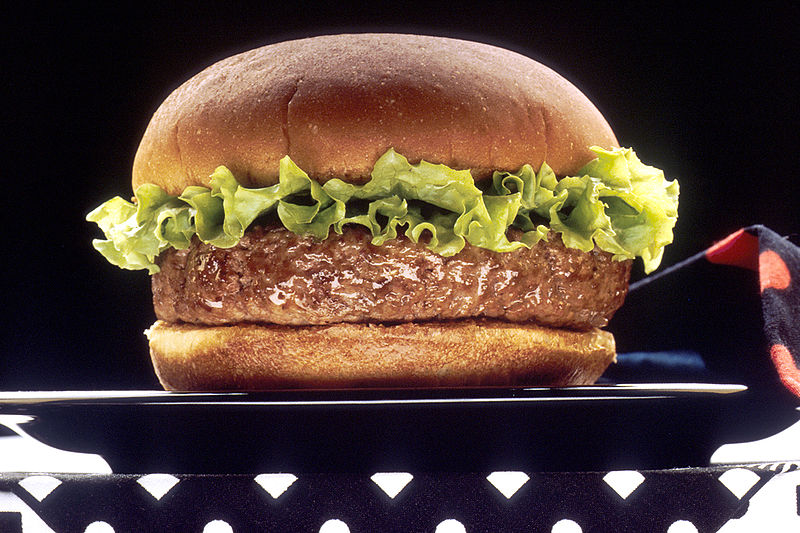
UK -Four more E.coli O157 Cases in Scotland Linked to Burgers

STV NewsBurger

Four more cases of E coli have been linked to the SSE Hydro in Glasgow, health bosses said.

The new cases bring the total number to 15 and are all linked to events at the venue on January 17, 18 and 19.

An investigation by NHS Greater Glasgow and Clyde (NHSGGC) alongside other public health bodies has indicated that burgers sold at the Hydro could have been the cause of the outbreak.

Australia/Bali – Two Die from Scomboid Poisoning and Secondary Illness

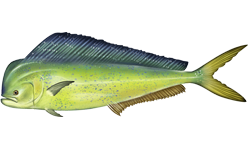
The Australian File:Coryphaena hippurus.png

NOELENE Bischoff and her teenage daughter Yvana died after eating toxic fish while on holidays in Bali, preliminary autopsy results reveal.

But the Sunshine Coast pair may have survived the rare poisoning, called Scombroid Syndrome Toxicity, had they not both been asthma sufferers which accelerated and intensified their reaction.

A spokesman for the Queensland Coroner Terry Ryan told The Australian the Bischoff family met with forensic pathologists in Brisbane yesterday and had been told the possible causes of death. However, autopsy testing has not been finalised.

Bischoff, 54, and her 14-year-old daughter died violently and mysteriously in Bali last month, hours after enjoying a final meal at the Padang Bai Beach resort restaurant.

They had eaten grilled mahi mahi fish, vegetarian pizza and chicken curry, before succumbing to vomiting and breathlessness.

USA – Chicken Livers – Campylobacter

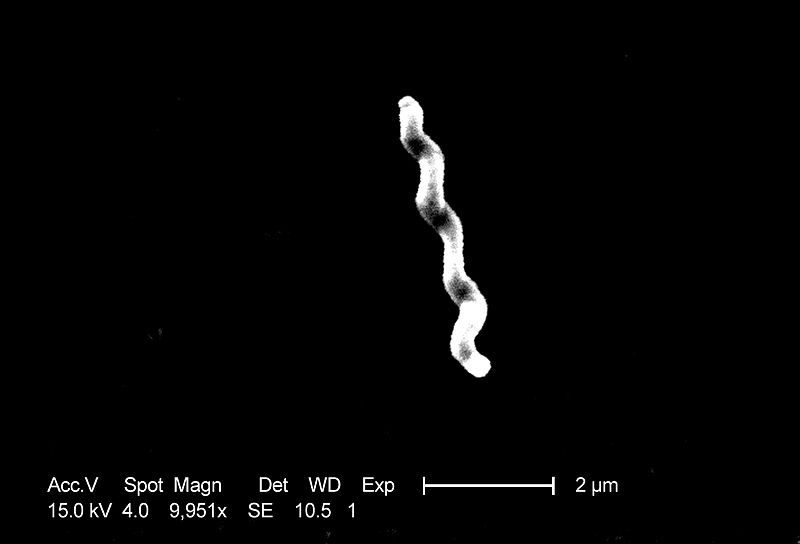
Orgeon Food Safety AlertsCampylobacter_jejuni_01

Since December 2013, Oregon health officials have been looking into the source of Campylobacteriosis that has sickened five individuals in Oregon and Ohio. All cases report eating undercooked or raw chicken livers; most cases consumed chicken livers prepared as pâté. The cases in Ohio ate chicken liver pâté while visiting Oregon. The Oregon Health Authority is working with USDA and CDC.

This is the second reported multistate outbreak of campylobacteriosis associated with consumption of undercooked chicken liver in the United States.

Oregon Live

A high-end chicken product enjoyed in high-end restaurants in Portland is part of a small food poisoning outbreak in Oregon.

Health officials issued a public health alert Tuesday, saying six people who consumed undercooked or raw chicken livers were infected with campylobacter, a common foodborne pathogen. Three people live in Oregon and two others were visiting the state from Ohio. The outbreak includes one person in Washington state who got sick after consuming chicken liver pills. Most of the others ate chicken liver pate.


Research – Growth of Escherichia coli O157:H7 and Listeria monocytogenes in Packaged Fresh-Cut Romaine Mix at Fluctuating Temperatures during Commercial Transport, Retail Storage, and Display

Ingentaconnect

Temperature abuse during commercial transport and retail sale of leafy greens negatively impacts both microbial safety and product quality. Consequently, the effect of fluctuating temperatures on Escherichia coli O157:H7 and Listeria monocytogenes growth in commercially-bagged salad greens was assessed during transport, retail storage, and display. Over a 16-month period, a series of time-temperature profiles for bagged salads were obtained from five transportation routes covering four geographic regions (432 profiles), as well as during retail storage (4,867 profiles) and display (3,799 profiles). Five different time-temperature profiles collected during 2 to 3 days of transport, 1 and 3 days of retail storage, and 3 days of retail display were then duplicated in a programmable incubator to assess E. coli O157:H7 and L. monocytogenes growth in commercial bags of romaine lettuce mix. Microbial growth predictions using the Koseki-Isobe and McKellar-Delaquis models were validated by comparing the root mean square error (RMSE), bias, and the acceptable prediction zone between the laboratory growth data and model predictions. Monte Carlo simulations were performed to calculate the probability distribution of microbial growth from 8,122,127,472 scenarios during transport, cold room storage, and retail display. Using inoculated bags of retail salad, E. coli O157:H7 and L. monocytogenes populations increased a maximum of 3.1 and 3.0 log CFU/g at retail storage. Both models yielded acceptable RMSEs and biases within the acceptable prediction zone for E. coli O157:H7. Based on the simulation, both pathogens generally increased <2 log CFU/g during transport, storage, and display. However, retail storage duration can significantly impact pathogen growth. This large-scale U.S. study—the first using commercial time/temperature profiles to assess the microbial risk of leafy greens—should be useful in filling some of the data gaps in current risk assessments for leafy greens.

USA – Another Cruise Ship Norovirus Outbreak

Food Poisoning JournalNorwalk_Caspid

Royal Caribbean Cruises Ltd.’s ship Explorer of the Seas is returning two days early to its New Jersey port after a stomach illness struck more than 600 people out of about 4,200 onboard, NBC News reported late Sunday. The 564 passengers and 47 crew members on the 10-day cruise to the U.S. Virgin Islands reported symptoms suggesting a possible norovirus outbreak, the report said, citing an official with the Centers for Disease Control and Prevention. The incident follows the outbreak of a gastrointestinal illness aboard another ship earlier this month.

Food Poisoning Journal

NBC News reports that U.S. health officials are expected to board a Royal Caribbean cruise ship in the Virgin Islands on Sunday to investigate a possible outbreak of highly contagious norovirus that has sickened more than 300 passengers and crew members.

The Explorer of the Seas ship stopped part way through a 10-day cruise from Cape Liberty, N.J., to the Caribbean island of St. Maarten after reports of vomiting and diarrhea, according to the cruise line and the Centers for Disease Control and Prevention.

UK – Honey and Botulism

Botulism BlogClost

Two British babies have contracted a rare life-threatening disease triggered by eating honey.

The boys, aged three months and five months, had to be put on life-support machines suffering from infant botulism.

Both had been feeding badly and showed typical symptoms – a floppy head, drooping eyelids and constipation. They were cured only after medication costing £50,000 a dose was flown in from America.

The incidents, confirmed last week, have prompted public health chiefs to warn that infants under one should not be given honey.