Category Archives: Food Pathogen

RASFF Alerts – Norovirus – Oysters – Lettuce

RASFF

Presence of viral genome (NOROVIRUS GENOGRUPS I – II) in CONCAVE OYSTER (Crassostrea gigas) from SPAIN in Ital

RASFF

Norovirus in oysters from The Netherlands in Belgium

RASFF

Presence of Norovirus GII in lettuce produced in Italy with raw material from Spain in Italy

RASFF

Norovirus (GI and GII /2g) in live oysters (Crassostrea gigas) from France in Italy

RASFF Alerts – Salmonella – Polish Chicken Products – Sesame Seeds – Rubbed Thyme – Chicken Products from Ireland- Live Razor Clams – Bay Leaves – Beef Brisket

RASFF

Salmonella Typhimurium in Batches of Chicken Products from Ireland in the Netherlands

RASFF

Salmonella in live razor clams (Ensis ensis) from the Netherlands in Belgium, Denmark, Italy, France, Luxembourg, Netherlands and Spain

RASFF

Presence of salmonella in bay leaves from Turkey in Spain

RASFF

Salmonella spp in Frozen Chicken breast fillet from Poland in the UK

RASFF

Salmonella spp. in rubbed thyme from Czech Republic in Germany

RASFF

Salmonella in sesame seeds from Nigeria in Turkey and Greece

RASFF

Salmonella Dublin in Frozen Beef brisket from Poland in Estonia and Finland

RASFF Alerts – Listeria monocytogenes – Pate – Cheese – P’tite comtesse aux truffes – Meat Sleeves – Pasteurised Cheeses

RASFF

Listeria monocytogenes in pate from Belgium in the Netherlands

RASFF

Listeria monocytogenes in cheese from France in Germany and Switzerland

RASFF

Listeria Monocytogenes in P’tite comtesse aux truffes from France in the Netherlands and Nigeria

RASFF

Listeria-contaminated in meat sleeves from France in Belgium and Luxembourg

RASFF

Listeria monocytogenes – Pasteurised milk cheeses from France in Austria, Belgium, Cameroon, Germany, Hong Kong, Hungary, Italy, Japan, Luxembourg, Morocco, Netherlands, Norway, Poland, Portugal, Spain, Switzerland, Ukraine and Liechtenstein

Research – Pre-Harvest Strategies to Reduce Foodborne Pathogens in Red Meat Production

Food Safety Magazine

Consumers expect and rightfully demand a plentiful supply of affordable, safe, and wholesome red meat. Concerns about the safety of meat have been important to the industry, the public, and the government since the implementation of the Pure Food and Drug Act of 1906. Unfortunately, despite the effort expended in controlling foodborne illnesses in the U.S., foodborne pathogens cost the GDP more than $17.6 billion each year in direct and indirect costs.1

One of the most notable improvements to food safety is the implementation of Hazard Analysis and Critical Control Points (HACCP), which has been globally adopted as a method to systematically improve food safety. The implementation of other procedures, such as “test and hold” for ground beef prior to shipment to consumers, has significantly improved consumer safety. As a result of these systematic improvements in the food supply chain driven by industry and government actions, the U.S. food supply is safer than ever before.

Read more at the link above

New Zealand – Smoked mussels recalled due to possible presence of Listeria

mpi

New Zealand Food Safety is supporting Blackbeards Smokehouse Ltd in its recall of Blackbeards Smokehouse brand smoked mussels due to the possible presence of Listeria.

The following Blackbeards Smokehouse brand smoked mussels with a batch number of 076/015 and best before date of 27/02/2023 are affected by this recall:

  • Smoked Mussels Chilli & Lime 210g
  • Smoked Mussels Coromandel Gold 210g
  • Smoked Mussels Garlic & Dill 210g
  • Smoked Mussels Natural Smoked 210g

“Listeriosis can be serious for vulnerable groups, such as pregnant people and their unborn babies, newborns, the elderly, and those with weakened immune systems.

“It is particularly dangerous during pregnancy as it can cause miscarriage, premature labour or stillbirth, and infection in the unborn baby.

“Infection in healthy adults is unlikely to be severe, causing mild diarrhoea and flu-like symptoms within a few days of eating contaminated food.

“It can be returned to the place of purchase for a refund. If you are unable to do this, the product should be thrown out,” says New Zealand Food Safety deputy director general Vincent Arbuckle.

If you have consumed any of these products and are concerned for your health, contact your health professional or call Healthline 0800 61 11 16.

For up-to-date details and the list of stores and products affected, go to our food recall page.

The affected products are sold at the following stores:

  • Farro Fresh (North Island)
  • Four Square Coromandel
  • Fresh Choice Papamoa
  • New World Albany
  • Raw Food Market Waiheke
  • Supie Auckland
  • Vetro Rotorua

There may be more stores and products affected, so for up-to-date details, go to our food recall page.

The product is being removed from stores and has not been exported.

The product under recall was identified through routine testing and there have been no reports of associated illness.

“As is our usual practice, we will be working with the company to understand how the contamination occurred and prevent its recurrence,” Mr Arbuckle said.

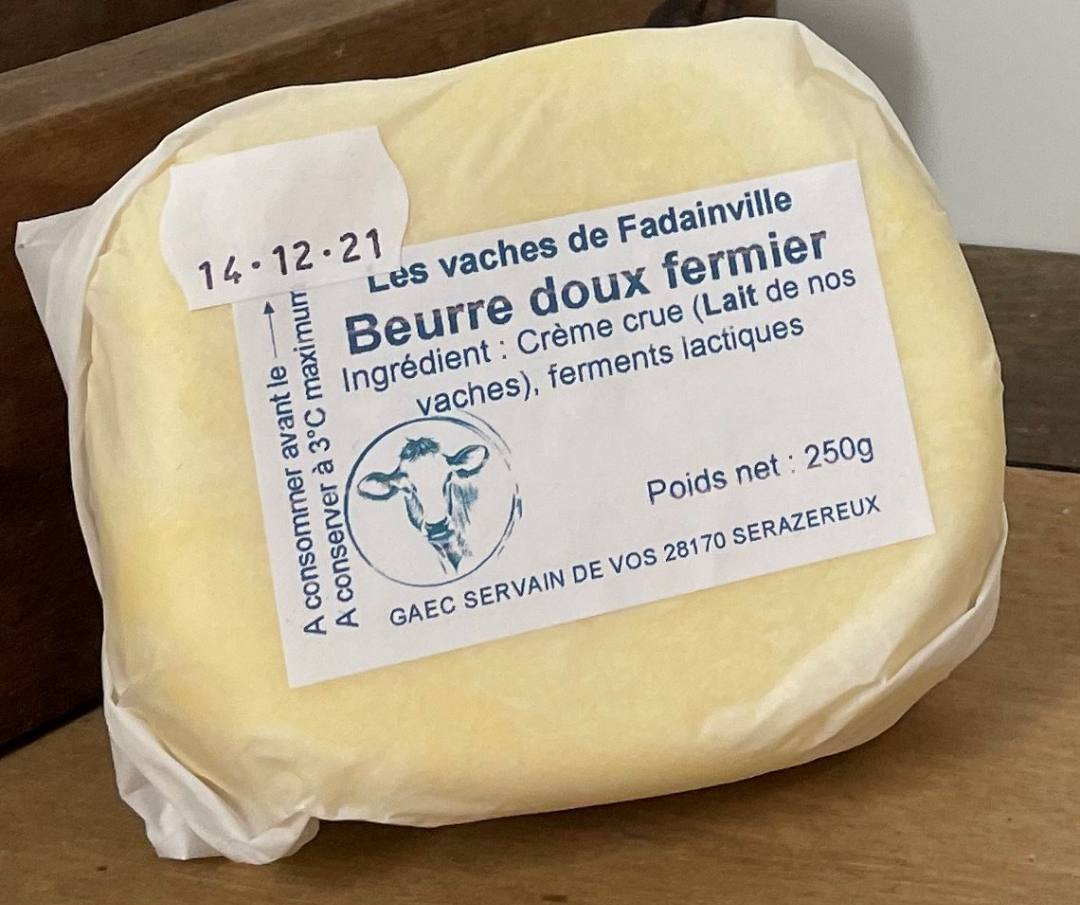
France – Soft raw butter – Listeria monocytogenes

Gov france

Identification information of the recalled product

  • Product category Feed
  • Product subcategory Milk and dairy products
  • Product brand name The Cows of Fadainville
  • Model names or references Unsalted raw butter 250g
  • Identification of products
    Batch Date
    DLC = 02/14/2023 Use-by date 02/14/2023
    DLC = 02/16/2023 Use-by date 02/16/2023
  • Packaging 250g
  • Marketing start/end date From 01/02/2023 to 04/02/2023
  • Storage temperature Product to be stored in the refrigerator
  • Geographic area of ​​sale Serazereux
  • Distributors farm shop

Practical information regarding the recall

  • Reason for recall Presence of listeria
  • Risks incurred by the consumer Listeria monocytogenes (causative agent of listeriosis)

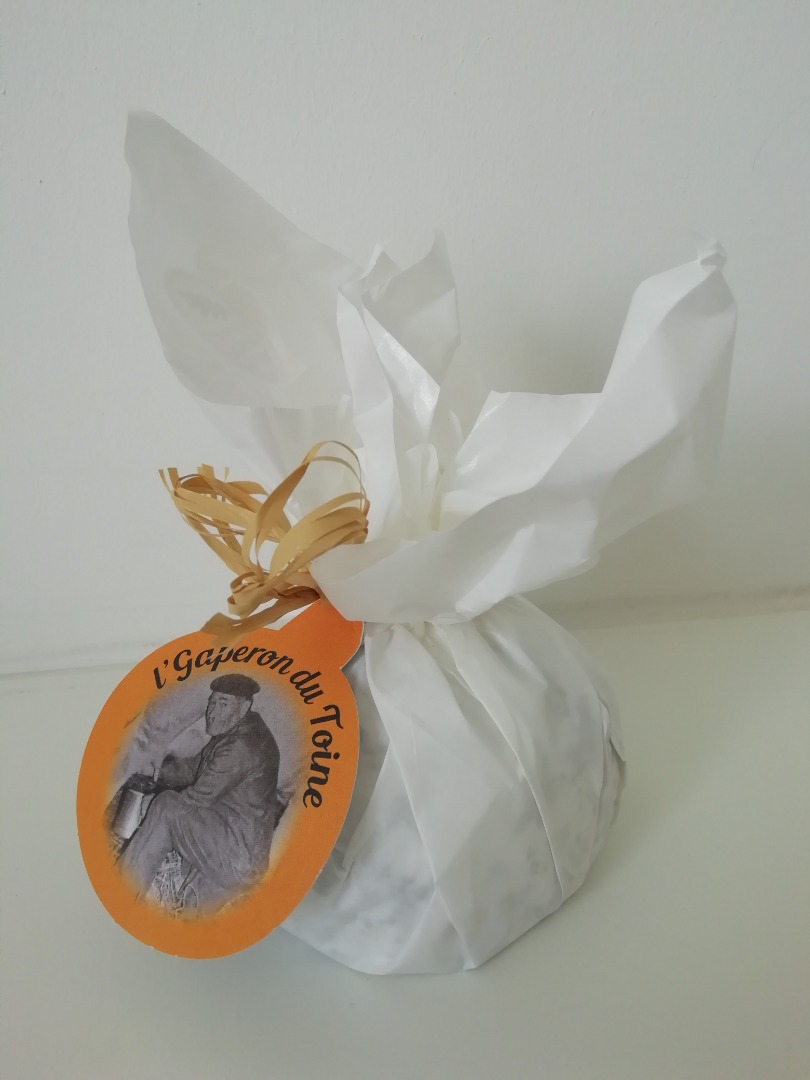
France – Cheese – GAPERON DE TOINE / GAPERON FICELLE DU TOINE -Listeria monocytogenes

Gov france

Identification information of the recalled product

  • Product category Feed
  • Product subcategory Milk and dairy products
  • Product brand name unbranded
  • Model names or references THE GAPERON FICELLE DU TOINE THE GAPERON DU TOINE
  • Identification of products
    GTIN Lot Date
    3760014990946 All lots Use-by date between 06/12/2022 and 23/03/2023
    3760014991127 All lots Use-by date between 26/11/2022 and 22/02/2023
  • Packaging Folding, individual.
  • Marketing start/end date From 11/10/2022 to 06/02/2023
  • Storage temperature Product to be stored in the refrigerator
  • Health mark FR 03 094 002 CE
  • Further information Thermized cow’s milk cheese
  • Geographic area of ​​sale Whole France
  • Distributors HELP

Practical information regarding the recall

  • Reason for recall Presence of Listeria monocytogenes
  • Risks incurred by the consumer Listeria monocytogenes (causative agent of listeriosis)

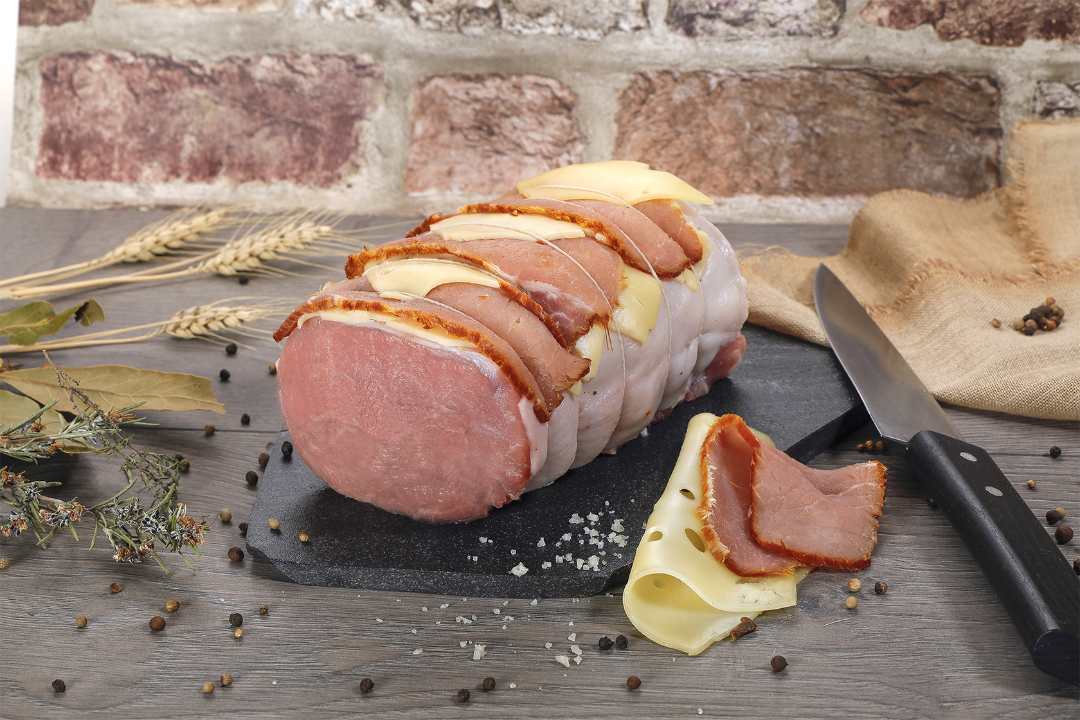
France – Orloff-style roast – Salmonella

Gov france

Identification information of the recalled product

  • Product category Feed
  • Product subcategory Meats
  • Product brand name unbranded
  • Model names or references Orloff-style roast
  • Identification of products
    Date
    Use-by date 02/11/2023
  • Packaging Product sold in the traditional department
  • Marketing start/end date From 02/01/2023 to 02/02/2023
  • Storage temperature Product to be stored in the refrigerator
  • Health mark FR-28-111-020-CE
  • Further information Roast pork elaborated about 4kg. Roast stuffed with slices of Emmental and smoked bacon, covered with slices of Emmental and bacon, all covered.
  • Geographic area of ​​sale Departments: CALVADOS (14), EURE-ET-LOIR (28), LOIR-ET-CHER (41), SARTHE (72), SEINE-ET-MARNE (77), YVELINES (78), ESSONNE (91), VAL -DE-MARNE (94)
  • Distributors Auchan, super U, crossroads, Leclerc and Intermarché
  • List of points of sale DHQUALCP_-_Orloff_TRAD.pdf

Practical information regarding the recall

  • Reason for recall Presence of Salmonella detected

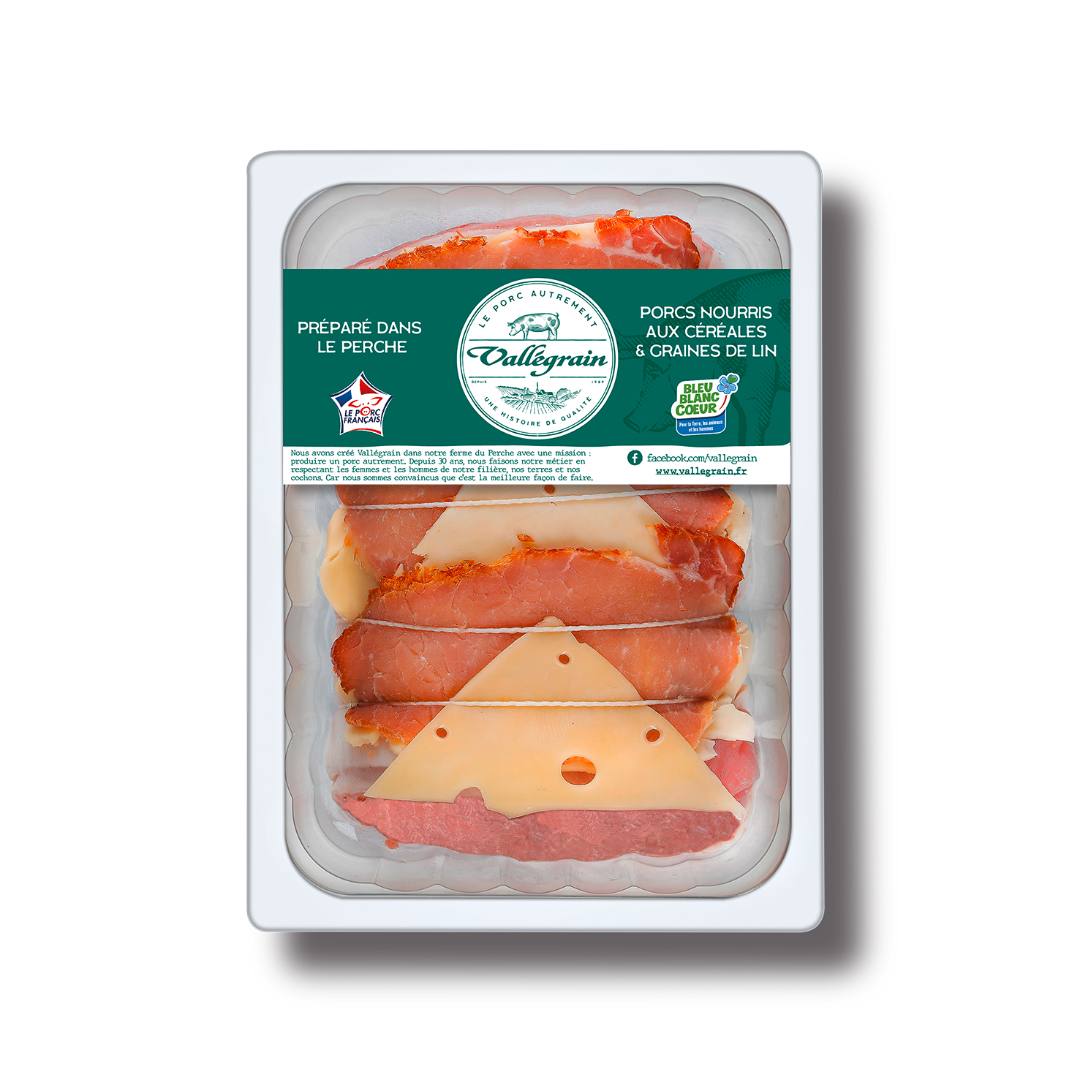
France – Orloff-style roast – Salmonella

Gov france

Identification information of the recalled product

  • Product category Feed
  • Product subcategory Meats
  • Product brand name Vallegrain
  • Model names or references Orloff-style roast
  • Identification of products
    GTIN Lot Date
    3467980061488 2303205601 Use-by date 02/11/2023
  • Packaging Tray under modified atmosphere of about 1kg
  • Marketing start/end date From 02/01/2023 to 02/02/2023
  • Storage temperature Product to be stored in the refrigerator
  • Health mark FR-28-111-020-CE
  • Further information Roast pork elaborated about 1kg. Roast stuffed with slices of Emmental and smoked bacon, covered with slices of Emmental and bacon, all covered.
  • Geographic area of ​​sale Departments: CALVADOS (14), EURE-ET-LOIR (28), ESSONNE (91)
  • Distributors U express and Intermarché
  • List of points of saleDHQUALCP_-_Orloff_LS.pdf

Practical information regarding the recall

  • Reason for recall Presence of Salmonella detected

Research – Exploring Possible Ways to Enhance the Potential and Use of Natural Products through Nanotechnology in the Battle against Biofilms of Foodborne Bacterial Pathogens

MDPI

Abstract

Biofilms enable pathogenic bacteria to survive in unfavorable environments. As biofilm-forming pathogens can cause rapid food spoilage and recurrent infections in humans, especially their presence in the food industry is problematic. Using chemical disinfectants in the food industry to prevent biofilm formation raises serious health concerns. Further, the ability of biofilm-forming bacterial pathogens to tolerate disinfection procedures questions the traditional treatment methods. Thus, there is a dire need for alternative treatment options targeting bacterial pathogens, especially biofilms. As clean-label products without carcinogenic and hazardous potential, natural compounds with growth and biofilm-inhibiting and biofilm-eradicating potentials have gained popularity as natural preservatives in the food industry. However, the use of these natural preservatives in the food industry is restricted by their poor availability, stability during food processing and storage. Also there is a lack of standardization, and unattractive organoleptic qualities. Nanotechnology is one way to get around these limitations and as well as the use of underutilized bioactives. The use of nanotechnology has several advantages including traversing the biofilm matrix, targeted drug delivery, controlled release, and enhanced bioavailability, bioactivity, and stability. The nanoparticles used in fabricating or encapsulating natural products are considered as an appealing antibiofilm strategy since the nanoparticles enhance the activity of the natural products against biofilms of foodborne bacterial pathogens. Hence, this literature review is intended to provide a comprehensive analysis of the current methods in nanotechnology used for natural products delivery (biofabrication, encapsulation, and nanoemulsion) and also discuss the different promising strategies employed in the recent and past to enhance the inhibition and eradication of foodborne bacterial biofilms.