Category Archives: Food Microbiology

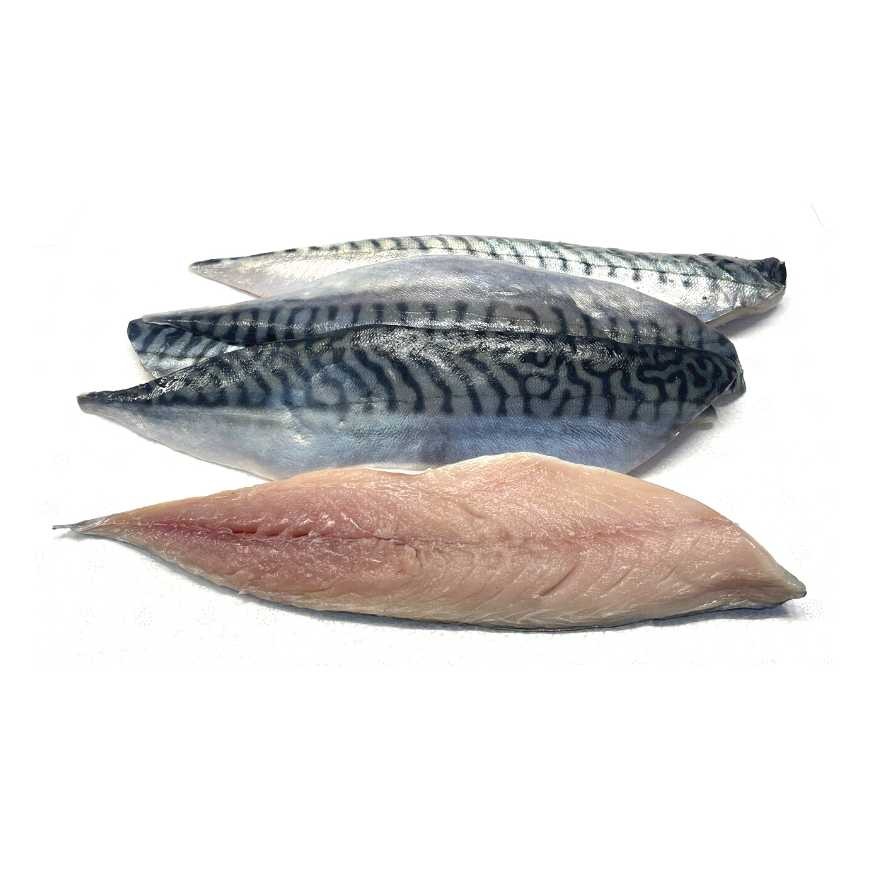
France – MACKEREL FILLET – Histamine

Gov france

Identification information of the recalled product

  • Product category Feed
  • Product subcategory Fishery and aquaculture products
  • Product brand name UNBRANDED
  • Model names or references MACKEREL FILLET
  • Identification of products
    GTIN
    0205548000000
  • Packaging Product sold on our traditional seafood department
  • Marketing start/end date From 07/15/2023 to 07/19/2023
  • Storage temperature Product to be stored in the refrigerator
  • Further information Fished in the North East Atlantic IV North Sea, VII English Channel and Celtic Seas. Fishing gear: trawls.
  • Geographic area of ​​sale Whole France
  • Distributors Leclerc Incarville

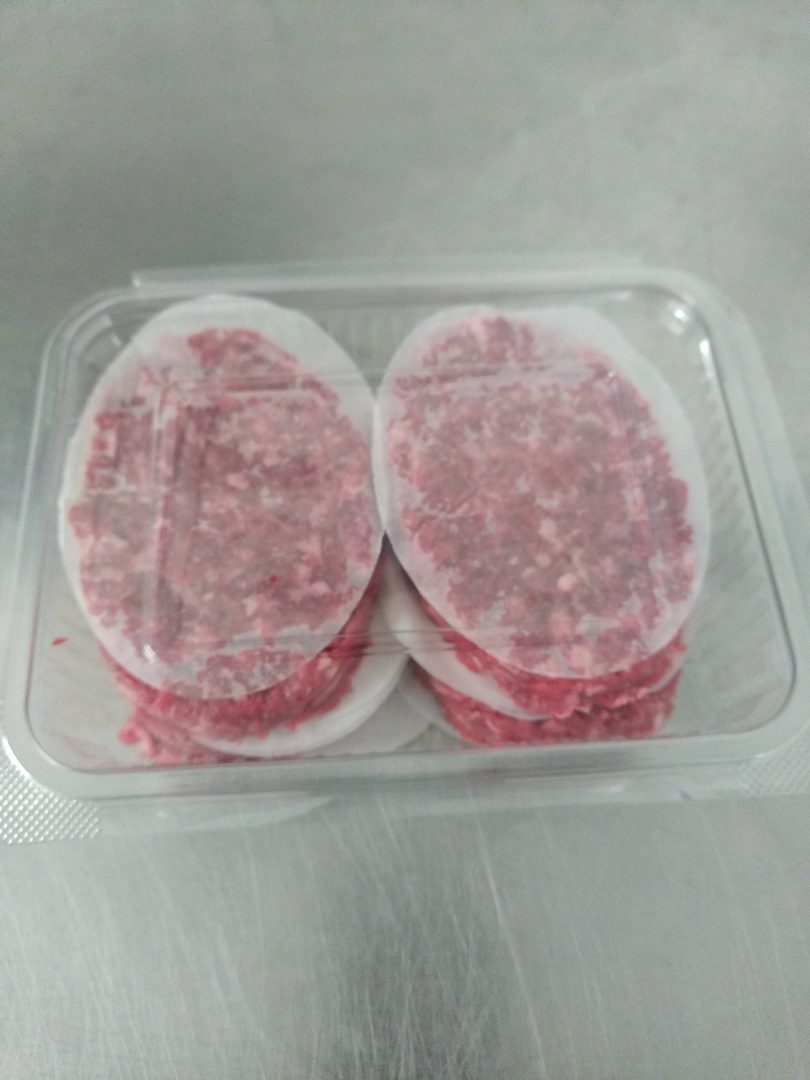
France – Chopped steak – E.coli O157

Gov france

Identification information of the recalled product

  • Product category Feed
  • Product subcategory Meats
  • Product brand name Without
  • Model names or references 4 Ground beef tray 500g
  • Identification of products
    Batch Date
    2307SH101/2307DB403 Use-by date 07/22/2023
  • Products List list_of_products_affected_by_the_recall.pdfAttachment
  • Packaging tray x4 minced steak
  • Marketing start/end date From 07/20/2023 to 07/21/2023
  • Storage temperature Product to be stored in the refrigerator
  • Health mark EN 45.315.112.EC
  • Geographic area of ​​sale Regions: Centre-Val de Loire
  • Distributors EARL DE LA BLOUZE locality La Blouze 58330 JAILLY

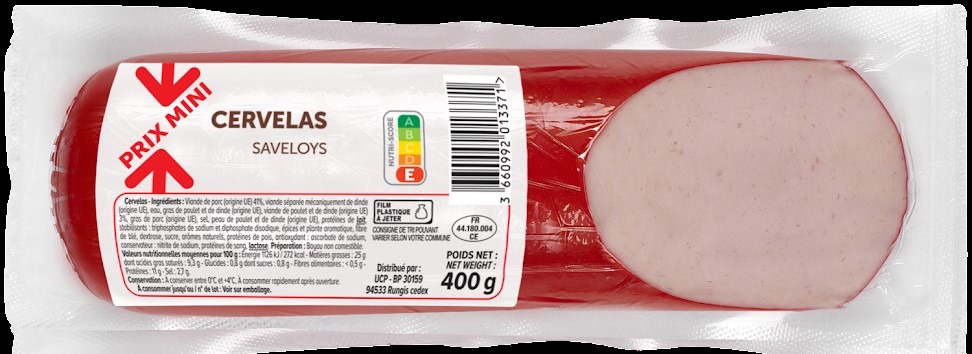
France – CERVELAS MINI PRICE 400G – Listeria monocytogenes

Gov france

Identification information of the recalled product

  • Product category Feed
  • Product subcategory Meats
  • Product brand name MINIMUM PRICE
  • Model names or references CERVELAS MINI PRICE 400G
  • Identification of products
    GTIN Batch Date
    3660992013371 7049279 Use-by date 07/16/2023
  • Packaging 400G
  • Marketing start/end date From 02/06/2023 to 16/07/2023
  • Storage temperature Product to be stored in the refrigerator
  • Health mark FR44 180 004 CE
  • Geographic area of ​​sale Whole France
  • Distributors U TEACHED

France – SARDINE FILLET SARDINA PILCHARDUS vacuum packed – Histamine

RASFF

Identification information of the recalled product

  • Product category Feed
  • Product subcategory Fishery and aquaculture products
  • Product brand name UNBRANDED
  • Model names or references SARDINE FILLET PACKAGED BY THE STORE
  • Identification of products
    Batch Date
    PACKING DATE: 06/07/2023 Use-by date 07/13/2023
  • Packaging sardine fillet vacuum packed in variable weight
  • Marketing start/end date From 06/07/2023 to 13/07/2023
  • Storage temperature Product to be stored in the refrigerator
  • Geographic area of ​​sale Bouloc (31)
  • Distributors Bouloc intermarket (31)

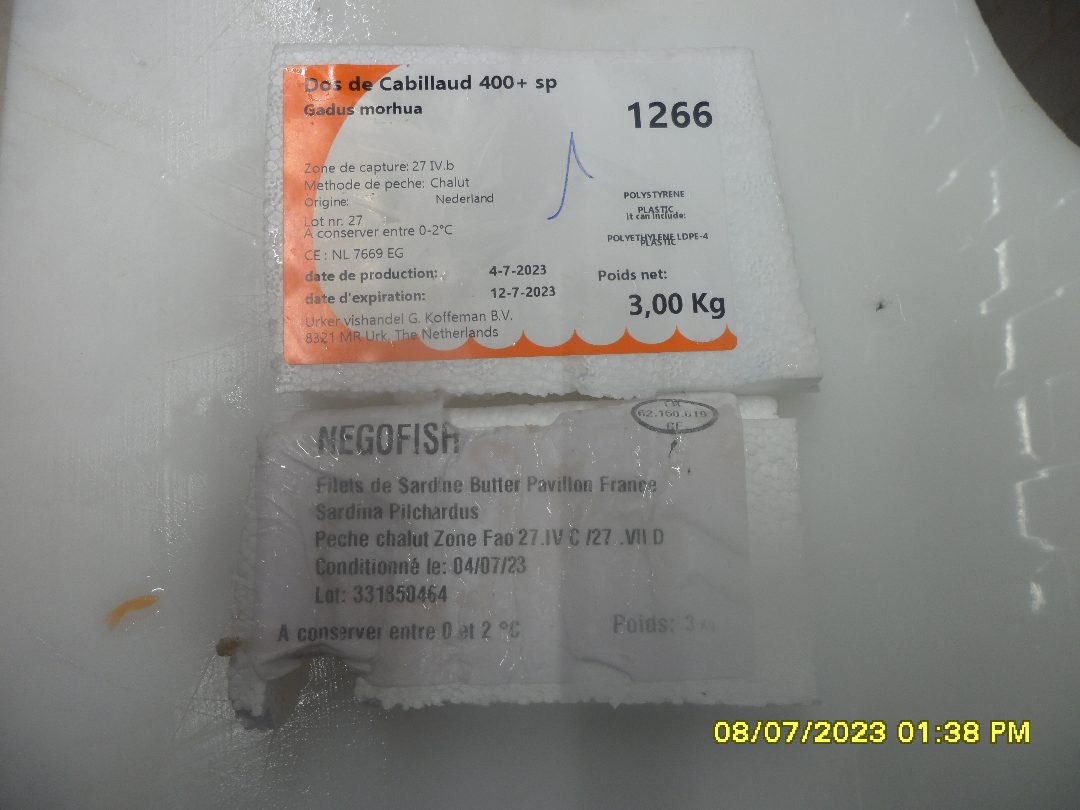
France – Sardine Fillets Butter Flag France – Histamine

Gov france

Identification information of the recalled product

  • Product category Feed
  • Product subcategory Fishery and aquaculture products
  • Product brand name NEGOFISH
  • Model names or references French flag butter sardine fillets
  • Identification of products
    Batch
    331850464
  • Packaging Packaged on 04/07/2023
  • Marketing start/end date From 08/07/2023 to 14/07/2023
  • Storage temperature Product to be stored in the refrigerator
  • Health mark EN 62.160.019 EC
  • Geographic area of ​​sale Whole France
  • Distributors Intermarché Mauguio

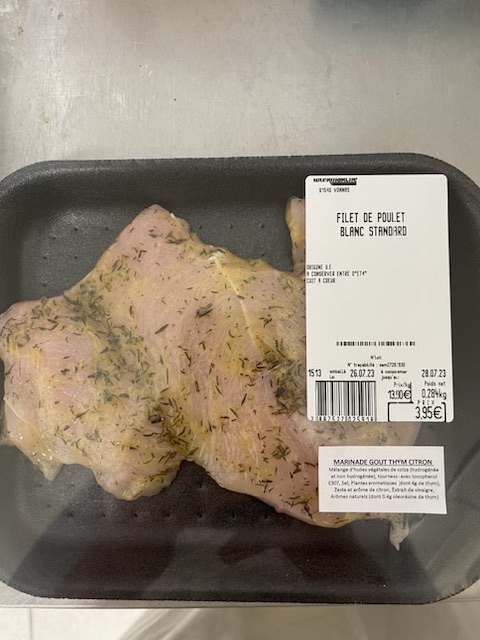
France – Lemon thyme marinated chicken fillet – Salmonella

Gov france

Identification information of the recalled product

  • Product category Feed
  • Product subcategory Meats
  • Product brand name WITHOUT
  • Model names or references Lemon thyme marinated chicken fillet
  • Identification of products
    GTIN Batch Date
    28875270259918 07/17/2023 Use-by date 07/19/2023
  • Packaging tray under film
  • Marketing start/end date From 07/17/2023 to 07/19/2023
  • Storage temperature Product to be stored in the refrigerator
  • Geographic area of ​​sale Vonnas
  • Distributors Intermarché Vonnas

France – All dairy products – STEC E.coli

Gov france

Identification information of the recalled product

  • Product category Feed
  • Product subcategory Milk and dairy products
  • Product brand name Malga di Coredo
  • Model names or references All dairy products sold directly on site by the Italian farm-restaurant Malga di Coredo, province of Trento, Italy
  • Identification of products
    Batch
    All lots
  • Marketing start/end date Until 07/14/2023
  • Storage temperature Product to be stored in the refrigerator
  • Further information A few units of dairy products from this farm are likely to have been purchased by French consumers on tourist visits.
  • Geographic area of ​​saleMunicipality of Coredo, Province of Trento, Italy
  • Distributors direct sale at the farm in Italy: https://www.malgadicoredo.it/

Research – Isolation of Biofilm-Forming Staphylococci from the Bulk-Tank Milk of Small Ruminant Farms in Greece

MDPI

Abstract

The objectives of this study were (i) to describe staphylococcal isolates recovered from bulk-tank raw milk collected from sheep and goat farms during a countrywide study performed in Greece, (ii) to study management factors potentially associated with their presence in bulk-tank milk and (iii) to provide evidence regarding their association with the quality of the milk. In total, 312 staphylococcal isolates, recovered from samples of bulk-tank raw milk from 444 small ruminant farms in Greece, were evaluated in this work. The in vitro formation of biofilm by the isolates was tested by combining the findings of (a) culture appearance on Congo Red agar plates and (b) results of a microplate adhesion test. The most frequently identified species was Staphylococcus aureus (75 isolates); other frequently recovered species were S. simulans (44 isolates), S. equorum (34 isolates) and S. haemolyticus (26 isolates); in total, 23 species were identified. In total, 224 (71.8%) isolates were biofilm-forming and were recovered from the bulk-tank milk samples of 148 sheep flocks (45.5%) and 55 goat herds (46.2%). There was evidence of seasonality in the isolation of staphylococci: during spring, mostly biofilm-forming isolates were recovered, whilst during summer, mostly non-biofilm-forming isolates were recovered. Among farms applying machine-milking, the proportion of farms from which biofilm-forming isolates were recovered was higher where water with temperature < 50 °C or ≥90 °C was used to clean the milking parlour. In the multivariable analyses, for farms applying machine-milking, the temperature of the water emerged as the only significant variable (p = 0.024), whilst in farms applying hand-milking, the only tendency that emerged was for the frequency of collection of milk from the farm tank (p = 0.08). In sheep flocks, recovery of biofilm-forming staphylococci from the bulk-tank milk was associated with higher somatic cell counts and higher total bacterial counts in the milk. The study identified abiotic factors related to the presence and isolation of these bacteria, specifically the temperature of water used for the cleaning of the milking parlour (in farms where machine-milking is applied) and the frequency of milk collection from the farm tank. These factors apply after the production of milk, and they could thus be regulated appropriately in order to reduce bacterial load and improve the quality of milk delivered to dairy plants. In sheep farms, an association was also seen between recovery of biofilm-forming staphylococci and high somatic cell counts in milk.

Research – Effect of Conventional Preservatives and Essential Oils on the Survival and Growth of Escherichia coli in Vegetable Sauces: A Comparative Study

MDPI

Abstract

Essential oils have gained attention as natural alternatives to chemical preservatives in food preservation. However, more information is needed regarding consumer acceptance of essential oils in actual food products. This study aimed to compare the effects of conventional preservatives, heat treatment, and essential oils derived from thyme, oregano, and lemongrass on the survival and growth of pathogenic Escherichia coli in vegetable sauces. The results demonstrated a gradual decrease in pathogen numbers over time, even in untreated samples. On the fifth day of storage, heat treatment, sodium chloride, and acidification using citric acid (pH 3.2) exhibited reductions of 4.4 to 5.3 log CFU/g compared to the untreated control. Among the essential oils tested, lemongrass essential oil at a concentration of 512 mg/kg demonstrated the most remarkable effectiveness, resulting in a reduction of 1.9 log CFU/g compared to the control. Fifteen days after treatment, the control samples exhibited a contamination rate of 6.2 log CFU/g, while E. coli numbers in treated samples with heat, sodium chloride, citric acid (pH 3.2), and lemongrass essential oil (512 mg/kg) were below the detection limits. Additionally, sensory evaluation was conducted to assess the acceptability of the treated samples. The findings provide valuable insights into the potential utilisation of essential oils as natural preservatives in vegetable sauces and their impact on consumer acceptance.

Research – Sanitizing Hatching Eggs with Essential Oils: Avian and Microbiological Safety

MDPI

Abstract

Increased meat and egg production leads to concomitant changes in poultry practices, including the indiscriminate use of formaldehyde to sanitize hatching eggs. Although this sanitizer aids in the increase in poultry production, its toxic potential for man and for avian embryos represents an obstacle to its long-term use. This review assesses whether essential oils fit into the context of hatching egg contamination, reviewing their antimicrobial efficiency, toxicity to poultry embryos and chicks, and their sanitizing effects on poultry production parameters. Studies have indicated that, because they are safer, most of the essential oils studied can be a potential substitute for formaldehyde for minimizing microbial exposure of hatching eggs and embryos. However, complementary studies on the microbiological profile of embryos and chicks hatched from eggs sanitized with essential oils need to be carried out and the economic feasibility of the candidate products should also be considered.