Salmonella in fish meal from Poland in Lithuania
Salmonella Muenster and Salmonella Rissen in turkey processed animal protein from Spain in Belgium
Salmonella spp. in rapeseed meal from Germany in Finland, Denmark and Sweden

Salmonella in fish meal from Poland in Lithuania
Salmonella Muenster and Salmonella Rissen in turkey processed animal protein from Spain in Belgium
Salmonella spp. in rapeseed meal from Germany in Finland, Denmark and Sweden
Posted in Animal by Products, Animal Feed, Animal Feed Salmonella, Animal Feed Testing, Antimicrobials, Decontamination Microbial, Food Micro Blog, Food Microbiology, Food Microbiology Blog, Food Microbiology Testing, microbial contamination, Microbial growth, Microbiological Risk Assessment, Microbiology, Microbiology Investigations, Microbiology Risk, RASFF, Salmonella
The U.S Food and Drug Administration (FDA) inspected your juice manufacturing facility, located at 2335 Del Monte Street, West Sacramento, CA 95691 on June 9, 10, 22, 24, and 29, 2022. We found that you have serious violations of the FDA’s juice Hazard Analysis and Critical Control Point (HACCP) regulation, Title 21, Code of Federal Regulations, Part 120 (21 CFR Part 120). In accordance with 21 CFR 120.9, failure of a processor to have and implement a HACCP plan that complies with the requirements of 21 CFR Part 120 renders the juice products adulterated within the meaning of Section 402(a)(4) of the Federal Food, Drug and Cosmetic Act (the Act) [21 U.S.C. § 342(a)(4)]. Accordingly, your juice products are adulterated in that they have been prepared, packed, or held under insanitary conditions whereby they may have been contaminated with filth, or whereby they may have been rendered injurious to health. You may find the Act, FDA’s juice HACCP regulations and the Juice HACCP Hazards and Controls Guidance through links in FDA’s home page at www.fda.gov.External Link Disclaimer
To date, the agency has not received a written response from your firm regarding the violations noted on the Form FDA-483, Inspectional Observations, which was issued to your firm at the conclusion of the inspection.
Posted in Decontamination Microbial, FDA, Food Micro Blog, Food Microbiology, Food Microbiology Blog, Food Microbiology Research, Food Microbiology Testing, HACCP, Hepatitis A, microbial contamination, Microbial growth, Microbiological Risk Assessment, Microbiology, Microbiology Investigations, Microbiology Risk
The United States Food and Drug Administration (FDA) inspected your ready-to-eat (RTE) ice cream manufacturing facility, located at 2001 Cattlemen Rd Unit 123, Sarasota, Florida, from July 19 to September 01, 2022. The inspection was initiated as part of a joint investigation with the Florida Department of Health (FL DOH) and Florida Department of Agriculture & Consumer Services (FDACS) of a multistate outbreak of Listeria monocytogenes (L. monocytogenes) infections linked to ice cream supplied by your facility. According to the Centers for Disease Control and Prevention (CDC), 28 ill people from 11 states were infected with the outbreak strain of L. monocytogenes. On July 13, 2022, your firm recalled all ice cream products, lots, and expiration dates of Big Olaf brand ice cream through June 30, 2022, because they had the potential of being contaminated with L. monocytogenes. CDC and FDA have determined, based upon the epidemiological data and Whole Genome Sequencing (WGS) matches between clinical and FDACS environmental and finished product samples that ice cream manufactured at this facility was the source of this multistate L. monocytogenes outbreak.
During the inspection of your facility, FDA found serious violations of the Current Good Manufacturing Practice, Hazard Analysis, and Risk-Based Preventative Controls for Human Food regulation (CGMP & PC rule), Title 21, Code of Federal Regulations, Part 117 (21 CFR Part 117).
Posted in food bourne outbreak, Food Illness, Food Micro Blog, Food Microbiology, Food Microbiology Blog, Food Microbiology Research, Food Microbiology Testing, Foodborne Illness, foodborne outbreak, foodbourne outbreak, Illness, Listeria, Listeria monocytogenes, microbial contamination, Microbial growth, Microbiological Risk Assessment, Microbiology, Microbiology Investigations, Microbiology Risk, outbreak
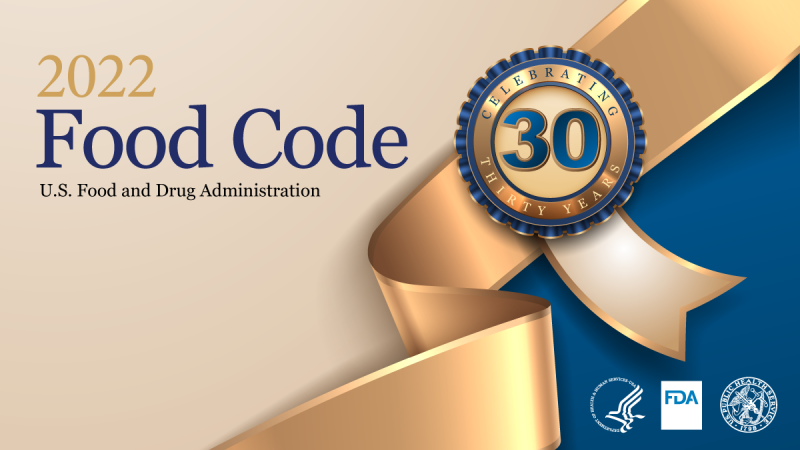
The Food Code is a model for safeguarding public health and ensuring food is unadulterated and honestly presented when offered to the consumer. It represents FDA’s best advice for a uniform system of provisions that address the safety and protection of food offered at retail and in food service.
This model is offered for adoption by local, state, and federal governmental jurisdictions for administration by the various departments, agencies, bureaus, divisions, and other units within each jurisdiction that have been delegated compliance responsibilities for food service, retail food stores, or food vending operations. Alternatives that offer an equivalent level of public health protection to ensure that food at retail and foodservice is safe are recognized in this model.
The 2022 Food Code (10th edition) reflects the agency’s continued commitment to maintaining cooperative programs with state, local, tribal, and territorial governments.
The 2022 edition reflects the input of regulatory officials, industry, academia, and consumers that participated in the 2020 biennial meeting of the Conference for Food Protection (CFP) (held in 2021).
Members of FDA’s National Retail Food Team are available to assist regulatory officials, educators, and the industry in their efforts to adopt, implement, and understand the provisions of the FDA Food Code and the Retail Program Standards. Inquiries may be sent to retailfoodprotectionteam@fda.hhs.gov or directly to a Retail Food Specialist located in one of FDA’s three Retail Food Protection Branches across the country.
Food Code 2022 (PDF: 4.68MB)
Posted in Decontamination Microbial, FDA, Food Micro Blog, Food Microbiology, Food Microbiology Blog, Food Microbiology Research, Food Microbiology Testing, Food Safety, Food Safety Management, Food Safety Regulations, food safety training, microbial contamination, Microbial growth, Microbiological Risk Assessment, Microbiology, Microbiology Investigations, Microbiology Risk
Brand : Il Borgo del Gusto – Friultrota di Pighin
Denomination : Silly herring (cold-smoked herring fillets)
Reason for reporting : Recall for microbiological risk
Publication date : 28 December 2022

The Singapore Food Agency (SFA) has lifted the suspension of Rasel Catering Singapore Pte Ltd located at 253 Pandan Loop Singapore 128432 today. As the licensee has implemented the required measures as stipulated by SFA, operations can be resumed.
The Ministry of Health (MOH) and SFA received reports of gastroenteritis involving 345 persons after consuming food prepared by Rasel Catering Singapore Pte Ltd between 8 and 16 November 2022. None were hospitalised. To protect consumers from further public health risks, the food business operations of Rasel Catering Singapore Pte Ltd was suspended by SFA from 18 November to 29 December 2022.
Posted in food bourne outbreak, Food Illness, Food Micro Blog, Food Microbiology, Food Microbiology Blog, Food Microbiology Research, Food Microbiology Testing, Foodborne Illness, foodborne outbreak, foodbourne outbreak, Illness, microbial contamination, Microbial growth, Microbiological Risk Assessment, Microbiology, Microbiology Investigations, Microbiology Risk, outbreak, Uncategorized
Posted in Antimicrobials, Bacteriocin, Decontamination Microbial, Food Micro Blog, Food Microbiology, Food Microbiology Blog, Food Microbiology Research, Food Microbiology Testing, Food Pathogen, Gram Negative Bacteria, Gram Positive, LAB, lactic acid bacteria, Lactobacillus, microbial contamination, Microbial growth, Microbiological Risk Assessment, Microbiology, Microbiology Investigations, Microbiology Risk, Pathogen, pathogenic
A company in Austria that was linked to a deadly Listeria outbreak earlier this year is in financial trouble.
AKV, an association to protect creditor rights recognized by Austrian authorities, deals with insolvency cases in courts.
It reported that Käserei Gloggnitz can no longer meet its payment obligations. Insolvency proceedings have been opened by the regional court in Wiener Neustadt. A hearing is planned for early February 2023.
The reasons for the insolvency position are unknown, according to AKV. So the impact of the Listeria monocytogenes incident on the company is unclear.
As part of the proceedings, it will have to be checked whether the dairy producer will be continued and restructured or if existing assets will be inventoried and valued.
Posted in Antimicrobials, Decontamination Microbial, food bourne outbreak, Food Illness, Food Micro Blog, Food Microbiology, Food Microbiology Blog, Food Microbiology Research, Food Microbiology Testing, Foodborne Illness, foodborne outbreak, foodbourne outbreak, Illness, Listeria, Listeria monocytogenes, microbial contamination, Microbial growth, Microbiological Risk Assessment, Microbiology, Microbiology Investigations, Microbiology Risk, outbreak


