Category Archives: Food Microbiology Research

Research – Measures for the control of non-typhoidal Salmonella spp.in poultry meat

FAO

FAO & WHO. 2023. Measures for the control of non-typhoidal Salmonella spp. in poultry meat – Meeting report. Microbiological Risk Assessment Series, No. 45. Rome. https://doi.org/10.4060/cc9026e

Executive summary
Scope and objectives
In response to a request from the 52nd Session of the Codex Committee on Food
Hygiene (CCFH), the FAO/WHO Joint Expert Meetings on Microbiological
Risk Assessment (JEMRA) convened a meeting in Geneva, Switzerland from 12 to 16
September 2022, to collate and assess the most recent scientific information
relating to the control of non-typhoidal (NT)-Salmonella spp. in chicken meat,
including a review of the Codex Guidelines for the Control of Campylobacter
and Salmonella in Chicken Meat (CXG 78-2011). 1 The group of subject matter
experts reviewed the available data on NT Salmonella spp. control in the broiler
production chain, including scientific literature published since 2008 and
data submitted in response to a call for data for this meeting. The experts: 1)
determined the extent to which various control measures, good hygiene practices
(GHPs) or hazard-based control measures (targeted to reduce NT-Salmonella
spp.), provided adequate evidence for assessing their efficacy; 2) evaluated the
impact or efficacy of control measures relevant to NT-Salmonella spp. in the
broiler production chain, noting the variability of the impact reviewed and
recommended revisions to the Guidelines for the Control of Campylobacter and
Salmonella in Chicken Meat (CXG 78-2011), Paragraphs 1 to 114, based on the
evidence currently available (Annex 3).
Based on evaluation criteria such as the number, quality, applicability and
representativeness of reports and research on a particular intervention available
for screening, many control measures lacked sufficient evidence to allow the
experts to assess their effectivness.
Research Bio- Mapping Salmonella and Campylobacter Loads in Three Commercial Broiler Processing Facilities in the United States to Identify Strategic Intervention Points

MDPI

Abstract

The poultry industry in the United States is one of the largest in the world. Poultry consumption has significantly increase since the COVID-19 pandemic and is predicted to increase over 16% between 2021 and 2030. Two of the most significant causes of hospitalizations and death in the United States are highly related to poultry consumption. The FSIS regulates poultry processing, enforcing microbial performance standards based on Salmonella and Campylobacter prevalence in poultry processing establishments. This prevalence approach by itself is not a good indicator of food safety. More studies have shown that it is important to evaluate quantification along with prevalence, but there is not much information about poultry mapping using quantification and prevalence. In this study, enumeration and prevalence of Salmonella and Campylobacter were evaluated throughout the process at three different plants in the United States. Important locations were selected in this study to evaluate the effect of differences interventions. Even though there were high differences between the prevalences in the processes, some of the counts were not significantly different, and they were effective in maintaining pathogens at safe levels. Some of the results showed that the intervention and/or process were not well controlled, and they were not effective in controlling pathogens. This study shows that every plant environment is different, and every plant should be encouraged to implement a bio-mapping study. Quantification of pathogens leads to appropriate risk assessment, where physical and chemical interventions can be aimed at specific processing points with higher pathogen concentrations using different concentrations of overall process improvement.

Research – Multinational collaboration in solving a European Salmonella Braenderup outbreak linked to imported melons, 2021

Eurosurveillance

Multinational food-borne outbreak investigations require cross-sectoral collaboration not only at the local, regional and national level, but also across countries. This typically involves a number of organisations such as health authorities, regulatory food and veterinary authorities, central and regional laboratories as well as clinicians. Successful outbreak investigation is built on a coordinated approach at all regulatory and administrative levels. This paper presents an example of how a coordinated effort with cross-national collaboration was beneficial in solving a multinational outbreak of  Braenderup in Europe in the spring of 2021.

 Braenderup is a serovar of  subsp.  which causes symptoms of gastrointestinal illness including abdominal cramps, diarrhoea, nausea and fever [1]. . Braendrup ranked 19th among  serovars reported to the European Surveillance System (TESSy) between 2015 and 2019 and around 300 cases of  Braenderup in the EU/EEA are reported each year.

USA – Update: Quaker Issues Revised Recall Notice with Additional Products Due to Possible Health Risk

FDA

Summary

Company Announcement Date:
FDA Publish Date:
Product Type:
Food & Beverages
Reason for Announcement:
Potential for Salmonella contamination
Company Name:
The Quaker Oats Company
Brand Name:
Multiple brand names
Product Description:
Cereal, bars, and snacks

Company Announcement

A previous press release was issued on 12/15/2023. This new press release is to communicate additional products due to possible health risk.

CHICAGO, Illinois – January 11, 2024 – The Quaker Oats Company today announced an expansion of the December 15, 2023, recall to include additional cereals, bars and snacks listed below because they have the potential to be contaminated with Salmonella, an organism which can cause serious and sometimes fatal infections in young children, frail or elderly people, and others with weakened immune systems. Healthy persons infected with Salmonella often experience fever, diarrhea (which may be bloody), nausea, vomiting and abdominal pain. In rare circumstances, infection with Salmonella can result in the organism getting into the bloodstream and producing more severe illnesses such as arterial infections (i.e., infected aneurysms), endocarditis and arthritis.

The products listed in the link above  are sold throughout the 50 United States, Puerto Rico, Guam and Saipan. Consumers should check their pantries for any of the products listed below and dispose of them. Additionally, consumers with any product noted below can contact Quaker Consumer Relations (9 a.m. – 4:30 p.m. CST, Mon.-Fri.) at 1-800-492-9322 or visit www.QuakerRecallUSA.comExternal Link Disclaimer for additional information or product reimbursement.

Consumers can scan the SmartLabel QR code on the product package to determine if it has been recalled. Click here for information on how to use SmartLabel.External Link Disclaimer

Quaker has informed the FDA of our actions.

This recall applies to the specific products listed below, in addition to the products announced on December 15, 2023. A combined list of recalled products is available on www.QuakerRecallUSA.comExternal Link Disclaimer.

For more information, please reference this PDF.”

Quebec – Notice not to consume BBQ meatloaf prepared and sold by the company Boucherie Thibault inc. – E.coli

Quebec

QUEBEC CITY ,  Jan. 11, 2024 /CNW/ – The Ministry of Agriculture, Fisheries and Food (MAPAQ), in collaboration with the company Boucherie Thibault inc. , located at 1739, avenue des Érables, in Plessisville , advises the population not to consume the product indicated in the table below, because this food is likely to contain the E. coli bacteria .

Product name

Format

Target lot

“BBQ POTATO AND VEGETABLE MEATLOAF”

Unitary

BEST AV

24-JA-14 

The product which is the subject of this warning was offered for sale until January 11, 2024, and only at the establishment designated above. The product was packaged in an aluminum tray with a transparent plastic lid and sold refrigerated.

The operator is recalling the product in question. He agreed with MAPAQ to broadcast this warning as a precautionary measure. In addition, people who have this product in their possession are advised not to consume it. They must return it to the establishment where they purchased it or throw it away. Food contaminated with E. coli bacteria does not necessarily show visible spoilage or a suspicious odor, but can still make a person who consumes it sick. Possible symptoms are: nausea, vomiting, more or less acute abdominal cramps and watery or bloody diarrhea.

It should be noted that no cases of illness associated with the consumption of this food have been reported to MAPAQ to date.

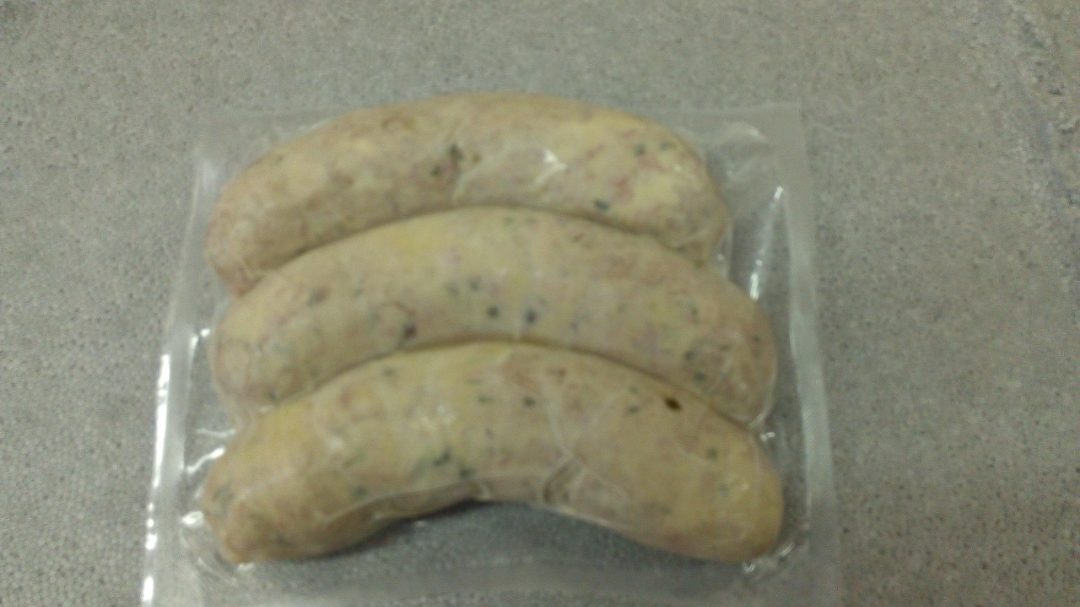
France – Beef andouillette – Listeria monocytogenes

Gov France

Product category
Food
Product subcategory
Meats
Product brand name
Tanvol Farm
Model names or references
Products from meat and beef offal, prepared and packaged in the premises of the Sardières agri-food workshop
Product identification
Batch Date
cut out on 12/12/2023 Use-by date 12/26/2023
Packaging
Under a vacuum
Start/end date of marketing
From 12/13/2023 to 12/26/2023
Storage temperature
Product to keep in the refrigerator
Health mark
FR 01 053 007 CE
Further information
Products sold on the market or for direct sale at the Tanvol farm 01440 Viriat
Geographical sales area
Regions: Auvergne-Rhône-Alpes, Burgundy-Franche-Comté
Distributors
Direct sale

USA- Research – Investigations of Foodborne Outbreaks and Adverse Events in FDA-Regulated Foods

FDA

CORE 2022 Activities
65 Incidents Evaluated:
Incidents evaluated includes potential outbreaks, confirmed outbreaks, and adverse
events that were evaluated by the CORE Signals and Surveillance Team. Not all
incidents evaluated by Signals are transferred to Response for follow up.
28 Responses Initiated:
When an outbreak appears to be caused by an FDA-regulated food, this information is
passed to a Response Team to coordinate FDA’s response efforts.
11 Advisories Issued:
Public health advisories are issued to provide consumers with actionable advice about
an FDA-regulated food linked to an outbreak.

Italy – Packed eggs of 6/10 and cartons of 180/200/360 “S”, “M”, “L”, “XL” – Salmonella

Salute

Brand : ALICOM

Name : Packed eggs of 6/10 and cartons of 180/200/360 “S”, “M”, “L”, “XL”

Reason for reporting : Recall due to microbiological risk

Publication date : 8 January 2024

Documentation

Documentation

Research – Effectiveness of Ultra-High Irradiance Blue-Light-Emitting Diodes to Control Salmonella Contamination Adhered to Dry Stainless Steel Surfaces

MDPI

Controlling Salmonella contamination in dry food processing environments represents a significant challenge due to their tolerance to desiccation stress and enhanced thermal resistance. Blue light is emerging as a safer alternative to UV irradiation for surface decontamination. In the present study, the antimicrobial efficacy of ultra-high irradiance (UHI) blue light, generated by light-emitting diodes (LEDs) at wavelengths of 405 nm (841.6 mW/cm2) and 460 nm (614.9 mW/cm2), was evaluated against a five-serovar cocktail of Salmonella enterica dry cells on clean and soiled stainless steel (SS) surfaces. Inoculated coupons were subjected to blue light irradiation treatments at equivalent energy doses ranging from 221 to 1106 J/cm2. Wheat flour was used as a model food soil system. To determine the bactericidal mechanisms of blue light, the intracellular concentration of reactive oxygen species (ROS) in Salmonella cells and the temperature changes on SS surfaces were also measured. The treatment energy dose had a significant effect on Salmonella inactivation levels. On clean SS surfaces, the reduction in Salmonella counts ranged from 0.8 to 7.4 log CFU/cm2, while, on soiled coupons, the inactivation levels varied from 1.2 to 4.2 log CFU/cm2. Blue LED treatments triggered a significant generation of ROS within Salmonella cells, as well as a substantial temperature increase in SS surfaces. However, in the presence of organic matter, the oxidative stress in Salmonella cells declined significantly, and treatments with higher energy doses (>700 J/cm2) were required to uphold the antimicrobial effectiveness observed on clean SS. The mechanism of the bactericidal effect of UHI blue LED treatments is likely to be a combination of photothermal and photochemical effects. These results indicate that LEDs emitting UHI blue light could represent a novel cost- and time-effective alternative for controlling microbial contamination in dry food processing environments.

Research – Adhesion to and survival of foodborne pathogens in produce and strategies for their biocontrol

Wiley Online

Abstract

Foodborne pathogens can cause gastrointestinal infections in consumers and in some cases can even lead to outbreaks. In the last decade, it has been observed that some zoonotic pathogenic bacteria can use plants as secondary hosts. Contamination with foodborne bacteria becomes relevant in foods that are regularly eaten raw, such as lettuce, cilantro, fenugreek, rocket leaves, basil, and so forth, and some fruits such as tomatoes, melons, and green peppers; because the elimination of these pathogenic bacteria is difficult to achieve with conventional sanitization processes. Contamination of produce can occur throughout the entire production chain. In farmlands, pathogenic bacteria can contaminate the seed, mainly when contaminated water is used for irrigation. Later, bacteria can reach other plant tissues such as the stems, leaves, and fruits. Another form of contamination is when the produce is in contact with faeces from domestic, production, or wild animals. Additionally, poor handling practices during harvest, packaging, distribution, and sale can contaminate produce. Studies have shown that foodborne pathogens can adhere to produce, sometimes forming a biofilm, and can also be internalized into the plant or fruit, which protects them from sanitation processes. For this reason, in this text we address three biocontrol strategies such as bacteria, lytic bacteriophages, and some fungi, as an alternative approach for the control of both foodborne and plant pathogens. Additionally, the use of these biological agents can represent an advantage for the development of the plant, making them a good strategy to favour yield.