Category Archives: Food Microbiology Research

Information – Family Food Safe Infographics from the USDA

Let me tell you how Dad got sick

Fight Bac Food Safety Classroom Materials - Smart Kids Fight BAC! Level 2 Activity Book

Be Safe Family Food Activity Book


Research – Survival of Salmonella in Various Wild Animal Faeces That May Contaminate Produce.

NCBI

Salmonellaa

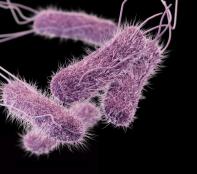
Image CDC


ABSTRACT:

Heightened concerns about wildlife on produce farms and possible introduction of pathogens to the food supply have resulted in required actions following intrusion events. The purpose of this study was to evaluate the survival of Salmonella in feces from cattle and various wild animals (feral pigs, waterfowl, deer, and raccoons) in California, Delaware, Florida, and Ohio. Feces were inoculated with rifampin-resistant Salmonella enterica cocktails that included six serotypes: Typhimurium, Montevideo, Anatum, Javiana, Braenderup, and Newport (104 to 106 CFU/g). Fecal samples were stored at ambient temperature. Populations were enumerated for up to 1 year (364 days) by spread plating onto tryptic soy agar supplemented with rifampin. When no colonies were detected, samples were enriched. Colonies were banked on various sampling days based on availability of serotyping in each state. During the 364-day storage period, Salmonella populations decreased to ≤2.0 log CFU/g by day 84 in pig, waterfowl, and raccoon feces from all states. Salmonella populations in cattle and deer feces were 3.3 to 6.1 log CFU/g on day 336 or 364; however, in Ohio Salmonella was not detected after 120 days. Salmonella serotypes Anatum, Braenderup, and Javiana were the predominant serotypes throughout the storage period in all animal feces and states. Determination of appropriate risk mitigation strategies following animal intrusions can improve our understanding of pathogen survival in animal feces.

Research- FAO and WHO report rise in foodborne diseases related to Vibrio species

New Food Magazine

The FAO/WHO assessment revealed that there have been a series of pandemic outbreaks of V. parahaemolyticus foodborne illnesses due to the consumption of seafood and outbreaks have occurred in regions of the world where it was previously unreported.

Full Report


Research – COVID-19 expert explains what soap does to SARS-CoV-2 virus

Mayo Clinic

Your hand has oils on it, and viruses stick to that oil. They have an electrostatic charge to them. But when you’re washing with soap, soap has things that decrease surface tension in them so you are physically rubbing by friction and washing away that virus. It is the most effective thing we know to do. That’s why surgeons, for example, scrub their hands so very carefully before they go into an OR. It works, and it works really well.

Research – Why health experts aren’t warning about Coronavirus in food

Wbay

Chicken with Salmonella can make you sick. So can romaine lettuce with E. coli and buffets with lurking Norovirus. So why aren’t health officials warning people about eating food contaminated with the new Coronavirus?

The answer has to do with the varying paths organisms take to make people sick.

Respiratory viruses like the new Coronavirus generally attach to cells in places like the lungs. Germs like Norovirus and Salmonella can survive the acid in stomachs, then multiply after attaching to cells inside people’s guts.

“Specializing in what tissues to attach to is typically part of the disease’s strategy to cause illness,” according to the U.S. Centers for Disease Control and Prevention.

The CDC and other experts note that the virus is new and still being studied. But they say there’s no evidence yet that COVID-19 sickens people through their digestive systems, though the virus has been detected in the faeces of infected people.

How these germs spread also differs.

Respiratory viruses like the flu and the new Coronavirus spread mainly through person-to-person contact and air droplets from coughing, sneezing or other flying saliva.

USA – U.S. lacks sufficient aflatoxin checks on peanuts destined for Europe

Food Safety News

The United States has limited controls to manage aflatoxin contamination in peanuts for export to Europe, according to findings from an audit carried out because of regular detection of non-compliances.

Officials from DG Sante, the European Commission’s unit for food safety and health, said there was scope to develop and improve good practices across the industry to help reduce levels of aflatoxin in peanuts.

The audit assessed if the systems to control aflatoxin contamination in peanuts sent to the European Union comply with, or are equivalent to, EU laws to ensure limits for contaminants are respected. It found the legal framework primarily addresses peanuts for the domestic market and imports. There are no specific standards for peanuts intended for the EU.

It is possible for processors to export a lot to Europe which has, in the analysis of another sample from the same lot, had a result exceeding EU limits, according to DG Sante.

Hong Kong -Review of Food Incidents in 2019

Review of Food Incidents in 2019


CFS

Highlight of ways to prevent cross-contamination.

Hong Kong – Coronaviruses and Foodborne Zoonoses

CFS

The current outbreak of coronavirus disease (COVID-19) has been spreading rapidly around the world.  COVID-19 was believed to be caused by a novel coronavirus (SARS-CoV-2), originated in animals and plausibly jumping across the species barrier to infect humans, The virus has then sustained a human-to-human transmission.

Zoonoses are diseases or infections transmitted between some animals and humans.  There are various ways in which people can catch a zoonosis: through direct contact with animals or materials contaminated by these animals, being bitten by a germ-carrying vector such as a mosquito, as well as through drinking contaminated water or eating contaminated food (foodborne zoonoses).  While COVID-19 is likely a zoonosis, can we acquire the disease through eating?

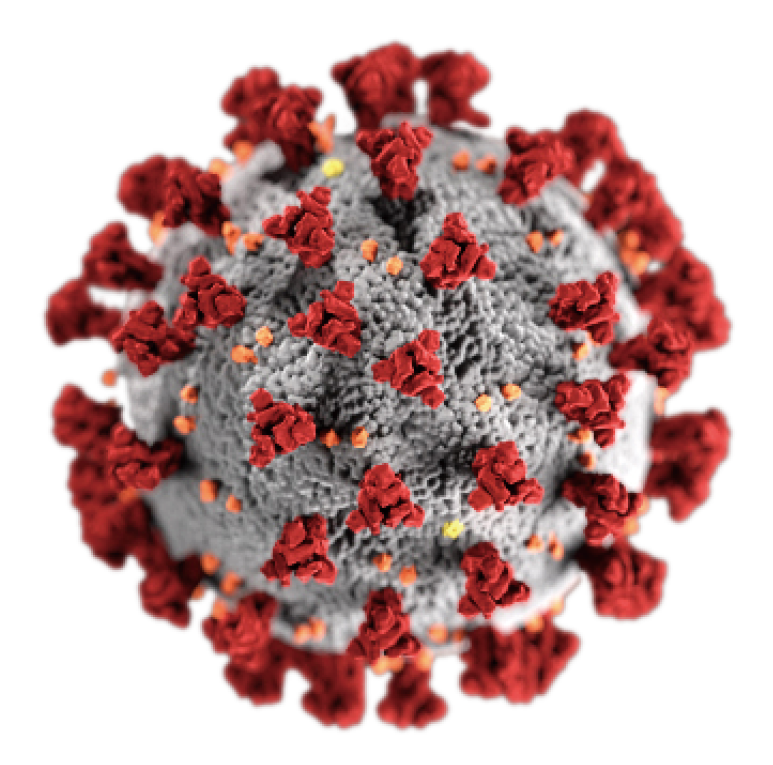
Illustration of a SARS-CoV-2 virion

Germany – Germans think risk of coronavirus transmission by food is low

Food Safety News

The probability of coronavirus being transmitted via food is perceived by the public as being low, according to a survey in Germany.

Two thirds said the probability of being infected with the novel coronavirus (COVID-19) via food was low. More than one in five rated the chance as medium and 12 percent said it was high.

There are no cases which have shown any evidence of humans being infected with the new type of coronavirus by consumption of contaminated food, according to the German Federal Institute for Risk Assessment (BfR). As the viruses are sensitive to heat, risk of infection can be further reduced by heating foods.

The European Food Safety Authority (EFSA) has also said there is no evidence that food is a likely source or route of transmission of the virus.

Information- Coronavirus and Food Live Blog

Just Food

This is a blog dedicated to updated information on the Coronavirus and the Food Industry