Category Archives: Food Microbiology Research

Research – Fate of aflatoxins during almond oil processing

Journal of Food Protection

Almonds rejected as inedible are often used for production of almond oil. However, low-quality almonds are frequently contaminated with aflatoxins, and little is known regarding transfer of aflatoxins to almond oil during processing. In this study, oil was produced from reject almonds by hexane extraction. Of 19 almond samples that were naturally contaminated with aflatoxins, 17 oil samples contained measurable amounts of aflatoxins, and aflatoxin content of contaminated oil was correlated with aflatoxin content of the nuts. However, oil aflatoxin levels were not correlated with the oxidation level of the oil as measured by percent free fatty acids and peroxide value. Adsorbents used in oil refining were tested for their ability to remove aflatoxins from contaminated oil. Fuller’s earth and bentonite were the most effective, removing 96% and 86% of total aflatoxins from contaminated oil samples, respectively. Treatment with diatomaceous earth, in contrast, had no effect on aflatoxin levels in oil. These results show that oil refining steps using mineral clay adsorbents may also function to remove aflatoxins from contaminated oil.
Research – The growth characteristics of Bacillus cereus in sake and during its manufacture.

Journal of Food Protection

Sake (Japanese rice wine) has been recognized as being low-risk in terms of its microbiological safety. However, a confirmation of the food safety aspects of sake based on scientific evidence is important for establishing consumer confidence, in part because consumer concerns regarding food safety have increased. The presence of Bacillus cereus spores in refined rice wine has been reported, and in light of consumers’ growing concern over food safety, the establishment of food and beverage safety is important for consumers’ reassurance. Herein, to confirm the microbiological safety of sake, we investigated the content and growth of B. cereus. We conducted a spore addition test to determine whether B. cereus spores grow during sake production, and we observed no growth or germination of B. cereus spores during the manufacturing process. We also observed that processes such as solid-liquid separation and filtration help remove the risk posed by B. cereus. We then conducted a survey to assess the density of B. cereus in various commercial sake products. We analyzed 162 samples of commercial sake and observed that 11 of the products had ≥1 CFU of living cells in 1 mL of sake (detection rate: 6.8%). There was no product in which ≥100 CFU/mL-sake of living cells was detected. Our findings confirmed that the density of these bacteria in sake is lower than that in other foods, and the probability of infection is very low. The emetic toxin produced by B. cereus was not detected in any of the sake samples. This is the first study based on experimental data demonstrating that B. cereus is not able to grow in sake or during the sake manufacturing process. We thus conclude that the safety risk of B. cereus in sake is negligible. Our findings indicate that Bacillus cereus is not a significant hazard in the sake brewing process, and they will contribute to the food hygiene management based on scientific evidence in sake breweries.

Research – A comparison of Salmonella survival and detection using an enrichment technique in dry and wet inoculated rendered chicken fat treated with sodium bisulfate

Journal of Food Protection

The differences in the recovery of Salmonella from rendered chicken fat treated with sodium bisulfate (SBS) when inoculated with a dry vs wet inoculum was evaluated. Food grade rendered chicken fat was inoculated with a dry and wet inoculum containing a Salmonella cocktail (S. Enteritidis, S. Heidelberg, and S. Typhimurium). In addition, the effect of an antimicrobial treatment (sodium bisulfate, SBS) against Salmonella spp. in both the aqueous and fat phase of the chicken fat was evaluated. The untreated control samples in the aqueous phase had a consistent level of Salmonella (~7 log) when both the dry and wet inoculum was used. In the SBS treated aqueous phase, Salmonella were not detectable after 6h when the wet inoculum was used; whereas, when using the dry inoculum, the Salmonella were not detectable at 24h. Salmonella were detected for up to 6h in the SBS treated fat phase when the dry inoculum was used as compared to 2h with the wet-inoculum. The 24h fat samples which failed to show growth on trypticase soy agar were enriched for Salmonella isolation followed by confirmation by polymerase chain reaction using primers for the invA gene. Both SBS treated and control samples from the dry inoculated, and the inoculated control from the wet inoculated rendered chicken fat tested positive for Salmonella. However, the SBS treated sample from the wet inoculated fat was negative for Salmonella. The use of dry SBS powder against dry Salmonella inoculum in the fat matrix caused only ~2.8 log reduction after 24h as compared to ~2.2 log reduction in the positive control. However, the recovery of Salmonella from untreated control fat was lower and was not different (P ≤ 0.05) than the SBS treated fat. The results suggest the development of potential VBNC states of Salmonella or the presence of injured cells in rendered chicken fat hence suggesting that testing should include an enrichment and appropriate molecular confirmation instead of agar plating alone

Research – Recovery Rate of Cells of the Seven Regulated Serogroups of Shiga Toxin-Producing Escherichia coli from Raw Veal Cutlets, Ground Veal, and Ground Beef from Retail Stores in the Mid-Atlantic Region of the United States

Journal of Food Protection

A total of 482 veal cutlet, 555 ground veal, and 540 ground beef samples were purchased from retail establishments in the Mid-Atlantic region of the U.S. over a non-contiguous, two-year period between 2014 and 2017. Samples (325 g each) were individually enriched and screened via real-time PCR for all seven regulated serogroups of Shiga toxin-producing Escherichia coli (STEC). Presumptive STEC positive samples were subjected to serogroup-specific immunomagnetic separation and plated onto selective media. Up to five isolates typical for STEC from each sample were analyzed via multiplex PCR for both the virulence genes (i.e., eae , stx 1 and/or stx 2 , and ehxA ) and serogroup-specific gene(s) for the seven regulated STEC serogroups. The recovery rates of non-O157 STEC from veal cutlets (3.94%, 19 of 482 samples) and ground veal (7.03%, 39 of 555 samples) were significantly higher (P < 0.05) than that from ground beef (0.93%, 5 of 540 samples). In contrast, only a single isolate of STEC O157:H7 was recovered; this isolate originated from one (0.18%) of 555 samples of ground veal. Recovery rates for STEC were not associated with state, season, packaging type, or store type (P > 0.05), but were associated with brand and fat content (P < 0.05). Pulsed-field subtyping of the 270 viable/confirmed STEC isolates from the 64 total samples testing positive revealed 78 pulsotypes (50 to 80% similarity) belonging to 39 pulsogroups, with ≥90% similarity among pulsotypes within pulsogroups. Also, multiple isolates from the same sample displayed an indistinguishable pulsotype for 43 of 64 (67.7%) samples testing positive.  These findings support related data from regulatory sampling exercises over the past decade and confirm that recovery rates for the regulated STEC serogroups are appreciably higher for raw veal compared to raw beef samples as was also observed herein for meat purchased at food retailers in the Mid-Atlantic region of the U.S.

Research – Thermal Resistance of Single Strains of Shiga Toxin-Producing Escherichia coli O121:H19 and O157:H7 Based on Culture Preparation Method and Osmolyte-Reduced Water Activity

Journal of Food Protection

Pathogen thermal resistance studies on low-water activity foods (LWAF) use a variety of methods to inoculate food, as well as strategies to reduce water activity, which can influence thermal resistance observations. This study investigated effects of culture preparation method and osmolyte-induced water activity on thermal resistance of two Shiga toxin-producing Escherichia coli (STEC; O121:H19, O157:H7) challenged with isothermal conditions, determining D – and z -values for each isolate (56, 59, and 62 ° C). Tryptic Soy Broth (TSB) and Agar (lawn cultures) were compared. D -values of broth cultures were significantly and consistently larger than those of lawn cultures, and O121 was significantly more resistant than O157, but only at 56 ° C ( p < 0.05). To compare potential effects of water activity on STEC thermal resistance, cells were suspended in osmolyte solutions with varying water activity: high (TSB, a w 0.99), intermediate (61% glycerol or 26% NaCl, a w 0.75), and low (82% glycerol, a w 0.5). In most instances, STEC in high-water activity broth exhibited greater heat resistance compared to reduced-water activity solutions, except the glycerol intermediate-water activity solution (a w 0.75). Magnitudes varied with strain and temperature. The z -values of lawn cultures were significantly lower than those of broth cultures ( p < 0.05), but there were only some differences between high-a w and reduced-a w samples. There were no significant differences of z -values based on strain type. These results highlight that thermal resistance can be affected by culture preparation and that osmolyte-induced changes to water activity influence thermal inactivation of STEC by varying magnitudes. These results emphasize the challenges between extrapolating results from lab inactivation kinetic experiments to determine the inactivation of low water activity foods, especially those considered dry in nature.

Research – Antimicrobial effect of UVC light-emitting diodes against Saccharomyces cerevisiae and its application in orange juice decontamination

Journal of Food Protection

UVC light-emitting diodes (UVC-LEDs) is a novel eco-friendly alternative source of UV light. This study evaluated inactivation and membrane damage of spoilage yeast Saccharomyces cerevisiae by UVC-LEDs and its application in orange juice pasteurization. The results demonstrated that the antimicrobial effect of UVC-LED treatment against S. cerevisiae enhanced with the increase of radiation dose. When the dose of UVC-LED radiation was up to 1420 mJ/cm 2 , the population of S. cerevisiae in YPD broth was reduced by 4.86 log 10 CFU/mL. Through scanning electron microscope and fluorescent staining approaches, the structure and function of plasma membrane was observed severely damaged by UVC-LED treatment. The inactivation efficacy of UVC-LEDs against S. cerevisiae in orange juice also increased with increasing radiation dose. Radiation at dose of 1420 mJ/cm 2 highly reduced the number of S. cerevisiae in orange juice by 4.44 log 10 CFU/mL and did not induce remarkable changes in pH, total soluble solids, titratable acidity, and color parameters. However, total phenolic content in orange juice was found significantly decreased by UVC-LEDs. These findings contribute to a better comprehension of UVC-LED inactivation and provide theoretical support for its potential application in fruit and vegetable juices processing.

Research – Magnetic ‘T-Budbots’ made from tea plants kill and clean biofilm

Science Daily

kswfoodworld biofilm

Biofilms — microbial communities that form slimy layers on surfaces — are difficult to treat and remove, often because the microbes release molecules that block the entry of antibiotics and other therapies. Now, researchers reporting in ACS Applied Materials & Interfaces have made magnetically propelled microbots derived from tea buds, which they call “T-Budbots,” that can dislodge biofilms, release an antibiotic to kill bacteria, and clean away the debris. Watch a video of the T-Budbots here.

Many hospital-acquired infections involve bacterial biofilms that form on catheters, joint prostheses, pacemakers and other implanted devices. These microbial communities, which are often resistant to antibiotics, can slow healing and cause serious medical complications. Current treatment includes repeated high doses of antibiotics, which can have side effects, or in some cases, surgical replacement of the infected device, which is painful and costly. Dipankar Bandyopadhyay and colleagues wanted to develop biocompatible microbots that could be controlled with magnets to destroy biofilms and then scrub away the mess. The team chose Camellia sinensis tea buds as the raw material for their microbots because the buds are porous, non-toxic, inexpensive and biodegradable. Tea buds also contain polyphenols, which have antimicrobial properties.

The researchers ground some tea buds and isolated porous microparticles. Then, they coated the microparticles’ surfaces with magnetite nanoparticles so that they could be controlled by a magnet. Finally, the antibiotic ciprofloxacin was embedded within the porous structures. The researchers showed that the T-Budbots released the antibiotic primarily under acidic conditions, which occur in bacterial infections. The team then added the T-Budbots to bacterial biofilms in dishes and magnetically steered them. The microbots penetrated the biofilm, killed the bacteria and cleaned the debris away, leaving a clear path in their wake. Degraded remnants of the biofilm adhered to the microbots’ surfaces. The researchers note that this was a proof-of-concept study, and further optimization is needed before the T-Budbots could be deployed to destroy biofilms in the human body.

Video: https://www.youtube.com/watch?v=-_GxUTO0qGI&pp=QAA%3D

Research – Multistate Salmonella outbreaks tied to pet hedgehogs, lizards

BeardedDragonEatting

CIDRAP

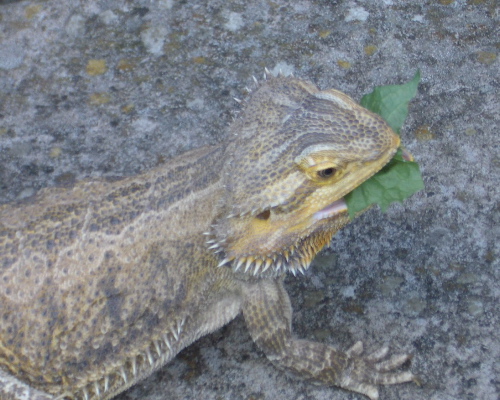
The Centers for Disease Control and Prevention (CDC) has announced two separate outbreaks of Salmonella in states across the United States, totaling 43 cases.

Through whole-genome sequencing, public health investigators have traced the outbreaks to hedgehogs (Salmonella Typhimurium) and bearded dragons (Salmonella Muenster), but no common source for either has been found yet.

Although the CDC has listed no new cases as of Sep 22 and Sep 25 for the bearded dragon– and hedgehog-related cases, respectively, it takes about 2 to 4 weeks from when the illness occurs for it to be added to the investigation numbers.

UK -FSA launches consultation into shelf-life guidance for vacuum and modified atmosphere packed chilled beef, lamb and pork

FSA

kswfoodworld

The Food Standards Agency (FSA) has today launched a formal six-week consultation with key stakeholders to inform a review of the guidance on the safety and shelf-life of vacuum and modified atmosphere packed (VP/MAP) chilled beef, lamb and pork.

Currently, the FSA guidance (Opens in a new window)advises that the maximum shelf-life of VP/MAP chilled beef, lamb and pork should be 10 days , unless suitable controls are in place to appropriately reduce associated risks.

This summer the FSA, industry and other partners signed up to a joint statement, committing to working together to review the existing guidance and consider possible changes.

For more information about the consultation and to take part, visit the FSA consultation webpage.  The consultation will close on 11 November 2020.

Research – Does Microwaving Deli Meats and Cold Cuts Make Them Safe?

Food Poisoning Bulletin

A story currently making the rounds in the food safety world is that Chrissy Teigen, who is pregnant with her third child, says that microwaving cold cuts, which are a no-no for pregnant women, makes them safe to eat. Does microwaving deli meats and cold cuts make them safe to eat?

The short answer is it depends. But not the way Ms. Teigen describes it.