Category Archives: Food Microbiology Blog

Research – An Evaluation of Food Safety Performance in Wineries

MDPI

Wine production has food safety hazards. A Hazard Analysis Critical Control Point (HACCP) system makes it possible to identify, evaluate, and control significant food safety hazards throughout the wine production process. The Prerequisites Programs (PPRs) and HACCP performance in Protected Denomination of Origin “Vinos de Madrid” wineries were analyzed. Winery performances were evaluated for every critical control point (CCPs) in each winemaking process stage, including their implementation of PPR and HACCP principles. This study was developed through a survey of 55 questions divided into 11 sections, and it was conducted on a sample of 21 wineries. The results revealed that the CCPs worst performance level are for the control of metals (Cd, Pb, As) in grapes and fungicides or pesticide control in the harvest reception. A total of 91.5% of the wineries had implemented a prerequisites program (PPRs), regardless of their annual wine production. However, there was variability in the type of prerequisite plans, training, level of knowledge of operators, and annual budget allocation. Three out of four wineries had an HACCP, although corrective action procedures and verification procedures had the lowest and the worst HACCP practical implementation. The significant barriers for HACCP performance in wineries are linked with a lack of food safety staff training, low involvement of all staff in food safety tasks, and poor application of CCP chemical and microbiologic control methods.

Research – Role of Lactic Acid Bacteria in Food Preservation and Safety

MDPI

Fermentation of various food stuffs by lactic acid bacteria is one of the oldest forms of food biopreservation. Bacterial antagonism has been recognized for over a century, but in recent years, this phenomenon has received more scientific attention, particularly in the use of various strains of lactic acid bacteria (LAB). Certain strains of LAB demonstrated antimicrobial activity against foodborne pathogens, including bacteria, yeast and filamentous fungi. Furthermore, in recent years, many authors proved that lactic acid bacteria have the ability to neutralize mycotoxin produced by the last group. Antimicrobial activity of lactic acid bacteria is mainly based on the production of metabolites such as lactic acid, organic acids, hydroperoxide and bacteriocins. In addition, some research suggests other mechanisms of antimicrobial activity of LAB against pathogens as well as their toxic metabolites. These properties are very important because of the future possibility to exchange chemical and physical methods of preservation with a biological method based on the lactic acid bacteria and their metabolites. Biopreservation is defined as the extension of shelf life and the increase in food safety by use of controlled microorganisms or their metabolites. This biological method may determine the alternative for the usage of chemical preservatives. In this study, the possibilities of the use of lactic acid bacteria against foodborne pathogens is provided. Our aim is to yield knowledge about lactic acid fermentation and the activity of lactic acid bacteria against pathogenic microorganisms. In addition, we would like to introduce actual information about health aspects associated with the consumption of fermented products, including probiotics.

Israel – The Ministry of Health’s Clarification Following the Series of Recalls of Strauss-Elite Products – Salmonella

GOV IL

Salmonella bacteria usually cause mild and short symptoms and in most cases the patient makes a full recovery within a couple of days.

Special care is required when immunosuppressed individuals and older adults are concerned.

Therefore, in otherwise healthy individuals who have consumed the products, they should seek medical attention if they experience significant side effects of the gastrointestinal system – diarrhea accompanied by bloody stool or fever. In immunosuppressed individuals and older adults, they should also seek medical attention in case of milder side effects.

The Ministry of Health wishes to clarify the sequence of events:

  • On 19.4.22 initial findings were received from the manufacturer. These findings have been received as part of routine testing and shown traces of salmonella in the manufacturing area but not in the food products sampled in the factory that have not been shipped yet. Consequently, the manufacturer has been instructed to conduct more extensive tests on the manufacturing area, the products and the raw materials.
  • On 21.4.22, during the evening hours, reports were received of non-final findings indicative of salmonella contamination in the raw material. These findings were the result of a rapid test rather than a full laboratory test that takes about 5 days. Therefore, the manufacturer was not required to issue a recall.
  • Yesterday, Sunday (24.422), in the afternoon, the manufacturer turned to the Ministry of Health with the final test results, indicative of salmonella contamination in the manufacturing area and in the raw material.
  • Following the reception of final test results from both the raw materials and the manufacturing area, the manufacturer has issued a voluntary recall in coordination with the Food Service in the Ministry of Health for all chocolate products manufactured since early February.
  • It should be noted that final test results have not been received yet for the sampled chocolate products currently sold in stores. That is to say: These recalls come as an added precaution, until final results are received for chocolate products tomorrow (27.4.22).
  • Following the recall by Strauss-Elite, additional food manufacturers that use the same raw materials as Strauss-Elite in their products are issuing additional recalls.

Furthermore, a wide array of additional products is being sampled for testing, in coordination with our Ministry.
Our Ministry has ordered the manufacturer to file a report of the investigation into the cause of this incident and to take corrective actions to prevent such incidents from reoccurring in the future.
The resumption of routine manufacturing activities will be possible after the completion of the investigation of this incident, the completion of corrective actions for the prevention of such incidents from reoccurring, the cleaning and sanitization of the manufacturing lines and following inspection and the reception of normal test results by our Ministry.
Consumer guidance is according to the recall announcements communicated in the media and in the Ministry of Health’s website.

The Ministry of Health continues to closely monitor and investigate this incident, and additional actions will be taken according to the findings of the investigation.

The Ministry of Health will continue to take all the actions at its disposal in order to maintain the products’ safety and the Israeli public’s health.

USA – Custard apple pulp recalled over Salmonella concerns

Food Safety News

Vadilal Industries USA Inc. is recalling Vadilal Quick Treat brand Custard Apple Pulp because of possible Salmonella contamination, according to a recall notice posted by the U.S. Food and Drug Administration..

The product was also recalled in New Zealand in February.

Recalled product:

Vadilal

Quick Treat

Custard Apple Pulp Net Wt, 1kg/35.27-oz. Product code FPEP44302 UPC:8901777282168 Best Before September 2023

F-0815-2022

KWHO Best before Sept 2023 KRQO Best before Sept 2023

Consumers who have purchased these products are urged not to consume them. These products should be thrown away or returned to the place of purchase.

France – Pork Cheek – Salmonella

Gov france

Identification information of the recalled product

  • Product category Food
  • Product subcategory Meats
  • Product brand name kermen
  • Model names or references pork cheek
  • Identification of products
    GTIN Batch Date
    3266110044274 21542555 Use-by date 04/05/2022
  • Products List posterappealrecalling_pork_cheek_a_simmer.pdf Enclosed
  • Packaging filmed tray
  • Marketing start/end date From 04/16/2022 to 04/21/2022
  • Storage temperature Product to be stored in the refrigerator
  • Further information product ordered from kermene packed in our workshop
  • Geographic area of ​​sale LECLERC SAPIAC
  • Distributors LECLERC SODIBAG 82000 MONTAUBAN

Practical information regarding the recall

  • Reason for recall presence of salmonella
  • Risks incurred by the consumer Other risk

Former employee blows whistle on baby formula production plant tied to outbreak – Cronobacter

EFOOD ALERT

A whistle blower document regarding product safety at a plant that manufactured infant formula linked to a deadly, ongoing outbreak provides damning information against Abbott Nutrition, the maker of Similac and other popular formulas that have been recalled in relation to the outbreak.

The document, sent to top officials at the Food and Drug Administration in October 2021, sparked outrage from U.S. Rep. Rosa DeLauro who has already demanded information from the FDA regarding the Cronobacter outbreak among babies. DeLauro, D-CT, on April 28 shared a redacted version of the whistle blower complaint and renewed her criticism of FDA and Abbott Nutrition for their slow response to the outbreak in which at least four babies have been hospitalized, with two having died.

“I am deeply concerned about the practices at this Abbott facility and their apparent failure to implement and enforce internal controls at this facility. We need to know exactly who in the company was aware of this failure and the alleged attempts to hide this information from the FDA,” DeLauro said during a meeting on the Fiscal Year 2023 Budget Request for the United States Department of Agriculture.

“I am equally concerned that the FDA reacted far too slowly to this report. The report was submitted to the FDA on October 20, 2021. The FDA did not interview the whistleblower until late December 2021. According to news reports, FDA did not inspect the plant in person until January 31, 2022, and the recall was not issued until February 17, 2022.”

Read the full story at the link above.

Kinder Chocolate Salmonella Outbreaks hits 151 – mostly children – now 1 ill in United States

Food Poison Journal

On 27 March 2022, WHO was informed by the IHR National Focal Point of the United Kingdom of Great Britain and Northern Ireland (the United Kingdom) of a widely distributed cluster of Salmonella enterica serovar Typhimurium (S. Typhimurium) with an unidentified source. Molecular typing confirmed isolation of the bacteria S. Typhimurium sequence typing (ST) 34 and epidemiological evidence has subsequently linked the outbreak to chocolate products from Belgium, which, as of 25 April 2022, have been found to be distributed to at least 113 countries and territories1 across all WHO Regions

Monophasic S. Typhimurium matching the human outbreak cases were identified in buttermilk tanks at the Ferrero Corporate plant in Arlon, Belgium in December 2021 and January 2022. After implementing hygiene measures and negative Salmonella testing, the implicated products (all Kinder products manufactured at the implicated facility (Arlon) including Kinder Surprise, Kinder Mini Eggs, Kinder Surprise Maxi 100g and Kinder Schoko-Bons) were distributed across Europe and globally.

According to the analyses of the United Kingdom Health Security Agency (UKHSA), the outbreak strain is resistant to six types of antibiotics: penicillins, aminoglycosides (streptomycin, spectinomycin, kanamycin, and gentamycin), phenicols, sulfonamides, trimethoprim, tetracyclines.

As of 25 April 2022, a total of 151 genetically related cases of S. Typhimurium suspected to be linked to the consumption of the implicated chocolate products have been reported from 11 countries (Figure 1): Belgium (26 cases), France (25 cases), Germany (10 cases), Ireland (15 cases), Luxembourg (1 case), the Netherlands (2 cases), Norway (1 case), Spain (1 case), Sweden (4 cases), the United Kingdom (65 cases) and the United States of America (1 case).

Israel – Strauss expands recall as 10-year-old hospitalised with Salmonella

Jpost

Strauss has expanded a recall announced earlier this week to all Elite, Energy, gum and toffee products after traces of salmonella were found on production lines.

An expanding crisis

All Elite chocolates, cakes and wafers, Energy cereal bars and chocolate-covered rice cakes and all Strauss chewing gum and toffees will be removed from store shelves regardless of the expiration date.

Strauss said it would reset the operations at its confectionery factory and restart operations after the issues are fixed. The company found two samples that are suspected of being salmonella from two chocolate products that were returned as part of the recall, out of 270 samples taken.

On Wednesday, a 10-year-old boy was diagnosed with salmonella after being hospitalised with severe dehydration as a result of extensive vomiting and diarrhoea.

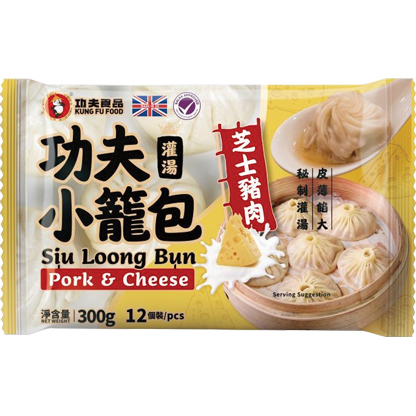
Netherlands – Safety Warning Siu Loong Bun Pork & Cheese from Kung Fu

NVWA

Amazing Oriental warns against Kung Fu’s Siu Loong Bun Pork & Cheese. An internal investigation has shown that the product contains microbacteria. Eating this product can pose a health hazard. Do not eat the product.

Siu Loong Bun Pork & Cheese

Product code: 69259
Brand: Kung Fu
Best before: 02/01/2023
Packing unit: 300g

An internal investigation has shown that the said product contains microbacteria. Consuming this product may pose a health hazard.

We would like to request that you return the mentioned product to one of the Amazing Oriental branches. You will of course receive the purchase amount back.

USA – FDA and Stop Foodborne Illness to Co-Host Third Food Safety Culture Webinar

The U.S. Food and Drug Administration and Stop Foodborne Illness, a non-profit public health organization, are announcing a third webinar in their collaborative series that explores food safety culture.

The third webinar is called “Building a Coalition of Food Safety Culture Champions Across Your Organization.” It will take place on May 18, 2022, at 12:30-1:30 p.m. ET. The webinar will feature:

  • Charlean Gmunder, Chief Operating Officer at Blue Apron
  • Dale Estep, Corporate Food Safety & Quality Assurance Manager at McKee Foods Corporation
  • Ellison Beasley, R&D Food Safety Scientist at McKee Foods Corporation

The webinar series is entitled “Collaborating on Culture in the New Era of Smarter Food Safety.” It engages experts from the public and private sectors in a collaborative exchange of ideas and experiences related to the importance of a robust food safety culture in helping to ensure safe food production.

Food safety culture is one of the core elements in FDA’s New Era of Smarter Food Safety blueprint, which states that dramatic improvements in reducing the burden of foodborne illness cannot be made without doing more to influence the beliefs, attitudes, and, most importantly, the behaviors of people and the actions of organizations.

For More Information

To Register

To learn more about this webinar series and to listen to recordings of the first two webinars, visit Collaborating on Culture in the New Era of Smarter Food Safety.