Category Archives: Food Inspections

Canada – The Farm La Granja brand Queso ranchero fresco recalled due to E. coli O157:H7

CFIA

Recall details

Ottawa, October 9, 2018 – La Granja Foods is recalling The Farm La Granja brand Queso ranchero fresco from the marketplace due to possible E. coli O157:H7 contamination. Consumers should not consume the recalled product described below.

Recalled products

Brand Name Common Name Size Code(s) on Product UPC
The Farm La Granja Queso ranchero fresco 1 lb All Best Before Dates up to and including November 15, 2018 None

Australia – Rockmelon listeria investigation finds outbreak that killed seven largely caused by dust storms – Listeria monocytogenes

ABC Net catalopue

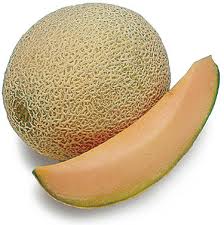
An investigation into a series of deaths linked to listeria on rockmelons has concluded the contaminated fruit came from a single farm in New South Wales, and the outbreak was largely caused by the weather.

Between January 16 and April 10, 22 cases of listeriosis occurred across New South Wales, Victoria, Queensland and Tasmania, which led to seven deaths and a miscarriage.

Key points:

  • The investigation found the farm that was the source of the outbreak had hygiene and sanitary procedures on par with or better than most rockmelon-growing operations
  • Dust storms that covered the farm’s paddocks significantly increased the amount of listeria on the fruit
  • There were other peripheral issues found in the packing facility that were not considered to be major underlying causes

A report released on Thursday by the NSW Department of Primary Industries confirmed those cases were all linked to consumption of rockmelon packed at Rombola Family Farms in Nericon, NSW.

USA – Flooding from Hurricane Michael creates food safety issues across South

Food Safety News

Strong winds and heavy rain continue to wreak havoc across parts of the South today as Hurricane Michael meanders out of Georgia and heads up the mid-Atlantic Coast.

In addition to the devastating damage that is immediately visible today, less obvious hazards in the wake of the massive storm are expected to last weeks. Food safety dangers come in various forms and can cause severe illnesses and deaths as floodwaters recede.

Among the most vulnerable foods are fresh fruits and vegetables. They are breeding grounds for pathogens when power outages cause the loss of refrigeration and temperature control. Fresh produce that comes into contact with floodwater can be instantly contaminated with a wide range of bacteria, viruses and parasites.

The toxic composition of floodwater is such a serious food safety hazard that federal law prohibits the sale, distribution or donation of any produce or other food crops from fields that are flooded. Special inspections are required before such crops can even be used for animal feed. 

USA Today

Hurricane Michael leaves behind a treacherous, dangerous landscape that will likely pose risks to human health for weeks to come, experts say.

The water itself can carry bacteria and viruses that pose a major health hazard.

Among the medical dangers are cholera, Hepatitis A and vibriosis, said Dr. Robert Glatter, an emergency room physician at Lenox Hill Hospital in New York City. Glatter said storm victims need to stay focused on staying healthy while they await recovery efforts. That may mean not rushing outside as soon as the skies clear.

“Don’t panic— try to take things one step at a time when you feel overwhelmed,” he said.

Australia – SA Health issue Listeria warning for silverside (beef)

Outbreak News Today

South Australians, particularly pregnant women, the elderly and those with weakened immune systems, are advised not to consume pre-packed sliced silverside purchased from Drakes Supermarkets following the detection of Listeria in the product.

SA Health’s Acting Executive Director of Public Health Services, Dr Chris Lease, said as yet there have been no cases of Listeria infection reported to SA Health linked to the product.

“Following detection of Listeria during routine testing, Drakes Supermarkets are working to remove any potentially affected product from supply today,” Dr Lease said.

“While we have not received notification of anyone contracting Listeria from the product, the infection can be extremely serious if it is contracted by the elderly, pregnant women or people with weakened immune systems.

South Korea – Man, 71, had hand amputated when skin started rotting 12 hours after eating sushi – Vibrio vulnificans

New England Journal of Medicine 

71-year-old man presented to the emergency department with a 2-day history of fever and excruciating pain in his left hand that had developed 12 hours after eating raw seafood. He had a history of type 2 diabetes mellitus and hypertension and was undergoing hemodialysis for end-stage renal disease. At the time of presentation, hemorrhagic bullae measuring 3.5 by 4.5 cm had developed on the palm of his left hand (Panel A), and erythematous swelling with confluent tense bullae and ecchymoses had developed on the dorsum of the hand and forearm (Panel B). Surgical intervention was performed urgently, and Vibrio vulnificus was isolated from the bullae. Postoperatively, the patient received intravenous ceftazidime and ciprofloxacin. V. vulnificus can cause skin infections after wound exposure to contaminated seawater, as well as primary septicemia through the consumption of contaminated raw or undercooked seafood. Patients with immunocompromising conditions, including chronic liver disease and cancer, are at increased risk for infection and complications. Despite treatment, the skin lesions progressed to deep necrotic ulcers, and amputation of the left forearm was performed 25 days after presentation. The patient did well after the surgery and was discharged home.

USA – Sausage Recalled Over Listeria monocyotenes concern

Food Poison Journal

Malone’s Fine Sausage Inc., a Milwaukee, Wis. establishment, is recalling approximately 26,323 pounds of ready-to-eat pork head cheese product that may be adulterated with Listeria monocytogenes, the U.S. Department of Agriculture’s Food Safety and Inspection Service (FSIS) announced today.

The ready-to-eat pork head cheese items were produced on various dates from Aug. 27, 2018 through Oct. 5, 2018.

USA – Bazzini LLC Recalls Certain Pistachio Products Because of Possible Health Risk – Salmonella

FDA Salmonella

BazziniI LLC of Allentown, PA out of an abundance of caution, is recalling4,000 pounds of Roasted and Salted Colossal Natural, Super Colossal Natural and Rams Head Natural In Shell Pistachios received from one of its suppliers because it has the potential to be contaminated with Salmonella. NO OTHER BAZZINI PISTACHIOS OR BAZZINI PRODUCTS ARE IMPACTED OR PART OF THIS RECALL. The recall is being initiated voluntarily and no illnesses have been reported to date.

Salmonella is an organism which can cause serious and sometimes fatal infections in young children, frail or elderly people, and others with weakened immune systems. Healthy persons infected with Salmonella often experience fever, diarrhea (which may be bloody), nausea, vomiting and abdominal pain. In rare circumstances, infection with Salmonella can result in the organism getting into the bloodstream and producing more severe illnesses such as arterial infections (i.e., infected aneurysms), endocarditis and arthritis.

Affected product was distributed through retail sale, direct delivery, and mail order in New York, New Jersey, Vermont, Massachusetts, Washington DC, and Virginia.

RASFF Alerts – Backdated 22/9/18 – 05/10/18 – Listeria monocytogenes – Cooked Ham – Frozen Sliced Grilled Pork – Frozen Organic Spinach Tofu Fillets – Frozen Herring – Mortadella with Pistachio

RASFF-Logo

RASFF-Listeria monocytogenes (presence /25g) in cooked ham from Belgium in Belgium

RASFF -Listeria monocytogenes (in 2 out of 5 samples /25g) in frozen sliced grilled pork from Sweden in Finland

RASFF-Listeria monocytogenes (2000; 10000 CFU/g) in frozen organic spinach tofu fillets with raw material from Turkey in Germany

RASFF-Listeria monocytogenes (<10 CFU/g) in frozen herring from Norway in the Netherlands

RASFF-Listeria monocytogenes (presence /25g) in spinach and red chard from Ireland in Ireland

RASFF-Listeria monocytogenes (90 CFU/g) in mortadella with pistachio from Italy in France

RASFF Alerts – Backdated 22/9/18 – 5/10/18 – Patulin – Apple Puree

RASFF-Logo

RASFF-patulin (31 µg/kg – ppb) in apple puree from Chile in Spain

RASFF Alerts – Backdated 22/9/18 – 05/10/18 – Salmonella – Frozen Chicken BroilerLegs – Chilled Turkey Meat Preparations – Chicken Carcases – Minced Meat – Cheese Cubes – Sesame Seeds – Minced Beef – Whitish Sesame Seeds – Chicken Products


RASFF-Logo

RASFF-Salmonella enterica ser. Infantis (1 out of 5 samples /25g) in frozen chicken broiler legs from Poland in Lithuania

RASFF-Salmonella (presence /25g) in chilled turkey meat preparations from Slovenia in Croatia

RASFF-Salmonella enterica ser. Typhimurium (present /25g) in chilled chicken carcasses used to produce mechanically separated meat from Belgium in Belgium

RASFF-Salmonella in chilled minced meat from the Netherlands, via Denmark in Sweden

RASFF-Salmonella (present /25g) in cheese cubes from the Netherlands in the Netherlands

RASFF-Salmonella enterica ser. Corvallis (in 2 out of 5 units /25g) in sesame seeds from Sudan in Greece

RASFF-Salmonella (presence /25g) in frozen minced beef from Belgium in Belgium

RASFF-Salmonella enterica ser. Kisarawe (in 1 out of 5 samples /25g) in whitish sesame seeds from Sudan in Greece

RASFF-Salmonella enterica ser. Enteritidis (presence /25g) in frozen chicken fillets from Poland in France

RASFF-Salmonella ((in 1 out of 5 samples) /25g) in hulled sesame seeds from India in Poland

RASFF-Salmonella (presence /25g) in frozen chicken meat from Poland in France

RASFF-Salmonella enterica ser. Havana (in 1 out of 5 samples /25g) in hulled sesame seeds from Nigeria, via Turkey in Germany

RASFF-Salmonella (presence /25g) in chilled chicken hamburger from Slovenia in Croatia

RASFF-Salmonella enterica ser. Infantis (in 3 out of 5 samples /25g) in frozen chicken leg quarters from Poland, via Estonia in Finland

RASFF-Salmonella enterica ser. Johannesburg (in 2 out of 5 samples /25g) in sesame seeds from Sudan in Greece.