Category Archives: Food Illness

UK – FSA Warning About Campylobacter in Chicken

Daily Telegraph imagesCAYZ5I84

The Food Standards Agency warned that around two thirds of all raw, shop-bought chicken in the UK is contaminated by campylobacter, which affects an estimated 500,000 people a year and kills around 100.

It said not enough was being done by manufacturers to prevent the spread of the bacteria and has called a “summit” meeting of food retail leaders at which it will ask them to plough more money into fighting the problem, rather than treating the current contamination levels as acceptable.

New Zealand Recall – Cheese Products Implicated in the Australian Listeria Outbreak

Ministry for Primary Industries

Jindi’ Brand Cheese  imported from Australia – includes brand names ‘Old Telegraph Road’ and ‘Top  Paddock’.

This is a precautionary recall due to an  outbreak of Listeriosis illness in Australia linked to other Jindi brand  products.

FSA – Norovirus Advice and Information

FSANorwalk_Caspid

During the current norovirus outbreak, the FSA is reminding people what they can do when preparing food to minimise the likelihood of food contamination. Tackling foodborne norovirus is one of the priorities for the Agency, as part of its Foodborne Disease Strategy. (see link above)

USA – Article – How do Pathogens get into Produce

This is a very interesting article in Food Safety News which I think would be of interest to Food Microbiologists and the Produce industry alike. the link will take you to the full article

Food Safety News

Leafy greens, lettuce, cantaloupes, mangoes and strawberries. These are just some of the foods that have sickened or even killed people when they were contaminated with foodborne pathogens such as E. coli, Listeria and Salmonella.

Amidst the confusing swirl of information about these and other produce outbreaks, the question arises: Were some of these pathogens inside the produce? Could it be — in some cases, anyway — that the plant’s roots sucked the pathogens up out of the soil and transferred them through the plant into its edible parts?

Australia – Two Dead and a Miscarriage Listeria Cheese Outbreak

Food Safety News

A Listeria monocytogenes outbreak linked to soft cheeses has sickened 18 people in Australia; two victims have died and one woman miscarried as a result of infection with the bacteria.

The outbreak began in November of 2012, at which time an 84-year-old man from Victoria and a 44-year-old Tasmanian man died as a result of their illnesses, and a New South Wales woman suffered a miscarriage.  By mid-December, 11 cases of listeriosis (Listeria infection) had been identified as part of the outbreak, and brie and camembert cheese sold under the brand names of Jindi and Wattle Valley were implicated as the source of the bacteria.

As a result, health authorities announced a recall of four types of cheeses – 1kg packages of Jindi brie, 1kg packages of Jindi camembert, 1kg  packages of Wattle Valley double brie and 1kg packages of Wattle Valley camembert – all with a best before date of December 21.

Now a further seven cases have been connected to the outbreak, health authorities announced Friday. Officials also expanded the recall to include all cheeses manufactured by the Jindi company up to and including January 6.

RASFF Alerts – Norovirus – Alfatoxin – Salmonella – Mould

RASFF – Norovirus in Oysters in France sourced in Spain

RASFF – Norovirus in Live Clams in France from Spain

RASFF – Aflatoxin in Peanuts in Slovakia sourced in China

RASFF – Salmonella in Kebab Meat in Italy sourced in Poland

RASFF – Mould in Cottage Cheese in Greece sourced in Germany


UK – Takeaway Owner Jailed for E.coli Outbreak

BBC NewsEcoli Istock

The owner of a Cardiff takeaway has been jailed for eight months following an outbreak of E. coli.

Diar Wali Ali admitted at Cardiff magistrates’ court to 23 food hygiene offences and was jailed on Monday.

In August 2011, nine customers fell ill with food poisoning after visiting the Adonis Kebab House in City Road, Roath.

The takeaway was closed for two weeks while inspections were carried out and the council was satisfied the risks had been removed.

Councillor Derek Morgan, chair of Cardiff council’s public protection committee, said people had a right to eat safe food and certain levels of hygiene.

“However, where poor hygiene practices and substandard conditions are found, we take immediate action to safeguard public health,” he said.

“I hope this case helps to show how seriously we take this commitment and demonstrate that, where appropriate, we will use the full force of the law to ensure food safety regulations are met.”

USA – Raw Milk STEC Outbreak

 Food Poisoning Journal

The Missouri Department of Health and Senior Services (DHSS) has become aware of several cases of diarrheal illness from northwest Missouri, possibly caused by Shiga-toxin producing Escherichia coli (STEC), including one confirmed as E. coli O103. These may be related to the consumption of locally-produced, raw (unpasteurized) dairy products.

DHSS recommends that any person who has signs or symptoms of STEC infection seek medical care. Health care providers should evaluate patients adequately to determine if testing for STEC infection is warranted.

Symptoms of STEC infection include severe stomach cramps, diarrhea (which is often bloody), and vomiting. If there is fever, it usually is not very high. Most patients’ symptoms improve within 5–7 days, but some patients go on to develop hemolytic uremic syndrome (HUS), usually about a week after the diarrhea starts. The classic triad of findings in HUS are acute renal damage, microangiopathic hemolytic anemia, and thrombocytopenia.

Canada – KFC – Taco Bell Lettuce – E.coli

Food Poisoning BulletinSalmonella

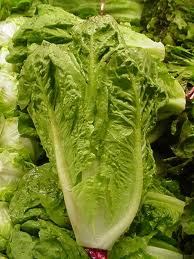
The source of an E.coli outbreak that has sickened at least 16 people in Canada was lettuce served at Taco Bell and KFC restaurants, health officials in New Brunswick have discovered.  The outbreak affected three provinces: New Brunswick, where six people became ill and Nova Scotia and Ontario which each had five cases.

“Based on the information we have collected and shared with other provinces, we believe that lettuce has been a common food source among cases,” said Dr. Eilish Cleary, New Brunswick’s chief medical officer of health. “Since lettuce has a limited shelf life, it is highly unlikely that some from the affected lots remain in restaurants.”

Australia New Advice About Listeriosis – Rising Number of Cases

NSW Food Authority

The NSW Food Authority advises those most at risk to avoid the following ready to eat foods:

  • soft cheese such as brie, blue, fetta, camembert and ricotta
  • cold chicken or turkey particularly if sliced or diced – such as used in chicken sandwiches
  • cold meats, pate and meat spreads
  • pre-prepared or packaged salads greens and salads
  • raw seafood such as oysters, sashimi, smoked salmon or oysters (canned oysters are safe)
  • sushi
  • unpasteurised dairy products including raw goat’s milk and Roquefort cheese

“Signs of listeriosis include flu-like symptoms such as fever, muscle aches, nausea and diarrhoea that can sometimes lead to septicemia, meningitis and in some cases, miscarriage in pregnant women,” Dr McAnulty said.

Investigations into listeriosis are complex as it can be difficult to identify the source. Symptoms of illness can take up to 70 days to appear.

Healthy people usually show only mild symptoms. However, in people at risk, early symptoms of listeria infection include fever, headache, tiredness and aches and pains.

Other useful links can be found at the base of the articel in the link above.