Category Archives: Food Illness

Canada – CFIA – FDA – Norovirus Outbreak

FDA 

The U.S. Food and Drug Administration, along with the Centers for Disease Control and Prevention (CDC), the Public Health Agency of Canada, the Canadian Food Inspection Agency, and state and local partners, are investigating a multi-state outbreak of Norovirus illnesses that are linked to oysters.

What is the Problem and What is being Done About It?

The U.S. Food and Drug Administration is working with federal, state, and local officials regarding a norovirus outbreak linked to raw oysters from British Columbia, Canada. The FDA has confirmed that potentially contaminated raw oysters harvested in the south and central parts of Baynes Sound, British Columbia, Canada, were distributed to CA, IL, MA, and WA. It is possible that additional states received these oysters either directly from Canada or through further distribution within the U.S.

FDA and the states are conducting a traceforward investigation to determine where the raw oysters were distributed and ensure they’re removed from the food supply. Retailers should not serve raw oysters harvested from the following harvest locations (or landfiles) within Baynes Sound: #1402060, #1411206, #1400483, and #278757.

Oysters can cause food-related illness if eaten raw, particularly in people with compromised immune systems. Food contaminated with noroviruses may look, smell, and taste normal.

CFIA

Public Health Notice — Ongoing outbreak of norovirus and gastrointestinal illnesses linked to raw oysters

April 27, 2018 – Update

This notice has been updated to include additional cases of illness associated with this outbreak. In the last week, the Public Health Agency of Canada has seen a decrease in the number of cases being reported to the outbreak investigation team which indicates the outbreak may be slowing. The outbreak investigation remains active and findings to date have identified that most people who became sick were infected after consuming oysters that were harvested in the south and central parts of Baynes Sound, British Columbia. The investigation into a specific source of contamination impacting the shellfish farms in that area is ongoing.

USA – FDA Identifies One Farm Where Some of the Romaine in E. coli O157:H7 HUS Outbreak Was Grown

Food Poisoning Bulletin Eurofins Food Testing UK

The FDA has identified one farm that grew some of the romaine lettuce linked to an E. coli O157:H7 HUS outbreak that has sickened almost 100 people in 22 states. That facility is Harrison Farms of Yuma, Arizona. Lettuce grown there sickened inmates at the Anvil Mountain Correctional Center in Nome, Alaska

Russia – Salmonella outbreak sickens 21 at St. Petersburg school

Outbreak News Today

A salmonella outbreak has sickened 21 students and staff at a St Petersburg school, according to a recent Russian Federal Service for Surveillance on Consumer Rights Protection and Human Wellbeing (Rospotrebnadzor) report (computer translated).

The outbreak, primarily affecting children 4-6 years old,  occurred at the HBDUU kindergarten № 46 Pushkin district. Twenty-one people total were infected, including 17 children. 4 kids required hospitalization for their illness.

Officials immediately started a sanitary and epidemiological investigation. A survey of the staff of the HBDU Kindergarten No. 46 was conducted. Laboratory studies of food raw materials and food products were conducted.

During the investigation, gross violations of the requirements of the legislation in the field of sanitary and epidemiological well-being were revealed.

USA – Outbreak of E. coli O157:H7 HUS Infections Linked to Romaine Lettuce Grows to 98 Sick

Food Poisoning Bulletin

Lawsuits have been filed, as the multistate outbreak of E. coli O157:H7 HUS infection linked to romaine lettuce from the Yuma, Arizona growing region has grown to include 98 sick. Three more states have reported ill persons: Mississippi, Tennessee, and Wisconsin.

E coli O 157-H7 HUS Romaine Lettuce Outbreak 42718

Canada – Updated Food Recall Warning – Certain pork products recalled due to E. coli O157:H7

CFIA

Recall details

Ottawa, April 27, 2018 – The food recall warning issued on April 26, 2018 has been updated to include additional product information. This additional information was identified during the Canadian Food Inspection Agency’s (CFIA) food safety investigation.

Industry is recalling certain pork products from the marketplace due to possible E. coli O157:H7 contamination. Consumers should not consume and distributors, retailers and food service establishments, such as hotels, restaurants and cafeterias, should not sell or use the recalled products described below.

Recalled products

Brand Name Common Name Size Code(s) on Product UPC
Rimbey Foods Ltd. Sliced Pork Belly Variable Sold from February 19 up to and including April 27, 2018 Starts with 0 200118
Fuge Fine Meat Salchicha de Huacho Sausage 630 g All Best Before dates from May 3, 2018 up to and including May 26, 2018 None
Fuge Fine Meat Maple Sage Bratwurst Sausage 630 g All Best Before dates from May 3, 2018 up to and including May 26, 2018 None
Fuge Fine Meat DD Bratwurst Sausage 630 g All Best Before dates from May 3, 2018 up to and including May 26, 2018 None

Research – Listeriosis Outbreaks Associated with Soft Cheeses, United States, 1998–2014

CDC

Abstract

Since 2006, the number of reported US listeriosis outbreaks associated with cheese made under unsanitary conditions has increased. Two-thirds were linked to Latin-style soft cheese, often affecting pregnant Hispanic women and their newborns. Adherence to pasteurization protocols and sanitation measures to avoid contamination after pasteurization can reduce future outbreaks.

Listeria monocytogenes is a widely distributed environmental bacterium that can grow at refrigeration temperatures. Infection can cause severe illness and death. Persons at higher risk for infection include older adults, persons with weakened immune systems, and pregnant women and their newborns.

Listeriosis outbreaks have been associated with refrigerated ready-to-eat foods, including hot dogs, delicatessen meats, soft cheeses, milk, and other dairy products. For soft-ripened cheeses, the risk for listeriosis per serving is estimated to be 50- to 160-fold greater for cheese made from unpasteurized milk than pasteurized milk (1). Pasteurization kills L. monocytogenes; however, milk labeled as pasteurized and dairy products made from pasteurized milk can become contaminated due to inadequate hygiene practices after pasteurization. The earliest reported listeriosis outbreak in the United States in 1985, associated with Latin-style cheese (in particular, queso fresco and cotija), resulted in 142 illnesses, 28 deaths, and 20 fetal losses (2). Although the cheese was labeled as made from pasteurized milk, raw milk was inadvertently introduced into the pasteurized milk.

A US retail survey of several soft cheeses (Latin-style, blue-veined, mold-ripened) from 2000–2001 detected L. monocytogenes in 1.3% of cheeses made from unlabeled or unpasteurized milk and 0.5% of cheeses from pasteurized milk (3). However, pasteurized-milk cheese is much more commonly consumed than cheese made from unpasteurized milk. In a survey of food exposures conducted in 10 US states during 2006–2007, respondents reported eating types of soft cheeses (15.3% for blue-veined cheese, 6%–11% for other soft cheeses; pasteurization status unknown) more frequently than they reported eating cheeses made from unpasteurized milk in the previous 7 days (1.6%) (4). We describe outbreaks linked to soft cheese (both soft-ripened and acid-coagulated–ripened cheeses), demographic characteristics of the persons affected, and possible contributing factors to help inform prevention messaging for persons at higher risk.

RASFF Alert – Foodborne Outbreak – Salmonella – Fuet Sausage – France

kswfoodworld food safety poisoning

RASFF-foodborne outbreak caused by Salmonella (4, 5, 12:i:-) in fuet sausage from Spain in France

USA – GAO asks USDA to further cut pathogens in meat, poultry

CIDRAP

Over the past several years the US Department of Agriculture (USDA) has taken important steps to establish pathogen standards for some meat and poultry, but some commonly consumed products such as turkey breasts and pork chops don’t have standards, and it’s not clear how the agency decides which products to consider for new standards, a new Government Accountability Office (GAO) report said this week.

The request for the GAO’s investigation into the pathogen standards came from members of a Senate committee. Though the US food supply is considered safe, the GAO cited a US Centers for Disease Control and Prevention (CDC) estimate that foodborne pathogens cause about 9 million illnesses each year, 2 million of them from Salmonella and Campylobacter.

Three main recommendations

To explore pathogen standards, GAO investigators analyzed regulations and documents, interviewed federal officials, and talked to several stakeholders.

The GAO made three recommendations to the USDA’s Food Safety and Inspection Service (FSIS):

  • Documenting the process for deciding which products to consider for new pathogen standards
  • Setting time frames for determining what standards or updates are needed for beef carcasses, ground beef, pork cuts, and ground pork
  • Including information on effectiveness of on-farm practices in final guidance on controlling Salmonella for hog producers.

The USDA and the Department of Health and Human Services reviewed a draft of the GAO report, and the USDA agreed with the three recommendations and described steps to address them.

USA – Update Multistate Outbreak of E. coli O157:H7 Infections Linked to Romaine Lettuce

CDC

What’s New?

  • Thirty-one more ill people from 10 states were added to this investigation since the last update on April 18, 2018.
  • Three more states have reported ill people: Colorado, Georgia, and South Dakota.
  • The most recent illness started on April 12, 2018. Illnesses that occurred in the last two to three weeks might not yet be reported because of the time between when a person becomes ill with E. coli and when the illness is reported to CDC.

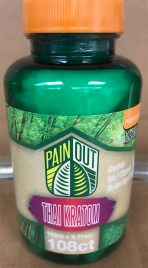
USA – Nutrizone Expands Recalls of Various Lots of Multiple Dietary Supplements to Include All Kratom Products and All Lots Because of Possible Salmonella Health Risk

FDA  kratom.jpg

NutriZone, LLC of Houston, Texas is expanding its recall of various kratom dietary supplements to all lots sold, which may contain the same source material as the original recalled lots. The expanded recall is being conducted out of an abundance of caution.

The recall of dietary supplements is due to the potential for contamination with Salmonella. Salmonella, is an organism which can cause serious and sometimes fatal infections in young children, frail or elderly people, and others with weakened immune systems.

Healthy people infected with Salmonella should monitor themselves for some or all of the following symptoms: nausea, vomiting, diarrhea or bloody diarrhea, abdominal cramping and fever. Rarely, Salmonella can result in more serious ailments, including arterial infections, endocarditis, arthritis, muscle pain, eye irritation, and urinary tract symptoms. Consumers exhibiting these signs after having contact with this product should contact their healthcare providers.

The dietary supplements are labeled and packaged as follows:

Product Name Net Quantity
(Capsules Per Container)
Lot Number Packaging
Cali Green Malay All All All
Cali Maeng Da All All All
Cali Thai All All All
Nirvanio Bali All All All
Nirvanio Green Malay All All All
Nirvanio Maeng Da All All All
Nirvanio Special Reserve All All All
Pain Out Green Malay All All All
Pain Out Maeng Da All All All
Pain Out Thai All All All