Category Archives: Food Hygiene

France – Tarama crab – E.coli

Gov france

Identifying information for the recalled product

  • Product category Food
  • Product sub-category Prepared meals and snacks
  • Product brand name Blini Workshop
  • Names of models or references Tarama crab offer of the moment
  • Product identification
    GTIN Lot Dated
    3292070009503 09214061 Use-by date 01/17/2022
  • Products List Small_store _-_ Taramas_24122021.pdf Attachment
  • Packaging180gr
  • Start date / End of marketing Since 12/24/2021
  • Storage temperature Product to be stored in the refrigerator
  • Health mark FR 14.712.042 CE
  • Geographical sales area Whole France
  • Distributors Auchan Intermarché Carrefour Leclerc

Practical information regarding the recall

  • Reason for recall Potential presence of Escherichia coli
  • Risks incurred by the consumer Escherichia coli

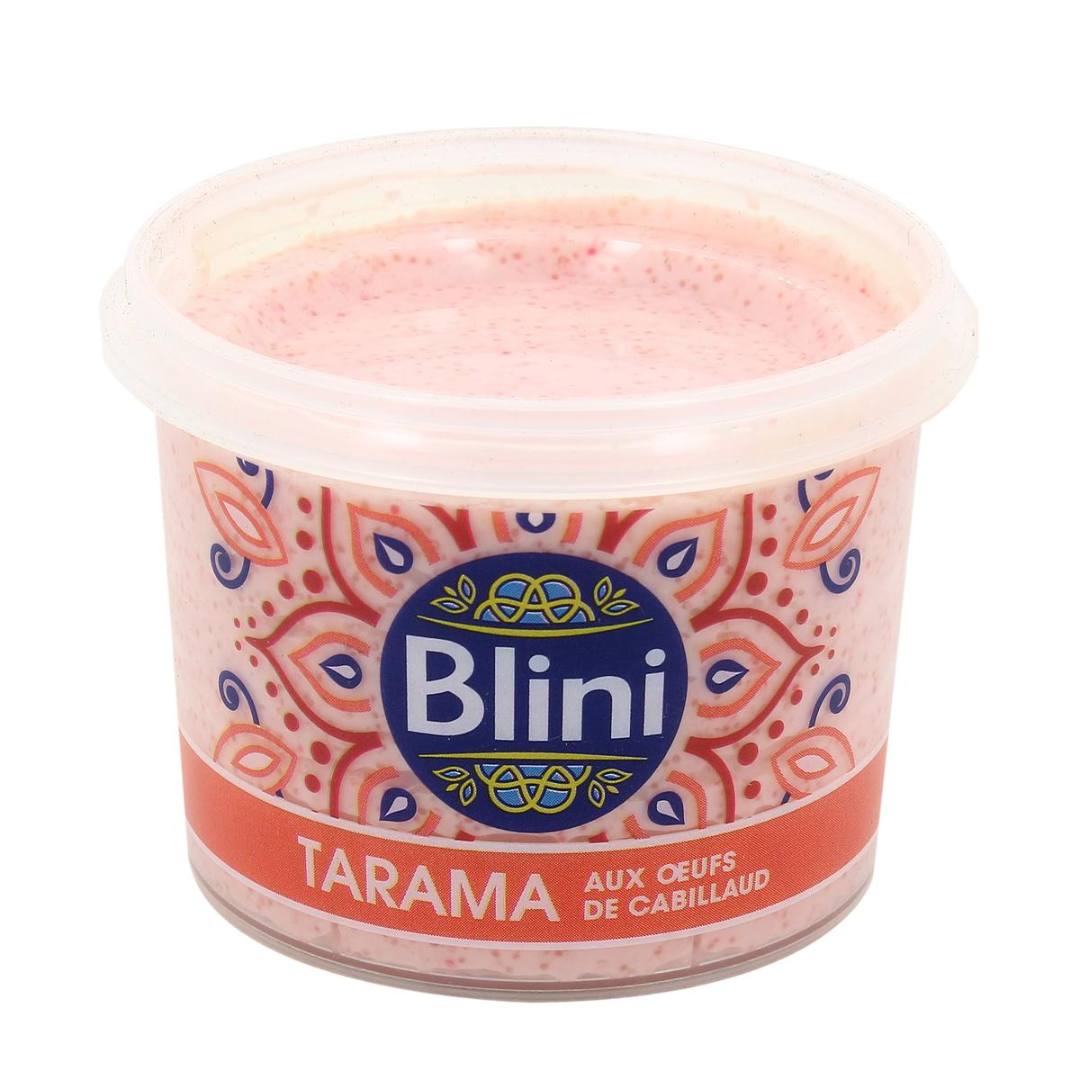
France – Tarama – E.coli

Gov france

Identifying information for the recalled product

  • Product category Food
  • Product sub-category Prepared meals and snacks
  • Product brand name Blini
  • Names of models or references Tarama
  • Product identification
    GTIN Lot Dated
    3292070000029 04214061 Use-by date 01/17/2022
  • Products List Small_store _-_ Taramas_24122021.pdf Attachment
  • Packaging100gr
  • Start date / End of marketing From 12/24/2021 to 01/17/2022
  • Storage temperature Product to be stored in the refrigerator
  • Health mark FR 14.712.042 CE
  • Geographical sales area Whole France
  • Distributors Carrefour Leclerc Intermarché

Practical information regarding the recall

  • Reason for recall Potential presence of Escherichia coli
  • Risks incurred by the consumer Escherichia coli

Denmark – Major outbreak of E. coli is probably due to spring onions in ready-to-eat cabbage salad

SSI

The Statens Serum Institut (SSI) has seen an increase in the number of registered patients due to a special Escherichia coli (EIEC) in Denmark since 23 November 2021. The investigation shows that the source of infection is probably spring onions used in ready-to-eat cabbage salads, which are sold in three different retail chains.

Last edited December 27, 2021
Since mid-December, SSI, in collaboration with the Danish Veterinary and Food Administration, the DTU Food Institute and the clinical microbiological departments at the country’s hospitals, has been investigating the disease outbreak. From 23 November to 17 December 2021, 68 infections have been registered; 43 women and 25 men aged 1-91 years, and 20 people have been admitted to the hospital. The sick live throughout the country, except for the North Jutland region.

“This disease outbreak is unusual and extensive with 68 cases in three weeks. EIEC is a bacterium that usually affects travelers who have been to countries outside of Europe. When we saw a sudden increase in EIEC infection in Denmark, we were aware that there must be infection via a food ”
Epidemiologist Luise Müller from SSI

Ready-to-eat cabbage salad with spring onions

Interviews of patients have shown that several had eaten ready-made cabbage salads, and studies of purchasing data showed that the cabbage salads were purchased in the period from 15 to 30 November. Further investigation and tracing is still underway to uncover how the salads have been contaminated with the coli bacterium. For the time being, this indicates that the pollution has occurred at a subcontractor abroad.

The salads have been sold in i.a. REMA1000, COOP and Menu stores. They have a short shelf life of six days, and therefore there is no current risk with the cabbage salads that are on the shelves now.

Infects through food

EIEC is an intestinal bacterium that, like salmonella and campylobacter, typically spreads through food. Symptoms of an EIEC infection are acute stomach infection with diarrhea, general malaise, abdominal pain, possibly nausea, vomiting, and / or fever. The infection usually goes away on its own. Severe infections can manifest as dysentery (ie stool with blood, mucus and pus, fever and affected general condition).

What should you do if you have eaten that coleslaw?

If you have not had symptoms of an EIEC infection, or if you have had symptoms that have gone away on their own, do not do anything. In case of persistent symptoms or doubts, you can contact your own doctor.

Read more

Read more about E. coli infection
Read more about the EIEC outbreak

France – Coppa sold in slices in the Coupe department – Listeria monocytogenes

Gov france

Identifying information for the recalled product

  • Product category Food
  • Product sub-category Others
  • Product brand name Unbranded
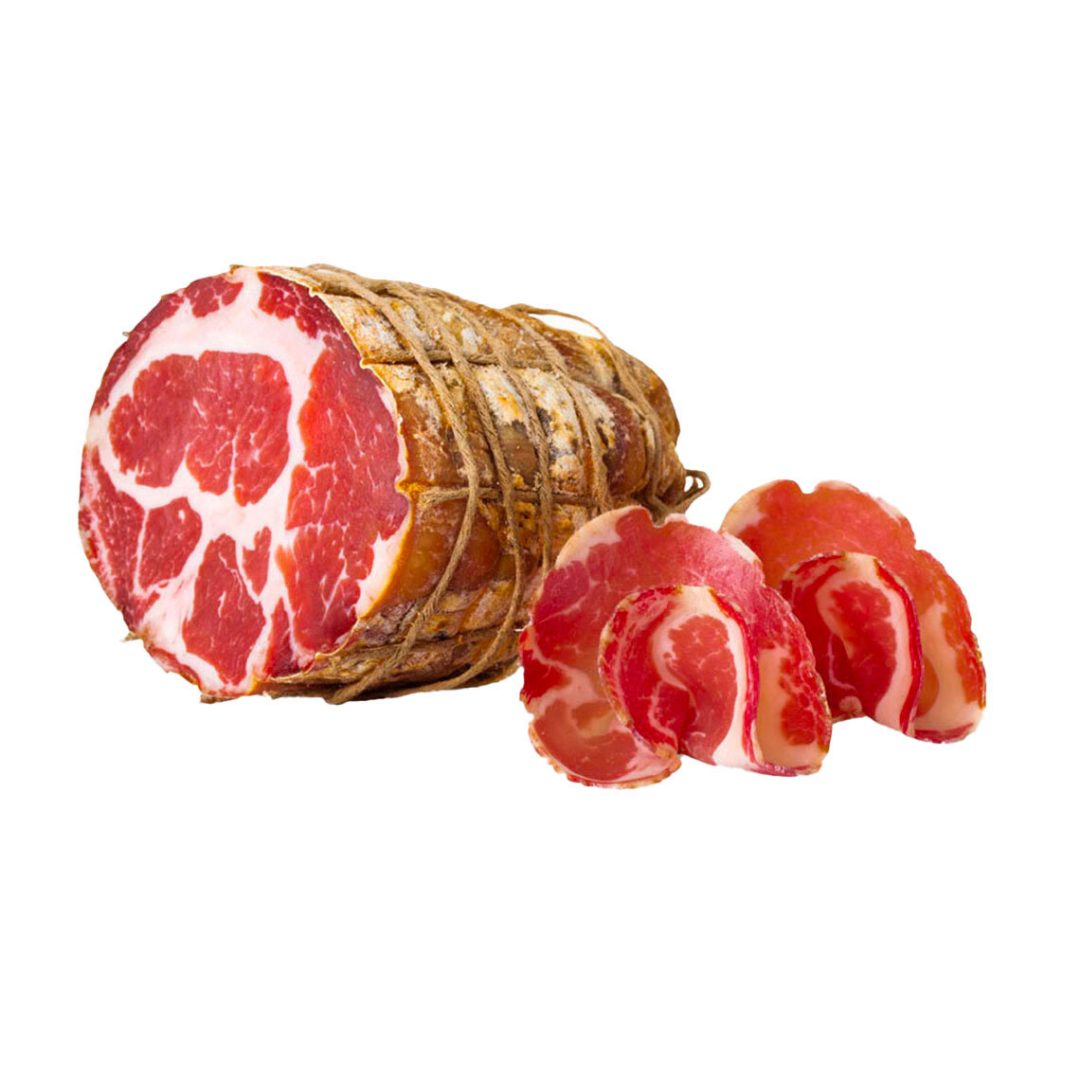
  • Names of models or references Coppa Montorsi sliced ​​on request.
  • Product identification
    GTIN Lot
    0208465000000 Coppa sold in the cold cuts section from 11/09/21 to 11/28/21
  • Packaging Sold in slices in the cut section
  • Start date / End of marketing From 11/09/2021 to 11/28/2021
  • Storage temperature Product to be stored in the refrigerator
  • Geographical sales area And Leclerc de Ribérac
  • Distributors SAS SORIDIS Center E.Leclerc

Practical information regarding the recall

  • Reason for recall Presence of Listeria monocytogenes <10 cfu / g
  • Risks incurred by the consumer Listeria monocytogenes (causative agent of listeriosis)

RASFF Alert- Pseudomonas aeruginosa – Natural Mineral Water

RASFF

Presence of Pseudomonas aeruginosa in Alcalia Natural Mineral Water from Bulgaria in Ireland and Poland

RASFF Alert – Mold/Mould – Gluten Free Bread – Strawberry Jam

RASFF

Mould in gluten-free bread from Germany in Denmark

RASFF

Mould infestation in strawberry jam from Austria in Croatia, Hungary, Germany, Italy, Romania and Russia

USA – Schoonover Farms recalls Raw Milk over E. coli concerns

Food Poison Journal

According to the Columbia Basin Herald, Odessa’s Schoonover Farms LLC on Thursday voluntarily recalled raw whole milk and cream because it might be contaminated with E. coli (Escherichia coli bacteria), according to a release from the company.

No known illnesses caused by E. coli were associated with the product as of Thursday, but routine sampling by the Washington State Department of Agriculture showed the presence of toxin-producing E. coli in retail raw cream dated Dec. 23.

So retail raw whole milk and cream with best by dates of Dec. 23 through Jan. 2 (“12-23” through “1-2”) were recalled. The product is in 8-ounce, quart, half-gallon and 1-gallon bottle containers and sold to consumers in Odessa and stores in the Spokane area.

Belgium – Oysters hollow Britain N3 12P – Norovirus

AFSCA

reminder Aquamossel Triton
Product: Oysters hollow Britain N3 12P.
Problem: possible presence of Norovirus
As a precautionary measure, Aquamossel Triton recalls hollow oysters from Brittany. During a control, the presence of Norovirus was demonstrated.

The recall covers:

Product Nature: HOLLOW OYSTERS BRITTANY N3 12P
EAN: 8717931210607
Date conditioning: 12/13/2021
Use by date: 25.12.2021

These products have been sold in Intermarché stores between December 15 and December 23.

People who hold these products are asked not to consume them and to return them to the point of sale where they will be reimbursed.
People who have consumed the “oysters of Brittany” mentioned above and who present symptoms of gastroenteritis (vomiting, diarrhea frequently accompanied by a moderate fever), are invited to consult their doctor, notifying him of this consumption. .
Immunocompromised people should pay particular attention to these symptoms, which may suggest an infection with a virus (Norovirus), responsible for gastroenteritis, the incubation period of which can be up to 48 hours.

For more information , customers can contact itmai_be_recall@mousquetaires.com

We apologize for the inconvenience,
The Management

Belgium – Small jar of cream dessert “Swiss cherry” brand Crelem Bakeries – Listeria monocytogenes

AFSCA

Crelem Recall Bakeries
Product: Small jar of cream dessert “Swiss cherry” brand Crelem Bakeries.
Problem: possible presence of Listeria monocytogenes.

In consultation with the FASFC, Crelem Bakeries is withdrawing
the Crelem Bakeries brand “cherry Swiss” dessert cream jar from sale and is reminding consumers of it because of the possible presence of Listeria monocytogenes.

Crelem Bakeries asks its customers not to consume this product and to bring it back to the point of sale.

Product Description

Product name: Swiss cream
verrine with cherries Brand: Crelem Bakeries Best before
date (BBD): from 12/23/21 to 12/29/21 inclusive
Sales period: from 12/16/21 to 12/22/21 inclusive
Packaging type: Plastic
jar Weight: 100 g

The product was sold through several supermarkets and retail stores.

For more information , please contact:

Crelem Bakeries Quality Service

E-mail: Quality@crelembakeries.be

Canada – Moncton Fish Market brand Bar Clams recalled due to potential presence of dangerous bacteria – Clostridium botulinum

CFIA

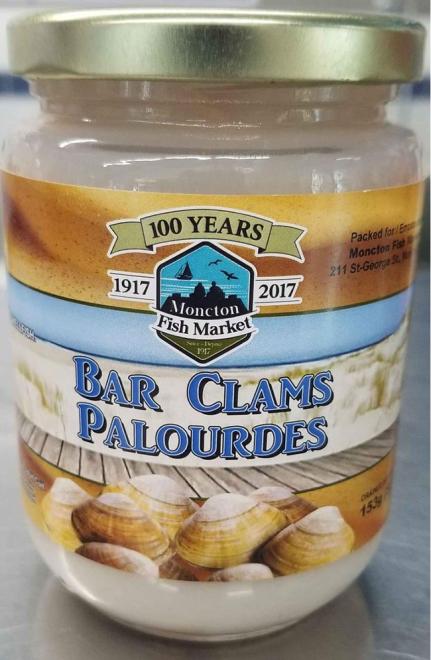
Moncton Fish Market - Bar Clams: 153 g

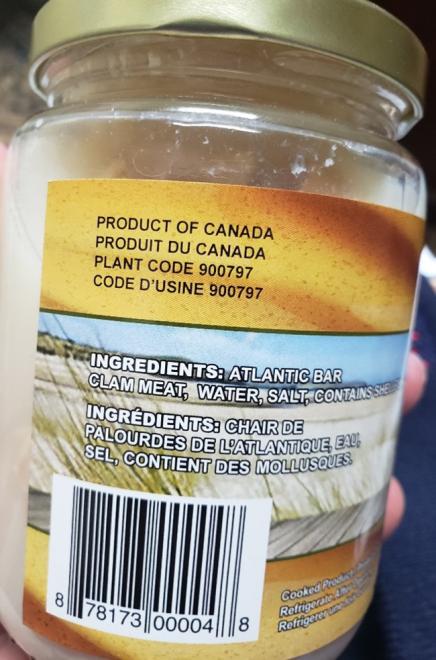
Moncton Fish Market - Bar Clams: 153 g

Product
Bar Clams
Issue
Food » Microbial Contamination » Clostridium botulinum
What to do

Do not consume the recalled product

Affected products

Brand Product Size UPC Codes
Moncton Fish Market Bar Clams 153 g 8 78173 00004 8 All jars that were sold unrefrigerated

Issue

Moncton Fish Market Ltd. is recalling Moncton Fish Market brand Bar Clams that have been sold unrefrigerated from the marketplace because the product may permit the growth of Clostridium botulinum.

The recalled product has been sold at Moncton Fish Market, Moncton, New Brunswick.

What you should do

  • If you think you became sick from consuming a recalled product, call your doctor
  • Check to see if you have the recalled product in your home
  • Do not consume the recalled product
  • Recalled products should be thrown out or returned to the location where they were purchased

Food contaminated with Clostridium botulinum toxin may not look or smell spoiled but can still make you sick. Symptoms in adults can include facial paralysis or loss of facial expression, unreactive or fixed pupils, difficulty swallowing, drooping eyelids, blurred or double vision, difficulty speaking, including slurred speech, and a change in sound of voice, including hoarseness. Symptoms of foodborne botulism in children can include difficulty swallowing, slurred speech, generalized weakness and paralysis. In all cases, botulism does not cause a fever. In severe cases of illness, people may die.