Mold in profiteroles from Belgium in the Netherlands
Mould on cheese slices from the Netherlands in Belgium
Visible mold in Indonesian Nutmeg in the Netherlands

Mold in profiteroles from Belgium in the Netherlands
Mould on cheese slices from the Netherlands in Belgium
Visible mold in Indonesian Nutmeg in the Netherlands
Bacillus cereus in humus from Serbia in Slovenia
Posted in Bacillus, Bacillus cereus, food contamination, food handler, Food Hazard, Food Hygiene, Food Inspections, Food Micro Blog, Food Microbiology, Food Microbiology Blog, Food Microbiology Testing, Food Pathogen, Food Poisoning, food recall, Food Safety, Food Safety Alert, Food Safety Management, Food Testing, Food Toxin, RASFF

| GTIN | Date | |
|---|---|---|
| 3606520507899 | Use-by date 09/28/2022 | |
| 3154271426988 | Use-by date 30/09/2022 | |
| 3154270134228 | Use-by date 09/29/2022 | |
Posted in food contamination, food handler, Food Hazard, Food Hygiene, Food Inspections, Food Micro Blog, Food Microbiology, Food Microbiology Blog, Food Microbiology Testing, Food Pathogen, food recall, Food Safety, Food Safety Alert, Food Safety Management, Food Testing, Listeria, Listeria monocytogenes

| GTIN | Batch | Date |
|---|---|---|
| 3760054099548 | 248 | Use-by date 30/09/2022 |
| 3760054098701 | 248 | Use-by date 30/09/2022 |
| 3760054092280 | 248 | Use-by date 30/09/2022 |
Posted in food contamination, food handler, Food Hazard, Food Hygiene, Food Inspections, Food Micro Blog, Food Microbiology, Food Microbiology Blog, Food Microbiology Testing, Food Pathogen, food recall, Food Safety, Food Safety Alert, Food Safety Management, Food Testing, Listeria, Listeria monocytogenes

| GTIN | Batch | Date |
|---|---|---|
| 3760054093638 | 245 IN 400G | Use-by date 09/27/2022 |
| 3760054092921 | 245 IN 400G MY GARDEN | Use-by date 09/27/2022 |
| 3760054095885 | 245 IN 2.5KG SOLEANE | Use-by date 09/27/2022 |
Posted in food contamination, food handler, Food Hazard, Food Hygiene, Food Inspections, Food Micro Blog, Food Microbiology, Food Microbiology Blog, Food Microbiology Testing, Food Pathogen, food recall, Food Safety, Food Safety Alert, Food Safety Management, Food Testing, Listeria, Listeria monocytogenes

| Batch | Date | |
|---|---|---|
| 082 | Use-by date 10/11/2022 | |
Posted in food contamination, food handler, Food Hazard, Food Hygiene, Food Inspections, Food Micro Blog, Food Microbiology, Food Microbiology Blog, Food Microbiology Testing, Food Pathogen, food recall, Food Safety, Food Safety Alert, Food Safety Management, Food Testing, Listeria, Listeria monocytogenes

| Batch | Date | |
|---|---|---|
| 0609 | Best before date 09/18/2022 | |
Posted in food contamination, food handler, Food Hazard, Food Hygiene, Food Inspections, Food Micro Blog, Food Microbiology, Food Microbiology Blog, Food Microbiology Testing, Food Pathogen, food recall, Food Safety, Food Safety Alert, Food Safety Management, Food Testing, Listeria, Listeria monocytogenes, Uncategorized
New Zealand Food Safety is advising consumers, especially those with chronic liver damage, the elderly and pregnant people to consider extra precautions if eating frozen berries to minimise the risk of Hepatitis A, says New Zealand Food Safety deputy director-general Vincent Arbuckle.
Hepatitis A is relatively rare in New Zealand, but in 2015 imported frozen berries were linked to an outbreak of the disease.
“We have recently become aware of 3 cases of Hepatitis A, all of whom regularly consume imported frozen berries and are linked through virus genotyping.
“While there is not sufficient information on a specific brand to initiate a targeted product recall, the evidence from the cases and from international experience, indicates a risk of exposure to Hepatitis A from consuming imported frozen berries.
“Given we are moving towards the summer months where more frozen berries will be consumed, we considered it appropriate to remind consumers of these simple precautions.
“This is particularly the case for vulnerable communities for whom the consequences of becoming infected with the Hepatitis A virus can be serious.”
New Zealand Food Safety is advising people to be aware of the risks and if eating frozen berries to take the following precautions during pregnancy, if they are elderly or with chronic liver damage:
New Zealand has excellent systems to minimise risk throughout the supply chain and food businesses are verified to ensure the proper precautions are being taken, Mr Arbuckle says.
“In addition, imported berries are subject to a sampling and testing regime before being released for sale.
“However, we will never be able to completely eliminate any food safety risk from food for sale. That’s why we encourage consumers to consider extra precautions at home.
“The safety of consumers is our number 1 priority, and we will continue to monitor the situation with that in mind. As part of this, we are working with frozen berry suppliers to ensure they are aware of potential risks and are actively managing the issue.
“If we identify any evidence of a wider risk we will assess and take appropriate action, including product recalls.”
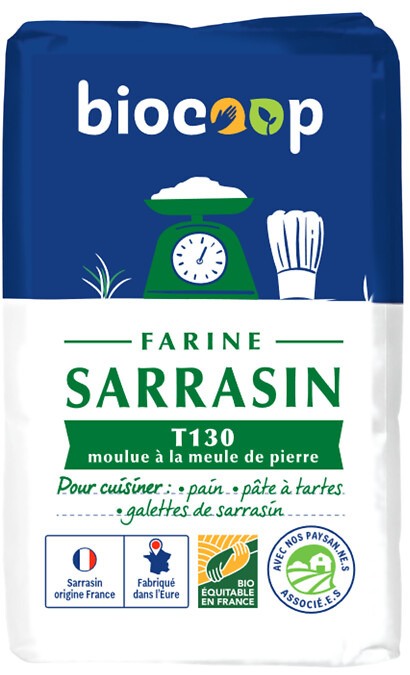
| GTIN | Batch | Date |
|---|---|---|
| 3558630113005 | 290822 FSAT130S1 – 214 | Date of minimum durability 08/29/2023 |
Posted in food contamination, food handler, Food Hazard, Food Hygiene, Food Inspections, Food Micro Blog, Food Microbiology, Food Microbiology Blog, Food Microbiology Testing, Food Poisoning, food recall, Food Safety, Food Safety Alert, Food Safety Management, Food Testing, Food Toxin, Mold Toxin, Mould Toxin, Mycotoxin, Ochratoxin, Ochratoxin A

| GTIN | Batch | Date |
|---|---|---|
| 3250390702016 | 22-250A | Use-by date 09/25/2022 |
Posted in food contamination, food handler, Food Hazard, Food Hygiene, Food Inspections, Food Micro Blog, Food Microbiology, Food Microbiology Blog, Food Microbiology Testing, Food Pathogen, food recall, Food Safety, Food Safety Alert, Food Safety Management, Food Testing, Listeria, Listeria monocytogenes


