Food Safety News 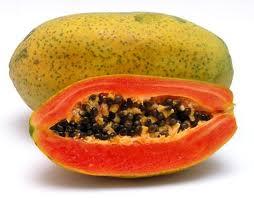
A firm that the government says has been importing contaminated papayas since at least 2011 is vehemently denying statements made in an FDA warning, despite evidence that Cavi brand papayas have been linked to several Salmonella outbreaks, including a current one.
The warning letter, sent yesterday by the Food and Drug Administration and posted for the public today, cites numerous times from 2011 through this year when papayas imported by Agroson’s LLC in the Bronx, NY, were linked to outbreaks that sickened hundreds of people.
FDA
Statement calling on all sectors of the papaya industry to improve practices to better protect consumers.
Every day Americans enjoy an abundant food supply that is among the safest in the world. The U.S. Food and Drug Administration works tirelessly to ensure that foods available to consumers, whether they are produced domestically or abroad, meet the FDA’s food safety requirements and that we are using all available tools to ensure compliance.
As demand and tastes continue to drive change in the market, consumers’ desire for a variety of products available year-round have increased the number of imported foods offered for sale in the U.S. To keep up with this trend, we have doubled down on our efforts to ensure the safety of imported food. This includes issuing a new Strategy for the Safety of Imported Food and requesting new funding from Congress to support our efforts.
While we continue to focus on shifting our work upholding food safety from response to prevention, we know that there are times where we will still need to respond to problems when they arise, including outbreaks of foodborne illness. This is especially important when we see recurrent patterns of illness associated with particular commodities. For example, fresh papayas. This commodity is most often eaten raw, without cooking or processing to eliminate microbial hazards; and therefore, the way they are grown, harvested, packed, held, processed and distributed is crucial to minimizing the risk of contamination with human pathogens.
Unfortunately, since 2011, American consumers have been exposed to eight outbreaks caused by Salmonella serotypes linked to imported, fresh papaya. And, just this June we started an investigation into an outbreak of Salmonella Uganda illnesses tied to the consumption of whole, fresh papaya imported from Mexico. While the 2019 outbreak is ongoing, the first seven outbreaks accounted for almost 500 reported cases of illness, more than 100 hospitalizations, and two deaths.
This trend has to stop. The pattern of recurrent outbreaks we have observed since 2011, including the 2019 illnesses, have involved Salmonella infections traced back to, or are suspected of being associated with, papaya grown in Mexico. The recurring nature of these outbreaks is a clear indication that more must be done within all sectors of the papaya industry to protect its customers and to meet its legal obligations. This includes growers, importers and even retailers that can and must do more.
This is why today we have issued a letter calling on all sectors of the papaya industry to take actions to prevent these outbreaks in the future. We are urging growers, packers, shippers and retailers in the papaya industry to review their operations and make all necessary changes to strengthen public health safeguards.
Our letter calls on the papaya industry to assess the factors that make their crops vulnerable to contamination. If a foodborne pathogen is identified in the crop or growing environment, a root cause analysis should be performed to determine the likely source of contamination. Procedures and practices that minimize that contamination must be implemented.
We are strongly encouraging the papaya industry to examine the use and monitoring of water used to grow, spray (pesticides, fungicides), move, rinse or wax crops to identify and minimize risks from potential hazards. All sectors of the industry should adopt tools and practices needed to enhance traceability since papayas are a perishable commodity, to more rapidly facilitate the tracking of involved product to expedite its removal from commerce, prevent additional consumer exposures, and properly focus any recall actions.
And finally, they should fund and actively engage in food safety research to identify the potential sources and routes of contamination by microbial pathogens and develop data-driven and risk-based preventive controls.
In response to this most recent Salmonella Uganda outbreak, the FDA deployed an inspection team to the packing house and farm that was linked to the contaminated papayas via traceback and epidemiological evidence. The findings of those visits will be made public when their investigation is complete. We have also increased sampling and screening of papayas at the border. In addition, the FDA is actively collaborating with our counterparts in the Mexican government regarding this current outbreak through the agency’s Latin America Office to determine ways to further our collaborative prevention efforts.
The U.S. Federal Food, Drug, and Cosmetic Act prohibits food producers from introducing, or delivering for introduction, into interstate commerce adulterated foods (meaning foods that are potentially harmful to consumers). Additionally, there are new requirements under the FDA Food Safety Modernization Act (FSMA). The Produce Safety Rule under FSMA sets science- and risk-based minimum standards for domestic and foreign farms for the safe growing, harvesting, packing and holding of covered produce, which includes papayas. Another FSMA rule, the Foreign Supplier Verification Program(FSVP) makes importers responsible for verifying that the foods they bring into the U.S., including papayas, have been produced in a manner that meets applicable U.S. safety standards.
We take our responsibility to protect public health very seriously and will continue to use all of our regulatory authorities and enforcement tools available to do so. So, today we issued a warning letter to a papaya importer, Agroson’s LLC, following an FDA investigation at the facility in conjunction with the current outbreak. This investigation uncovered significant violations of the Federal Food, Drug, and Cosmetic Act. Rest assured that the FDA will continue to strengthen safeguards and prevent contaminated papayas from being imported into the U.S. Our efforts also include education, outreach, training and research activities designed to support farmers’ efforts to keep their crops safe for consumers.
Although today’s actions focus on the papaya industry, recurring outbreaks taking place with any commodity are unacceptable from a public health perspective. We know that more must be done by industry as repeated illness outbreaks are a threat to public health. In such situations, it is incumbent upon all sectors of the industry to work together to investigate the cause, review food safety procedures and practices, and take action to prevent further outbreaks.
We must take collective steps to eliminate the threat that recurring outbreaks pose to consumers and look forward to working with the papaya industry as well as all food producers to ensure that America’s food supply remains among the safest in the world.
The FDA, an agency within the U.S. Department of Health and Human Services, protects the public health by assuring the safety, effectiveness, and security of human and veterinary drugs, vaccines and other biological products for human use, and medical devices. The agency also is responsible for the safety and security of our nation’s food supply, cosmetics, dietary supplements, products that give off electronic radiation, and for regulating tobacco products.