
KSWFoodWorld

Posted in food bourne outbreak, Food Micro Blog, Food Microbiology, Food Microbiology Blog, Food Microbiology Research, Food Microbiology Testing, Food Safety, Food Safety Alert, foodborne outbreak, foodbourne outbreak, microbial contamination, Microbiological Risk Assessment, Microbiology, Microbiology Investigations, outbreak, Research
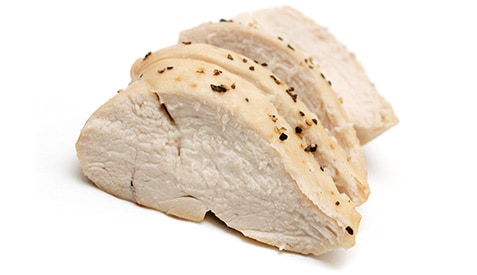
Frozen, fully cooked chicken products, such as chicken strips and diced chicken, and products made with fully cooked chicken, supplied by Tyson Foods Inc.external icon
Posted in FDA, food bourne outbreak, food contamination, food death, Food Hazard, Food Hygiene, Food Illness, Food Inspections, Food Micro Blog, Food Microbiology, Food Microbiology Research, Food Microbiology Testing, Food Pathogen, food recall, Food Safety, Food Safety Alert, Food Testing, foodborne outbreak, foodbourne outbreak, Listeria, Listeria monocytogenes, outbreak
Consumers who have recently purchased Little Hatch’s:
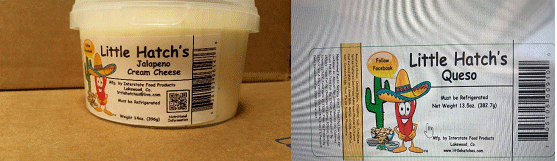
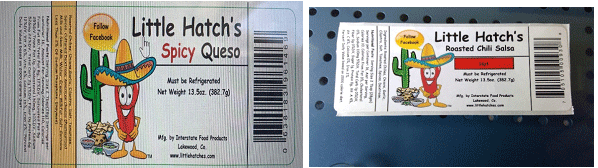
The FDA advises consumers not to purchase or eat Little Hatch’s ready to eat Jalapeno Cream Cheese Dip, Queso, Spicy Queso, Roasted Chili Salsa Medium and Roasted Chili Salsa Hot sold in 13.5 oz or 14 oz containers due to a possible Listeria monocytogenes contamination. Listeria monocytogenes is a species of disease-causing bacteria, which causes an infection called listeriosis. A listeriosis infection can have serious adverse effects for women who are or may become pregnant, the elderly, and persons with weakened immune systems.
The FDA detected Listeria monocytogenes in retail samples of Jalapeno Cream Cheese Dip, Queso and Spicy Queso and subsequently initiated an inspection at the manufacturing facility. The FDA confirmed Listeria monocytogenes in 23 of 149 samples taken from processing, packaging, and storage areas at the facility, including various food-contact surfaces.
On May 20 2021, Interstate Food Products, initiated a voluntary recall of “Little Hatch’s” brand Jalapeno Cream Cheese, Queso, and Spicy Queso products with specific sell by dates that the FDA tested and found positive for Listeria monocytogenes. On June 15, 2021, Interstate Food Products indicated to the FDA that they may need to further expand the recall to include “Little Hatch’s” brand Roasted Chili Salsa Hot after conducting their own testing and confirming additional positive Listeria monocytogenes findings.
The FDA is issuing this alert because the agency is concerned with the firm’s ongoing Listeria monocytogenes contamination. The FDA is continuing its efforts to remove Little Hatch’s product from the market.
To report a complaint or adverse event (illness or injury), you can
Visit www.fda.gov/fcic for additional consumer and industry assistance.
Posted in FDA, food bourne outbreak, food contamination, Food Hazard, Food Hygiene, Food Illness, Food Inspections, Food Micro Blog, Food Microbiology, Food Microbiology Blog, Food Microbiology Testing, Food Pathogen, food recall, Food Safety, Food Safety Alert, Food Testing, foodborne outbreak, foodbourne outbreak, Listeria, Listeria monocytogenes, outbreak
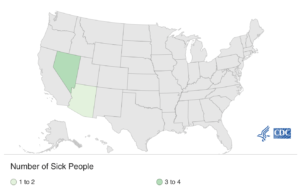 As of June 25, 2021, six people infected with the outbreak strain of Salmonella Weltevreden have been reported from two states – Arizona and Nevada (see map). Illnesses started on dates ranging from February 26, 2021, to April 25, 2021 (see timeline).
Sick people range in age from 30 to 80 years, with a median age of 56 years, and 66% are female. Of five people with information available, two have been hospitalized. No deaths have been reported.
The true number of sick people in an outbreak is likely much higher than the number reported, and the outbreak may not be limited to the states with known illnesses. This is because many people recover without medical care and are not tested for Salmonella. In addition, recent illnesses may not yet be reported as it usually takes 3 to 4 weeks to determine if a sick person is part of an outbreak.
Posted in food bourne outbreak, food contamination, Food Hazard, Food Hygiene, Food Illness, Food Inspections, Food Micro Blog, Food Microbiology, Food Microbiology Blog, Food Microbiology Testing, Food Pathogen, food recall, Food Safety, Food Safety Alert, Food Testing, foodborne outbreak, foodbourne outbreak, outbreak, Salmonella
Young children in particular have been suffering from diarrhea in Central Finland since last week. Diarrhea has been increasing in various parts of the province, and the pediatric ward of the Central Hospital of Central Finland has been filled with symptomatic children.
All the cases we know are united by the fact that the patients are children in care in kindergartens, but the children have been in care in different kindergartens, says Mia Kapanen , the leading environmental health inspector for environmental health in the Jyväskylä region.
– Food is brought to these kindergartens from somewhere else. We still don’t know if all kindergartens bring food from the same place, Mia Kapanen explains.
“But already on Thursday, it has been possible to rule out that the disease does not come from drinking or bathing water,” he continues.
– It strongly seems that the salomella bacterium has been in the food available on Friday, Kapanen states and justifies the matter with the salmonella bacterium’s germination period of a few days and the fact that children’s illnesses have been detected in the early part of the Midsummer week.
However, with 100% certainty, the origin of salmonella infection may not be clear. The bacterium may be present in food that came in different batches and the contaminated batch may not have ended up in a frozen safety sample.
Posted in food bourne outbreak, food contamination, Food Hygiene, Food Illness, Food Inspections, Food Micro Blog, Food Microbiology, Food Microbiology Blog, Food Microbiology Testing, Food Pathogen, food recall, Food Safety, Food Safety Alert, Food Testing, foodborne outbreak, foodbourne outbreak, outbreak, Salmonella
The Kharkiv Regional Center for Disease Control and Prevention has reported 89 people, including 19 children, have been hospitalized for food poisoning.
Two patients, registered on June 22, are residents of Lugansk, who were on a business trip in the city of Kharkov and ate sushi in the Yakitoria restaurant.
It is noted that according to the results of bacteriological examination of patients, 42 people, incl. two employees of the institution, the culture of the genus Salmonella is highlighted. Pathogenic staphylococcus was found in six workers, pathogenic E. coli was isolated in one, and opportunistic pathogens were isolated in six more.
Posted in E.coli, food bourne outbreak, food contamination, Food Hygiene, Food Illness, Food Micro Blog, Food Microbiology, Food Microbiology Blog, Food Microbiology Testing, Food Pathogen, Food Poisoning, food recall, Food Safety, Food Safety Alert, Food Testing, Food Toxin, foodborne outbreak, foodbourne outbreak, outbreak, Staphylococcus aureus
Listeria monocytogenes is an increasing food safety concern throughout the produce supply chain as it has been linked to produce associated outbreaks and recalls. To our knowledge, this is the first systematic literature review to investigate Listeria species and L. monocytogenes prevalence, persistence, and diversity at each stage along the supply chain. This review identified 64 articles of 4863 candidate articles obtained from four Boolean search queries in six databases. Included studies examined naturally detected/isolated Listeria species and L. monocytogenes in fresh produce-related environments, and/or from past fresh produce associated outbreaks or from produce directly. Listeria species and L. monocytogenes were detected in each stage of the fresh produce supply chain. The greatest prevalence of Listeria species was observed in natural environments and outdoor production, with prevalence generally decreasing with each progression of the supply chain (e.g., packinghouse to distribution to retail). L. monocytogenes prevalence ranged from 61.1% to not detected (0.00%) across the entire supply chain for included studies. Listeria persistence and diversity were also investigated more in natural, production, and processing environments, compared to other supply chain environments (e.g., retail). Data gaps were identified for future produce safety research, for example, in the transportation and distribution center environment.
Posted in food bourne outbreak, food contamination, Food Hazard, Food Hygiene, Food Inspections, Food Microbiology, Food Microbiology Blog, Food Microbiology Research, Food Microbiology Testing, Food Pathogen, Food Testing, foodborne outbreak, foodbourne outbreak, Listeria, Listeria monocytogenes, outbreak, Research
Poultry feed is a leading source of Salmonella infection in poultry. In Switzerland, heat-treated feed is used to reduce Salmonella incursions into flocks in conventional poultry production. By contrast, organic feed is only treated with organic acids. In 2019, the Swiss National Reference Center for Enteropathogenic Bacteria identified the rare serovar S. Jerusalem from samples of organic soya feed. Further, in July 2020, the European Union’s Rapid Alert System for Food and Feed published a notification of the detection of S. Jerusalem in soya expeller from Italy. During 2020, seven S. Jerusalem isolates from seven different poultry productions distributed over six cantons in Switzerland were reported, providing further evidence of a possible outbreak. Using whole-genome sequencing (WGS), S. Jerusalem isolates from feed and from animals in Switzerland were further characterized and compared to S. Jerusalem from organic poultry farm environments in Italy. WGS results showed that feed isolates and isolates from Swiss and Italian poultry flocks belonged to the sequence type (ST)1028, grouped in a very tight cluster, and were closely related. This outbreak highlights the risk of spreading Salmonella by feed and emphasizes the need for a heat-treatment process for feed, also in organic poultry production.
On May 12, 2021, The Washington State Department of Health (DOH) announced a multi-county outbreak of E. coli O157:H7 that began as a Public Health-Seattle & King County investigation involving several children with E. coli. The outbreak is linked to Pure Eire Dairy yogurt also sold as PCC Community Market brand yogurt.
Update 6/23/21: One new case from Arizona has been identified who was infected with the outbreak strain of E. coli O157:H7. This brings the total number of outbreak-associated cases to 17. All three of the Arizona cases are considered secondary infections.
Update 6/17/21: One new child case has been identified who was infected with the outbreak strain of E. coli O157:H7 and was hospitalized for their illness. This brings the total number of outbreak-associated cases to 16.
The two Arizona cases infected by the outbreak strain of E. coli O157 did not consume PCC or Pure Eire brand yogurt.
DOH is reporting confirmed cases infected with bacteria that have been genetically linked. Local health jurisdictions may report higher numbers for their counties that include cases still under investigation and may provide additional detail on their cases.
Case information will be updated twice a week, as new information is available.
Last updated 6/23/21 at 7:07 p.m.
| Statewide total |
Cases |
| Confirmed cases – updated 6/23/21 |
17 |
| Hospitalized – updated 6/17/21 |
10 |
| Developed hemolytic uremic syndrome (HUS) |
4 |
| Died |
0 |
Posted in E.coli, food bourne outbreak, food contamination, Food Hazard, Food Hygiene, Food Illness, Food Inspections, Food Micro Blog, Food Microbiology, Food Microbiology Blog, Food Microbiology Testing, Food Pathogen, Food Poisoning, food recall, Food Safety, Food Safety Alert, Food Testing, Food Toxin, foodborne outbreak, foodbourne outbreak, outbreak, STEC, STEC E.coli
Ever wonder why the number of illnesses in a foodborne outbreak can increase for weeks, even after the contaminated food is off the market?
A series of events happen before public health officials can report that a case of illness is linked to an outbreak. Each event takes a certain amount of time. This time is known as the “reporting lag” or “lag window” of an outbreak. It is usually 3–4 weeks. For illnesses caused by some bacteria, such as Listeria, it may be longer. Public health officials work to speed up this process when possible.
The steps below outline what typically happens from the day someone eats a contaminated food to the day their illness is linked to a multistate foodborne outbreak investigated by CDC.*
| Bacteria | Typical start of symptoms |
|---|---|
| Campylobacter | 2–5 days |
| E. coli | 3–4 days |
| Listeria | 1–4 weeks |
| Salmonella | 6 hours–6 days |
| Vibrio | 1-2 days |
Find out when some common food poisoning symptoms are severe enough to need medical attention. See the list
CDC and public health laboratories use a technology called whole genome sequencing (WGS) to generate DNA fingerprints of bacteria causing illness. When bacteria have nearly identical DNA fingerprints, we consider them “genetically closely related.” Illnesses caused by bacteria that are genetically closely related are more likely to have a common source, such as a contaminated food. An outbreak is an event in which a group of people get similar illnesses from a common source. Disease detectives investigate outbreaks to find out what is making people sick.
Find out how CDC uses WGS to detect and solve foodborne outbreaks.
*Most cases of illness, even those caused by common foodborne germs, are not linked to a foodborne outbreak. This can happen for many reasons. A major reason is that most illnesses are not part of an outbreak. Another reason is that germs that cause foodborne illness can also be spread in other ways, such as by water or directly from one person to another. Also, if an illness is diagnosed by a culture-independent diagnostic test, that case may not be linked to an outbreak because these tests do not provide the information needed to link it to an outbreak. In addition, many people do not seek medical care for foodborne illnesses, so their illnesses cannot be diagnosed or reported to public health officials.
Posted in food bourne outbreak, food contamination, food handler, Food Hazard, Food Hygiene, Food Illness, Food Inspections, Food Micro Blog, Food Microbiology, Food Microbiology Blog, Food Microbiology Research, Food Microbiology Testing, Food Pathogen, Food Poisoning, food recall, Food Safety, Food Safety Alert, Food Temperature Abuse, Food Testing, foodborne outbreak, foodbourne outbreak, outbreak, Pathogen, pathogenic, Research, Uncategorized


