Category Archives: E.coli O157

USA – Valley Meats, LLC, Recalls Ground Beef Products Due to Possible E. Coli O157:H7 Contamination

FSIS USDA

WASHINGTON, Dec. 31, 2023 – Valley Meats, LLC, a Coal Valley, Ill. establishment, is recalling approximately 6,768 pounds of raw ground beef products that may be contaminated with E. coli O157:H7, the U.S. Department of Agriculture’s Food Safety and Inspection Service (FSIS) announced today.

The raw ground beef items were produced on December 22, 2023. The following products are subject to recall [view labels]:

  • 12-lb. box package containing “ANGUS GROUND BEEF PATTIES” with product code 1208PL, Run No. 3356GRDB, date code 231222, Use By 01/15/2024, and time stamps between 7:36:38AM to 08:00:48AM.
  • 16-lb. box packages containing “ANGUS GROUND BEEF PATTIES” with the product code 1253PL, Run No. 3356GRDB, date code 231222, Use By 01/15/2024, and time stamps between 7:25:50 AM to 08:00:36AM.
  • 28-lb. box package containing “Ground Beef Patties” with product code 72287, Run No. 3356GRDB, date code 231222, Use By 01/15/2024, and time stamps between 12:44:00PM to 12:54:32PM.
  • 28-lb. box packaging containing “Ground Beef Patties” with product code 72287, Run No. 3356GRDB, date code 231222, Use By 01/15/2024, and time stamp 1:02:55PM.
  • 24-lb. box packaging containing “Ground Beef Patties” with product code 72284, Run No. 3356GRDB, date code 231222, Use By 01/15/2024, and time stamps between 1:10:09PM to 1:10:17PM.
  • 13.5-lb. box packaging containing “GROUND BEEF PATTIES” with product code 1103, Run No. 3356GRDB, date code 231222, Use By 01/15/2024, and time stamps between 1:41:55:55PM to 1:57:53PM.
  • 20-lb. box packaging containing “GROUND BEEF” with product code 8515, Run No. 3356GRDB, date code 231222, and time stamps between 1:16:24PM to 1:31:15PM.
  • 40-lb. box packaging containing “GROUND BEEF” with product code 8020VP, Run No. 3356GRDB, date code 231222, and time stamps between 1:34:54PM to 2:00:49PM.

The products subject to recall bear establishment number “EST. 5712” inside the USDA mark of inspection. These items were shipped to distributor locations in Illinois, Indiana, Iowa, and Michigan for further distribution to restaurants and other institutional users.

The problem was discovered when the establishment notified FSIS that samples of ground beef products submitted to a third-party laboratory for microbiological analysis tested positive for E. coli O157:H7. There have been no confirmed reports of adverse reactions due to consumption of these products.

Anyone concerned about an injury or illness should contact a healthcare provider. E. coli O157:H7 is a potentially deadly bacterium that can cause dehydration, bloody diarrhea and abdominal cramps 2–8 days (3–4 days, on average) after exposure the organism. While most people recover within a week, some develop a type of kidney failure called hemolytic uremic syndrome (HUS). This condition can occur among persons of any age but is most common in children under 5-years old and older adults. It is marked by easy bruising, pallor, and decreased urine output. Persons who experience these symptoms should seek emergency medical care immediately.

FSIS is concerned that some product may be in institutional or restaurant refrigerators or freezers. Restaurants and institutions are urged not to serve these products. These products should be thrown away or returned to the place of purchase.
UK – Girl, 17, fighting for life in hospital after catching deadly E-coli from a Christmas market food stall which caused her kidneys to fail and forced doctors to remove part of her bowel

Daily Mail

A girl has been left fighting for her life after she caught a deadly strain of E.coli from food bought at a Christmas market.

Antonia Hay, 17, from Buckinghamshire, has spent the past two weeks in intensive care after likely catching STEC-HUS, caused by E-coli O157.

Research – Foodborne pathogen inactivation in fruit juices utilizing commercial scale high-pressure processing: Effects of acidulants and pH

Research Gate

The effects of juice pH, type of acidulant, and post-treatment refrigeration on the high-pressure processing (HPP) inactivation of Escherichia coli O157:H7, Salmonella enterica, and Listeria monocytogenes in acid beverages were evaluated. Inoculated apple, orange, and grape juices (at their original pH and adjusted to pH 4.00, 4.50, and 5.00) were treated at 550 MPa for 1 min at 5 °C. In addition, inoculated model solutions acidified to a pH of 5.00 with acetic, citric, malic, and tartaric acids were treated at 400 MPa for 1 min at 5 °C. The effect of refrigerated storage for 24 h after treatment on pathogen inactivation in both experiments was also assessed. A greater than 5-log reduction of the three pathogens inoculated was achieved in all juices immediately after HPP at the juices’ original pH, and of L. monocytogenes under all experimental conditions. Refrigerated storage for 24 h after HPP treatment improved the inactivation of E. coli O157:H7, to >5-log reduction, at pH 4.00 in apple juice and of Salmonella in the three juices at pH 4.00. The type of acidulant did not significantly ( p > 0.01) affect E. coli or Salmonella inactivation in acidified model solutions but a greater than 5-log reduction after HPP was only achieved for L. monocytogenes when acetic acid was used. The effectiveness of HPP for pathogen inactivation depended largely on product pH and the target pathogen of concern.

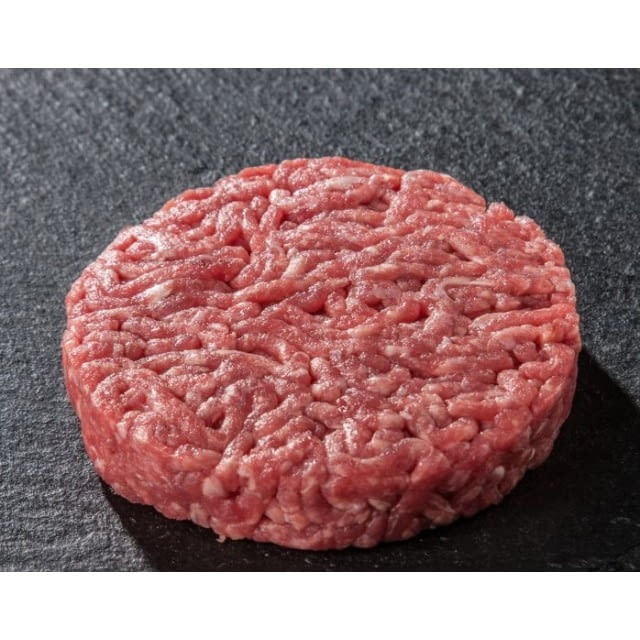
France – GROUND STEACK and other beef – STEC E.coli O157

Gov France

Product category
Food
Product subcategory
Meats
Product brand name
BUTCHERY E.LECLERC ANGLET BAB
Model names or references
Chopped steak – Lower rib – Roast sirloin steak – Entrecôte – Bavette – Steak Piece for fondue.
Product identification
GTIN Batch Date
0208280000000 Packaging date between 11/22/2023 and 12/08/2023 Use-by date 09/12/2023
0205089000000 Packaging date between 11/22/2023 and 12/08/2023 Use-by date 12/12/2023
0208315000000 Packaging date between 11/22/2023 and 12/08/2023 Use-by date 12/12/2023
0205003000000 Packaging date between 11/22/2023 and 12/08/2023 Use-by date 12/12/2023
0205007000000 Packaging date between 11/22/2023 and 12/08/2023 Use-by date 12/12/2023
0205011000000 Packaging date between 11/22/2023 and 12/08/2023 Use-by date 12/12/2023
0205009000000 Packaging date between 11/22/2023 and 12/08/2023 Use-by date 12/12/2023
0205803000000 Packaging date between 11/22/2023 and 12/08/2023 Use-by date 12/12/2023
0205783000000 Packaging date between 11/22/2023 and 12/08/2023 Use-by date 12/12/2023
0205024000000 Packaging date between 11/22/2023 and 12/08/2023 Use-by date 12/12/2023
Start/end date of marketing
From 11/22/2023 to 12/08/2023
Storage temperature
Product to keep in the refrigerator
Geographical sales area
Whole France
Distributors
E.LECLERC ANGLET BAB

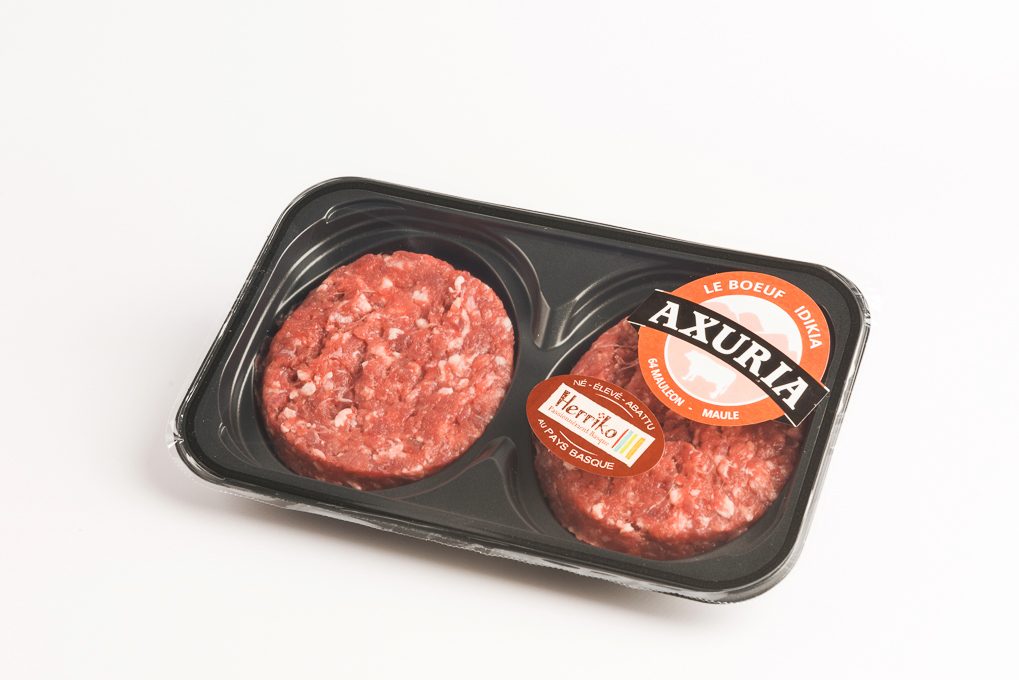
France – Ground Beef Steak – E.coli O157

Gov France

Product category
Food
Product subcategory
Meats
Product brand name
AXURIA
Model names or references
Ground Beef Beef VBF DUO 300g in protective atmosphere Ground Beef Beef VBF120gX8 (0.96kg) protective atmosphere Ground Beef Beef VBF150gX8 (1.2kg) protective atmosphere
Product identification
Batch Date
LOT 2023346A Use-by date 12/19/2023
Packaging
TRAY UNDER PROTECTIVE ATMOSPHERE
Start/end date of marketing
From 12/12/2023 to 12/12/2023
Storage temperature
Product to keep in the refrigerator
Health mark
FR 64.188.001 CE
Geographical sales area
Whole France
Distributors
No brand, individual and B2B customers

Research – Validation of a Bacteriophage Hide Application to Reduce STEC in the Lairage Area of Commercial Beef Cattle Operations

MDPI

Abstract

Finalyse, a T4 bacteriophage, is a pre-harvest intervention that utilizes a combination of bacteriophages to reduce incoming Escherichia coli O157:H7 prevalence by destroying the bacteria on the hides of harvest-ready cattle entering commercial abattoirs. The objective of this study was to evaluate the efficacy of Finalyse, as a pre-harvest intervention, on the reduction in pathogens, specifically E. coli O157:H7, on the cattle hides and lairage environment to overall reduce incoming pathogen loads. Over 5 sampling events, a total of 300 composite hide samples were taken using 25 mL pre-hydrated Buffered Peptone Water (BPW) swabs, collected before and after the hide wash intervention, throughout the beginning, middle, and end of the production day (n = 10 swabs/sampling point/timepoint). A total of 171 boot swab samples were also simultaneously taken at the end of the production day by walking from the front to the back of the pen in a pre-determined ‘Z’ pattern to monitor the pen floor environment from 3 different locations in the lairage area. The prevalence of pathogens was analyzed using the BAX® System Real-Time PCR Assay. There were no significant reductions observed for Salmonella and/or any Shiga toxin-producing E. coli (STEC) on the hides after the bacteriophage application (p > 0.05). Escherichia coli O157:H7 and O111 hide prevalence was very low throughout the study; therefore, no further analysis was conducted. However, boot swab monitoring showed a significant reduction in E. coli O157:H7, O26, and O45 in the pen floor environment (p < 0.05). While using Finalyse as a pre-harvest intervention in the lairage areas of commercial beef processing facilities, this bacteriophage failed to reduce E. coli O157:H7 on the hides of beef cattle, as prevalence was low; however, some STECs were reduced in the lairage environment, where the bacteriophage was applied. Overall, an absolute conclusion was not formed on the effectiveness of Finalyse and its ability to reduce E. coli O157:H7 on the hides of beef cattle, as prevalence on the hides was low.

Foodborne illness source attribution estimates for Salmonella, Escherichia coli O157, and Listeria monocytogenes — United States,2021

CDC

Executive Summary
Each year in the United States an estimated 9 million people get sick, 56,000 are hospitalized, and 1,300 die of foodborne disease caused by known pathogens. These estimates help highlight the scope of this public health problem. However, to develop effective prevention measures, food safety agencies and partners need to understand the types of foods contributing to the problem.

The Interagency Food Safety Analytics Collaboration (IFSAC) is a tri-agency group created by the Centers for Disease Control and Prevention (CDC), the U.S. Food and Drug Administration (FDA), and the U.S. Department of Agriculture’s Food Safety and Inspection Service (FSIS). By bringing together data from CDC, FDA, and FSIS, and by developing sound analytical methods, IFSAC scientists can improve estimates of the sources of foodborne illness.
Using outbreak surveillance data from 1998 through 2021, this report presents annual estimates of the percentages of foodborne illness attributed to 17 food categories for Salmonella, Escherichia coli O157, and Listeria monocytogenes.

Salmonella illnesses came from a wide variety of foods. More than 75% of Salmonella illnesses were attributed to seven food categories: Chicken, Fruits, Pork, Seeded Vegetables (such as tomatoes), Other Produce (such as nuts), Beef, and Turkey.

Escherichia coli (E. coli) O157 illnesses were most often linked to two categories.
Over 80% of Escherichia coli (E. coli) O157 illnesses were linked to Vegetable Row Crops (such as leafy greens) and Beef.

Listeria monocytogenes (Listeria) illnesses were most often linked to Dairy products, Vegetable Row Crops, and Fruits. More than 75% of illnesses were attributed to these three categories, but the rarity of Listeria outbreaks makes these estimates less reliable than those for other pathogens.

Attribution estimates for Campylobacter are not presented in this year’s report. Evidence suggests the sources of Campylobacter outbreaks likely differ considerably from the sources of non-outbreak-associated illnesses caused by this pathogen. IFSAC is exploring alternative approaches for estimating the sources of Campylobacter illnesses.

Japan – Elderly man, woman die after food poisoning sickens 33 at east Japan nursing facility – STEC E.coli

Mainichi

SHIZUOKA — Two people have died after dozens fell ill following the consumption of meals provided at a nursing facility in the Shizuoka Prefecture town of Nishiizu, the prefectural government announced on Nov. 15.

The meals in question included dishes such as “takikomi” rice, “tatsuta-age” deep-friend mackerel and stew containing “ganmodoki” tofu fritters. Of the 94 staff members and residents who ate the food, 33 aged 45 to 103 fell ill, complaining of symptoms such as diarrhea. A pathogenic O157 strain of E. coli bacteria was detected in the stools of 11 of those who fell ill.

Research – Safety Properties of Escherichia coli O157:H7 Specific Bacteriophages: Recent Advances for Food Safety

MDPI

Abstract

Shiga-toxin-producing Escherichia coli (STEC) is typically detected on food products mainly due to cross-contamination with faecal matter. The serotype O157:H7 has been of major public health concern due to the severity of illness caused, prevalence, and management. In the food chain, the main methods of controlling contamination by foodborne pathogens often involve the application of antimicrobial agents, which are now becoming less efficient. There is a growing need for the development of new approaches to combat these pathogens, especially those that harbour antimicrobial resistant and virulent determinants. Strategies to also limit their presence on food contact surfaces and food matrices are needed to prevent their transmission. Recent studies have revealed that bacteriophages are useful non-antibiotic options for biocontrol of E. coli O157:H7 in both animals and humans. Phage biocontrol can significantly reduce E. coli O157:H7, thereby improving food safety. However, before being certified as potential biocontrol agents, the safety of the phage candidates must be resolved to satisfy regulatory standards, particularly regarding phage resistance, antigenic properties, and toxigenic properties. In this review, we provide a general description of the main virulence elements of E. coli O157:H7 and present detailed reports that support the proposals that phages infecting E. coli O157:H7 are potential biocontrol agents. This paper also outlines the mechanism of E. coli O157:H7 resistance to phages and the safety concerns associated with the use of phages as a biocontrol.

Research – Survival of Foodborne Pathogens in Low and Nonalcoholic Craft Beer

Science Direct

Abstract

Breweries and beverage companies have recently been interested in creating innovative beer varieties that deviate from traditional beer styles, with either low-alcohol content <2.5% alcohol by volume (ABV) or the absence of alcohol altogether (<0.5% ABV). Traditional beers (up to 10% ABV) contain numerous intrinsic and extrinsic factors preventing pathogens from proliferation or propagation. Physiochemical properties such as a low pH, presence of ethanol and hop acids, limited oxygen, and specific processing techniques, including wort boiling, pasteurization, filtration, cold storage, and handling, all contribute to microbial stability and safety. The potential change or absence in one or more of these antimicrobial hurdles can render the final product susceptible to pathogen survival and growth. In this study, the effect of pH, storage temperature, and ethanol concentration on the growth or die-off of foodborne pathogens in low and nonalcoholic beers was evaluated. pH and ethanol concentrations were adjusted from their initial values of 3.65 and <0.50% ABV to pHs 4.20, 4.60, and 4.80; and 3.20 ABV, respectively. The samples were inoculated with individual five-strain cocktails of E. coli O157:H7, S. enterica, and L. monocytogenes, then stored at two different temperatures (4 and 14°C) for 63 days. Microbial enumeration was performed using selective agar with incubation at 35°C. Results showed that nonalcoholic beers allowed for pathogen growth and survival, as opposed to the low-alcoholic ones. E. coli O157:H7 and S. enterica grew approximately 2.00 log  at 14°C, but no growth was observed at 4°C. L. monocytogenes was more susceptible and fell at, or below, the detection limit rapidly in all the conditions tested. The results show that storage temperature is critical in preventing the growth of pathogens. pH did not appear to have a significant effect on the survival of pathogens (p < 0.05). This challenge study demonstrates the need for beverage manufacturers to prioritize and maintain food safety plans along with practices specific to low- and nonalcoholic beer manufacturers.