Category Archives: Contaminated water

Borneo – Alert in Brunei as Sabah reports 43 cholera cases

Borneo Bulletin 

According to the Ministry of Health (MoH), the Malaysian Ministry of Health has reported 43 cholera cases in several areas in Sabah since January 2020 until now.

Continuous monitoring by the MoH showed no cases of cholera detected in Brunei Darussalam. Cholera is an intestinal infection caused by the ‘vibrio cholera’ virus that spreads through contaminated food and water. The main symptom is diarrhoea. Other symptoms include vomiting and abdominal pain. Severe cholera infection can lead to dehydration and death, if left untreated.
Research -Evaluation of Public Health Risk for Escherichia coli O157:H7 in Cilantro

Science Direct

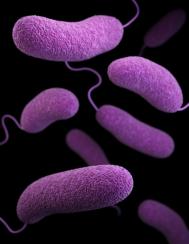
This study sought to model the growth and die-off of Escherichia coli (E. coli) O157:H7 along the cilantro supply chain from farm-to-fork to investigate its risk to public health. Contributing factors included in the model were on farm contamination from irrigation water and soil, solar radiation, harvesting, and transportation and storage times and temperatures. The developed risk model estimated the microbiological risks associated with E. coli O157:H7 in cilantro and determined parameters with the most effect on the final concentration per serving for future mitigation strategies. Results showed a similar decrease in the E. coli O157:H7 (median values) concentrations along the supply chain for cilantro grown in both winter and summer weather conditions. With an estimated 0.1% prevalence of E. coli O157:H7 contamination for cilantro post-harvest used for illustration, the model predicted the probability of illness from consuming fresh cilantro as very low with fewer than two illnesses per every one billion servings of cilantro (1.6 x 10⁻⁹; 95th percentile). Although rare, 3.7% and 1.6% of scenarios run in this model for summer and winter grown cilantro, respectively, result in over 10 cases per year in the United States. This is reflected in real life where illnesses from cilantro are seen rarely but outbreaks have occurred. Sensitivity analysis and scenario testing demonstrated that ensuring clean and high quality irrigation water and preventing temperature abuse during transportation from farm to retail, are key to reducing overall risk of illness.

Research -Effect of Silver Nanoparticles on the Morphology of Toxoplasma gondii and Salmonella braenderup

Hindawi

The study of silver nanoparticles (AgNPs) has recently increased due to the different antimicrobial properties that have been evaluated. Studies have shown that AgNPs decrease the cell viability of some parasitic species and inhibit bacterial growth and biofilm formation. Toxoplasma gondii is a parasite with different stages of development including the oocyst, and it can survive in the environment for a long time generating contamination of vegetables and water. This parasite has the ability to generate congenital toxoplasmosis and chorioretinitis in humans. Another human pathogen present in water is Salmonella braenderup, this bacterium, when consumed, causes gastroenteritis and typhoid fever. We evaluate the affectation that causes the AgNPs in oocysts of T. gondii and S. braenderup using fluorescence microscopy and scanning electron microscopy techniques. The results showed that at different ratios of AgNPs and microorganisms, as well as at different exposure time during the treatments, morphological alteration of the cell structure of oocysts of T. gondii and S. braenderup was evidenced, suggesting a potential treatment method for the inhibition of the viability of these microorganisms.

New Zealand – Research – Campylobacter Outbreak 2016

RNZ

The number of people infected in the Havelock North campylobacter crisis in 2016 was much higher than previously estimated, new research suggests.

Thousands of people were infected by drinking water from contaminated bores. Four people died and others were left permanently disabled.

joint study using gene-sequencing helped scientists discover the true scale of the outbreak.

The study suggests the campylobacteriosis case number could be as high as 8320, with up to 2230 of these living outside of Havelock North.

The Institute of Environmental Science and Research (ESR) science leader Dr Brent Gilpin said the study used DNA sequencing to link cases.

New Zealand -Vibrio parahaemolyticus infections linked to raw mussels in New Zealand

Outbreak News Today

CDC Vibrio

Image CDC

In New Zealand, officials are encouraging the public to ensure they cook raw mussels thoroughly after an increase in cases of food poisoning associated with commercially grown mussels from the Coromandel area.

“Testing is being done to confirm the type of Vibrio parahaemolyticus that has caused this illness. New Zealand Food Safety has an ongoing survey program to test mussels and growing waters to help us understand why this occurred.

“Until we have more information, New Zealand Food Safety is reminding consumers to take care when handling, preparing and consuming mussels. Our advice to consumers who are pregnant or have low immunity is to avoid eating raw shellfish,” says Paul Dansted.

Research – Washing away stubborn biofilms using fungal cleaning products

Science Daily biofilm

Lurking inside pipes and on the surfaces of indwelling medical devices, slimy layers of bacteria, called biofilms, cause problems ranging from largescale product contamination to potentially fatal chronic infections. Biofilms are notoriously difficult to eliminate — not surprising given that one of their main functions is to protect encased bacteria from threats such as predation, antibiotics, and chemical cleaning agents.

Bleach, harsh oxidizing cleaning products, and petrochemical-derived detergents called surfactants combined with scrubbing are the most effective methods of removing biofilms. However, bleach and harsh chemicals are obviously unsuitable for use in biological settings, and while surfactants are used in products such as hand soap and cosmetics, many are toxic to the environment and can damage the surfaces that they are used on.

But in a study published this month in peer-reviewed journal Langmuir, researchers from the University of Tsukuba have found a new way of tackling biofilms, using cleaning agents derived from microbes themselves.

USA -76 with Cyclospora illnesses linked to ALDI, Jewel-Osco and Hy-Vee salads in Iowa, Illinois, Kansas, Minnesota, Missouri and Nebraska

Food Poison Journal crypto

CDC, public health and regulatory officials in several states, and the U.S. Food and Drug Administration (FDA) are investigating a multistate outbreak of Cyclospora infections linked to bagged salad mix purchased at ALDI, Hy-Vee, and Jewel-Osco stores in Iowa, Illinois, Kansas, Missouri, Minnesota, and Nebraska. As of June 19, 2020, a total of 76 people with laboratory-confirmed Cyclospora infections associated with this outbreak have been reported from 6 states:  Iowa (28), Illinois (23), Kansas (1), Minnesota (10), Missouri (7) and Nebraska (7).

People with laboratory-confirmed Cyclospora infections and who reported eating bagged salad mix before getting sick have been reported from 6 states (Iowa, Illinois, Kansas, Missouri, Nebraska, and Minnesota). Illnesses started on dates ranging from May 11, 2020 to June 14, 2020. Sixteen people have been hospitalized. No deaths attributed to Cyclospora have been reported.


Research – Effect of essential oils on pathogenic and biofilm-forming Vibrio parahaemolyticus strains

Tandfonline

In this study, the effect of three essential oils (EOs) – clove oil (CO), thyme oil (TO), and garlic oil (GO), which are generally recognized as safe – on the planktonic growth, minimum inhibitory concentration (MIC), minimum bactericidal concentration (MBC), motility, biofilm formation, and quorum sensing (QS) of Vibrio parahaemolyticus was investigated. All three EOs showed bacteriostatic activity, with MICs in the range 0.02%–0.09% (v/v). CO and TO completely controlled planktonic growth at 0.28% and 0.08% (v/v), which is four times their MIC (4 × MIC), after 10 min, whereas GO completely controlled growth at 0.36% (v/v) (4 × MIC) after treatment for 20 min. V. parahaemolyticus motility was significantly reduced by all three EOs at 4 × MIC (0.28% for CO, 0.08% for TO, and 0.36% for GO), whereas QS was controlled and biofilm formation reduced by all three EOs at 8 × MIC (0.56% for CO, 0.16% for TO, and 0.72% for GO) after 30 min of treatment. These results suggest that CO, TO, and GO have a significant inhibitory effect on V. parahaemolyticus cells in biofilm sand thus represent a promising strategy for improving food safety. These results provide the evidence required to encourage further research into the practical use of the proposed EOs in food preparation processes.

Research – Escherichia coli Biofilms

Springer Link ecoli

Escherichia coli is a predominant species among facultative anaerobic bacteria of the gastrointestinal tract. Both its frequent community lifestyle and the availability of a wide array of genetic tools contributed to establish E. coli as a relevant model organism for the study of surface colonization. Several key factors, including different extracellular appendages, are implicated in E. coli surface colonization and their expression and activity are finely regulated, both in space and time, to ensure productive events leading to mature biofilm formation. This chapter will present known molecular mechanisms underlying biofilm development in both commensal and pathogenic E. coli.

Research – Transmission of Legionnaires’ Disease through Toilet Flushing

CDC CDC legionella

We describe 2 cases of healthcare-associated Legionnaires’ disease in patients in France hospitalized 5 months apart in the same room. Whole-genome sequencing analyses showed that clinical isolates from the patients and isolates from the room’s toilet clustered together. Toilet contamination by Legionella pneumophila could lead to a risk for exposure through flushing.