Category Archives: Clostridium botulinum

USA – Botulism outbreak in California linked to family events and homemade food

Food Safety News

Public health officials in California are investigating an outbreak of botulism infections related to family events on June 21 and 22 in Clovis, CA.

Staff from the California Department of Public Health and the U.S. Centers for Disease Control and Prevention are working together on the investigation.

During a news conference, Dr. Rais Vohra, Interim Health Officer for Fresno County, said the outbreak is a reminder of how important it is to follow proper guidelines for home canning. The food served at the family gatherings was prepared by family members. It can take up to 10 days for symptoms of botulism infection to appear.

 Italy – Mushrooms (Russula Delica) sliced ​​in brine – Clostridium botulinum

Salute

Brand : Lackmann Food Group

Name : Mushrooms (Russula Delica) sliced ​​in brine

Reason for reporting : Recall due to microbiological risk

Publication date : 27 June 2024

Documentation

Documentation

Catalonia – Detection of Clostridium botulinum toxin in canned mushrooms in brine

ACSA

canned mushrooms that corresponds to the alerted product

The Spanish Food Safety and Nutrition Agency (AESAN) has received, through the European Food Alert Network, an alert notification from Germany for the detection of Clostridium botulinum toxin in canned mushrooms in brine from Russia , and has communicated this to the competent authorities of the autonomous communities in order to verify the withdrawal of the affected product from the marketing channels.

The product data are:

  • Name of the product on the label: Common white russula ( Russula delica ) cut, in brine.
  • Brand Name: Tpyzah
  • Product appearance: Glass packaging
  • Barcode number:  4250370532731
  • Best before date: 20/5/2025
  • Weight: 500 g

The product has been distributed in Catalonia and other autonomous communities. So far, there is no record of anyone affected in Catalonia.

The Catalan Public Health Agency has carried out the identification and withdrawal of the product involved in those establishments specializing in the marketing of food originating in other countries that have received it.

As a precautionary measure,  people who may have this product in their homes are advised to refrain from consuming it due to the risk of serious poisoning. 

If you have consumed the affected product and present symptoms compatible with botulism (fatigue, weakness, blurred vision, vomiting, diarrhea, difficulty speaking…) it is recommended to go to a health center. 

RASFF Alert- Clostridium botulinum – Pickled Mushrooms

RASFF

Clostridium botulinum toxins in pickled mushrooms from the Russian Federation in Belgium, Czech Republic, Germany, Italy, Luxembourg, Russia, Spain, Sweden, Switzerland and United Kingdom.

USA – Snapchill LLC Recalls Canned Coffee Products Due to Potential Clostridium botulinum

FDA

Company Announcement

06/17/2024, Snapchill LLC (Snapchill) of Green Bay, WI is voluntarily recalling all canned coffee products manufactured by the company, within expiration date, because their current process could lead to the growth and production of the deadly toxin, botulinum toxin, in low acid canned foods. Botulism, a potentially fatal form of food poisoning, can cause the following symptoms: general weakness, dizziness, double-vision and trouble with speaking or swallowing. Difficulty in breathing, weakness of other muscles, abdominal distension and constipation may also be common symptoms. Symptoms can begin from six hours to two weeks after eating food that contains botulinum toxin. People experiencing these problems should seek immediate medical attention.

The products were distributed nationwide through various coffee roasters and retail locations, as well as through direct online purchase from Snapchill. The problem was identified when the U.S. Food and Drug Administration (FDA) notified Snapchill that the low acid canned foods process for manufacturing the recalled products was not filed with FDA, as is required by regulation. No illnesses have been reported to-date, and Snapchill is not aware of any instances in which the company’s products contained botulin toxin. Snapchill is working on filing the appropriate notification with FDA.

The products are sold under a range of roaster and brand names, in variety of metal can sizes ranging from 7 oz to 12 oz. The products are identifiable by the language “Produced and distributed by Snapchill LLC” underneath the nutrition facts panel. Some of the products can also be identified by the text “Snapchill Coffee” on the label. The specific products subject to this voluntary recall are listed at the end of this notice.

This voluntary recall is being made with the knowledge of FDA.

Consumers should either destroy the products or return the product to Snapchill or the place of purchase for a refund. Snapchill will offer full refunds for any of these products, with appropriate proof of purchase including a picture of the product(s) before being destroyed. Full information about the return and refund will be available at Compliance@Snapchill.com.

Consumers with questions may contact the company any time by email at Compliance@snapchill.com, or by phone, Monday through Friday between 8:00am and 4:00pm Central Time, at (920) 632-6018.

The specific products subject to this voluntary recall are as follows (listed in alphabetical order):

Product List


Company Contact Information

Russia – Over 120 people hospitalized, 30 in ICU, with suspected botulism in Moscow; criminal probe launched

CBS News

A suspected outbreak of a rare and extremely dangerous food poisoning in Moscow left more than 120 people seeking medical help and at least 30 in intensive care, health officials said on Monday.

The patients were admitted to hospital with suspected foodborne botulism, a life-threatening condition that attacks the nervous system and can cause respiratory failure and paralysis.

Russian authorities said the toxic outbreak came from salads distributed by a popular online delivery service, which on Sunday temporarily suspended its operations amid a criminal investigation.

“In total 121 people sought medical help,” state news agencies quoted Anastasia Rakova, the deputy mayor of Moscow, as saying on Monday.

“At the moment 55 people are in a serious condition, 30 of them in intensive care,” she added.

The city’s consumer and health watchdog, Rospotrebnadzor, said on Saturday it was conducting an “epidemiological investigation into suspected cases of botulism.”

Saudi anti-corruption agency finds hidden, destroyed evidence in food poisoning cases

Alarabiya

Initial investigations into the recent cases of food poisoning reported in Riyadh found that several attempts had been made to conceal or destroy evidence, Saudi Arabia’s Oversight and Anti-Corruption Authority (Nazaha) said in a statement on Thursday.

The investigation suggested potential collusion by a small number of food inspectors who prioritized personal gain over public health and safety, the statement added.

RASFF Alert- Clostridium botulinum – Chilled Soup

RASFF

Clostridia producing botulinum toxin in chilled soup with emmer and vegetables from Italy in Malta

Saudi Arabia – Botulism outbreak traced to mayonnaise at Riyadh restaurant

Arab News

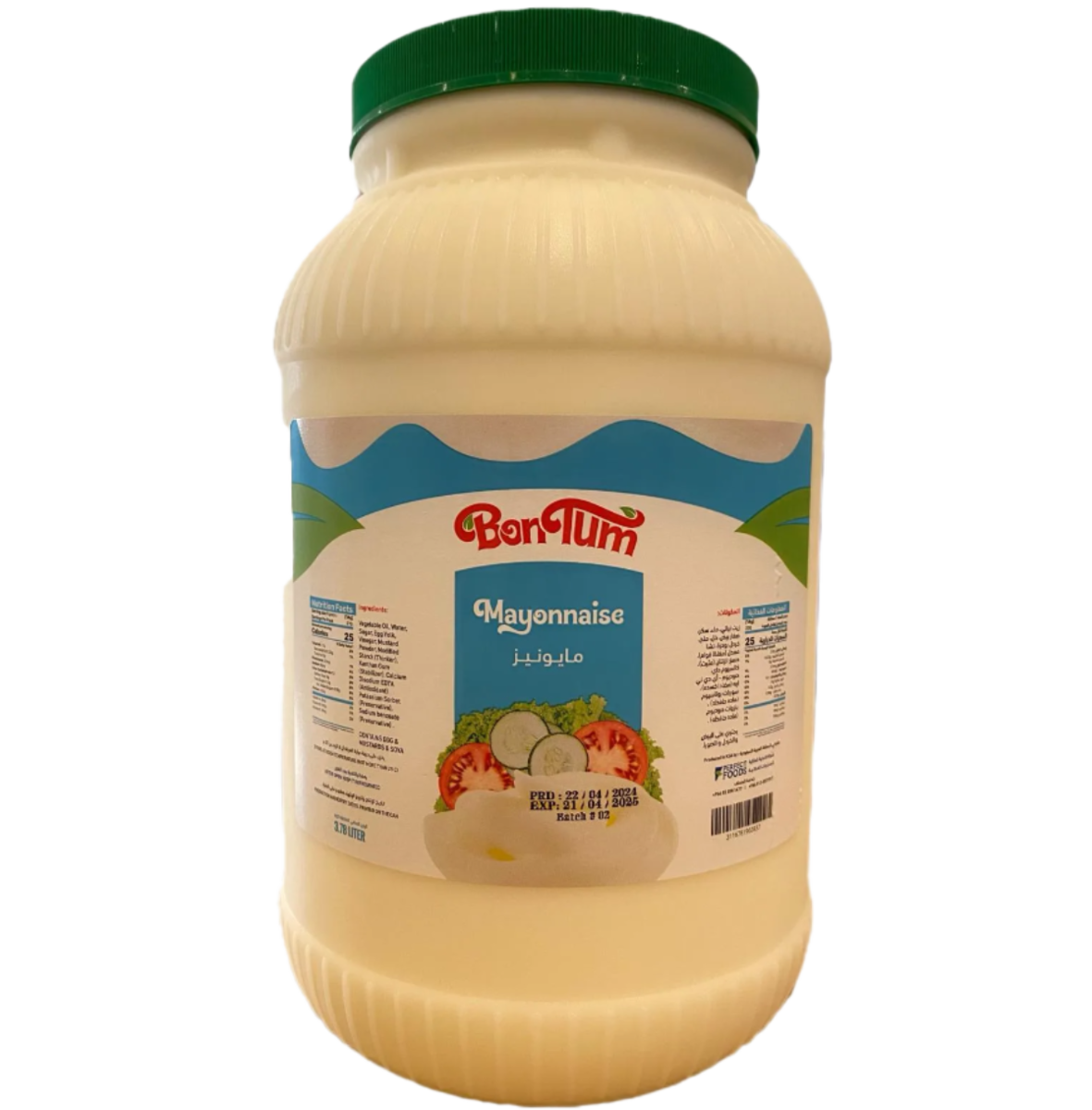
RIYADH: The Ministry of Municipal, Rural Affairs and Housing announced on Saturday that a Saudi Food and Drug Authority laboratory test had found clostridium botulinum in a Bon Tum mayonnaise brand used by the Hamburgini food chain.

Since the bacterium was discovered in a Bon Tum factory, the ministry has collaborated with the SFDA and other authorities to enforce additional measures beyond those previously implemented.

These measures include suspending the distribution of the mayonnaise product and withdrawing it from markets and food facilities across all cities in the Kingdom. They also include halting operations at the factory in preparation for implementing statutory procedures.

Research – Exploring Propolis as a Sustainable Bio-Preservative Agent to Control Foodborne Pathogens in Vacuum-Packed Cooked Ham

MDPI

Abstract

The search for natural food additives makes propolis an exciting alternative due to its known antimicrobial activity. This work aims to investigate propolis’ behaviour as a nitrite substitute ingredient in cooked ham (a ready-to-eat product) when confronted with pathogenic microorganisms of food interest. The microbial evolution of Listeria monocytogenesStaphylococcus aureusBacillus cereus, and Clostridium sporogenes inoculated at known doses was examined in different batches of cooked ham. The design of a challenge test according to their shelf life (45 days), pH values, and water activity allowed the determination of the mesophilic aerobic flora, psychotropic, and acid lactic bacteria viability. The test was completed with an organoleptic analysis of the samples, considering possible alterations in colour and texture. The cooked ham formulation containing propolis instead of nitrites limited the potential growth (δ < 0.5 log10) of all the inoculated microorganisms until day 45, except for L. monocytogenes, which in turn exhibited a bacteriostatic effect between day 7 and 30 of the storage time. The sensory analysis revealed the consumer’s acceptance of cooked ham batches including propolis as a natural additive. These findings suggest the functionality of propolis as a promising alternative to artificial preservatives for ensuring food safety and reducing the proliferation risk of foodborne pathogens in ready-to-eat products.