Category Archives: CDC

USA – Outbreak Investigation of Cyclospora: Bagged Salads (June 2020) CDC announces the end of the outbreak; FDA continues its investigation.

CDC

Investigation Update

September 25, 2020

As of September 25, 2020, CDC has announced this outbreak is over. FDA’s traceback investigation is complete, however the cause or source of the outbreak has not been determined. FDA’s investigation is continuing, in consultation with the state agriculture and regional water board.

FDA investigated multiple farms identified in the traceback, one of which led to sampling and investigation around a farm in south Florida. FDA continues to work with the state of Florida and the local water district to try to determine the source and impact of Cyclospora that was found in the regional water management canal (C-23), located west of Port St. Lucie, Florida. Given the emerging nature of genetic typing methodologies for this parasite in foods and in environmental samples, the FDA has been unable to determine if the Cyclospora detected in the canal is a genetic match to the clinical cases, therefore, there is currently not enough evidence to conclusively determine the source of this outbreak. However, the presence of Cyclospora in a canal that had previously supplied irrigation water in the region, and specifically to a farm identified in the traceback, suggests the need for a collaborative effort by state, federal and industry partners to better define the scope of the contamination and identify appropriate risk mitigation measures.

Previous Updates

USA – Outbreak of Salmonella Newport Infections Linked to Onions

CDC

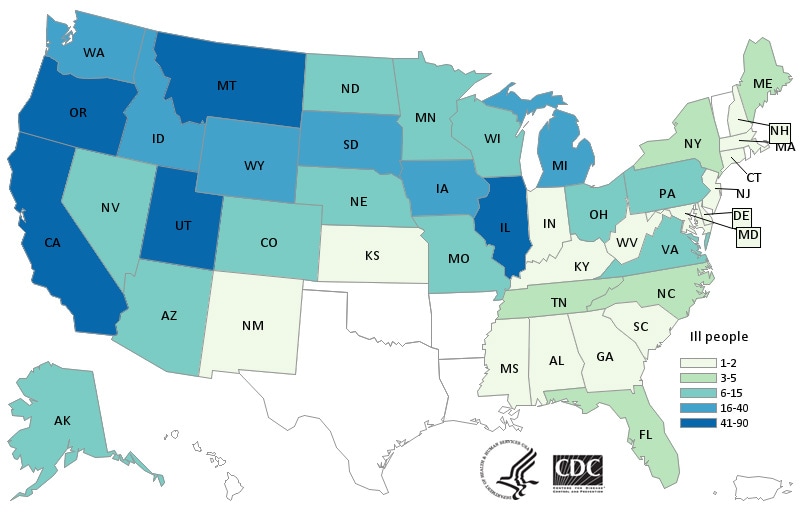
Graphic of the U.S. map with persons infected by state of residence as of August 6, 2020.

Recall and Advice to Consumers, Restaurants, and Retailers
Illustration of a clipboard with check marks on it.
At A Glance
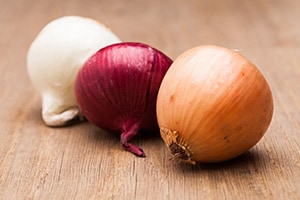
Various onions on a wooden table.

Do not eat, serve, or sell recalledexternal icon onions from Thomson International, Inc., or food made with these onions. Onion types include red, white, yellow, and sweet yellow varieties. Other companies have also issued recalls of foods, like chicken salads, made with recalled onions.

  • At home, check your refrigerator and kitchen for recalled onions or foods made with them, such as salads, wraps, tacos, sandwiches, etc.
    • Check the package or look for a sticker on the onion to see if it is from Thomson International, Inc., or one of the brand names below. If it is, don’t eat it. Throw it away.
      • Other brand names that may be on labels include: Thomson Premium, TLC Thomson International, Tender Loving Care, El Competitor, Hartley’s Best, Onions 52, Majestic, Imperial Fresh, Kroger, Utah Onions, and Food Lion.
      • See the recall noticeexternal icon to check for further details and pictures of the products.
    • Some foods made with recalled onions, such as deli salads and vegetable mixes, have also been recalled. Check your homes for the recalled products listed below.
    • If you can’t tell where your onions are from, don’t eat them. Throw them away.
    • If you used onions to make any other food and don’t know where the onions were from, don’t eat the food. Throw it away, even if some of it was eaten and no one got sick.
    • Wash and sanitize any surfaces that may have come in contact with onions or their packaging, such as countertops, storage bins, refrigerator drawers, knives, and cutting boards.
  • When you order food from a restaurant or shop for food, check with the restaurant or grocery store to make sure they are not serving or selling recalled onions from Thomson International, Inc., or any foods prepared with recalled onions, including foods such as salads, sandwiches, tacos, salsas, and dips.
    • If they don’t know where their onions are from, don’t buy the product.
    • People sickened in this outbreak reported eating onions in freshly prepared foods, including salads, sandwiches, tacos, salsas, and dips.

Advice to Restaurants, Retailers, and Suppliers

  • Restaurants and retailers should not serve or sell recalled onions from Thomson International, Inc., or food prepared with these onions.
    • If you don’t know where your onions are from, don’t serve or sell them.
    • Clean and sanitize all surfaces that onions have come in contact with, including cutting boards, countertops, slicers, utensils, and storage bins.
  • Suppliers, distributors, and others in the supply chain should not ship or sell recalled onions from Thomson International, Inc.
    • Suppliers and distributors that repackage raw onions should clean and sanitize any surfaces and storage bins that may have come in contact with recalled onions.

Recalls

  • On August 1, 2020, Thomson International, Inc., voluntarily recalled red, yellow, white, and sweet yellow onions because they may be contaminated with Salmonella.
    • Onions were distributed to wholesalers, restaurants, and retail stores in all 50 states and the District of Columbia.
    • Onions were distributed in bulk cartons and mesh sacks ranging from 2 to 50 pounds under these brand names: Thomson Premium, TLC Thomson International, Tender Loving Care, El Competitor, Hartley’s Best, Onions 52, Majestic, Imperial Fresh, Kroger, Utah Onions, and Food Lion.
    • See the recall noticeexternal icon to check for universal product codes (UPC) and pictures of the products.
  • On August 1, Giant Eagle recalledexternal icon onions and foods made with recalled onions sold in stores across Pennsylvania, Ohio, West Virginia, Indiana and Maryland.
  • On August 1, Publix recalled onions sold in bulk at stores in Alabama, Georgia, North Carolina, South Carolina, Tennessee, and Virginia.
  • On August 5, 2020, the United States Department of Agriculture’s Food Safety and Inspection Service (USDA-FSIS) issued a public health alertexternal icon for products made with recalled onions. Check the alert for product details and pictures. USDA-FSIS will update the public health alert as more information becomes available.
  • On August 6, 2020, Taylor Farms issued a recallexternal icon of foods that were made from recalled onions.
  • There may be additional recalls related to this outbreak. Please refer to the FSISexternal icon and FDAexternal icon websites for the latest recall information.

Take these steps if you have symptoms of a Salmonella infection:

  • Talk to your healthcare provider.
  • Write down what you ate in the week before you started to get sick.
  • Report your illness to your local health department.
    • The health department will likely call you for an interview to ask you about foods you ate in the week before you got sick.
  • Assist public health investigators by answering their questions when they contact you.
Symptoms of Salmonella Infection
Illustration of a person with stomach pain.
  • Most people infected with Salmonella develop diarrhea, fever, and stomach cramps 6 hours to 6 days after being exposed to the bacteria.
  • The illness usually lasts 4 to 7 days, and most people recover without treatment.
  • In some people, the illness may be so severe that the patient needs to be hospitalized. Salmonella infection may spread from the intestines to the bloodstream and then to other places in the body.
  • Children younger than 5 years, adults 65 years and older, and people with weakened immune systems are more likely to have a severe illness.
  • For more information, see Symptoms of Salmonella Infection.
Latest Outbreak Information
Illustration of a megaphone.
  • Since the last case count update on July 31, 2020, an additional 244 ill people have been reported in this outbreak, including 15 from 10 new states: Alabama, Connecticut, Delaware, Georgia, Massachusetts, Mississippi, New Hampshire, New Jersey, New Mexico, West Virginia.
  • On August 1, Giant Eagle recalledexternal icon produce and prepared foods sold in stores across Pennsylvania, Ohio, West Virginia, Indiana and Maryland.
  • On August 1, Publix recalled onions sold in bulk at stores in Alabama, Georgia, North Carolina, South Carolina, Tennessee, and Virginia.
  • On August 5, 2020, the United States Department of Agriculture’s Food Safety and Inspection Service (USDA-FSIS) issued a public health alertexternal icon for products made with recalled onions. Check the alert for product details and pictures. USDA-FSIS will update the public health alert as more information becomes available.
  • On August 6, 2020, Taylor Farms issued a recallexternal icon of foods that were made from recalled onions.
  • A total of 640 people infected with the outbreak strain of Salmonella Newport have been reported from 43 states.
    • 85 hospitalizations have been reported. No deaths have been reported.
  • Epidemiologic and traceback information showed that red onions are a likely source of this outbreak.
  • This investigation is ongoing. CDC will provide more information as it becomes available.
Investigation Details

August 7, 2020

As of August 6, 2020, a total of 640 people infected with the outbreak strain of Salmonella Newport have been reported from 43 states. A list of the states and the number of cases in each can be found on the Map of Reported Cases page.

Illnesses started on dates ranging from June 19, 2020, to July 23, 2020. Ill people range in age from less than 1 to 102 years, with a median age of 39. Fifty-four percent of ill people are female. Of 343 ill people with information available, 85 hospitalizations have been reported. No deaths have been reported.

Illnesses might not yet be reported due to the time it takes between when a person becomes ill and when the illness is reported. This takes an average of 2 to 4 weeks. Please see the Timeline for Reporting Cases of Salmonella Infection for more details.

Whole genome sequencing analysis of 48 isolates from ill people did not predict any antibiotic resistance. Standard antibiotic susceptibility testing by CDC’s National Antimicrobial Resistance Monitoring System (NARMS) laboratory is underway.

Whole genome sequencing analysis shows that an outbreak of Salmonella Newport infections in Canada is related genetically to this outbreak in the United States. This means that people in both of these outbreaks are likely to share a common source of infection.

Investigation of the Outbreak

On July 10, 2020, CDC’s PulseNet identified an outbreak of 13 Salmonella Newport infections in three states. Since being identified, the outbreak has rapidly grown to a total of 640 infections in 43 states.

State and local public health officials are interviewing ill people to determine what they ate and other exposures in the week before their illness started.

Many ill people were identified as part of illness clusters. An illness cluster is defined as two or more people who do not live in the same household who report eating at the same restaurant location, attending a common event, or shopping at the same location of a grocery store in the week before becoming ill. Investigating illness clusters can provide critical clues about the source of an outbreak. If several unrelated ill people ate or shopped at the same location of a restaurant or store within several days of each other, it suggests that the contaminated food item was served or sold there. Twenty-five illness clusters have been identified in nine states. Information from these clusters shows that many ill people ate red onions. The traceback information collected from these illness clusters identified Thomson International, Inc., of Bakersfield, Calif., as a likely source of red onions. Due to the way onions are grown and harvested, other onion types, such as, white, yellow, or sweet yellow, may also be contaminated. Additional traceback is ongoing to determine if other onions are linked to the outbreak.

Public Health Agency of Canada (PHAC) is investigating an outbreak of Salmonella Newport infections in Canada that is related by whole genome sequencing to the U.S. outbreak. On July 30, PHAC’s outbreak investigationexternal icon identified U.S. red onions as a likely source of its outbreak.

On August 1, 2020, Thomson International, Inc., voluntarily recalledexternal icon red, yellow, white, and sweet yellow onions because they may be contaminated with Salmonella.

On August 1, Giant Eagle recalledexternal icon onions and foods made with recalled onions sold in stores across Pennsylvania, Ohio, West Virginia, Indiana and Maryland.

On August 1, Publix recalled onions sold in bulk at stores in Alabama, Georgia, North Carolina, South Carolina, Tennessee, and Virginia.

On August 5, 2020, the United States Department of Agriculture’s Food Safety and Inspection Service (USDA-FSIS) issued a public health alertexternal icon for products made with recalled onions. Check the alert for product details.

On August 6, 2020, Taylor Farms issued a recallexternal icon of foods that were made from recalled onions.

Consumers, restaurants, and retailers should not eat, serve, or sell recalled onions from Thomson International, Inc., of Bakersfield, California, or other foods made with recalled onions.

CDC will provide updates when more information is available.

USA – CDC Closes Atlanta Buildings After Finding Legionella

Outbreak News Today

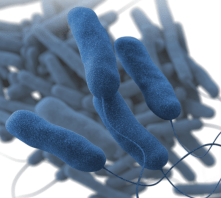
CDC legionella

Image CDC

The CDC closed several buildings it leases in Atlanta after finding legionella bacteria in the plumbing. “During the recent closures at our leased space in Atlanta, working through the General Services Administration (GSA), CDC directed the landlord to take protective actions,” CDC told CNN.

“Despite their best efforts, CDC has been notified that Legionella, which can cause Legionnaires’ Disease, is present in a cooling tower as well as in some water sources in the buildings. Out of an abundance of caution, we have closed these buildings until successful remediation is complete.”

USA – Outbreak of Salmonella Newport Infections Linked to Red Onions

CDC

Advice to Consumers, Restaurants, and Retailers
Illustration of a clipboard with check marks on it.
At A Glance
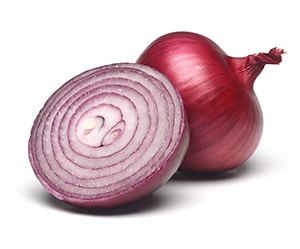
Photo of red onions.

Do not eat, serve, or sell any onions from Thomson International Inc. or products made with these onions. Onion types include red, white, yellow, and sweet varieties.

  • At home, check your refrigerator and kitchen for any of these onions or fresh foods made with them.
    • Check the package or look for a sticker on an onion to see if it is from Thomson International, Inc. If it is, don’t eat it. Throw it away.
    • If you can’t tell where your onions are from, don’t eat them. Throw them away.
    • If you made any foods with onions and you don’t know where they are from, do not eat them. Throw them away, even if no one got sick.
    • Wash and sanitize any surfaces that may have come in contact with onions or their packaging, such as countertops, refrigerator drawers, knives, and cutting boards.
  • When you eat out or shop for food, check with restaurants and grocery stores to make sure they are not serving or selling onions from Thomson International Inc., or fresh foods prepared with them.
    • If they don’t know where their onions are from, don’t buy the product.
    • People sickened in this outbreak reported eating raw onions in freshly prepared foods, including salads, sandwiches, wraps, salsas, and dips.

Advice to Restaurants, Retailers, and Suppliers

  • Restaurants and retailers should not serve or sell any onions from Thomson International, Inc., or food prepared with these onions.
    • If you don’t know where your onions are from, don’t serve or sell them.
    • Clean and sanitize all surfaces that onions have come in contact with, including cutting boards, countertops, slicers, utensils, and storage bins.
  • Suppliers, distributors, and others in the supply chain should not ship or sell any onions from Thomson International, Inc.
    • Suppliers and distributors that repackage raw onions should clean and sanitize any surfaces and storage bins that may have come in contact with recalled onions.

Take these steps if you have symptoms of a Salmonella infection:

  • Talk to your healthcare provider.
  • Write down what you ate in the week before you started to get sick.
  • Report your illness to your local health department.
    • The health department will likely call you for an interview to ask you about foods you ate in the week before you got sick.
  • Assist public health investigators by answering their questions when they contact you.
Symptoms of Salmonella Infection
Illustration of a person with stomach pain.
  • Most people infected with Salmonella develop diarrhea, fever, and stomach cramps 6 hours to 6 days after being exposed to the bacteria.
  • The illness usually lasts 4 to 7 days, and most people recover without treatment.
  • In some people, the illness may be so severe that the patient needs to be hospitalized. Salmonella infection may spread from the intestines to the bloodstream and then to other places in the body.
  • Children younger than 5 years, adults 65 years and older, and people with weakened immune systems are more likely to have a severe illness.
  • For more information, see Symptoms of Salmonella Infection.
Latest Outbreak Information
Illustration of a megaphone.
  • Since our last update on July 24, 2020, an additional 184 ill people have been reported in this outbreak, including 37 from 11 new states: Alaska, Colorado, Indiana, Kansas, Kentucky, Maryland, Nevada, New York, Pennsylvania, South Carolina, and Texas.
  • A total of 396 people infected with the outbreak strain of Salmonella Newport have been reported from 34 states.
    • Fifty-nine hospitalizations have been reported. No deaths have been reported.
  • Epidemiologic and traceback information showed that red onions are the likely source of this outbreak.
    • The traceback information collected identified Thomson International, Inc. of Bakersfield, CA as a likely source of red onions in this outbreak. Due to the way onions are grown and harvested, other types of onions, such as white, yellow, or sweet, may also be contaminated.
    • Additional traceback is ongoing to determine if other onions are linked to the outbreak.
  • The Public Health Agency of Canada (PHAC)external icon is investigating an outbreak of Salmonella Newport infections, which is related by whole genome sequencing to this outbreak in the United States. Canada has identified red onions imported from the United States as a likely source of its outbreak.
  • This investigation is ongoing. CDC will provide more information as it becomes available.
Investigation Details

July 31, 2020

Since the last update on July 24, 2020, an additional 184 ill people have been reported in this outbreak, including 37 from 11 new states: Alaska, Colorado, Indiana, Kansas, Kentucky, Maryland, Nevada, New York, Pennsylvania, South Carolina, Texas.

As of July 29, 2020, a total of 396 people infected with the outbreak strain of Salmonella Newporthave been reported from 34 states. A list of the states and the number of cases in each can be found on the Map of Reported Cases page.

Illnesses started on dates ranging from June 19, 2020, to July 12, 2020. Ill people range in age from less than 1 to 102 years, with a median age of 39. Fifty-two percent of ill people are female. Of 236 ill people with information available, 59 hospitalizations have been reported. No deaths have been reported.

Illnesses might not yet be reported due to the time it takes between when a person becomes ill and when the illness is reported. This takes an average of 2 to 4 weeks. Please see the Timeline for Reporting Cases of Salmonella Infection for more details.

Whole genome sequencing analysis of 48 isolates from ill people did not predict any antibiotic resistance. Standard antibiotic susceptibility testing by CDC’s National Antimicrobial Resistance Monitoring System (NARMS) laboratory is underway.

Whole genome sequencing analysis shows that an outbreak of Salmonella Newport infections in Canada is related genetically to this outbreak in the United States. This means that people in both of these outbreaks likely share a common source of infection.

Investigation of the Outbreak

On July 10, 2020, CDC PulseNet identified an outbreak of 13 Salmonella Newport infections in three states. Since being identified, the outbreak has rapidly grown to a total of 396 infections in 34 states.

State and local public health officials are interviewing ill people to determine what they ate and other exposures in the week before their illness started.

Many ill people were identified as part of illness clusters. An illness cluster is defined as two or more people who do not live in the same household who report eating at the same restaurant location, attending a common event, or shopping at the same location of a grocery store in the week before becoming ill. Investigating illness clusters can provide critical clues about the source of an outbreak. If several unrelated ill people ate or shopped at the same location of a restaurant or store within several days of each other, it suggests that the contaminated food item was served or sold there. Twenty-two illness clusters have been identified in seven states. Information from these clusters shows that many ill people ate red onions. The traceback information collected from these illness clusters identified Thomson International, Inc. of Bakersfield, CA as a likely source of red onions. Due to the way onions are grown and harvested, other onion types, such as, white, yellow or sweet may also be contaminated. Additional traceback is ongoing to determine if other onions are linked to the outbreak.

The Public Health Agency of Canada (PHAC)external icon is investigating an outbreak of Salmonella Newport infections, which is related by whole genome sequencing to this outbreak in the United States.

On July 30, Public Health Agency of Canada’s outbreak investigation identified U.S. red onions as a likely source of their outbreak.

Consumers, restaurants, and retailers should not eat, serve, or sell any onions from Thomson International, Inc. of Bakersfield, CA.

CDC will provide updates when more information is available.
USA – Outbreak of Cyclospora Infections in the Midwestern U.S. Linked to Bagged Salad Mix

CDC

CDC, public health and regulatory officials in several states, and the U.S. Food and Drug Administrationexternal icon (FDA) are investigating a multistate outbreak of Cyclospora infections linked to bagged salad mix containing iceberg lettuce, carrots, and red cabbage produced by Fresh Express and purchased at ALDI, Hy-Vee, Jewel-Osco, and Walmart stores in the Midwestern United States.

Advice to Consumers, Restaurants, Retailers, and Suppliers/Distributors

CDC has important advice for consumers and retailers in Arkansas, Illinois, Indiana, Iowa, Kansas, Michigan, Minnesota, Missouri, Nebraska, North Dakota, South Dakota, and Wisconsin:

  • Do not eat, sell, or serve:
    • Recalled Marketside brand Classic Iceberg Salad
      • Sold at Walmart stores in Iowa, Michigan, Minnesota, Nebraska, North Dakota, South Dakota, and Wisconsin
      • 12-ounce and 24-ounce bags
      • Use-by dates of 05/19/2020 through 07/04/2020
    • Recalled Little Salad Bar brand Garden Salad
      • Sold at ALDI stores in Arkansas, Illinois, Indiana, Iowa, Michigan, Minnesota, Missouri, North Dakota, South Dakota and Wisconsin
      • 12-ounce bags
      • Use-by dates of 05/01/2020 through 06/29/2020
    • Recalled Hy-Vee brand Garden Salad
      • Sold at Hy-Vee stores in Illinois, Iowa, Kansas, Minnesota, Missouri, Nebraska, South Dakota, and Wisconsin
      • 12-ounce bags
      • Any use-by date
    • Recalled Jewel-Osco Signature Farms brand Garden Salad
      • Sold at Jewel-Osco stores in Illinois, Indiana, and Iowa
      • 12-ounce bags
      • Use-by dates of 05/16/2020 through 07/04/2020
  • Check your home for any of these recalled salads. Throw any remaining salad away, even if some of it has been eaten and no one has gotten sick.
  • If you live in Arkansas, Illinois, Indiana, Iowa, Kansas, Michigan, Minnesota, Missouri, Nebraska, North Dakota, South Dakota, or Wisconsin and don’t know whether the bagged salad mix you have in your home is one of these recalled salads, do not eat it. Throw it away.

Take action if you have symptoms of a Cyclospora infection:

  • Talk to your healthcare provider.
  • Write down what you ate in the two weeks before you started to get sick.
  • Report your illness to the health department.
  • Assist public health investigators by answering questions about your illness.

Latest Outbreak Information

  • 206 people with laboratory-confirmed Cyclospora infections and who reported eating bagged salad mix before getting sick have been reported from 8 Midwestern states (Illinois, Iowa, Kansas, Minnesota, Missouri, Nebraska, North Dakota, and Wisconsin).
    • Illnesses started on dates ranging from May 11, 2020 to June 17, 2020.
    • 23 people have been hospitalized. No deaths have been reported.
  • Epidemiologic and traceback evidence indicates that bagged salad mix containing iceberg lettuce, carrots, and red cabbage produced by Fresh Express is a likely source of this outbreak.
  • Bagged salad mixes purchased at ALDI, Hy-Vee, Jewel-Osco, and Walmart do not explain all of the illnesses in this outbreak. CDC and FDA continue to investigate to determine whether other products are a source of illnesses.
  • CDC will provide updates when more information is available.

Investigation Details

June 26, 2020

Since the last update on June 23, 2020, 84 new laboratory-confirmed Cyclospora infections have been reported, including 6 from a new state, North Dakota.

Health officials in North Dakota interviewed ill people in their state. In interviews, all six ill people reported eating a salad purchased from a single restaurant location in North Dakota. Health officials determined that the restaurant used Marketside brand bagged garden salad mix purchased from Walmart.

On June 25, 2020, Fresh Express recalled Marketside brand Classic Iceberg Salad sold in 12-ounce and 24-ounce bags at Walmart stores in Iowa, Michigan, Minnesota, Nebraska, North Dakota, South Dakota, and Wisconsin.

As of June 25, 2020, a total of 206 people with laboratory-confirmed Cyclospora infections associated with this outbreak have been reported from 8 states: Illinois (57), Iowa (74), Kansas (1), Minnesota (25), Missouri (10) Nebraska (20), North Dakota (6), and Wisconsin (13).

Illnesses started on dates ranging from May 11, 2020 to June 17, 2020. Ill people range in age from 16 to 92 years with a median age of 60 and 57% are female. Of 198 people with available information, 23 people (12%) have been hospitalized. No deaths have been reported.

Illnesses might not yet be reported due to the time it takes between when a person becomes ill and when the illness is reported. This takes an average of 4 to 6 weeks. If the number of cases reported by CDC is different from the number reported by state or local health officials, data reported by local jurisdictions should be considered the most up to date. Any differences may be due to the timing of reporting and website updates.

There are typically multiple clusters of Cyclospora infections that occur each summer. CDC is working to determine if other recent cases of Cyclospora infection are linked to contaminated ingredients in these bagged salad mixes. This investigation is ongoing.

Information – Cyclospora?

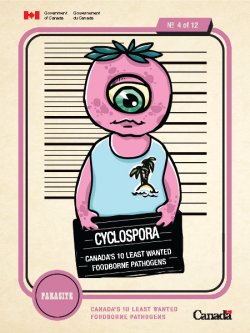
CDC cardcyclosporasme

Cyclospora cayetanensis is a parasite composed of one cell, too small to be seen without a microscope. This parasite causes an intestinal infection called cyclosporiasis.

The CDC have some great information about Cyclospora at the link above

USA – Outbreak of Salmonella Infections Linked to Ground Beef Final Update

CDC

Final Outbreak Information
Illustration of a clipboard with check marks on it.
  • As of December 30, 2019, this outbreak appears to be over.
  • Thirteen people infected with the outbreak strain of Salmonella Dublin were reported from eight states.
    • Illnesses started on dates ranging from August 8, 2019, to October 22, 2019.
    • Nine hospitalizations were reported, including one death reported from California.
  • Epidemiologic, traceback, and laboratory evidence indicated that contaminated ground beef was the likely source of this outbreak.
  • On November 15, 2019, Central Valley Meat Co. in Hanford, Calif., recalledexternal icon 34,222 pounds of ground beef products that may have been contaminated with Salmonella Dublin.
    • A single, common supplier of ground beef that accounts for all of the illnesses was not identified.

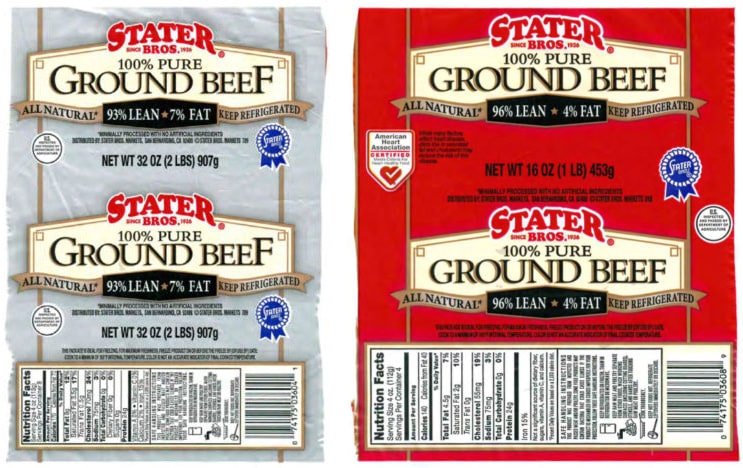
Photo of packaging.

USA -Outbreak of Listeria Infections Linked to Deli-Sliced Meats and Cheeses

CDC

This investigation is over. This outbreak is a reminder that deli products, such as sliced meats and cheeses, can have Listeria bacteria. People who are at higher risk for Listeria infection should avoid eating hot dogs, lunch meats, cold cuts, and other deli meats, unless they are heated to an internal temperature of 165°F or until steaming hot just before serving.

CDC and several states, along with the U.S. Department of Agriculture’s Food Safety and Inspection Service and the U.S. Food and Drug Administration, investigated a multistate outbreak of Listeria infections linked to deli-sliced meats and cheeses. A single, common supplier of deli products was not identified.

USA – Outbreak of Listeria Infections Linked to Deli-Sliced Meats and Cheeses Final Update

CDC

Final Outbreak Information
Illustration of a megaphone.
At A Glance

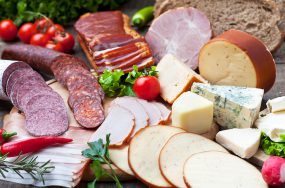
Photo of deli products.

  • As of September 26, 2019, this investigation is over.
  • 10 people infected with the outbreak strain of Listeria were reported from 4 states.
    • All 10 were hospitalized, and 1 death was reported from Michigan.
  • Epidemiologic and laboratory evidence indicated that various meats and cheeses sliced at deli counters might have been contaminated with Listeria monocytogenes and made people sick.
  • In interviews, ill people reported eating different types and brands of meats and cheeses purchased from and sliced at deli counters in different retail locations.
  • The outbreak strain was identified in samples taken from meat sliced at a deli and from deli counters in multiple stores.
  • The investigation did not identify a single, common supplier of deli products.
  • This outbreak is a reminder that deli products, such as sliced meats and cheeses, can have Listeria bacteria. People who are at higher risk for Listeria infection should avoid eating hot dogs, lunch meats, cold cuts, or other deli meats, unless they are heated to an internal temperature of 165°F or until steaming hot just before serving.

USA – Outbreak of Salmonella Infections Linked to Butterball Brand Ground Turkey

CDC

This outbreak appears to be over. People should always handle and cook turkey safely. Get CDC’s tips to prevent foodborne illness from turkey.

  • On March 13, 2019, Butterball, LLC in Mount Olive, North Carolina recalled external icon approximately 78,164 pounds of raw ground turkey products because they may have been contaminated with Salmonella Schwarzengrund.
    • Recalled ground turkey products were produced on July 7, 2018 and were shipped to institutional and retail locations nationwide.
    • Products were labeled with the establishment number “EST. P-7345” inside the USDA mark of inspection.
    • Visit the USDA-FSIS website for a list of recalled products external icon.
  • Institutions, restaurants, and retailers should not serve or sell recalled turkey products and should check food storage and freezers for them.
    • If possible, retailers who received recalled turkey products should contact their customers to alert them of the recall.
  • Consumers should check their homes for Butterball brand ground turkey labeled with the establishment number “EST. P-7345” with a sell or freeze by date of 7/26/18. Visit the USDA-FSIS website for a list of recalled products external icon.
    • Do not eat recalled ground turkey. Return it to the store or throw it away.
  • Contact a healthcare provider if you think you got sick from eating recalled ground turkey.
  • In general, consumers and restaurants should always handle and cook ground turkey safely to avoid foodborne illness. It is important to handle and prepare all ground turkey products carefully.
Final Outbreak Information
  • As of May 7, 2019, this outbreak appears to be over.
  • A total of 7 people infected with the outbreak strain of Salmonella Schwarzengrund were reported from 3 states.
    • Illnesses started on dates ranging from December 19, 2018 to March 16, 2019.
    • One person was hospitalized. No deaths were reported.
  • Epidemiologic and laboratory evidence indicated that ground turkey produced by Butterball, LLC was the likely source of this outbreak.
  • On March 13, 2019, Butterball, LLC recalled external icon approximately 78,164 pounds of ground turkey products that may have been contaminated with Salmonella Schwarzengrund.