Bacillus cereus in chilli sauce, from China in Austria, Belgium, China, Finland, France, Germany, Hong Kong, Ireland, Malta, Netherlands, Romania, Sweden.
KSWFoodWorld

Bacillus cereus in chilli sauce, from China in Austria, Belgium, China, Finland, France, Germany, Hong Kong, Ireland, Malta, Netherlands, Romania, Sweden.
Posted in Bacillus, Bacillus cereus, food contamination, food handler, Food Hazard, Food Hygiene, Food Inspections, Food Micro Blog, Food Microbiology, Food Microbiology Research, Food Microbiology Testing, Food Pathogen, Food Poisoning, Food Quality, food recall, Food Safety, Food Safety Alert, Food Safety Management, Food Safety Regulations, Food Testing, Food Toxin, RASFF
| Issue Date | 11.6.2024 |
|---|---|
| Source of Information | Food Surveillance Programme, Centre for Food Safety |
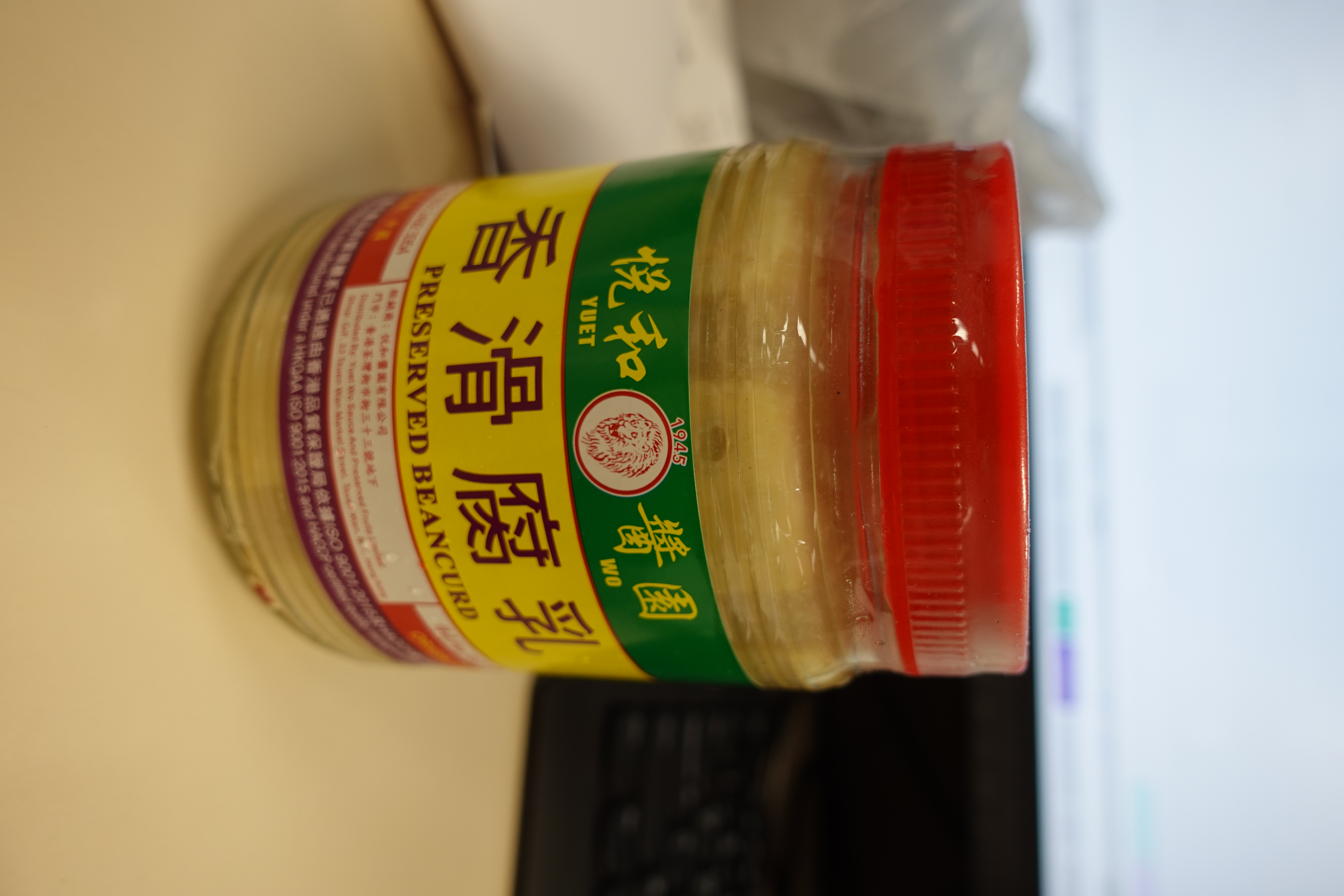
| Food Product | Bottled preserved bean curd |
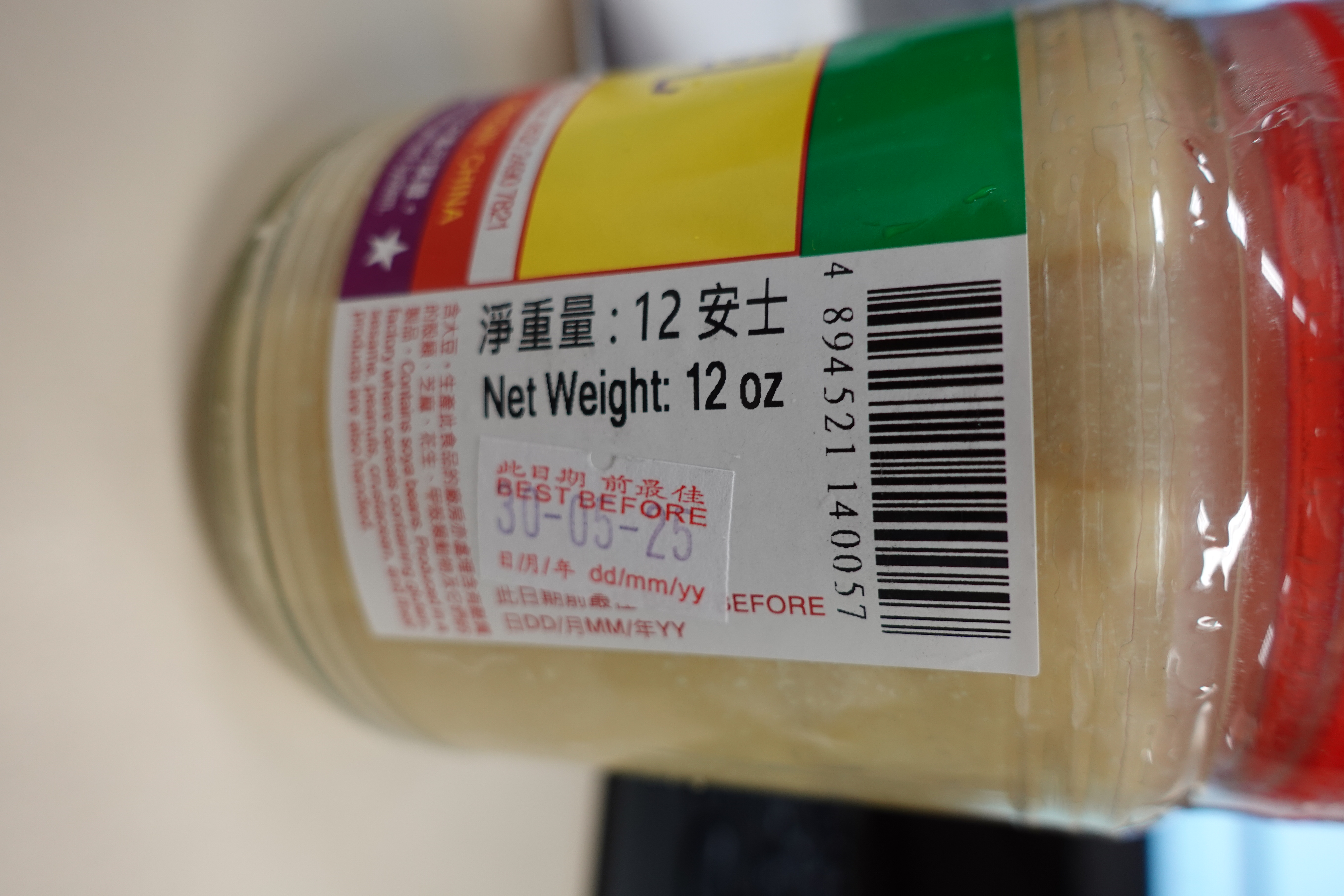
| Product Name and Description | Product name: Preserved Beancurd
Brand: Yuet Wo Place of origin: China Net weight: 12 ounces Best-before date: May 30, 2025 Distributor: Yuet Wo Sauce And Preserved Fruits Limited |
| Reason For Issuing Alert | The CFS collected the above-mentioned sample from a retail outlet in Tsuen Wan for testing under its routine Food Surveillance Programme. The test result showed that the sample contained Bacillus cereus at a level of 130,000 per gram. According to the Microbiological Guidelines for Food, if ready-to-eat food contains Bacillus cereus at a level of more than 100,000 per gram, it is considered unsatisfactory.
Bacillus cereus is commonly found in the environment. Unhygienic conditions in food processing and storage may give rise to its growth. Consuming food contaminated with excessive Bacillus cereus or its heat-stable toxins may cause gastrointestinal upset such as vomiting and diarrhoea. |
| Action Taken by the Centre for Food Safety | CFS has informed the vendor concerned of the irregularity and has instructed the vendor to stop sales and to remove from shelves the affected batch of the product. The distributor concerned has initiated a recall of the affected batch of the product according to the CFS’s instructions.
The CFS will alert the trade to the incident, and will continue to follow up and take appropriate action. An investigation is ongoing. |
| Advice to the Trade | The trade should stop using or selling the product concerned immediately if they possess it. |
| Advice to Consumers | Not to consume the affected product if they have bought any. |
| Further Information | The CFS press release
Members of the public may call the hotline of the distributor at 2492 3354 during office hours for enquiries about the recall.
|
Centre for Food Safety
Posted in Bacillus, Bacillus cereus, CFS, food contamination, food handler, Food Hazard, Food Hygiene, Food Inspections, Food Micro Blog, Food Microbiology, Food Microbiology Blog, Food Microbiology Testing, Food Pathogen, Food Quality, food recall, Food Safety, Food Safety Alert, Food Safety Management, Food Safety Regulations, Food Testing


The FASFC withdraws Wangzhihe brand chili sauce due to the possible presence of Bacillus cereus.
The FASFC asks not to use this product and to return it to the point of sale from which it was purchased.
Product Description :
– Product category: chili sauce
– Brand: Wangzhihe
– Barcode: 5013635101917
– Expiration date (DDM): 05/09/2025
– Weight: 240g
The product was distributed through various points of sale.
For any further information, you can contact the AFSCA contact point for consumers: 0800/13.550 or pointdecontact@afsca.be.
Posted in afsca, Bacillus, Bacillus cereus, food contamination, food handler, Food Hazard, Food Hygiene, Food Inspections, Food Micro Blog, Food Microbiology, Food Microbiology Blog, Food Microbiology Testing, Food Pathogen, Food Poisoning, Food Quality, food recall, Food Safety, Food Safety Alert, Food Safety Management, Food Safety Regulations, Food Testing, Food Toxin
Bacillus cereus in tempeh from Denmark in Germany and Sweden
Posted in Bacillus, Bacillus cereus, food contamination, food handler, Food Hazard, Food Hygiene, Food Inspections, Food Micro Blog, Food Microbiology, Food Microbiology Blog, Food Microbiology Testing, Food Poisoning, Food Quality, food recall, Food Safety, Food Safety Alert, Food Safety Management, Food Testing, Food Toxin, RASFF
Bacillus cereus (B. cereus) is one of the common food-borne pathogens in humans and has a high tolerance to the environment. Considering the high lethal temperature of B. cereus spores, it is difficult to be effectively killed by common pasteurization methods, resulting in a certain amount of residual spores in milk. In this paper, a quantitative risk assessment model of B. cereus was constructed to assess the risk of introducing B. cereus in the production of reconstituted milk based on the collected detection data of B. cereus contamination in Chinese milk powder. As a result, it is found that B. cereus is relatively seriously polluted on the pipeline from mixing tank to UHT sterilization (with a mean concentration of 5.17 log cfu) in the production process of reconstituted milk. This study provides a theoretical basis for formulating B. cereus contamination control measures in the production of reconstituted milk related products.
Phenyllactic acid (PLA) as a natural phenolic acid exhibits antibacterial activity against non-spore-forming bacteria, while the inhibitory effect against bacterial spore remained unknown. Herein, this study investigated the inactivation effect of PLA against Bacillus cereus spores. The results revealed that the minimum inhibitory concentration of PLA was 1.25 mg/mL. PLA inhibited the outgrowth of germinated spores into vegetative cells rather than germination of spores. PLA disrupted the spore coat, and damaged the permeability and integrity of inner membrane. Moreover, PLA disturbed the establishment of membrane potential due to the inhibition of oxidative metabolism. SEM observations further visualized the morphological changes and structural disruption caused by PLA. Besides, PLA caused the degradation of DNA of germinated spores. Finally, PLA was applied in milk beverage, and showed promising inhibitory effect against B. cereus spores. This finding could provide scientific basis for the application of PLA against spore-forming bacteria in food industry.
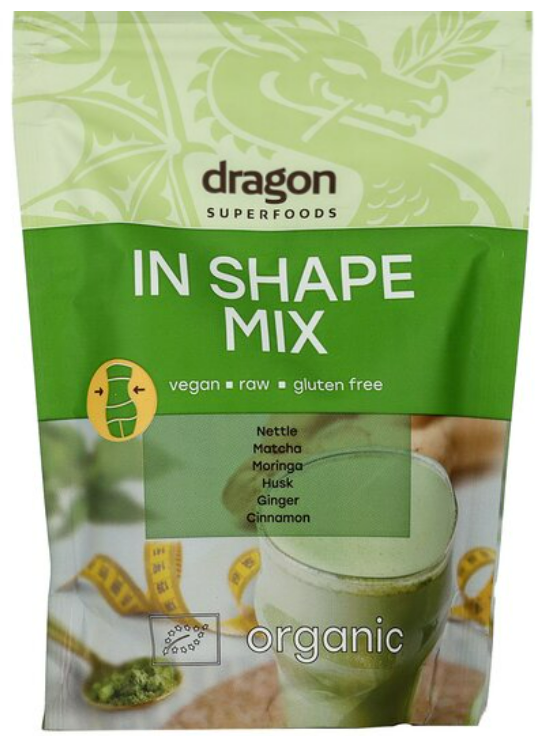
Notifier: Culinaris Retail Kft.
Product name: Dragon Superfoods Organic In Shape Mix 200 g
Brand: Dragon Superfoods
Product origin: Bulgaria
Nature of the problem: presence of Bacillus cereus and molds
Shelf life: 02/04/2025
Item number: 02/04/2025
Packaging: 200 g
Manufacturer: Smart Organic Bulgaria
Distributor: Culinaris Retail Kft. (Budapest)
Action: Product recall, withdrawal from circulation
Culinaris Retail Kft. informed its customers about the recall on its website .
The affected product can be returned to any Culinaris store, the price of the product will be refunded even without a block.
You can read more about the nature of the problem here .
The product recall only applies to the product identified by the above data.
Posted in Bacillus, Bacillus cereus, food contamination, food handler, Food Hazard, Food Hygiene, Food Inspections, Food Micro Blog, Food Microbiology, Food Microbiology Blog, Food Microbiology Testing, Food Pathogen, Food Poisoning, Food Quality, food recall, Food Safety, Food Safety Alert, Food Safety Management, Food Safety Regulations, Food Spoilage, Food Testing, Food Toxin, mold, Mold/ MouldAscospores, Mould/Mold
A reduction in animal-based diets has driven market demand for alternative meat products, currently raising a new generation of plant-based meat alternatives (PBMAs). It remains unclear whether these substitutes are a short-lived trend or become established in the long term. Over the last few years, the trend of increasing sales and diversifying product range has continued, but publication activities in this field are currently limited mainly to market research and food technology topics. As their popularity increases, questions emerge about the safety and nutritional risks of these novel products. Even though all the examined products must be heated before consumption, consumers lack experience with this type of product and thus further research into product safety, is desirable. To consider these issues, we examined 32 PBMAs from Austrian supermarkets. Based on 16S rRNA gene amplicon sequencing, the majority of the products were dominated by lactic acid bacteria (either Leuconostoc or Latilactobacillus), and generally had low alpha diversity. Pseudomonadota (like Pseudomonas and Shewanella) dominated the other part of the products. In addition to LABs, a high diversity of different Bacillus, but also some Enterobacteriaceae and potentially pathogenic species were isolated with the culturing approach. We assume that especially the dominance of heterofermentative LABs has high relevance for the product stability and quality with the potential to increase shelf life of the products. The number of isolated Enterobacteriaceae and potential pathogens were low, but they still demonstrated that these products are suitable for their presence.
Posted in Bacillus, Bacillus cereus, Enterobacteriaceae, Food Micro Blog, Food Microbiology, Food Microbiology Blog, Food Microbiology Research, Food Microbiology Testing, Lactobacillus, Leuconostoc mesenteroides, microbial contamination, Microbial growth, Microbial Spoilage, Microbiological Risk Assessment, Microbiology, Microbiology Investigations, Microbiology Risk, Pseudomonas, Research, Shewanella

 FoodWorld