Brand : NATUR AKTIVE – BIOLAB SRL GORIZIA
Name : BIO TOFU MEDALLIONS MIT SPINAT
Reason for reporting : Recall due to microbiological risk
Publication date : 17 June 2022


Brand : NATUR AKTIVE – BIOLAB SRL GORIZIA
Name : BIO TOFU MEDALLIONS MIT SPINAT
Reason for reporting : Recall due to microbiological risk
Publication date : 17 June 2022
Bacillus cereus in Tofu Medallions with spinach from Italy via Austria in Slovenia
Posted in Bacillus, Bacillus cereus, food contamination, food handler, Food Hazard, Food Hygiene, Food Inspections, Food Micro Blog, Food Microbiology, Food Microbiology Blog, Food Microbiology Testing, Food Pathogen, Food Poisoning, food recall, Food Safety, Food Safety Alert, Food Safety Management, Food Testing, Food Toxin, RASFF
Presumptive Bacillus cereus in ginger powder from India in Switzerland
Posted in Bacillus, Bacillus cereus, food contamination, food handler, Food Hazard, Food Hygiene, Food Inspections, Food Micro Blog, Food Microbiology, Food Microbiology Blog, Food Microbiology Testing, Food Pathogen, Food Poisoning, food recall, Food Safety, Food Safety Alert, Food Safety Management, Food Testing, Food Toxin, RASFF
Posted in Bacillus, Decontamination Microbial, E.coli, Food Micro Blog, Food Microbiology, Food Microbiology Blog, Food Microbiology Research, Food Microbiology Testing, Hepatitis A, Listeria, Listeria monocytogenes, microbial contamination, Microbiological Risk Assessment, Microbiology, Microbiology Investigations, Research, Salmonella, Staphylococcus aureus, Vibrio
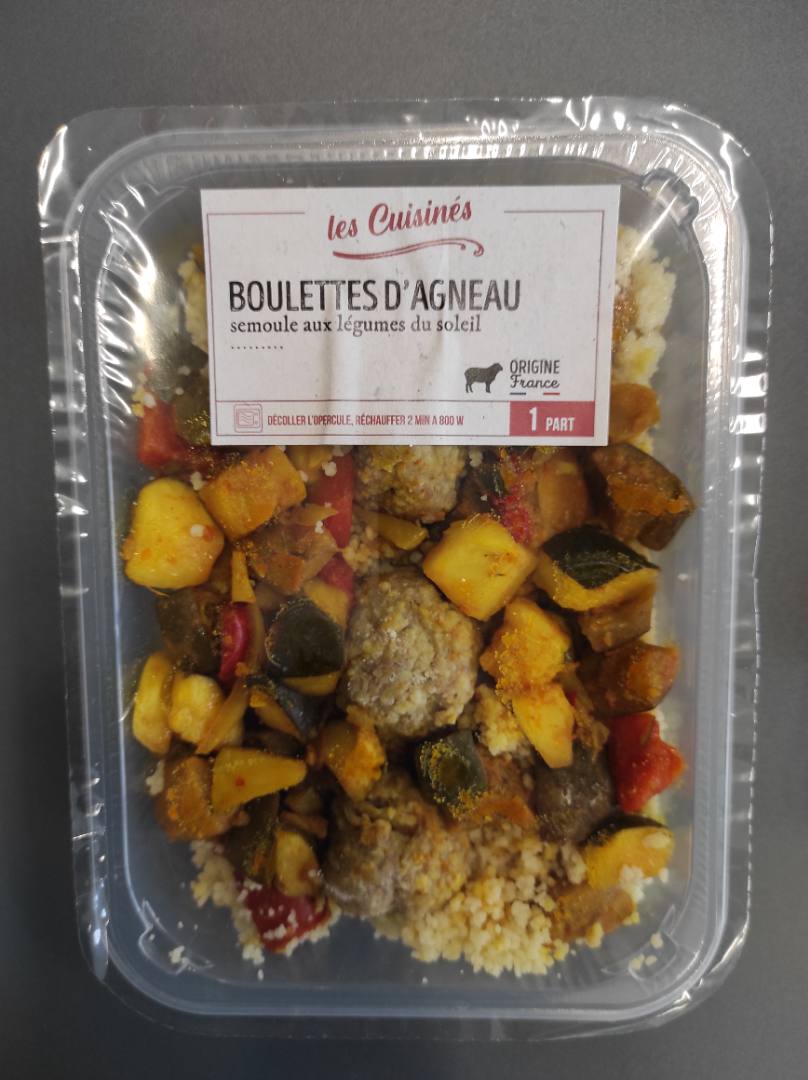
| Batch | Date | |
|---|---|---|
| LT22094 | Use-by date 04/18/2022 | |
Posted in Bacillus, Bacillus cereus, food contamination, food handler, Food Hazard, Food Hygiene, Food Inspections, Food Micro Blog, Food Microbiology, Food Microbiology Blog, Food Microbiology Testing, Food Pathogen, Food Poisoning, food recall, Food Safety, Food Safety Alert, Food Testing, Food Toxin
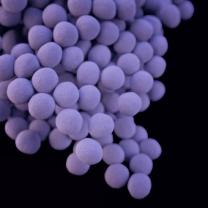
This research aims to enhance antimicrobial activity of rambutan peel extract (RPE), by mixing with cinnamon essential oil (CEO). The mixture of RPE and CEO with different weight ratios (10:0, 9:1, 8:2, 7:3, 6:4, 5:5, 4:6, 3:7, 2:8, 1:9, and 0:10) had been prepared and the antimicrobial efficacy was tested. Nine strains of bacteria: Gram-positive bacteria (Bacillus sp., Enterococcus faecalis, Leuconostoc sp., Micrococcus luteus, Staphylococcus aureus, and Streptococcus sp.) and Gram-negative bacteria (Escherichia coli, Pseudomonas fluorescens, and Salmonella typhimurium) were selected as the representative of pathogenic and food spoilage bacteria. Mixing RPE with CEO in a ratio of 5:5 showed the best synergistic effect against those bacteria. Addition of RPE/CEO in a weight ratio of 5:5 improved the antimicrobial activity of whey protein isolated (WPI) films, and enhanced strength, stiffness, and water resistance of the film.
Posted in Bacillus, Decontamination Microbial, E.coli, Faecal Streptpcocci, Food Micro Blog, Food Microbiology, Food Microbiology Blog, Food Microbiology Research, Food Microbiology Testing, Food Technology, microbial contamination, Microbiological Risk Assessment, Microbiology, Microbiology Investigations, Pseudomonas fluorescens, Research, Salmonella, Staphylococcus aureus, Technology
Oat drink contaminated with bacillus cereus from Sweden in Finland
Posted in Bacillus, Bacillus cereus, food contamination, food handler, Food Hazard, Food Hygiene, Food Inspections, Food Micro Blog, Food Microbiology, Food Microbiology Blog, Food Microbiology Testing, Food Pathogen, Food Poisoning, food recall, Food Safety, Food Safety Alert, Food Testing, Food Toxin, RASFF
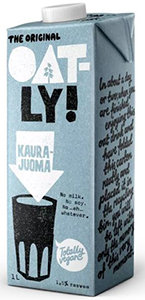
The Swedish Oatly AB has announced the withdrawal of its oat drink. The company is withdrawing from Oatly Oatmeal 1 liter lot with a best before date of 12/01/2022 and a batch code of 1335T4 . Growth of Bacillus Cereus has been observed in this lot. The product may cause abdominal pain.
Oatly’s oat drink has been on sale since the end of January in the K- and S-Group and Halpahalli stores. There has also been distribution through Wihuri Oy, of which at least Oda Finland Oy has delivered the product for distribution to e-commerce customers.
Oatly AB advises consumers not to use the product in this batch and to contact the company by email at info.fi@oatly.com
Mika Varjonen, Senior Inspector at the Finnish Food Administration, tel. +358 50 38 68 416, firstname.lastname@r uokavirasto.fi .
Posted in Bacillus, Bacillus cereus, food contamination, food handler, Food Hazard, Food Hygiene, Food Inspections, Food Micro Blog, Food Microbiology, Food Microbiology Blog, Food Microbiology Testing, Food Pathogen, Food Poisoning, food recall, Food Safety, Food Safety Alert, Food Testing, Food Toxin
Bacillus cereus (> 15 000 CFU/g) in food supplements from UK in Finland
For thousands of years, humans have exploited the natural process of fermentation of various foods to preserve them, and to enjoy the changes in the sensory characteristics that could be produced. Recently, the world of fermented beverages has gone through a rapid transformation linked to deep changes in consumer preferences, consumption habits, climate, new regulations and entry of emerging countries, accompanied by safety concerns and an important reduction in economic resources available to people. As with all food handling and preparation, we need to be sure the fermented food produced is safe. Fermentation is a complex biological process where microbial diversity takes place and the environment created inside of the fermented food provides the conditions to reduce the risk of pathogenic bacteria growth, thus providing safe food. In addition, food manufacturers fermenting food carefully control their processing and must comply with the National Food Standards Codes. Although these products have a generally good food safety record, sometimes inadequate manufacturing practices or the presence of acidophilic pathogens could compromise food safety. In fact, fermented beverages may adversely become contaminated with pathogens or microbial toxins and thereby transform into vehicles that can transmit diseases to the consumers. Moreover, many microorganisms can deteriorate the physical-chemical and sensory properties as well as the flavor of the final products. In this editorial, we present an overview of a review and six original research papers published in the Special Issue “Fermentation Process and Microbial Safety of Beverages” of the Beverages journal.
Posted in Aspergillus, Bacillus, escherichia coli, Food Micro Blog, Food Microbiology Blog, Food Microbiology Research, Food Microbiology Testing, Lactobacillus, microbial contamination, Microbiological Risk Assessment, Microbiology, Microbiology Investigations, Research, Saccharomyces cerevisiae, Saccharomyces cerevisiae, Yeasts


 FoodWorld