Category Archives: Animal Feed Mould Toxin

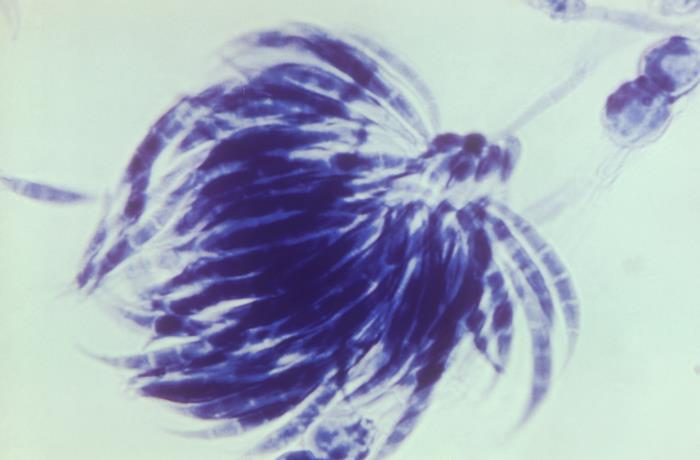
RASFF – Animal Feed – Mycotoxin – Ergot Alkaloids – Rye

RASFF

Ergot in rye from Poland in Germany

New Zealand – National Microbiological Database Programme

MPI

Introduction

This introduction is not part of the Animal Products Notice, but is intended to indicate its general effect.

Purpose

This notice supplements the requirements of the Animal Product Regulations 2021 and sets requirements for microbiological sampling and testing of animal material and animal products intended for human consumption.

Background

The National Microbiological Database (NMD) Programme is a standardised microbiological sampling and testing programme to provide ongoing monitoring of microbiological process control across all industry participants.

Who should read this Animal Products Notice?

You should read this notice if you are:•an operator who processes red meat or poultry intended for human consumption; or a recognised laboratory that tests red meat or poultry intended for human consumption

Why is this important?

A failure to comply with this notice may be an offence under section 135(1)(c) of the Animal Products Act 1999 and may result in further action by an animal products officer.

RASFF Alert – Animal Feed – Aflatoxin – Groundnuts

RASFF

Aflatoxin in Argentine groundnuts in Germany and the Netherlands

RASFF Alert – Animal Feed – Aflatoxin – Peanuts

RASFF

Aflatoxins in peanuts as feed material from Argentina in Germany

RASFF Alert – Animal Feed – Aflatoxin – Groundnut Birdfeed

RASFF

Aflatoxin B1 in Indian groundnut kernels for birdfeed in the Netherlands

RASFF Alert – Animal Feed – Mycotoxin – Rye Ergot – Rye

RASFF

Rye ergot in rye from Germany in Austria

Research – How do Time, Tannin and Moisture Content Influence on Toxicogenic Fungal Populations during the Storage of Sorghum Grains?

Journal of Food Protection

Cereal grains are usually ensiled to improve their nutritional value and are one of the main sources of feed for dairy cattle. However, during storage, grains can be contaminated with toxicogenic fungi. Sorghum is one of the most economically important cereals in the world. Therefore, the aim of this work was to evaluate the influence of storage duration and tannin and moisture contents on toxicogenic fungal populations in sorghum grain storage. Samples were prepared with variety high in tannins (genotypes Morgan 108 and ACA 558, >5g/kg DM) and with variety low tannin content (genotypes Flash 10 and ACA 546, <1g/kg DM) were collected and manually compacted in experimental laboratory silos where they received different moisture content treatments, namely low (15-25%), medium (26-32%) and high (33-42%). Freshly harvest grains were analyzed at time 0 and storage grains were analyzed at different times (30, 90 and 180 days). Fungal isolation and identification were performed following conventional mycological methods. Penicillium citrinum (34%), Aspergillus flavus (60%) and Fusarium nygamai (68%) were the most abundant species. Rapid detection of aflatoxins and fumonisins in each sample was performed by ELISA according to the AOAC method, and the quantification of aflatoxin B 1 was performed by HPLC. Aflatoxins were detected in four samples with levels of 6.7-28.8 µg/kg and aflatoxin B 1 with a level of 2-14 µg/kg in pre- and post-storage grains . Fumonisins were only detected in two freshly harvested samples with levels of 500-900 µg/kg . In general, the storage time favored the increase of Penicillium population, instead the Aspergillus and Fusarium are reduced. Conversely the abundance of the three population was not affected by the moisture content. The results of this study show that fungal population must be analyzed at different times.

Research – Role of climate change in increased mycotoxin levels

All About Feed

Climate change is likely to be part of the reason for the increase in mycotoxin issues for the global animal feed business. And the trend is expected to continue and even accelerate over the next 5 years.

7 out of 10 analyses run last year found raw ingredients contaminated with mycotoxins, according to Cargill’s annual review. But reassuringly, just 35% of these reached performance risk thresholds, showing that positive analyses are not always concerning.

Last year’s study analysed more than 328,000 samples across more than 150 global feed plants, on-farm samplings and storage locations in 54 countries. The majority of these were corn (212,254), cereals (85,478), oilseeds (27,602) or others (3,632). It found 72% of analyses were contaminated with at least one mycotoxin showing that contamination is more likely than not across all ingredients.

Since mycotoxins are produced by moulds as a natural defence response to environmental factors, their occurrence is linked to climate conditions.

RASFF Alert – Animal Feed – Aflatoxin – Sunflower Seeds

RASFF

Aflatoxins (B1 = 34.79 µg/kg – ppb) in sunflower seeds from Egypt in Spain

Research – Mycotoxins impact feed quality in 2021 European grain harvest

All About Feed

Extreme weather patterns across Europe in 2021 have been blamed for increased levels of mycotoxins in arable crops creating concerns over the subsequent quality of animal feed.

Mycotoxins, which are produced by certain species of moulds, are a concern for livestock producers due to their ability to influence feed quality and subsequent animal health and performance.

During extensive research across a number of European countries, a pattern of increased mycotoxins has been documented in the latest harvest analysis report from Alltech, in collaboration with SGS.

Just under 1,200 samples of barley, wheat, corn, corn silage, grass silage, alfalfa haylage, triticale, straw and whole crop silage (wheat and barley) were taken for analysis. Several farms or animal feed production sites across Russia, Spain, Denmark, Hungary, Romania, Germany, Netherlands, the UK, Ireland, Bulgaria, Czech Republic, Lithuania, Latvia, Greece, Belarus, Croatia, Serbia, Slovakia and Ukraine were involved in the data gathering.

Moderate to high risk

Data collected for the key feed ingredients indicated the presence of moderate to high levels of mycotoxin risk. Across all samples, there was an average of 4.34 mycotoxins detected, with 98.5% containing at least 1 mycotoxin and 86.1% containing 2 or more mycotoxins.

Type B-trichothecenes were found in 87% of the grain samples, which is a similar number to those found in 2020. The highest concentration of deoxynivalenol or DON (10,914 ppb) was detected in a Danish straw sample. Out of over 600 corn samples analysed, 24% of these contained aflatoxins, a notably higher percentage than 2020 and something feed and livestock producers should be aware of when putting mycotoxin control plans in place for the coming season.

Of the corn samples analysed using an LC-MS/MS method, fusaric acid was the most prominent mycotoxin, detected in 96.7% of samples, while type B-trichothecenes and fumonisins were found in 90% and 83% of samples, respectively.