Category Archives: Aflatoxin

New Zealand – PMN Kacang Wangi brand Peanut Cracker – Aflatoxin

MPI

Natural Field Enterprises Ltd is recalling a specific batch of PMN Kacang Wangi brand Peanut Cracker as testing has identified toxins above acceptable levels.
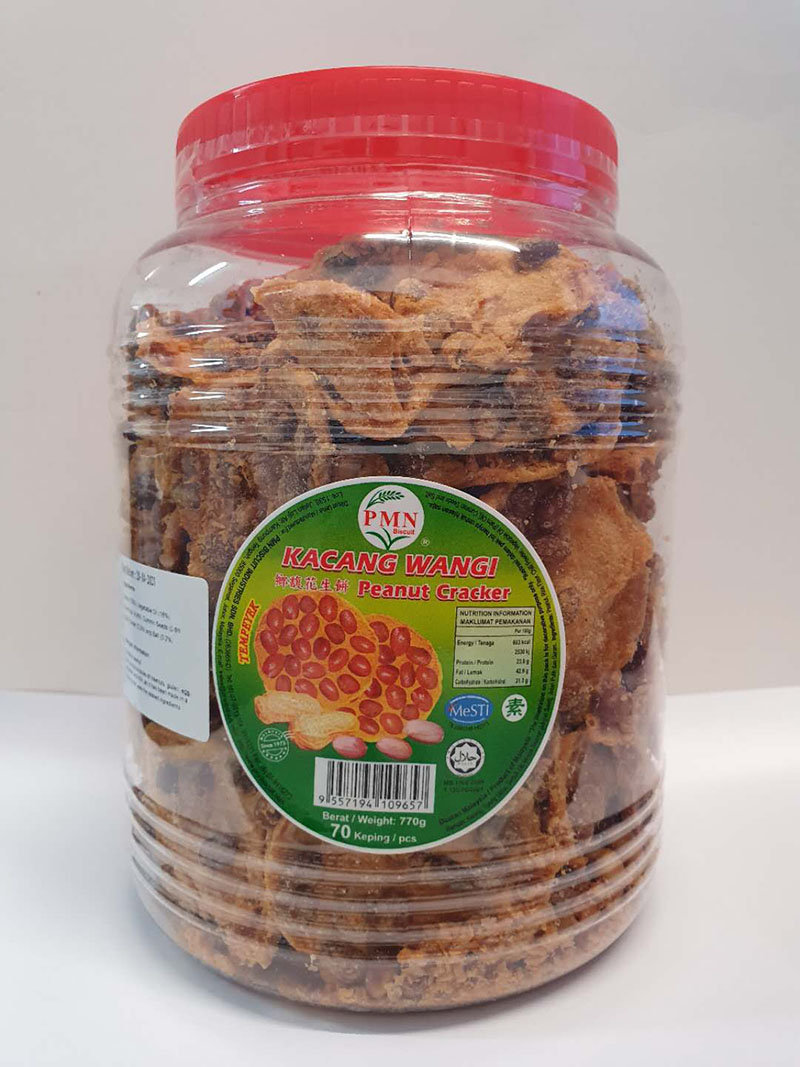
Product type Crackers
Name of product (size) PMN Kacang Wangi brand Peanut Cracker (770g jar)
Date marking Best before 28.04.2021
Package size and description The product is sold in a 770g plastic jar.
Distribution The product is imported from Malaysia.

The product is sold at these retailers in Auckland:

  • Epacs Supermart, 12 Nandina Avenue, East Tamaki
  • Fresh and Save, 245 Manukau Road, Pukekohe.

The product has not been re-exported.

Notes This recall does not affect any other PMN Kacang Wangi brand products or any other products imported by Natural Field Enterprises Ltd.

Consumer advice

The recall is about specific toxins called aflatoxins. Aflatoxins are naturally occurring in many food products. They are produced by a group of moulds that grow on foods produced in hot and tropical climates. Levels of aflatoxin in the New Zealand diet are usually very low and don’t represent a health risk, however consumption of food products with increased levels of aflatoxin over a continuous period of time can be harmful.

Affected product should not be consumed. If you have consumed any of this product and have any concerns about your health, seek medical advice.

Customers should return the product to their retailer for a full refund.

Who to contact

If you have questions, contact Natural Field Enterprises Ltd:

  • Phone: (09) 272 9048
  • Address: 12 Nandina Avenue, East Tamaki, Auckland.

RASFF Alerts – Aflatoxin – Ochratoxin A -Soya Chunks – Dried Figs – Groundnuts

RASFF-Logo

RASFF – aflatoxins (B1 = 6.9 µg/kg – ppb) and ochratoxin A (60 µg/kg – ppb) in soya chunks from India, via the United Kingdom in Switzerland

RASFF – aflatoxins (Tot. = 13 µg/kg – ppb) in diced dried figs from Turkey in France

RASFF – aflatoxins (B1 = 6.8; Tot. = 8.2 / B1 = 7.4; Tot. = 8.4 µg/kg – ppb) in groundnuts from Egypt in the Netherlands

Research -Exposure Assessment of Multiple Mycotoxins in Black and White Sesame Seeds Consumed in Thailand

JFP

ABSTRACT

This study was conducted to determine the occurrence of 16 well-recognized and emerging mycotoxins in black and white sesame seed samples sold in Thailand and to evaluate possible health risks to consumers. Samples were extracted and cleaned with a modified QuEChERS procedure. Multiple mycotoxins in sesame seed samples were analyzed with a validated liquid chromatography–tandem mass spectrometry method. The risk of mycotoxin exposure via dietary intake of sesame seeds was evaluated based on the hazard quotient, margin of exposure (MOE), and quantitative liver cancer risk established by European Food Safety Authority, the Food and Agriculture Organization of the United Nations, and the World Health Organization. Of the 200 samples, 21.5% were contaminated with mycotoxins, 19.5% were contaminated with a single mycotoxin, and 2% were contaminated with multiple mycotoxins. Although 9% of total samples were contaminated with aflatoxins (AFs), only one black sesame seed sample and one white sesame seed sample were above the regulatory limits for the European Union (2 μg/kg). The MOE values derived from consumption of black and white sesame seeds were generally <10,000, especially in the group consuming the most. The number of liver cancer cases over a lifetime associated with AFB1 exposure based on the upper bound values for the group consuming high level of black and white sesame seeds (97.5 percentile) was estimated at more than 1 case per one million persons. Therefore, a potential risk to consumer health exists through the consumption of black and white sesame seeds and subsequent exposure to AFB1. However, further evaluation with larger sample sizes is necessary for more accurate calculations. Continuous monitoring of mycotoxin contamination in sesame seeds with risk assessments is recommended.

HIGHLIGHTS
  • Beauvericin, sterigmatocystin, and aflatoxins are frequently found in sesame seed samples.
  • Mycotoxin contamination in most samples was below European Union stipulations.
  • A potential risk to consumer health exists through consumption of sesame seeds.
  • Evaluation of mycotoxin contamination is important to maintain consumer safety.

RASFF Alert – Aflatoxin – Dried Figs

RASFF-Logo

RASFF – aflatoxins (B1 = 32; Tot. = 90 µg/kg – ppb) in dried figs from Spain in Portugal

RASFF Alert – Aflatoxin – Groundnuts

RASFF-Logo

RASFF – aflatoxins (B1 = 40.6 µg/kg – ppb) in groundnuts from Argentina in Germany

Kenya – Dog owners fret after losing pets to aflatoxin poisoning

The Star

Dog owners in Nairobi and Nakuru are distraught after six of their dogs died from aflatoxin poisoning in the past month.

They say their dogs started experiencing liver complications after consuming commercial dog food they had bought from supermarkets.

“We bought the same brand of dog food we have been always buying, but this time from a different supermarket. The dog food pellets consisted of maize, fish and omega-3,” Eustace, a dog owner in Loresho, said.

The dog, a pug breed, refused to eat for several days after consuming the food and subsequently developed jaundice.

“His eyes, mouth and tongue had turned yellow and he was weak. The vet came in the middle of the night to take him and later called me to say he had suffered liver damage due to aflatoxin poisoning,” Eustace said.

Research – Aflatoxin Contamination of Commercial Maize Products During an Outbreak of Acute Aflatoxicosis in Eastern and Central Kenya

PubMed

In April 2004, one of the largest aflatoxicosis outbreaks occurred in rural Kenya, resulting in 317 cases and 125 deaths. Aflatoxin-contaminated homegrown maize was the source of the outbreak, but the extent of regional contamination and status of maize in commercial markets (market maize) were unknown. We conducted a cross-sectional survey to assess the extent of market maize contamination and evaluate the relationship between market maize aflatoxin and the aflatoxicosis outbreak. We surveyed 65 markets and 243 maize vendors and collected 350 maize products in the most affected districts. Fifty-five percent of maize products had aflatoxin levels greater than the Kenyan regulatory limit of 20 ppb, 35% had levels > 100 ppb, and 7% had levels > 1,000 ppb. Makueni, the district with the most aflatoxicosis case-patients, had significantly higher market maize aflatoxin than did Thika, the study district with fewest case-patients (geometric mean aflatoxin = 52.91 ppb vs. 7.52 ppb, p = 0.0004). Maize obtained from local farms in the affected area was significantly more likely to have aflatoxin levels > 20 ppb compared with maize bought from other regions of Kenya or other countries (odds ratio = 2.71; 95% confidence interval, 1.12-6.59). Contaminated homegrown maize bought from local farms in the affected area entered the distribution system, resulting in widespread aflatoxin contamination of market maize. Contaminated market maize, purchased by farmers after their homegrown supplies are exhausted, may represent a source of continued exposure to aflatoxin. Efforts to successfully interrupt exposure to aflatoxin during an outbreak must consider the potential role of the market system in sustaining exposure.


RASFF Alerts – Aflatoxin – Dried Figs – Groundnuts -Pistachios Kernels – Chilli Powder – Organic Brown Rice –

RASFF-Logo

RASFF – aflatoxins (B1 = 19.6 / Tot. = 24.1 µg/kg – ppb) in dried figs from Turkey in the UK

RASFF  – aflatoxins (B1 = 7.9 / Tot. = 9.2 µg/kg – ppb) in groundnuts from Argentina in the Netherlands

RASFF – aflatoxins (Tot. = 4 µg/kg – ppb) in groundnut kernels from Argentina in Spain

RASFF – aflatoxins (Tot. = 62 µg/kg – ppb) in dried figs from Turkey in the UK

RASFF – aflatoxins (B1 = 27.5; Tot. = 30.3 µg/kg – ppb) in pistachio kernels from Iran in Italy

RASFF – aflatoxins (B1 = 26.4 µg/kg – ppb) in chilli powder from India in Slovenia

RASFF – aflatoxins (B1 = 20.6 µg/kg – ppb) in organic brown rice from Pakistan, packaged in Denmark in Sweden

RASFF – aflatoxins (B1 = 6.9; Tot. = 7.4 µg/kg – ppb) and ochratoxin A (82 µg/kg – ppb) in chilli powder from China in Germany

RASFF – aflatoxins (B1 = 15.9; Tot. = 18.5 µg/kg – ppb) in shelled pistachios from Iran, dispatched from the United Arab Emirates in Italy

RASFF Alerts – Aflatoxin – Peanuts – Organic Groundnut Kernels -Roasted Pistachios – Pistachios – Dried Mulberries

RASFF-Logo

RASFF – aflatoxins (B1 = 107.7; Tot. = 122.9 µg/kg – ppb) in peanuts in shell from China in the UK

RASFF – aflatoxins (B1 = 10 µg/kg – ppb) in organic groundnut kernels from Egypt in the Netherlands

RASFF – aflatoxins (B1 = 40.7 µg/kg – ppb) in groundnut kernels from the United States in Finland

RASFF – aflatoxins (B1 = 37.42; Tot. = 41.41 µg/kg – ppb) in roasted pistachios from Turkey in Germany

RASFF – aflatoxins (B1 = 12; Tot. = 21 µg/kg – ppb) in groundnuts from Argentina in the Netherlands

RASFF – aflatoxins (B1 = 100; Tot. = 120 µg/kg – ppb) in pistachios in shell from Iran in the Netherlands

RASFF – aflatoxins (B1 = 6.6 µg/kg – ppb) in dried mulberries from Turkey in the Netherlands


RASFF Alerts – Animal Feed – Aflatoxin – Blanched Groundnut Kernels

RASFF-Logo

RASFF – aflatoxins (B1 = 123 µg/kg – ppb) in blanched groundnut kernels from India in the UK

RASFF – aflatoxins (B1 = 89; Tot. = 120 µg/kg – ppb) in groundnut Kernels from India in the Netherlands