Brand : SALUMIFICIO CORNICCHIA SRL
Name : SEASONED SAUSAGE
Reason for reporting : Recall due to microbiological risk
Publication date : 5 October 2021
Click to access C_17_PubblicazioneRichiami_1505_azione_itemAzione0_files_itemFiles0_fileAzione.pdf

Brand : SALUMIFICIO CORNICCHIA SRL
Name : SEASONED SAUSAGE
Reason for reporting : Recall due to microbiological risk
Publication date : 5 October 2021
Click to access C_17_PubblicazioneRichiami_1505_azione_itemAzione0_files_itemFiles0_fileAzione.pdf
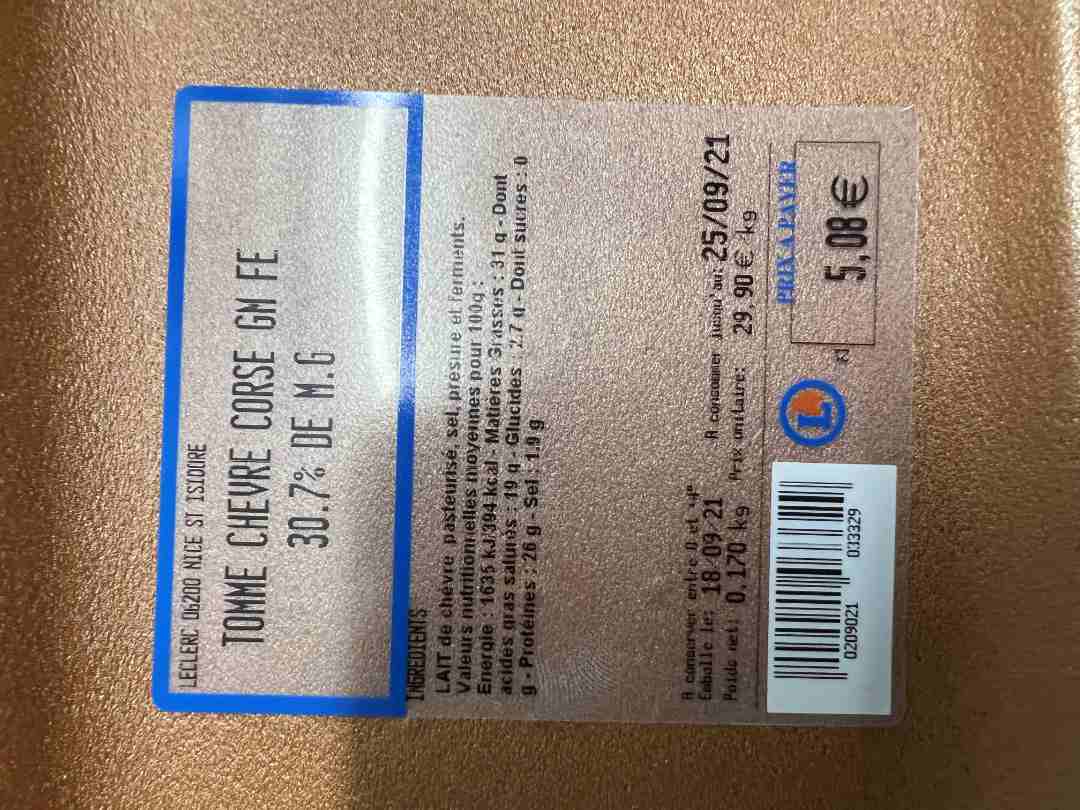
| GTIN | Lot | Dated |
|---|---|---|
| 02090121000000 | All lots | Use-by date 25/09/2021 |
Matvælastofnun warns against consuming one batch of chicken from Matfugl marked Ali, Bónus or FK due to suspicion of salmonella infection. The company has recalled the product from the market.
The recall only applies to the following batch:
Consumers who have purchased chicken with this traceability number are asked to return it to the relevant store or directly to Matfugl ehf., Völuteigi 2, Mosfellsbær.
The Centre for Food Safety (CFS) of the Food and Environmental Hygiene Department today (October 4) urged the public not to consume a kind of chilled razor clams imported from Scotland due to possible contamination with lipophilic marine biotoxins. The trade should stop using or selling the product concerned if they possess it.
Details of the product are as follows:
Product name: Razor Clams
Brand: Lochleven Shellfish
Place of origin: Scotland
Importer: Longfine Seafood Trading Company Limited
A spokesman for the CFS said, “The CFS received a notification from the authorities concerned in Scotland through the International Food Safety Authorities Network (INFOSAN) that the above-mentioned product might have been contaminated with lipophilic marine biotoxins. According to the information provided by INFOSAN, the affected product has been imported into Hong Kong. Upon learning of the incident, the CFS immediately contacted the local importer concerned for follow-up.”
A preliminary investigation found that the above-mentioned importer had imported some of the affected product into Hong Kong. For the sake of prudence, the CFS has instructed the importer to stop sale and remove from shelves the affected batch of product and initiate a recall. Enquiries about the recall can be made to the importer’s hotline at 2387 2388 during office hours.
“Lipophilic marine biotoxins are a group of fat-soluble shellfish poisoning toxins which may cause symptoms such as diarrhoea, nausea and vomiting. In general, they are heat-stable and cannot be destroyed by cooking.” the spokesman said.
The spokesman urged consumers not to consume the affected product if they have bought any. The trade should also stop using or selling the product concerned immediately if they possess it.
The CFS will alert the trade to the incident, continue to follow up and take appropriate action. An investigation is ongoing.
Posted in Algal Toxin, Azaspiracid Toxin, food contamination, Food Hazard, Food Hygiene, Food Inspections, Food Micro Blog, Food Microbiology, Food Microbiology Blog, Food Microbiology Testing, Food Poisoning, food recall, Food Safety, Food Safety Alert, Food Testing, Food Toxin, Lipophilic Marine Biotoxin, Marine Biotoxin, okadaic acid, Pectenotoxin, Yessotoxin
Should you let your dog lick your plate? While many owners share table scraps with their furry friends, one vet has warned of the possible health dangers if your dog shares food directly from your plate.
According to Team Dogs, plates licked by dogs can harbour hidden bacteria such as salmonella which cannot be destroyed by dishwashing. As well as this, many foods still lingering on human plates can be poisonous to dogs, resulting in your pup becoming poorly.
New research by Wren Kitchens found that one in six (15%) of households in the UK let their dogs lick their plates, meanwhile Twitter findings by Team Dogs discovered that 61.5% of voters said they don’t let their dogs lick the plate. It might seem like a harmless dinnertime treat, but owners should keep dog and human dishes separate at all times.

| GTIN | Lot | Dated |
|---|---|---|
| 229535200008 | 243 | Use-by date 01/10/2021 |

| GTIN | Lot | Dated |
|---|---|---|
| 3343660242753 | 3385214021 | Use-by date between 10/11/2021 and 10/15/2021 |
The pathogenic bacterium Salmonella Infantis was detected in the semi-finished product . This bacterium can cause a condition called salmonellosis.
| Expiration date: | 7/29/2022 |
| Producer: | RACIOLA Uhersky Brod, sro |
| Country of origin: |  Czechia |
| Date of sampling: | 5. 8. 2021 |
| Reference number: | 21-000064-SVS-CZ |
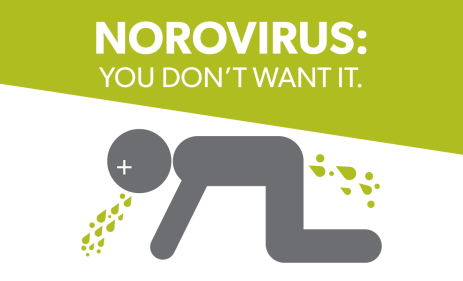
The Monroe County Department of Public Health has determined norovirus — a contagious family of viruses — is likely responsible for recent illnesses on RIT’s Henrietta campus.
The vast majority of cases were resolved within 24-36 hours without medical treatment. However, some RIT students did need care in the Student Health Center, and a few received care in a local emergency department. In response to these cases, we have substantially increased our already stringent deep cleaning and sanitization efforts on high-touch surfaces in residence halls, dining areas, restrooms, and other spaces across campus.
Even with the number of cases declining in the past few days, we all must take steps to stay safe. If you are ill, please stay home and do not attend class or go to work. Remember to wash your hands often, stay in your residence when sick, and avoid preparing food for others.


