Monthly Archives: August 2021

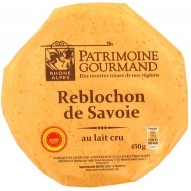
France -Reblochon de Savoie PDO with raw milk 450 g – Listeria monocytogenes

Gov france

Identifying information for the recalled product

  • Product category Food
  • Product sub-category Milk and dairy products
  • Product brand name Gourmet heritage
  • Names of models or references Reblochon de Savoie PDO raw milk 450 g Patrimoine Gourmand
  • Product identification
    GTIN Lot Dated
    3257985003435 311627 Use-by date 09/07/2021
  • Packaging Whole reblochon 450 g in film
  • Start date / End of marketing From 07/06/2021 to 07/30/2021
  • Storage temperature Product to be stored in the refrigerator
  • Health mark FR 73.114.001 CE
  • Geographical sales area Whole France
  • Distributors cora

Practical information regarding the recall

  • Reason for recall Presence of Listeria Monocytogenes
  • Risks incurred by the consumer Listeria monocytogenes (causative agent of listeriosis)
  • Consumer behaviour Stop consuming
    Return the product to the point of sale
  • Sanitary recommendation People who have consumed the “products” mentioned above and who have fever, isolated or accompanied by headaches, and muscle aches, are invited to consult their doctor, notifying him of this consumption. Serious forms with neurological complications and maternal or foetal damage in pregnant women can also sometimes occur. Pregnant women as well as immunocompromised people and the elderly should pay special attention to these symptoms. Listeriosis is a disease that can be serious and can take up to eight weeks to incubate.
  • Compensation modalities Refund
    Exchange
  • End date of the recall procedure Saturday 14 August 2021
  • Additional public information For further information http://www.cora.fr

France – FLT HADDOCK SKIN SMOKE P / ANE X200G – Listeria monocytogenes

Gov france

Identifying information for the recalled product

  • Product category Food
  • Product sub-category Fishery and aquaculture products
  • Product brand name SUPPLIER BRAND
  • Names of models or references SUPPLIER BRAND
  • Product identification
    GTIN Lot Dated
    3324030012282 2120730 Use-by date 08/16/2021
  • Packaging UVC 200G
  • Start date / End of marketing From 07/30/2021 to 08/04/2021
  • Storage temperature Product to be stored in the refrigerator
  • Health mark Yes
  • Geographical sales area Whole France
  • Distributors Scapmaree Leclerc
  • List of points of saleStore_list.pdf

Practical information regarding the recall

  • Reason for recall Listeria detection
  • Risks incurred by the consumer Listeria monocytogenes (causative agent of listeriosis)
  • Consumer behaviour Stop consuming
    Contact the point of sale
  • Sanitary recommendation People who have consumed the “products” mentioned above and who have fever, isolated or accompanied by headaches, and muscle aches, are invited to consult their doctor, notifying him of this consumption. Serious forms with neurological complications and maternal or foetal damage in pregnant women can also sometimes occur. Pregnant women as well as immunocompromised people and the elderly should pay special attention to these symptoms. Listeriosis is a disease that can be serious and can take up to eight weeks to incubate.
  • Contact number0321969293
  • Compensation modalities Repayment
  • End date of the recall procedure Friday, August 20, 2021

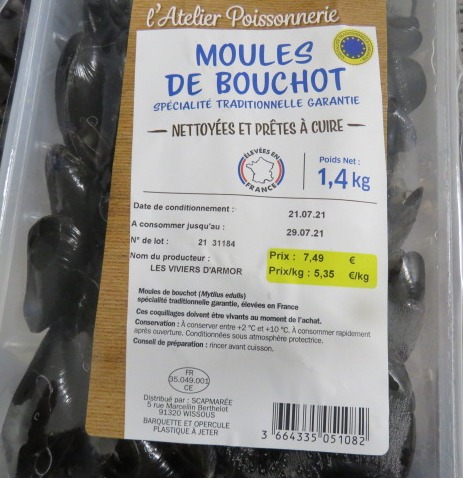
France – Mussels BOUCHOT ATELIER EL / FR 1.4K – E.coli

Gov france

Identifying information for the recalled product

  • Product category Food
  • Product sub-category Fishery and aquaculture products
  • Product brand name Private label L’ATELIER POISSONNERIE
  • Names of models or references FISH WORKSHOP
  • Product identification
    GTIN Lot Dated
    3664335051082 21 31251 Use-by date 08/04/2021
  • Packaging UVC 1.4KG
  • Start date / End of marketing From 07/29/2021 to 08/02/2021
  • Storage temperature Product to be stored in the refrigerator
  • Further information Moules de Bouchot Atelier from Viviers d’Armor
  • Geographical sales area Whole France
  • Distributors Scapmaree E.LECLER
  • List of points of saleSelling_points_liste.pdf

Practical information regarding the recall

  • Reason for recall E. coli non-compliant
  • Risks incurred by the consumer Escherichia coli
  • Consumer behaviour Stop consuming
    Contact the point of sale
  • Sanitary recommendation Escherichia coli can cause within 3 days of consumption, gastroenteritis marked by abdominal pain and diarrhoea (possibly accompanied by blood), with or without fever. People who have consumed the products mentioned above and who present this type of symptoms are invited to consult their doctor without delay, informing him of this consumption and the nature of the contaminating germ.
  • Contact number0299895686
  • Compensation modalities Repayment
  • End date of the recall procedure Tuesday, August 17, 2021

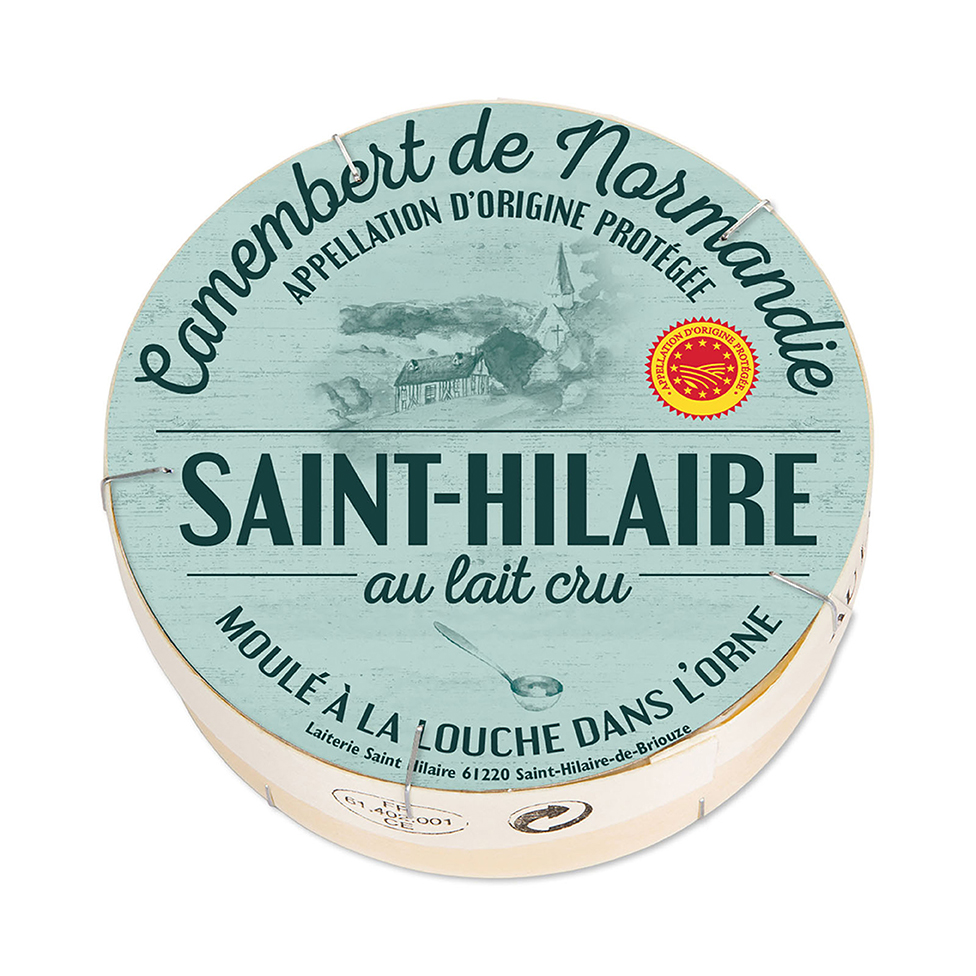
Germany – Camembert de Normandie AOP St. Hilaire aux lait cru, 250 g – STEC E.coli

LMW

Warning type: Food
Date of first publication: 08/04/2021
Product name:

Camembert de Normandie AOP St. Hilaire aux lait cru, 250 g

Product pictures:

Foto_Saint_Hilaire.jpg

Gillot SAS

Manufacturer (distributor):

Manufacturer: Gillot SAS (France)

Reason for warning:

Detection of harmful bacteria (E.coli, stx1 gene, STEC)

Packaging Unit: 250 g
Durability: 08/07/2021
Lot identification: 161311
Additional Information: EAN: 3267031040611 

Reference is made to the enclosed consumer information. 

Contact to the responsible authorities:

Baden-Württemberg:poststelle@mlr.bwl.de

Bavaria:poststelle@lgl.bayern.de
Berlin:poststelle@senjustva.berlin.de
Brandenburg:Konsumenterschutz@Msgiv.Brandenburg.de
Bremen:Schnellwarnung@gesundheit.bremen.de
Hamburg:poststelle@justiz.hamburg.de
Hesse:Schnellwarnung@rpda.hessen.de
Mecklenburg-Western Pomerania:poststelle@lm.mv-regierung.de
Lower Saxony:poststelle@ml.niedersachsen.de
North Rhine-Westphalia:poststelle@mulnv.nrw.de
Rhineland-Palatinate:Poststelle.Referat22@lua.rlp.de
Saarland:poststelle-luv@lav.saarland.de
Saxony:poststelle@sms.sachsen.de
Saxony-Anhalt:poststelle@ms.sachsen-anhalt.de
Schleswig-Holstein:poststelle@jumi.landsh.de
Thuringia:LM-Ueberendung@tlv.thueringen.de
Press releases and information
title Attachment or web link
Consumer information

Germany – Camembert de Normandie AOP Marie Harel au lait cru, 250 g Trademark: Marie Harel -STEC E.coli

LMW

Warning type: Food
Date of first publication: 08/04/2021
Product name:

Camembert de Normandie AOP Marie Harel au lait cru, 250 g Trademark: Marie Harel

Product pictures:

Unnamed.PNG

Gillot SAS

Manufacturer (distributor): Gillot SAS company
Reason for warning:

due to suspected contamination with undesired bacteria (Escherichia coli, STX1-Gen, STEC) these products will be withdrawn from sale

Packaging Unit: 250 g
Durability: 08/07/2021
Lot identification: Batch number: 161311
Additional Information: Reference is made to the company’s customer information sheet attached.
Contact to the responsible authorities:

Baden-Württemberg: poststelle@mlr.bwl.de

Bavaria: poststelle@lgl.bayern.de
Brandenburg:Konsumenterschutz@Msgiv.Brandenburg.de
Hamburg:poststelle@justiz.hamburg.de
Hesse:Schnellwarnung@rpda.hessen.de
Mecklenburg-Western Pomerania:poststelle@lm.mv-regierung.de
Rhineland-Palatinate:Poststelle.Referat22@lua.rlp.de
Saxony-Anhalt:poststelle@ms.sachsen-anhalt.de
Press releases and information
title Attachment or web link
Customer information

Canada – Updated Food Recall Warning – Repackaged Cahill’s brand Original Irish Porter Cheese recalled due to Listeria monocytogenes

CFIA

Recall details

Ottawa, August 4, 2021 – The food recall warning issued on August 3, 2021 has been updated to include additional information on how the affected product may have been sold. This additional information was identified during the Canadian Food Inspection Agency’s (CFIA) food safety investigation.

Industry is recalling repackaged Cahill’s brand Original Irish Porter Cheese from the marketplace due to Listeria monocytogenes. Consumers should not consume the recalled products.

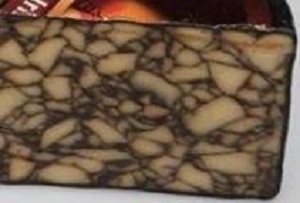
Cahill’s brand Original Irish Porter Cheese, 2.27 kg, UPC 00034463010160, Code 22-JA-13 21125, may have been sold by various retailers either clerk-served or in smaller packages with or without a label that may not bear the same brand or product name.

Consumers who are unsure if they have purchased the affected products are advised to contact their retailer.

What you should do

If you think you became sick from consuming a recalled product, call your doctor.

Check to see if you have the recalled products in your home. Recalled products should be thrown out or returned to the store where they were purchased.

Food contaminated with Listeria monocytogenes may not look or smell spoiled but can still make you sick. Symptoms can include vomiting, nausea, persistent fever, muscle aches, severe headache and neck stiffness. Pregnant women, the elderly and people with weakened immune systems are particularly at risk. Although infected pregnant women may experience only mild, flu-like symptoms, the infection can lead to premature delivery, infection of the newborn or even stillbirth. In severe cases of illness, people may die.

Background

This recall was triggered by the company. The CFIA is conducting a food safety investigation, which may lead to the recall of other products. If other high-risk products are recalled, the CFIA will notify the public through updated Food Recall Warnings.

The CFIA is verifying that industry is removing the recalled products from the marketplace.

Illnesses

There have been no reported illnesses associated with the consumption of these products.

Product photos

Printer ready version of photos

  • Cahill's – Original Irish Porter Cheese – 2.27 kilograms

Public enquiries and media

Public enquiries
Toll-free: 1-800-442-2342 (Canada and U.S.)
Telephone: 1-613-773-2342 (local or international)
Email: information@inspection.gc.ca
Media relations
Telephone: 613-773-6600
Email: cfia.media.acia@inspection.gc.ca

USA – Hawaii’s food safety agency uses embargo to drive raw milk sales off the islands

Food Safety News

State and local health departments went for months with no concerns other than the pandemic. But this summer, they are finding the time and personnel to work on other public health issues.

Hawaii, for example, has had an embargo underway for unpasteurized goat milk. The Hawaii Department of Health’s Food Safety Branch found numerous pet stores on O’ahu were selling raw goat milk.

Hawaii retailers and restaurants must purchase only pasteurized Grade A milk and milk products.

Raw milk is not safe for human consumption. As of July 1, the Food Safety Branch found about 20 O’ahu pet stores selling raw milk. Under the embargo, pet stores or any other retailer with raw milk in their possession were fined up to $10,000 a day unless they removed the raw goat milk from sale and destroyed the product.

UK project gets funding to monitor foodborne pathogens and AMR

Food Safety News

A project in the United Kingdom has received funding for the surveillance of foodborne pathogens and antimicrobial resistance.

Pathogen Surveillance in Agriculture, Food and the Environment (PATH-SAFE) involves the Food Standards Agency (FSA); Food Standards Scotland (FSS); Department of Environment, Food and Rural Affairs (Defra); Department of Health and Social Care (DHSC); Public Health England (PHE); and the Environment Agency.

The aim is to establish the infrastructure and sampling frameworks needed to monitor the source and spread of foodborne pathogens and antimicrobial resistance (AMR) genes between the environment, animals, food and people.

USA – Pacific Northwest heat wave causes vibrio bacteria outbreak in oysters

SeaFoodSource

Vibrio

A heat wave that sent temperatures into the triple digits for three days in the U.S. Pacific Northwest in late June and early July drove up levels of the vibrio bacteria in area oysters, causing record numbers of illnesses from the bacteria and prompting oyster recalls.

The Washington State Department of Health (DOH) reported 75 lab-confirmed cases of vibriosis as of Wednesday, 29 July, and said there are likely many unreported cases. According to figures provided by DOH, the previous record number of vibriosos cases through 28 July was 48 in 2018.

The outbreak occurred over the holiday weekend of 4 July and coincided with the reopening of many of Washington’s businesses and restaurants. DOH said that several people visiting the area had fallen ill, including tourists from California, Canada, and Mexico. Officials had traced 48 of the cases back to commercial growers, while five of the cases were from recreational catch. The other cases with either unknown or still under investigation.

Vibriosis cases have been traced back to 24 different growing in areas in Washington state, including Samish Bay and Hood Canal, both of which have large tracts of oysters. A recall was issued for all oysters harvested in Samish Bay from 29 June onward, and the area was closed until at least 6 August, pending the results of ongoing tests. Officials were working to gather harvest from the area, while the Interstate Shellfish Sanitation Conference reported that some oysters from the affected spot had been exported to China, Cambodia, and the Philippines.

Sweden – Vibrio infection (Sweden July 2021-)

Folkhalsomyndigheten

Food Illness

2021-07-29

With continued warm temperatures in our bathing waters, there is a risk of growth of vibrio bacteria that are naturally occurring, especially in seawater. To date, 18 cases of more serious vibrio infections in wounds or blood (sometimes called bath ulcer fever) have been reported during the summer. The majority of cases are over 65 years old and more men than women have fallen ill. To prevent cases of illness, bathing is not recommended if you have significant wounds, especially if you are elderly and / or have a weakened immune system.

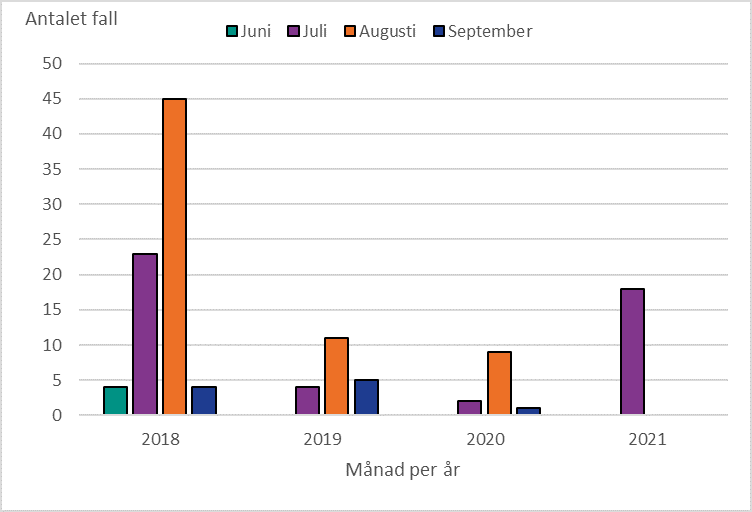
Figure. The number of cases of bath ulcer infection in Sweden reported per month from 2018-06-01 – 2021-07-28

The bar chart shows that there are now more cases of bathing fever reported for 2021 than during the whole of 2019 and 2020, respectively, and that in 2018 an unusual number of cases were reported during June to September, a total of 76 cases, of which 45 during August.