Research – Role of Bacillus cereus biofilm formation behavior in virulence and pathogenic characteristics

Wiley Online

Abstract

This study aimed to examine the potential link between Bacillus cereus biofilm formation, virulence, and pathogenicity. The biofilm formation abilities of nine B. cereus strains isolated from food and two reference strains (ATCC 10876 and ATCC 25621) were measured using a crystal violet assay. Among the tested strains, three strains (GIHE 617-5, GIHE 86-09, and GIHE 728-17) and both reference strains were capable of biofilm formation. A positive correlation was obtained for higher cell surface hydrophobicity and increased biofilm formation. In contrast, HPLC analysis for elevated autoinducer-2 (Al-2) production revealed a negative impact on biofilm formation. PCR data indicated that all tested strains were capable of producing common B. cereus enterotoxins, including Hbl—A, C, and D, CytK, Nhe—B and C, EntFM, and BceT, but were negative for production of the emetic toxin cereulide and the pore-forming toxin Hly II. Meanwhile, RT-PCR data revealed a close correlation between high biofilm formation and the upregulation of several tested virulence genes for selected strains. However, elevated upregulation of virulence genes was not consistent in all of the higher biofilm-forming strains. Cytotoxicity analysis revealed higher virulence characteristics compared to those of low biofilm-forming strains.
Research – High-Pressure Processing—Impacts on the Virulence and Antibiotic Resistance of Listeria monocytogenes Isolated from Food and Food Processing Environments

MDPI

Abstract

High-pressure processing (HPP) is one of the non-thermal methods of food preservation considered to be safe but may cause an increase/decrease in virulence potential and antibiotic resistance. The aim of the present study was to evaluate the survival of L. monocytogenes isolates after high-pressure processing (200 and 400 MPa for 5 min) and to determine changes in phenotypic and genotypic antibiotic resistance and virulence after this treatment. The 400 MPa treatment was shown to be effective in reducing pathogens to safe levels; however, the potential for cell recovery during storage was observed. In addition, studies on changes in virulence indicated possibilities related to a decrease in actA gene expression, overexpression of the hly and osfX gene, and an increase in biofilm-forming ability. The studies on changes in antibiotic resistance of isolates showed that all isolates showing initial susceptibility to lincomycin, fosfomycin, trimethoprim/sulfamethoxazole, and tetracycline became resistant to these antibiotics, which was associated with an increase in the values of minimum inhibitory concentrations. An increase in the expression of antibiotic resistance genes (mainly tetA_1, tetA_3, tetC) was also observed (mainly after the application of 200 MPa pressure), which was isolate dependent. However, it is noteworthy that the induced changes were permanent, i.e., they persisted even after the restoration of optimal environmental conditions. The results presented in our work indicate that the stress occurring during HPP can affect both phenotypic and genotypic changes in the virulence and antibiotic resistance potential of pathogens isolated from food and food processing environments. The potential associated with cell recovery and persistence of changes may influence the spread of virulent isolates of pathogens with increased antibiotic resistance in the food and food processing environment.

Research Dry-surface foodborne pathogens under scrutiny at Purdue

Purdue Edu

Maintaining sanitary conditions without using water presents special challenges

WEST LAFAYETTE, Ind. – During 2021 and 2022, national news reported on four infants being hospitalized and two dying after consuming infant formula tainted with Cronobacter sakazakii. The reports sparked the prolonged shutdown of a production plant that produced large quantities of the formula, leading to a monthslong nationwide shortage of infant formula.

The incident motivated Purdue University’s Haley Oliver to launch a project to improve the safety of low-moisture food-processing facilities. Oliver, a professor of food science, will collaborate with Old Dominion University’s Rishi Drolia on the project, which will target the C. sakazakii pathogen.

“It was a massive-scale food safety challenge that led to a food security challenge,” Oliver said.

Research – Combining Whole Genome Sequencing Data from Human and Non-Human Sources: Tackling Listeria monocytogenes Outbreaks

MDPI

Abstract

Listeria monocytogenes (Lm) is ubiquitous in nature and known for its ability to contaminate foods during production processes. Near real-time monitoring of whole genome sequences from food and human isolates, complemented with epidemiological data, has been used in the Netherlands since 2019 to increase the speed and success rate of source finding in the case of (active) clusters. Nine clusters with 4 to 19 human cases investigated between January 2019 and May 2023 are described. Fish production sites were most often linked to outbreaks of listeriosis (six clusters), though other types of food businesses can face similar Lm problems, as the production processes and procedures determine risk. The results showed that low levels of Lm in food samples can still be linked to disease. Therefore, the investigation of a cluster of cases and deployment of the precautionary principle helps to focus on safe food and to prevent further cases. Good practice of environmental monitoring within a food business allows early detection of potential issues with food safety and helps food businesses to take appropriate measures such as cleaning to prevent regrowth of Lm and thus future outbreaks.

Research – The Rapid Detection of Salmonella enterica, Listeria monocytogenes, and Staphylococcus aureus via Polymerase Chain Reaction Combined with Magnetic Beads and Capillary Electrophoresis

MDPI

Abstract

Food safety concerns regarding foodborne pathogen contamination have gained global attention due to its significant implications. In this study, we developed a detection system utilizing a PCR array combined with an automated magnetic bead-based system and CE technology to enable the detection of three foodborne pathogens, namely Salmonella enterica, Listeria monocytogenes, and Staphylococcus aureus. The results showed that our developed method could detect these pathogens at concentrations as low as 7.3 × 101, 6.7 × 10², and 6.9 × 10² cfu/mL, respectively, in the broth samples. In chicken samples, the limit of detection for these pathogens was 3.1 × 10⁴, 3.5 × 10³, and 3.9 × 10² cfu/g, respectively. The detection of these pathogens was accomplished without the necessity for sample enrichment, and the entire protocols, from sample preparation to amplicon analysis, were completed in approximately 3.5 h. Regarding the impact of the extraction method on detection capability, our study observed that an automated DNA extraction system based on the magnetic bead method demonstrated a 10-fold improvement or, at the very least, yielded similar results compared to the column-based method. These findings demonstrated that our developed model is effective in detecting low levels of these pathogens in the samples analyzed in this study. The PCR-CE method developed in this study may help monitor food safety in the future. It may also be extended to identify other foodborne pathogens across a wide range of food samples.

Advert – Multi‐Target Pathogen Testing in Low‐Moisture Foods

Bio Rad

Low‐moisture foods (LMF) and their production environment, if contaminated with Salmonella, Cronobacter, EB, and STEC, can pose a very serious threat to vulnerable consumers. It is worth re‐evaluating the potential food safety risk within your production environment and ensuring your microbiological testing program aligns with your goals.

Learn about Bio‐Rad’s latest improvements to current pathogen testing methods designed for LMFs.

Quebec – Notice not to consume homemade marinade prepared and sold by the company Marché chez Mirlanda – Food Safety

Quebec

QUEBEC CITY , Oct. 26 , 2023 /CNW/ – The Ministry of Agriculture, Fisheries and Food (MAPAQ), in collaboration with the company Marché chez Mirlanda, located at 1384, chemin de Chambly , in Longueuil , advises the population not to consume the product indicated in the table below, because it has not been prepared and packaged to ensure its safety. In fact, this product could promote the proliferation of the bacteria  Clostridium botulinum . 

Product name

Format

Target lot

“Homemade Marinade”

UNITARY

All lots

The product which is the subject of this warning was offered for sale until October 25, 2023, and only at the establishment designated above. The product was packaged in a glass jar with a metal lid and sold refrigerated. The product label included, in addition to its name, the words “Marche Mirlanda”.

The operator is recalling the product in question. He agreed with MAPAQ to broadcast this warning as a precautionary measure. In addition, people who have this product in their possession are advised not to consume it. They must return it to the establishment where they purchased it or throw it away.

Even if the affected product does not show signs of spoilage or suspicious odor, it could be contaminated with the bacteria Clostridium botulinum . Foods contaminated with the toxin of this bacteria can cause, when ingested, the following symptoms: facial paralysis, unresponsive or fixed pupils, difficulty swallowing, drooping eyelids, vision and speech problems. In severe cases, the disease can cause death.

It should be noted that no cases of illness associated with the consumption of this food have been reported to MAPAQ to date.

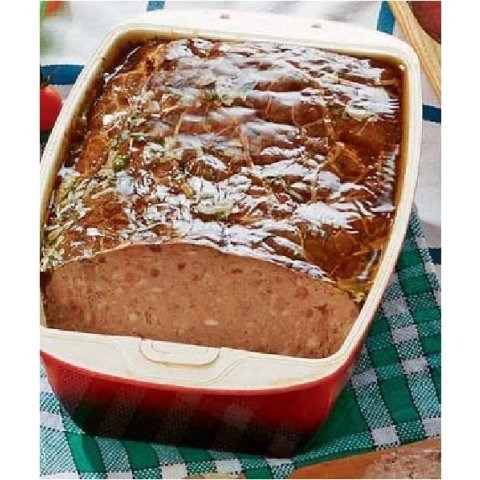
France – SHALLOT COUNTRY PASTE – Listeria monocytogenes

Gov france

  • Product category Food
  • Product subcategory Meats
  • Product brand name UNBRANDED: SUPPLIER COMPAGNIE MADRANGE
  • Model names or references SHALLOT COUNTRY PASTE
  • Product identification
    GTIN Batch Date
    3180947811635 10:08 0227728000 Use-by date 11/29/2023
  • Packaging Food paper
  • Start/end date of marketing From 10/18/2023 to 10/21/2023
  • Storage temperature Product to keep in the refrigerator
  • Geographical sales area Whole France
  • Distributors Super U

USA – Outbreak Investigation of Listeria: Ice Cream (August 2023)

FDA

Product 

  • The Ice Cream House has voluntarily recalled all dairy and non-dairy products with the Ice Cream House logo. Recalled products include dairy and non-dairy (parve):
  • Real Kosher Ice Cream has voluntarily recalled all flavors of Soft Serve On The Go 8-oz ice cream cups 

Additional recall information is available on the recall notices above.

Stores Affected

  • Ice Cream House products: Recalled products with the Ice Cream House brand were sold at the Ice Cream House storefront in Brooklyn, NY and at retail supermarkets in NJ, NY, OH.
  • Real Kosher Ice Cream Soft Serve On The Go cups: Recalled products were sold to multiple retailers in CA, CO, CT, DC, DE, FL, IL, MA, MD, MI, MN, NC, NH, NJ, NY, OH, OR, PA, VA, WV.

Status

Ended

Recommendation

  • This outbreak appears to be over; however, consumers should check their freezers for recalled ice cream and non-dairy [parve] frozen dessert products and should throw the recalled product away. Options to return recalled product can be found in the recall notice from Real Kosher Ice Cream and Ice Cream House.
  • Consumers, restaurants, and retailers who purchased or received any recalled ice cream products should follow FDA’s safe handling and cleaning advice  and use extra vigilance in cleaning and sanitizing any surfaces and containers that may have come in contact with these products to reduce the risk of cross-contamination. Listeria can survive temperatures at or below freezing and can easily spread to other foods and surfaces.
  • Since the recall, the company started placing a label that includes a lot code on their products. If consumers have products in their freezers without a lot code, they should be thrown out.

Recommendation for At-Risk Groups:

  • Listeria is most likely to sicken pregnant people and newborns, adults aged 65 or older, and people with weakened immune systems. Other people can be infected with Listeria, but they rarely become seriously ill.
  • Pregnant people typically experience only fever, fatigue, and muscle aches. However, Listeria infection during pregnancy can lead to miscarriage, stillbirth, premature delivery, or life-threatening infection of the newborn.
  • Call your healthcare provider right away if you have symptoms of a Listeria infection.

Current Update

October 26, 2023

The FDA and CDC, in collaboration with state and local partners, investigated an outbreak of Listeria monocytogenes infections linked to recalled dairy and non-dairy products with the Ice Cream House logo sold at Ice Cream House and Real Kosher Ice Cream.

FDA and state partners collected several samples at the Ice Cream House facility located in Brooklyn, NY. WGS analysis confirmed that the strain of Listeria monocytogenes found in these samples matches the outbreak strain. As of October 26, 2023, CDC announced that the outbreak is over. CDC reports a total of two illnesses in two states. The last illness onset was in May 2023.

Since the recall, the company has taken corrective actions and is now back in operation. The company started placing a label that includes a lot code on their products. FDA’s investigation is complete.

USA – FDA Advises Restaurants and Retailers Not to Serve or Sell and Consumers Not to Eat Oysters from Future Seafoods, Inc., Potentially Contaminated with Salmonella and E. coli

FDA

What’s New

On October 26, 2023, Future Seafoods, Inc. initiated a voluntary recall of all oysters from the harvest area PE9B harvested on 10/10/2023 and distributed to their customers from October 10th through October 16th, 2023.

Retailers should not serve raw oysters from Future Seafoods, Inc. harvested on 10/10/2023 from harvest area PE9B, and distributed to restaurants and retailers in FL, MA, MD, ME, NY, OH, PA, RI, SC, and VA. Additional distribution may have occurred, and the FDA continues to monitor the effectiveness of this recall.

Audience

  • Restaurants and food retailers in Florida (FL), Massachusetts (MA), Maryland (MD), (ME), Pennsylvania (PA), and Virginia (VA) that have recently purchased oysters harvested from Future Seafoods, Inc. (PE 4217 SP) based in Bedeque, Prince Edward Island, Canada.
  • Consumers who have recently purchased oysters from Future Seafoods, Inc. (PE 4217 SP) in FL, MA, MD, ME, PA, or VA.

Product

  • Oysters from Future Seafoods, Inc. (PE 4217 SP), Prince Edward Island, Canada, harvested on 10/10/2023 from harvest area PE9B, and distributedMaine to restaurants and retailers in FL, MA, MD, ME, PA, and VA.

Purpose

The FDA is advising restaurants and food retailers not to sell and to dispose of oysters and consumers not to eat oysters from Future Seafoods, Inc. (PE 4217 SP), Prince Edward Island, Canada, from harvest area PE9B on 10/10/2023, and shipped on 10/10/2023 to importers in FL, MA, MD, ME, PA, and VA, due to the possible presence of Salmonella and E. coli.

Contaminated oysters can cause illness if eaten raw, particularly in people with compromised immune systems. Food contaminated with Salmonella and E. coli may look, smell, and taste normal. Consumers of these products who are experiencing symptoms of salmonellosis or E. coli should contact their healthcare provider and report their symptoms to their local Health Department.