
KSWFoodWorld
France – Vendée ham – Staphylococcus aureus
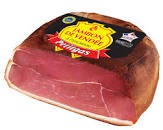
Product category
Food
Product subcategory
Meats
Product brand name
sold without brand in the traditional department
Model names or references
Sold in the traditional department
Product identification
GTIN
0210022000000
Start/end date of marketing
From 02/12/2024 to 02/16/2024
Storage temperature
Product to keep in the refrigerator
Further information
Product sold in the traditional department
Geographical sales area
Whole France
Distributors
E.Leclerc Atlantis Saint Herblain
Posted in food contamination, food handler, Food Hazard, Food Hygiene, Food Inspections, Food Micro Blog, Food Microbiology, Food Microbiology Blog, Food Microbiology Testing, Food Pathogen, Food Poisoning, Food Quality, food recall, Food Safety, Food Safety Alert, Food Safety Management, Food Safety Regulations, Food Testing, Staphylococcal Toxin, Staphylococcus aureus
France – REAL MERGUEZ – Salmonella
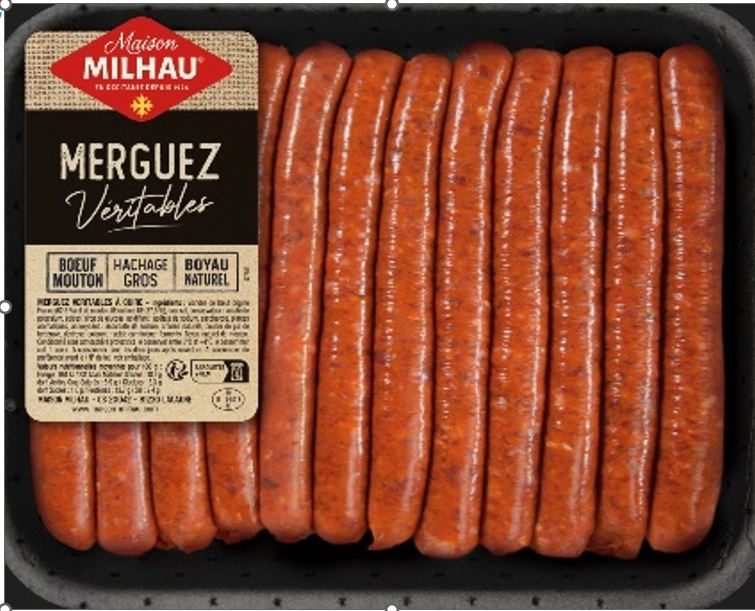
Product category
Food
Product subcategory
Meats
Product brand name
MILHAU HOUSE
Model names or references
300g, 600g trays and traditional shelf
Product identification
GTIN Batch Date
3289010001130 045401 – 045401 – 046401 Use-by date between 02/23/2024 and 02/26/2024
3289010001147 043401 – 046401 Use-by date between 02/23/2024 and 02/26/2024
3289012419315 043429 – 46419 – 043407 – 043414 – 044405 – 046412 – 046401 – 045406 Use-by date between 02/26/2024 and 02/29/2024
Packaging
In 300g, 600g trays or on the traditional shelf
Start/end date of marketing
From 02/13/2024 to 02/16/2024
Storage temperature
Product to keep in the refrigerator
Health mark
FR 81.124.012 CE
Geographical sales area
Whole France
Distributors
GMS
Posted in food contamination, food handler, Food Hazard, Food Hygiene, Food Inspections, Food Micro Blog, Food Microbiology, Food Microbiology Blog, Food Microbiology Testing, Food Pathogen, Food Quality, food recall, Food Safety, Food Safety Alert, Food Safety Management, Food Safety Regulations, Food Testing, Salmonella
Austria – Dairy firm boss faces jail after deadly Listeria outbreak
The head of a dairy company behind a Listeria outbreak in Austria faces more than a year in prison.
The boss of Käserei Gloggnitz was sentenced to 13 months in jail this week. The 39-year-old faced several charges but denied the allegations and the verdict was reported not to be final, according to media reports.
A Listeria outbreak from 2020 to 2022 had 10 cases and caused at least three deaths.
Käserei Gloggnitz faced financial issues in 2022 which led to insolvency proceedings being opened and in 2023 the closure of the plant was ordered.
Additional allegations will be heard in mid-March at the Regional Court of Wiener Neustadt when several other witnesses will also be questioned.
France – CHICKEN LABEL RED SOUTH WEST YELLOW PEYAC s/atm – Listeria monocytogenes
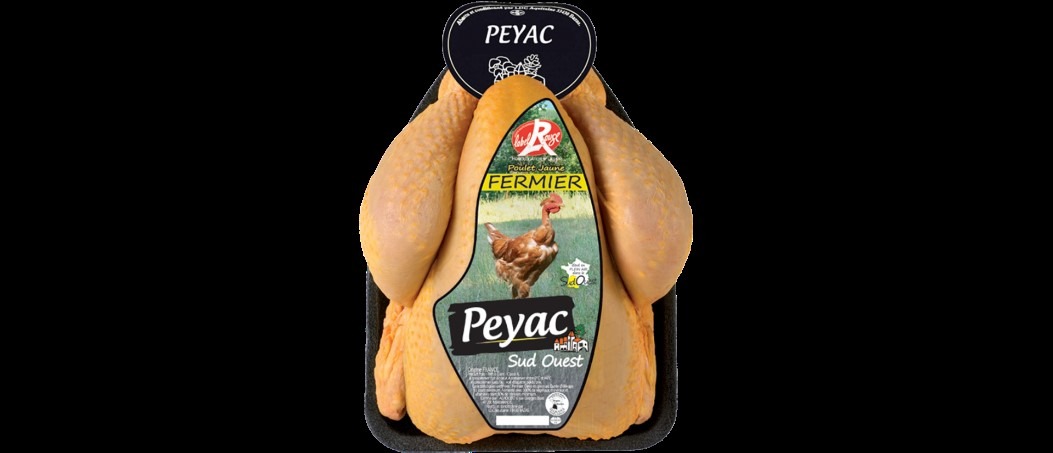
Product category
Food
Product subcategory
Meats
Product brand name
PEYAC
Model names or references
CHICKEN LABEL RED SOUTH WEST YELLOW PEYAC
Product identification
GTIN Batch Date
262001000001 2074055257 Use-by date 01/02/2024
262001000001 2074055257 Use-by date 02/02/2024
Start/end date of marketing
From 01/23/2024 to 02/02/2024
Storage temperature
Product to keep in the refrigerator
Health mark
FR 33.036.001 CE
Geographical sales area
Regions: Nouvelle-Aquitaine, , , , , , , , , , , , Occitanie, , , , , , , , , , , , Provence-Alpes-Côte d’Azur
Distributors
U Stores
List of points of sale
CHICKEN_PEYAC_-_LIST_MAGASINS_U.pdf
Posted in food contamination, food handler, Food Hazard, Food Hygiene, Food Inspections, Food Micro Blog, Food Microbiology, Food Microbiology Blog, Food Microbiology Testing, Food Pathogen, Food Quality, food recall, Food Safety, Food Safety Alert, Food Safety Management, Food Testing, Listeria, Listeria France, Listeria monocytogenes
France – HUMMUS WITH GREEN PEPPER SAUCE – Listeria monocytogenes
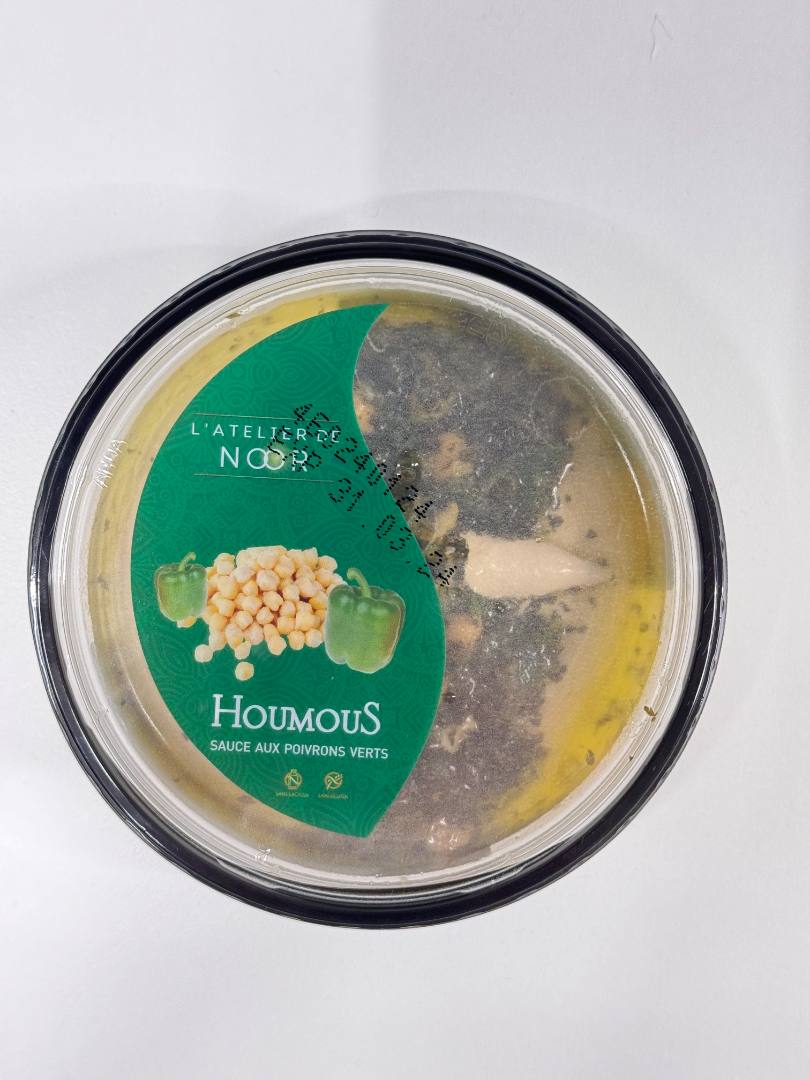
Product category
Food
Product subcategory
Prepared meals and snacks
Product brand name
NOOR’S WORKSHOP
Model names or references
HUMMOUS GREEN PEPPER SAUCE 200 G. Batch number: 3760371400133. DLC: 03/31/2024.
Product identification
GTIN Batch Date
3760371400133 460240124 Use-by date 03/31/2024
Products List
PRODUCT_REMINDER_L’ATELIER_DE_NOOR.pdfAttachment
Packaging
Fresh product, packaged at positive cold in a transparent circular tray, net weight per unit: 200 g.
Start/end date of marketing
From 02/09/2024 to 02/16/2024
Storage temperature
Product to keep in the refrigerator
Further information
Lot number and consumption date specified on the lid.
Geographical sales area
Regions: Île-de-France
Distributors
GMS retailers and wholesalers in Ile-de-France. CARREFOUR / E.LECLERC / Ethnic stores / Butchers.
Posted in food contamination, food handler, Food Hazard, Food Hygiene, Food Inspections, Food Micro Blog, Food Microbiology, Food Microbiology Blog, Food Microbiology Testing, Food Pathogen, Food Quality, food recall, Food Safety, Food Safety Alert, Food Safety Management, Food Safety Regulations, Food Testing, Listeria, Listeria France, Listeria monocytogenes
USA- Hepatitis A risk linked to Chick-fil-A food service worker at University of North Dakota
There has been one confirmed case of Hepatitis A in a food worker, possibly exposed following out-of-state travel. No additional cases have been identified at this time. North Dakota Health and Human Services (HHS) has determined that people who ate at the University of North Dakota (UND) Memorial Union Chick-fil-A, 3625 Campus Rd., Grand Forks, ND, on the following dates and times, may have been exposed to Hepatitis A, which is a contagious liver infection.
January 15, 2024: 5 p.m. – 9 p.m.
January 16, 2024: 11 a.m. – 2:15 p.m.
January 17, 2024: 5 p.m. – 9:45 p.m.
January 22, 2024: 5 p.m. – 9:30 p.m.
January 23, 2024: 11 a.m. – 2 p.m.
January 24, 2024: 5 p.m. – 9:30 p.m.
January 26, 2024: 5 p.m. – 9:30 p.m.
February 4, 2024: 5 p.m. – 8 p.m.
February 6, 2024: 11 a.m. – 2 p.m.
February 7, 2024: 5 p.m. – 8:45 p.m.
Cases can happen in the U.S. in connection to eating contaminated food or drink, person-to-person contact or from other high-risk exposures. It can take about 15 to 50 days (average is one month) after being exposed to Hepatitis A to develop symptoms.
Individuals unsure if they ate food from the UND Memorial Union Chick-fil-A on the specified dates can check credit card purchases or reference their Grubhub app.
Posted in food handler, Food Virus, Hand Washing, Hepatitis A, Virus
USA – Patient count nears 90 in Salmonella outbreak linked to charcuterie meats
Forty more patients have been identified as part of a Salmonella outbreak linked to charcuterie meat products.
As of Feb. 15 the Centers for Disease Control and Prevention was reporting 87 patients across 30 states. The Salmonella I 4:I:- infections have resulted in the hospitalization of 18 patients. Illnesses started on Nov. 20, 2023. The patients range in age from less than 1 to 92 years old.
The true number of people sickened in this outbreak is likely much higher than reported so far because many people do not seek medical attention and those who do are often not tested for Salmonella infection. The CDC estimates that for every case of Salmonella infection diagnosed there are 29 cases that are not identified.
Epidemiologic and laboratory data show that charcuterie meat products from Fratelli Beretta are making people in this outbreak sick. Fratelli Beretta has recalled many brands of charcuterie meat products containing Coppa. Of 46 patients interviewed, 78 percent reported eating a variety of charcuterie meats.
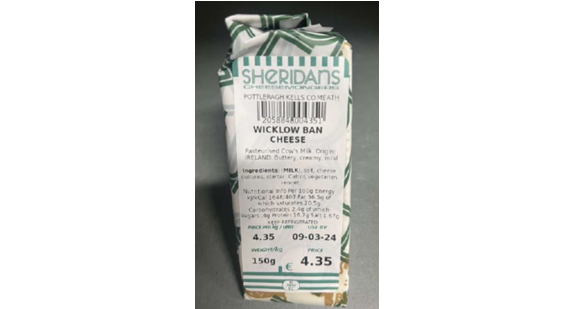
Ireland – Recall of Sheridans Cheesemongers Wicklow Ban Cheese due to the possible presence of Listeria monocytogenes
| Alert Summary | |
|---|---|
| Category 1: | For Action |
| Alert Notification: | 2024.06 |
| Product Identification: | Sheridans Cheesemongers Wicklow Ban Cheese; pack size: 150g |
| Batch Code | All best before dates from 16/2/2024 to 25/2/2024 inclusive |
| Country Of Origin: | Ireland |
Message:
The above batches of Sheridans Cheesemongers Wicklow Ban Cheese are being recalled due to the possible presence of Listeria monocytogenes.
The batches were sold from Sheridan’s Cheese counters in Dunne Stores shops. Recall notices will be displayed at point-of-sale.
Nature Of Danger:
Symptoms of Listeria monocytogenes infection can include mild flu-like symptoms, or gastrointestinal symptoms such as nausea, vomiting and diarrhoea. In rare cases, the infection can be more severe, causing serious complications. Some people are more vulnerable to Listeria monocytogenes infections, including pregnant women, babies, and people with weakened immune systems, including the elderly. The incubation period (time between initial infection and first symptoms appearing) is on average 3 weeks but can range between 3 and 70 days.
Action Required:
Manufacturers, wholesalers, distributors, caterers & retailers:
Retailers are requested to remove the implicated batches from sale and display recall notices at point-of-sale.
Consumers:
Consumers are advised not to eat the implicated batches.
Posted in food contamination, food handler, Food Hazard, Food Hygiene, Food Inspections, Food Micro Blog, Food Microbiology Blog, Food Microbiology Testing, Food Pathogen, Food Quality, food recall, Food Safety, Food Safety Alert, Food Safety Management, Food Safety Regulations, Food Testing, FSAI, Listeria, Listeria in Cheese, Listeria monocytogenes
Belgium – Guacamole mild – mild 175g – Listeria monocytogenes

In agreement with the AFSCA, Ansolive SRL is withdrawing the “Guacamole mild – mild 175g” of the Aper’OH brand from sale and recalling it from consumers due to the possible presence of Listeria monocytogenes.
Ansolive SRL asks its customers not to consume this product and to return it to the point of sale in which it was purchased, where they will be refunded.
Product Description :
Product name: Mild Guacamole
Brand: Aper’OH
Use-by date (DLC): 01/03/2024
Batch number: 24016
Sales period: from 01/16/2024 to 03/01/2024
Nature of packaging: transparent round trays, product packaged in a protective atmosphere
Weight: 175g
The product was sold through various points of sale including Intermarché & Intermarché by Mestdagh.
For any further information , contact Ansolive SRL: 04/247 32 24.
Posted in afsca, food contamination, food handler, Food Hazard, Food Hygiene, Food Inspections, Food Micro Blog, Food Microbiology, Food Microbiology Blog, Food Microbiology Testing, Food Pathogen, Food Quality, food recall, Food Safety, Food Safety Alert, Food Safety Management, Food Safety Regulations, Food Testing, Listeria, Listeria monocytogenes


