S. Anatum, S. Brancaster and S. Montevideo in dog chews from Turkey in Germany
Salmonella spp. feed material (sunflower cake) from Ukraine in Poland
Salmonella spp. feed material (sunflower cake) from Ukraine in Poland

S. Anatum, S. Brancaster and S. Montevideo in dog chews from Turkey in Germany
Salmonella spp. feed material (sunflower cake) from Ukraine in Poland
Salmonella spp. feed material (sunflower cake) from Ukraine in Poland
As a precautionary measure, the Luxembourg authorities wish to inform you that the following product is being recalled in France :
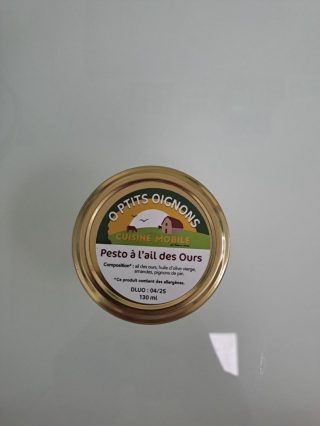
| Name | WILD GARLIC PESTO |
| Brand | O PTITS OIGNONS – mobile kitchen by Thierry Leloup |
| Batch | All lots |
Danger : Clostridium botulinum (agent responsible for botulism)
Botulism is a rare disease that most often results from the consumption of contaminated food containing botulinum toxin produced by Clostridium botulinum . This toxin develops in particular in canned or home-made or artisanal delicatessen products for which the sterilization process has not been mastered. Symptoms generally appear 12 to 72 hours after ingestion of contaminated food, but they can develop earlier or later (2 hours to 10 days). Botulinum poisoning is characterized by neurological signs: sensation of blurred vision, drooping eyelids, speech disorders, difficulty swallowing, dry mouth, muscle weakness. Digestive signs (constipation, vomiting, diarrhea) often accompany neurological signs.
Distribution in Luxembourg commerce is not known to date.
On the other hand, this product was able to be brought back to Luxembourg after having been purchased in France .
Cans of this pesto were sold at the following events (Indre et Loire department):
• Plant and Spring Festival at the Château de la Bourdaisière in Montlouis-sur-Loire, from March 30 to April 1, 2024;
• “Nature in celebration” festival at the Château de Cangé in Saint-Avertin, April 13 and 14, 2024;
• Garlic and basil fair in Tours, July 26, 2024;
• Tomato and flavors festival at the Château de la Bourdaisière in Montlouissur-Loire, September 7 and 8, 2024.
Information source: RASFF (Rapid Alert System for Food and Feed)
Posted in Clostridium, Clostridium botulinum, food contamination, food handler, Food Hazard, Food Hygiene, Food Inspections, Food Micro Blog, Food Microbiology, Food Microbiology Blog, Food Microbiology Testing, Food Pathogen, Food Poisoning, Food Quality, food recall, Food Safety, Food Safety Alert, Food Safety Management, Food Safety Regulations, Food Testing, Food Toxin
Brand : Vivinatura
Name : Iceberg 250 gr
Reason for reporting : Recall due to microbiological risk
Publication date : 12 September 2024

Posted in food contamination, food handler, Food Hazard, Food Hygiene, Food Inspections, Food Micro Blog, Food Microbiology, Food Microbiology Blog, Food Microbiology Testing, Food Pathogen, Food Quality, food recall, Food Safety, Food Safety Alert, Food Safety Management, Food Safety Regulations, Food Testing, Listeria, Listeria monocytogenes
Brand : Très Bon
Name : Iceberg 250 gr
Reason for reporting : Recall due to microbiological risk
Publication date : 12 September 2024
Posted in food contamination, food handler, Food Hazard, Food Hygiene, Food Inspections, Food Micro Blog, Food Microbiology, Food Microbiology Blog, Food Microbiology Testing, Food Pathogen, Food Quality, food recall, Food Safety, Food Safety Alert, Food Safety Management, Food Safety Regulations, Food Testing, Listeria, Listeria monocytogenes
Brand : Torre in Pietra
Name : Iceberg 250 gr Fresh sprouts
Reason for reporting : Recall due to microbiological risk
Publication date : 12 September 2024
Posted in food contamination, food handler, Food Hazard, Food Hygiene, Food Inspections, Food Micro Blog, Food Microbiology, Food Microbiology Blog, Food Microbiology Testing, Food Pathogen, Food Quality, food recall, Food Safety, Food Safety Alert, Food Safety Management, Food Safety Regulations, Food Testing, Listeria, Listeria monocytogenes
Brand : Tornese
Name : Iceberg 150 gr
Reason for reporting : Recall due to microbiological risk
Publication date : 12 September 2024
Posted in food contamination, food handler, Food Hazard, Food Hygiene, Food Inspections, Food Micro Blog, Food Microbiology, Food Microbiology Blog, Food Microbiology Testing, Food Pathogen, Food Quality, food recall, Food Safety, Food Safety Alert, Food Safety Management, Food Safety Regulations, Food Testing, Listeria, Listeria monocytogenes
Brand : Sigma
Name : Iceberg 200 gr Fresh vegetables
Reason for reporting : Recall due to microbiological risk
Publication date : 12 September 2024
Posted in food contamination, food handler, Food Hazard, Food Hygiene, Food Inspections, Food Micro Blog, Food Microbiology, Food Microbiology Blog, Food Microbiology Testing, Food Pathogen, Food Quality, food recall, Food Safety, Food Safety Alert, Food Safety Management, Food Safety Regulations, Food Testing, Listeria, Listeria monocytogenes
Brand : Polenghi
Name : Iceberg 250 gr Fresh Sprouts
Reason for reporting : Recall due to microbiological risk
Publication date : 12 September 2024
Posted in food contamination, food handler, Food Hazard, Food Hygiene, Food Inspections, Food Micro Blog, Food Microbiology, Food Microbiology Blog, Food Microbiology Testing, Food Pathogen, Food Quality, food recall, Food Safety, Food Safety Alert, Food Safety Management, Food Safety Regulations, Food Testing
Brand : Ortofresco pulito
Name : Iceberg 200 gr
Reason for reporting : Recall due to microbiological risk
Publication date : 12 September 2024
Posted in food contamination, food handler, Food Hazard, Food Hygiene, Food Inspections, Food Micro Blog, Food Microbiology, Food Microbiology Blog, Food Microbiology Testing, Food Pathogen, Food Quality, food recall, Food Safety, Food Safety Alert, Food Safety Management, Food Safety Regulations, Food Testing, Listeria, Listeria monocytogenes

 FoodWorld