Category Archives: Vibrio

Tools to Enumerate and Predict Distribution Patterns of Environmental Vibrio vulnificus and Vibrio parahaemolyticus

MDPI

Abstract

Vibrio vulnificus (Vv) and Vibrio parahaemolyticus (Vp) are water- and foodborne bacteria that can cause several distinct human diseases, collectively called vibriosis. The success of oyster aquaculture is negatively impacted by high Vibrio abundances. Myriad environmental factors affect the distribution of pathogenic Vibrio, including temperature, salinity, eutrophication, extreme weather events, and plankton loads, including harmful algal blooms. In this paper, we synthesize the current understanding of ecological drivers of Vv and Vp and provide a summary of various tools used to enumerate Vv and Vp in a variety of environments and environmental samples. We also highlight the limitations and benefits of each of the measurement tools and propose example alternative tools for more specific enumeration of pathogenic Vv and Vp. Improvement of molecular methods can tighten better predictive models that are potentially important for mitigation in more controlled environments such as aquaculture.

RASFF Alert- Vibrio cholerae – Shrimp

Gov france

Presence of Vibrio Cholerae in raw shrimp from Ecuador in Spain

RASFF Alert- Vibrio parahaemolyticus – Oysters

RASFF

Vibrio parahaemolyticus in oysters from France in Switzerland

Research -Seafood-Associated Outbreak of ctx-Negative Vibrio mimicus Causing Cholera-Like Illness, Florida, USA

CDC

Vibrio mimicus caused a seafood-associated outbreak in Florida, USA, in which 4 of 6 case-patients were hospitalized; 1 required intensive care for severe diarrhea. Strains were ctx-negative but carried genes for other virulence determinants (hemolysin, proteases, and types I–IV and VI secretion systems). Cholera toxin–negative bacterial strains can cause cholera-like disease.

Vibrio mimicus, named because of its close metabolic and genetic similarity to V. cholerae, is recognized globally as a cause of foodborne and waterborne diarrheal disease (14). Limited data indicate that V. mimicus incidence is lower than that reported for V. parahaemolyticus and non-O1/non-O139 V. cholerae but comparable to that of V. fluvialis (3,4). Although some V. mimicus strains produce cholera toxin (CTX) or a cholera-like toxin or have genes from the ctx complex, most do not (1,5). Nonetheless, V. mimicus can cause severe, cholera-like illness; the hospitalization rate among case-patients reported in 2014 (the most recent year for which data are available) to the Centers for Disease Control and Prevention is 57% (3). We report a seafood-associated outbreak caused by V. mimicus in Florida, USA, in which 4 of 6 patients required hospitalization

RASFF Alert- Vibrio cholerae – Shrimps from Equador

RASFF

Vibrio cholerae in 25g shrimps from Ecuador in Spain

RASFF Alert- Vibrio cholerae – Shrimps

RASFF

Vibrio cholerae in shrimps from Ecuador in Romania

USA – Man dies after contracting Vibrio vulnificus bacteria from fresh oysters in Texas restaurant

Detroit Free Press

Food Illness

The consumption of raw oysters at a Texas restaurant led to the untimely death of a relatively healthy man in his 30s.

The man, contracted a bacterial infection known as Vibrio vulnificus that thrives in warm coastal waters. Bacterial infections like this one are on the rise as water temperature continues to increase in response to climate change.

Vibrio vulnificus bacteria can be found in raw or undercooked seafood, but also naturally occurs in saltwater and brackish water.

You can be infected with Vibrio when an open wound comes into contact with raw or undercooked seafood, its juices, or its drippings or with saltwater or brackish water, the CDC reported.

RASFF Alert – Vibrio – Pilled Shrimp – Shrimps

RASFF

Vibrio vulnificus in frozen pilled shrimp from Ecuador in France

RASFF

Vibrio cholerae in shrimps from Ecuador in Spain

RASFF Alert- Vibrio cholerae – Ecuador Shrimps

RASFF

Vibrio cholerae in shrimps from Ecuador in Spain

USA – Vibrio and Food

CDC

You can get a Vibrio infection by eating raw or undercooked seafood, particularly oysters. You also can get an infection if you have an open wound that comes in contact with raw or undercooked seafood, their juices, or their drippings.

If you enjoy eating seafood, fishing in coastal waters, or crabbing off the pier, learn more about how you can protect yourself and family from a Vibrio infection.

What foods are commonly linked to Vibrio?

Vibrio bacteria naturally live in coastal waters and can concentrate inside shellfish and other seafood that live in these waters.

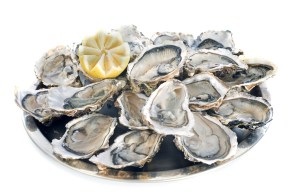
  • Oysters: Oysters feed by filtering water. As oysters feed, Vibrio, norovirus, and other germs can concentrate in them. When you eat raw or undercooked oysters, germs that may be in them can make you sick. Get the facts about Vibrio and oysters >
  • Other shellfish: Oysters aren’t the only shellfish that can carry Vibrio and other germs. Vibrio illnesses have also been linked to crawfish, crab meat, and other shellfish including clams, mussels, and scallops. Stay safe by following CDC’s tips for cooking shellfish and preventing wound infections.
  • Fish: Although Vibrio infections from fish aren’t as common as infections from shellfish, they do happen from time to time. Other harmful germs can be found in fish, too. To help prevent infection, cook fish to 145°F or until its flesh is opaque.

How many people get a Vibrio illness (vibriosis) from food each year?

CDC estimates that vibriosis causes 80,000 illnesses each year in the United States. An estimated 52,000 of those illnesses are caused by eating food containing Vibrio. Most people with a foodborne Vibrio infection have watery diarrhea. Some people may also have stomach cramping, nausea, vomiting, fever, and chills. Symptoms usually start within 1 day after infection and last about 3 days.