Category Archives: Vibrio parahaemolyticus

RASFF Alert – Vibrio parahaemolyticus -Live Lobsters

RASFF-Logo

RASFF – Vibrio parahaemolyticus (TRH+ /25g) in live lobsters from the United States in France

Korea – Ministry warns against food poisoning, flesh-eating bacterial infection -Vibrio species

The Korea Herald

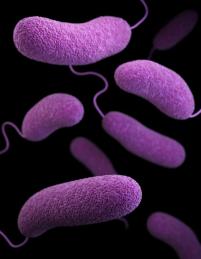
CDC Vibrio

Image CDC

The Food Safety Ministry issued a warning Friday against food poisoning and flesh-eating infection associated with Vibrio bacteria, urging caution in beach-going and seafood consumption.

The ministry said infections of Vibrio bacteria, which thrive in warming waters, are most commonly reported from July to September.

Vibrio parahaemolyticus causes food poisoning and gastrointestinal illnesses, while vulnificus causes flesh-eating disease.

Two main routes of infection identified by the ministry are eating raw or undercooked seafood and exposing open wounds to contaminated waters.

Those with chronic liver diseases or a compromised immune system in particular are advised against eating or handling uncooked seafood and coming in contact with higher salinity waters.

Major symptoms of the bacterial infection include vomiting, diarrhea, cramps, chills and fever.


RASFF Alert – Vibrio parahaemolyticus – Frozen Cooked Whole Crayfish (Procambarus clarckii) in Dill Brine

RASFF-Logo

RASFF – Vibrio parahaemolyticus (presence /20g) in frozen cooked whole crayfish (Procambarus clarckii) in dill brine from China in Sweden

USA – Multistate Outbreak of Gastrointestinal Illnesses Linked to Oysters Imported from Mexico is Over

CDC

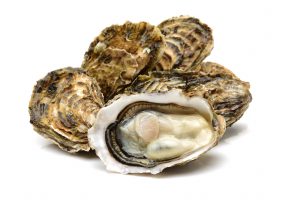
Photo of oysters.

Image CDC

This outbreak appears to be over. Consumers, restaurants, and retailers should always handle and cook oysters properly. Get CDC’s tips for preventing foodborne illness from oysters and other shellfish.

Final Outbreak Information
Illustration of a megaphone.
  • As of June 21, 2019, this outbreak appears to be over.
  • Sixteen ill people were reported from five states.
    • Illnesses started on dates ranging from December 16, 2018, through April 17, 2019.
    • Two people were hospitalized. No deaths were reported.
  • Laboratory testing on samples from patients identified multiple pathogens causing infections. Some people were infected with more than one pathogen.
  • Case counts by pathogen or illness:
    • Four cases of Shigella flexneri infection
    • Two cases of Vibrio parahaemolyticus infection
    • One case of Vibrio parahaemolyticus and Shiga toxin-producing Escherichia coli (STEC) non-O157 coinfection
    • One case of Vibrio parahaemolyticus and Shigella flexneri coinfection
    • One case of Shigella flexneri and Campylobacter lari coinfection
    • One case of Vibrio albensis infection
    • One case of norovirus genogroup 1 infection
    • One case of infection with Vibrio of unknown species
    • Four cases of illness without a pathogen identified
  • Epidemiologic and traceback evidence indicated that raw oysters harvested from Estero El Cardon in Baja California Sur, Mexico, were the likely source of this outbreak.
  • On May 6, 2019, one U.S. distributor of oysters harvested from Estero El Cardon issued a voluntary recallexternal icon.
  • At the request of Mexico’s public health authorities, all raw oysters distributed from Estero El Cardon from the last week of April 2019 through the first week of May 2019 were recalled pdf icon[PDF – 474 KB]external icon.


New Zealand – Food poisoning associated with consumption of raw mussels

MPI Mussels

New Zealand Food Safety is urging people to ensure they cook raw mussels thoroughly after an increase in cases of food poisoning associated with commercially grown New Zealand mussels.

Over the past 6 weeks, there has been an increase in cases of people with food poisoning caused by Vibrio parahaemolyticus.

Vibrio parahaemolyticus is a marine microorganism that occurs naturally throughout the world.  Not all Vibrio parahaemolyticus strains cause illness in humans and surveys to date of New Zealand shellfish have found very low levels and incidence of disease-causing strains.

However, some strains do cause illness in humans.  Symptoms are predominantly stomach cramps and watery diarrhoea and sometimes nausea, vomiting and fever.  Generally people who are sick recover without hospital treatment, however, in severe cases hospitalisation is required.

New Zealand Food Safety’s director of food regulation Paul Dansted says the majority of people who have become sick have bought commercially-grown New Zealand mussels harvested from a single growing area in the Coromandel and were eaten raw or partially cooked. This growing area has been closed by New Zealand Food Safety while further investigations continue.

“Additional testing is being done to confirm the type of Vibrio parahaemolyticus that has caused this illness.  It is possible that the strain of Vibrio parahaemolyticus is unusually aggressive which may mean that even low numbers could cause illness.

“Additional testing of mussels and the waters that they are being grown in is also underway to help us understand why this has happened.

“The mussels at the centre of the outbreak were all bought in their raw state, in the shell. They are not the mussels that can be bought in plastic pottles. Those mussels are cooked and marinated and are not affected.

“Until we have more information, New Zealand Food Safety is reminding people to take care when handling, preparing, and consuming mussels.”

Cooking temperatures for mussels should be above 65°C. This will ensure that any Vibrio parahaemolyticus that is present in mussels will be destroyed.

  • Don’t eat raw or undercooked mussels or other shellfish. Cook them before eating.
  • Always wash your hands with soap and water after handing raw shellfish.
  • Avoid contaminating cooked shellfish with raw shellfish and its juices.

New Zealand Food Safety’s advice to consumers who are pregnant or have low immunity is to avoid eating raw shellfish.

Research – Vibrio spp. from Yesso scallop (Patinopecten yessoensis) demonstrating virulence properties and antimicrobial resistance

Wiley Online

Vibrio_vulnificus_01

Image CDC

Abstract

We report the prevalence and characterization of Vibrio spp. isolated from marketed Yesso scallop (Patinopecten yessoensis) in Korea. A total of 30 isolates including, V. parahaemolyticus (n = 2), V. alginolyticus (n = 9), V. fluvialis (n = 7), V. diabolicus (n = 7), V. anguillarum (n = 4) and V. aestuarianus (n = 1) were isolated and identified. The phenotypic pathogenicity tests demonstrated that, 18 (60%), 21 (70%), 18 (60%), 7 (23%), 22 (73%), 21 (70%), 9 (30%), and 11 (33%) of the isolates were positive for DNase, protease, gelatinase, lipase, phospho‐lipase, amylase, slime production, and haemolysis, respectively. PCR assays revealed the prevalence of toxR, tlh, VAC, vfh, hupO, and VPI genes among the isolates with varying combinations. A close genetic affinity among V. alginolyticus and V. diabolicus strains was observed. Also the virulence genes specific to one Vibrio species were detected among other species as well. In addition, 29/30 (97%) isolates were multidrug resistant, while higher resistance rates were shown for ampicillin, colistin, vancomycin, and cephalothin. The results imply that the scallops in Korean markets harbor Vibrio spp., which are potentially virulent and multidrug resistant, thus their public health implications should not be underrated.

Practical applications

For many decades, vibrios are known for its importance in seafoodborne illnesses. Yesso scallop is the most popular and extensively cultured scallop variety in Korea. Therefore, we sought to assess the marketed fresh Yesso scallops for the prevalence and molecular characterization of Vibrio species. A total of 30 strains were isolated and identified by a series of biochemical tests, subsequent gyrB gene sequencing and phylogenetic analyses. Six Vibrio spp. were identified with V. alginolyticus as the most prevalent. Interestingly, V. alginolyticus was genetically similar to V. diabolicus. Besides, the virulence genes specific to V. alginolyticus and V. parahaemolyticus were observed in other species as well. It suggests that the detection of the species‐specific genes does not ensure the correct identification of pathogenic vibrios. Further, the occurrence of V. parahaemolyticus‐specific virulence genes in other Vibrio spp. potentially complicates the correct tracking of V. parahaemolyticus infections. In addition, 73% of these Vibrio spp. isolates showed multiple antibiotic resistance (MAR) indices higher than 0.2, which signifies their high risk of infection. Collectively, these results provide important evidence that not only the well‐known pathogenic vibrios like V. parahaemolyticus, but also other Vibrio spp. can act alike because of their similar characteristics.

RASFF Alert – Vibrio parahaemolyticus – Frozen Raw Whole Shrimps

RASFF-Logo

RASFF – Vibrio parahaemolyticus (ToxR+ Tdh+ /25g) in frozen raw whole shrimps from Ecuador, via Spain in France

USA – Vibrio Shigella E. coli Outbreak Linked to Raw Oysters in California

Food Poisoning Bulletin

A Vibrio Shigella E. coli and norovirus outbreak linked to raw oysters from Baja California Sur, Mexico has sickened at least 12 people in California, according to the California Department of Public Health (CDPH).

Those twelve patients reported illnesses in February, March, and April 2019 after consuming raw oysters that were sold by restaurants and retailers in Los Angeles, Orange, Santa Barbara, and San Diego counties. The raw oysters were sold throughout the state.

Lab testing was performed on isolates from eight cases. Officials identified Vibrio parahaemolyticus in three patients, Vibrio albensis in one, an unidentified species of Vibrio in one patient, Shigella flexneri serotype 1 in two patients, and norovirus. In addition, one of the people infected with Vibrio parahaemolyticus cases was co-infected with non-O157 Shiga toxin-producing E. coli bacteria.

Traceback evidence has shown that the oysters were harvested from Estero El Cardon. Authorities in Mexico have been notified about this outbreak and are investigating.

RASFF Alert – Vibrio parahaemolyticus – Frozen Shrimps

RASFF-Logo

RASFF – Vibrio parahaemolyticus (present /25g) in frozen shrimps (Penaeus vannamei) from India in the Netherlands

Research – Enzymatic Inactivation of Pathogenic and Nonpathogenic Bacteria in Biofilms in Combination with Chlorine

Journal of Food Protection

This study investigated the effects of enzyme application on biofilms of bacterial isolates from a cafeteria kitchen and foodborne pathogens and the susceptibility of Salmonella biofilms to proteinase K combined with chlorine treatment. For four isolates from a cafeteria kitchen (Acinetobacter, Enterobacter, and Kocuria) and six strains of foodborne pathogens (Salmonella enterica, Staphylococcus aureus, and Vibrio parahaemolyticus), the inhibitory effect of enzymes on biofilm formation at 25°C for 24 h or the degradative efficacy of enzymes on 24-h mature biofilm at 37°C for 1 h in tryptic soy broth (TSB) was examined in a polystyrene microtiter plate. The effect of enzymes was also evaluated on a subset of these strains in 20 times diluted TSB (1/20 TSB) at 25°C. The working concentrations of five enzymes were 1 U/100 μL for α-amylase, amyloglucosidase, cellulase, and DNase and 1 milli-Anson unit/100 μL for proteinase K. In addition, 24-h mature SalmonellaTyphimurium biofilm on a stainless steel coupon was treated with proteinase K for 1 h at 25°C followed by 20 ppm of chlorine for 1 min at 25°C. The results showed that certain enzymes inhibited biofilm formation by the kitchen-originated bacteria; however, the enzymatic effect was diminished on the mature biofilms. Biofilm formation of V. parahaemolyticus was suppressed by all tested enzymes, whereas the mature biofilm was degraded by α-amylase, DNase I, and proteinase K. Proteinase K was effective in controlling Salmonella biofilms, whereas a strain-dependent variation was observed in S. aureusbiofilms. In 1/20 TSB, Enterobacter cancerogenus and Kocuria varians were more susceptible to certain enzymes during biofilm formation than those in TSB, whereas the enzymatic effect was much decreased on 24-h mature biofilms, regardless of nutrient conditions. Furthermore, synergistic inactivation of Salmonella Typhimurium in biofilms was observed in the combined treatment of proteinase K followed by chlorine. Live/Dead assays also revealed a decrease in density and loss of membrane integrity in Salmonella Typhimurium biofilms exposed to the combined treatment. Therefore, certain enzymes can control biofilms of isolates residing in a cafeteria kitchen and foodborne pathogens. This study demonstrates the potential of enzymes for the sanitation of food processing environments and of proteinase K combined with chlorine to control Salmonella biofilms on food contact surfaces.