Category Archives: vibrio cholerae

Sudan – WHO scales up response following Sudan declaration of Cholera outbreak

EMRO

29 September 2023, Cairo, Egypt – Sudan has declared a cholera outbreak in Gedaref State, where 264 suspected cholera cases, 4 confirmed cases and 16 associated deaths had been reported by 25 September 2023. Investigations are ongoing to determine whether cholera has also spread to Khartoum and South Kordofan states, where increased cases of acute watery diarrhoea have been reported.

RASFF Alert- Vibrio cholerae – Shrimps from Equador

RASFF

Vibrio cholerae in 25g shrimps from Ecuador in Spain

RASFF Alert- Vibrio cholerae – Shrimps

RASFF

Vibrio cholerae in shrimps from Ecuador in Romania

RASFF Alert- Vibrio cholerae – Ecuador Shrimps

RASFF

Vibrio cholerae in shrimps from Ecuador in Spain

USA – Vibrio and Food

CDC

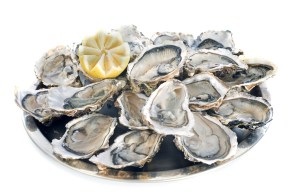
You can get a Vibrio infection by eating raw or undercooked seafood, particularly oysters. You also can get an infection if you have an open wound that comes in contact with raw or undercooked seafood, their juices, or their drippings.

If you enjoy eating seafood, fishing in coastal waters, or crabbing off the pier, learn more about how you can protect yourself and family from a Vibrio infection.

What foods are commonly linked to Vibrio?

Vibrio bacteria naturally live in coastal waters and can concentrate inside shellfish and other seafood that live in these waters.

  • Oysters: Oysters feed by filtering water. As oysters feed, Vibrio, norovirus, and other germs can concentrate in them. When you eat raw or undercooked oysters, germs that may be in them can make you sick. Get the facts about Vibrio and oysters >
  • Other shellfish: Oysters aren’t the only shellfish that can carry Vibrio and other germs. Vibrio illnesses have also been linked to crawfish, crab meat, and other shellfish including clams, mussels, and scallops. Stay safe by following CDC’s tips for cooking shellfish and preventing wound infections.
  • Fish: Although Vibrio infections from fish aren’t as common as infections from shellfish, they do happen from time to time. Other harmful germs can be found in fish, too. To help prevent infection, cook fish to 145°F or until its flesh is opaque.

How many people get a Vibrio illness (vibriosis) from food each year?

CDC estimates that vibriosis causes 80,000 illnesses each year in the United States. An estimated 52,000 of those illnesses are caused by eating food containing Vibrio. Most people with a foodborne Vibrio infection have watery diarrhea. Some people may also have stomach cramping, nausea, vomiting, fever, and chills. Symptoms usually start within 1 day after infection and last about 3 days.

RASFF Alerts- Vibrio cholerae – Shrimp

RASFF

Vibrio cholerae in frozen shrimps from Ecuador in Bulgaria

RASFF

Vibrio cholerae in shrimps from Ecuador in Spain

RASFF Alerts- Vibrio Cholerae – Shrimps from Ecuador

RASFF

Vibrio cholera in frozen shrimps from Ecuador in Spain

RASFF

Vibrio cholera in frozen shrimps from Ecuador in Spain

RASFF

Detection of Vibrio cholerae in shrimps from Ecuador in Spain

RASFF

Vibrio cholerae in frozen shrimps from Ecuador in Spain

RASFF

Vibrio cholerae in shrimps from Ecuador in Spain

RASFF Alerts – Vibrio cholerae – Pacific White Shrimps – Shrimps

RASFF

Vibrio cholerae in Pacific white shrimps from Ecuador in Spain

RASFF

Microbiological contamination (Vibrio cholerae), frozen shrimps, Ecuador in Spain

RASFF

Microbiological contamination (Vibrio cholerae), frozen shrimps, Ecuador in Spain

RASFF Alert- Vibrio cholerae – Shrimps

RASFF

Vibrio cholerae in shrimps from Ecuador in Romania

RASFF

Vibrio cholerae in shrimps from Ecuador in Romania

Research – Can Non-Toxigenic Vibrio cholerae Reduce a Cholera Infection?

CRIS Haifa

Abstract

Vibrio cholerae, is the causative agent of cholera, that infects millions, annually. Chironomids are aquatic insects that host V. cholerae. Toxigenic strains produce cholera toxin (CT) which is the main virulence factor that causes cholera symptoms. In contrast to other bacterial pathogens, V. cholerae produces CT when at low cell densities while hemagglutinin/protease (HAP) is a high cell density-controlled gene. When V. cholerae behavior was examined on chironomids, we showed that high cell densities of non-toxigenic strains, increased HAP production in a toxigenic strain, conditions which could also potentially reduce CT production. Here we propose the value of studies that could support the potential of V. cholerae non-toxigenic strains to repress virulence gene expression in cholera-infected humans. High cell densities of a non-toxigenic strain present in an infected individual, may down-regulate CT expression, reducing cholera symptoms. To further test the hypothesis supported by a chironomid model, additional experiments in animal models are first needed.