Category Archives: shellfish toxin

New Zealand – Public health warning extended for shellfish on the West Coast, South Island – Diarrhetic Shellfish Toxins

MPI

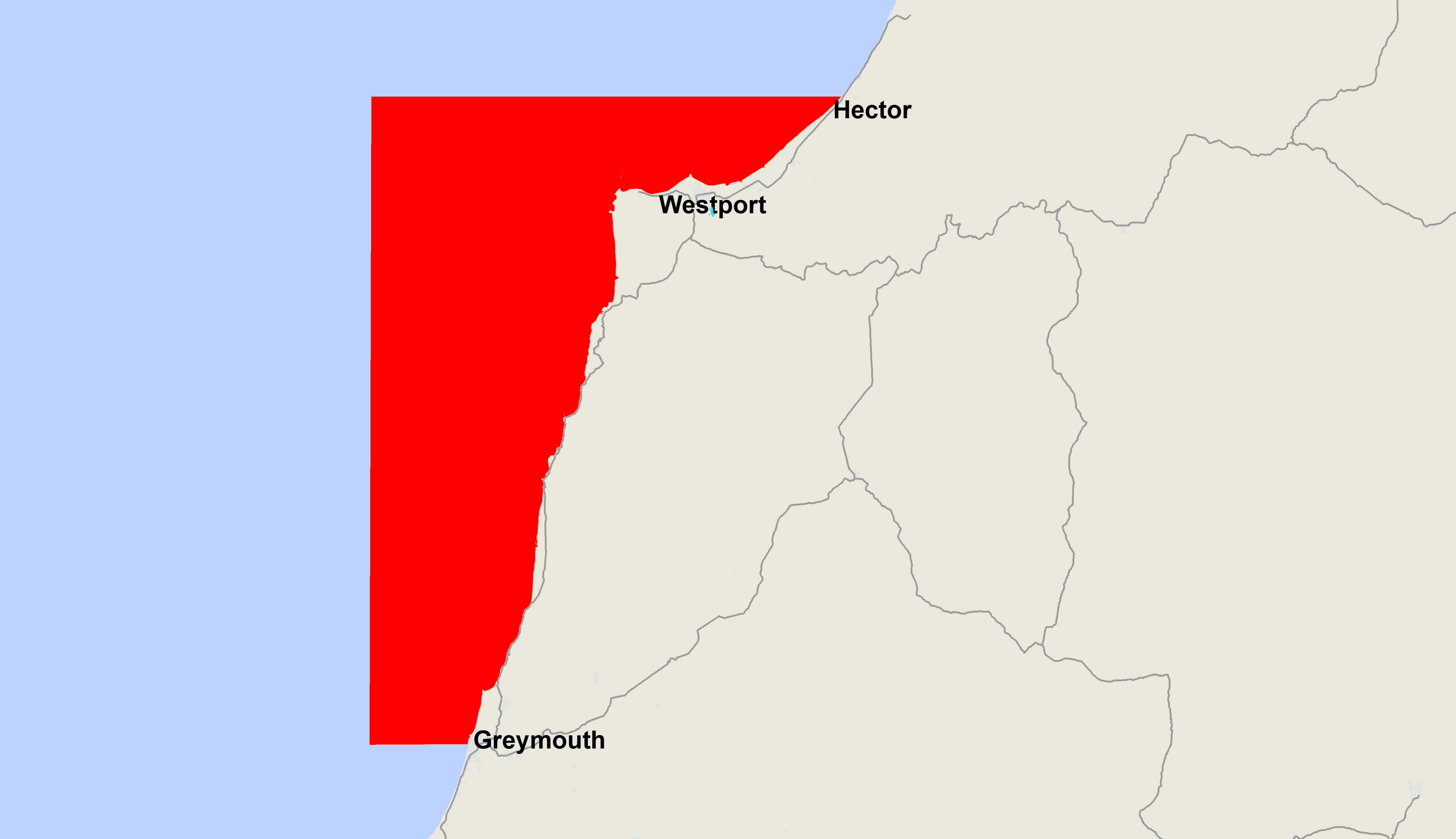
The Ministry for Primary Industries (MPI) today issued an extension to the public health warning advising the public not to collect or consume shellfish harvested from the South Island’s West Coast. The public health warning now extends from the Grey River mouth, north to the Ngakawau River mouth at Hector.

Tests on shellfish samples taken from Cape Foulwind have detected levels of Diarrhetic Shellfish Toxins above the safe limit of 0.16 mg/kg set by MPI.  Anyone eating shellfish from this area is potentially at risk of illness.

Ongoing testing will continue and any changes will be communicated accordingly.

Mussels, oysters, tuatua, pipi, toheroa, cockles, scallops, catseyes, kina (sea urchin) and all other bivalve shellfish should not be eaten.

Note, cooking shellfish does not remove the toxin.

Pāua, crab and crayfish may still be eaten if the gut has been completely removed prior to cooking, as toxins accumulate in the gut. If the gut is not removed, its contents could contaminate the meat during the cooking process.

Symptoms typically appear within half an hour of ingestion and last for about 24 hours. Symptoms may include:

  • diarrhoea
  • vomiting
  • nausea
  • abdominal cramps.

If anyone becomes ill after eating shellfish from an area where a public health warning has been issued, freephone Healthline for advice on 0800 61 11 16, or seek medical attention immediately. You are also advised to contact your nearest public health unit and keep any leftover shellfish in case it can be tested.

Commercially harvested shellfish – sold in shops and supermarkets, or exported – are subject to strict water and flesh monitoring programmes by MPI to ensure they are safe to eat. There is no commercial harvesting of shellfish in the affected area.
New Zealand – Public health warning about shellfish in the Orewa and Warkworth area, North Island – PSP Toxins

MPI

The Ministry for Primary Industries (MPI) today issued a public health warning against collecting shellfish from the Orewa and Warkworth area. The warning extends from Takatu Point on the Tāwharanui Peninsula, south to Huaroa Point on the Whangaparoa Peninsula. The warning includes Mahurangi Harbour, Kawau Island and the smaller islands west of Kawau Island.

Routine tests on shellfish samples taken from Mahurangi Harbour have shown levels of Paralytic Shellfish Poisoning (PSP) toxins above the safe limit of 0.8 mg/kg set by MPI. Anyone eating shellfish from this area is potentially at risk of illness.

Mussels, oysters, tuatua, pipi, toheroa, cockles, scallops, catseyes, kina (sea urchin) and all other bivalve shellfish should not be eaten.

Note, cooking shellfish does not remove the toxin.

Pāua, crab and crayfish may still be eaten if the gut has been completely removed prior to cooking, as toxins accumulate in the gut. If the gut is not removed its contents could contaminate the meat during the cooking process.

Symptoms typically appear between 10 minutes and 3 hours after ingestion and may include:

  • numbness and a tingling (prickly feeling) around the mouth, face, and extremities (hands and feet)
  • difficulty swallowing or breathing
  • dizziness
  • headache
  • nausea
  • vomiting
  • diarrhoea
  • paralysis and respiratory failure and in severe cases, death.

If anyone becomes ill after eating shellfish from an area where a public health warning has been issued, freephone Healthline for advice on 0800 61 11 16, or seek medical attention immediately. You are also advised to contact your nearest public health unit and keep any leftover shellfish in case it can be tested.

Monitoring of toxin levels will continue and any changes will be communicated accordingly. Commercially harvested shellfish – sold in shops and supermarkets, or exported – is subject to strict water and flesh monitoring programmes by MPI to ensure they are safe to eat. There is no commercial harvesting of shellfish in the affected area.
USA – Marine Biotoxin Management for Molluscan Shellfish Training Video

FDA

FDA developed a training video on marine biotoxin management to provide a better understanding of specific biotoxin concepts in the National Shellfish Sanitation Program (NSSP). The video has been updated and reflects the NSSP Guide for the Control of Molluscan Shellfish: 2019 Revision. The video, comprised of three learning modules, is a tool to help the seafood industry and state and federal agencies understand biotoxin sources and geographic distributions, develop or improve marine biotoxin management and contingency plans, and determine the appropriate laboratory methods for specific applications.

New Zealand – Shellfish biotoxin alerts

MPI

ALL WARNINGS ARE UP-TO-DATE

We review the warnings on this page following sampling, and update it when we find toxic shellfish.

If you have questions, email info@mpi.govt.nz

Current warnings

No warnings are in place.

Dates of recent warnings issued and removed
  • 20 January 2022: Grove Arm and Banks Peninsula warnings removed
  • 17 December 2021: Extended to entire Banks Peninsula warning issued
  • 15 December 2021: Akaroa Harbour warning issued
  • 24 November 2021: Marlborough Sounds warning issued
  • 16 June 2021: Hawke Bay warning removed

RASFF Alert – Diarrhoeic Shellfish Poisoning (DSP) toxins – Live Mussels (Mytilus galloprovincialis)

RASFF

Diarrhoeic Shellfish Poisoning (DSP) toxins (161 µg/kg – ppb) in live mussels (Mytilus galloprovincialis) from Italy in Spain

Information – How to Report Seafood-Related Toxin and Scombrotoxin Fish Poisoning Illnesses

FDA

To help FDA effectively investigate, remove unsafe seafood products from the market, and develop new prevention strategies, the FDA relies on illness reporting from public health officials and healthcare providers. While most foodborne outbreaks are tracked through the FDA’s Coordinated Outbreak Response and Evaluation (CORE) network, seafood-related illnesses caused by natural toxins have a unique reporting mechanism. This web page provides information on commonly occurring seafood-related illnesses and how to report them to the FDA.  To report an illness from raw bivalve molluscan shellfish, email the FDA at shellfishepi@fda.hhs.gov.

The FDA receives reports of illnesses associated with the consumption of specific types of fish. These illnesses may originate from the activity of certain bacteria, toxins produced by marine algae, or hazards inherent in the fish.

Commonly occurring illness:

Illness and reporting information for the commonly occurring illnesses are provided in each section. Contact the FDA with any questions or need for clarification of the illness or reporting.

In addition to the illnesses listed above, reporting of other less frequently occurring illnesses from natural toxins may be accomplished by emailing the FDA at Seafood.Illness@fda.hhs.gov.  Refer to Chapter 6 of the “Fish and Fishery Products Hazards and Controls Guidance” for a comprehensive list of natural toxin illnesses. To report illnesses related to miscellaneous natural toxin illnesses, please email FDA at Seafood.Illness@fda.hhs.gov.

The FDA works with first responders, physicians, and state and local health departments to investigate illnesses and outbreaks, manage them, and learn how to lessen future occurrences.

New Zealand – Shellfish Biotoxin Alert – Diarrhetic Shellfish Poisoning (DSP)

Akaroa, Canterbury

Marlborough Sounds
Reason for alert Diarrhetic Shellfish Poisoning (DSP)

Check the symptoms of DSP

Date warning issued 15 December 2021

Media release: Public health warning about shellfish in Akaroa Harbour, Canterbury

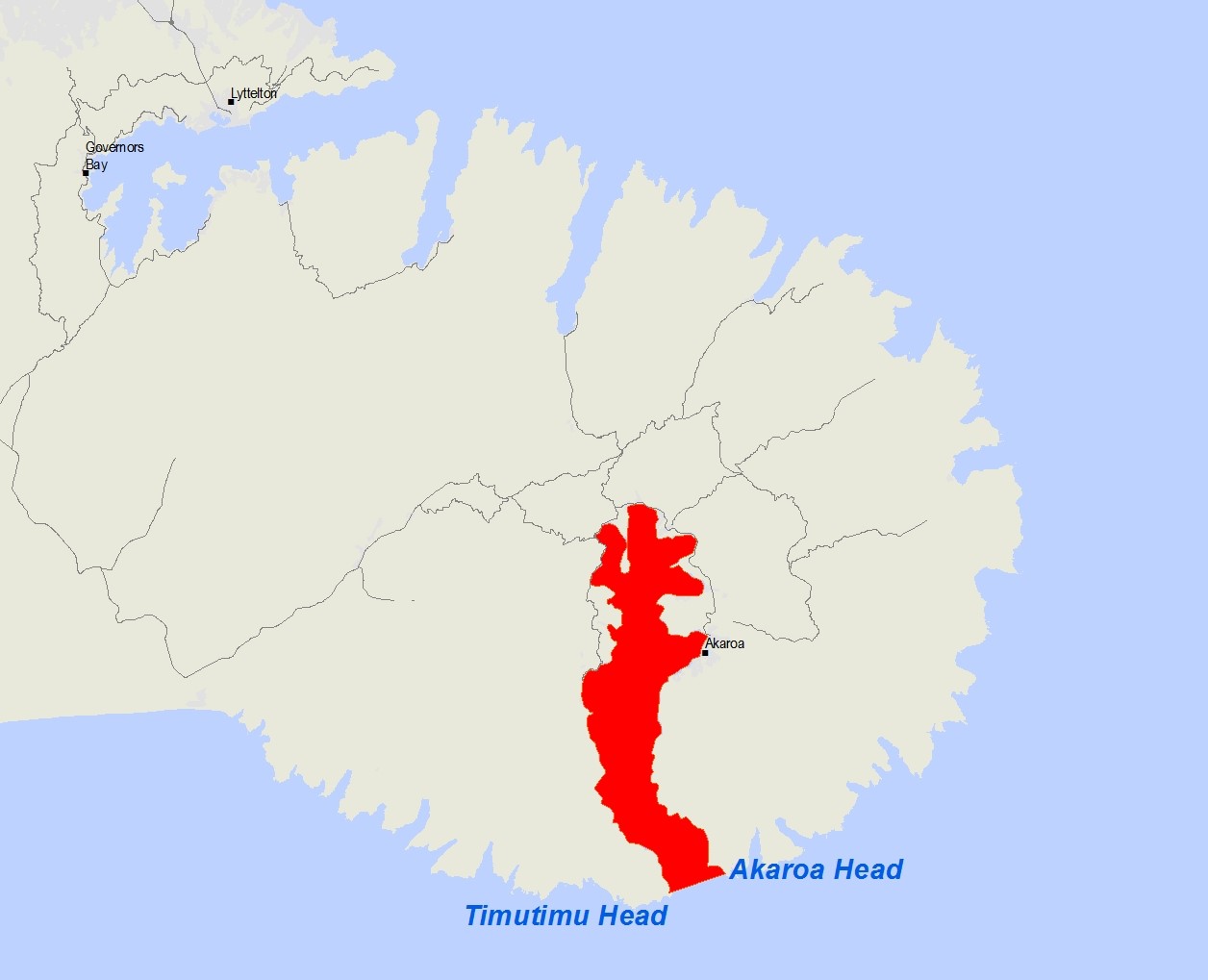
Affected area The entire Akaroa Harbour, extending to the outer heads.
Shellfish affected Mussels, oysters, tuatua, pipi, toheroa, cockles, scallops, catseyes, kina (sea urchin) and all other bivalve shellfish.

Note, cooking shellfish does not remove the toxin.

Pāua, crab, and crayfish may still be eaten if the gut has been completely removed prior to cooking, as toxins accumulate in the gut. If the gut is not removed its contents could contaminate the meat during the cooking process.

Symptoms Symptoms typically appear within half an hour of ingestion and last for about 24 hours and may include:

  • diarrhoea
  • vomiting
  • nausea
  • abdominal cramps
Other information Diarrhetic Shellfish Toxins have been detected in shellfish at levels above the safe limit of 0.16mg/kg set by MPI. Ongoing testing will continue and any changes will be communicated accordingly.

Map of the affected area in Akaroa Harbour in Canterbury.

Public warnings about toxic shellfish

We test shellfish and seawater for toxic algae every week from popular shellfish gathering areas around New Zealand. If the shellfish are not safe to eat, we issue public health warnings and put up signs at affected beaches.

Iceland – Warning against consuming mussels from Hvalfjörður – Algal Toxins

MAST

Matvælastofnun continues to warn against picking and consuming mussels from Hvalfjörður, as DSP algae toxins were recently detected above the reference limits.  

DSP algae toxins in mussels can cause abdominal pain, diarrhea, nausea and vomiting. Symptoms appear soon after consumption and disappear within a few days. 

A representative of the Food Administration collected mussels on Friday 22 October at Fossá in Hvalfjörður. The purpose was to investigate whether it was safe for the public to pick mussels in Hvalfjörður. The results of the measurements showed that the DSP algae toxin was 440 µg / kg but a month ago 1150 µg / kg was measured in the mussel. Both values ​​are well above the limit of 160 µg / kg. 

Consumers are still warned not to eat mussels from the fjord as things stand. The agency will continue to monitor the situation and let them know when it will be safe to eat mussels from the fjord. During the winter, sampling is monthly, as algae growth is slow during the dark winter months and algae toxicity changes are slower. 

Finally, the Food Administration would like to draw attention to the fact that there is always a risk involved in consuming shellfish collected during shell picking, and this is always at your own risk.  

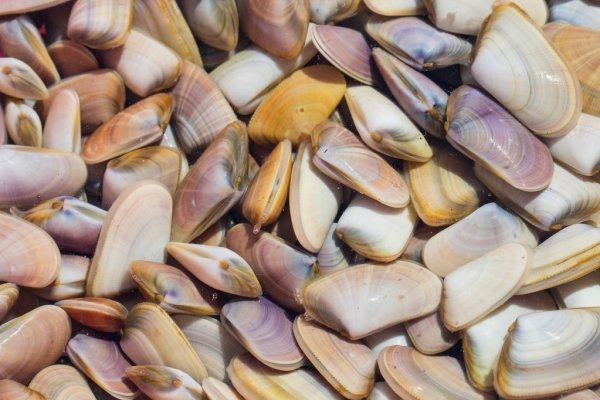
France – Tellines – DSP marine biotoxins (diarrheal toxins)

Gov france

Identifying information for the recalled product

  • Product category Food
  • Product sub-category Fishery and aquaculture products
  • Product brand name Unbranded
  • Names of models or references Tellines shipped from 07/20/21 to 07/22/21
  •  Product identification
    Lot
    All lots
  • Start date / End of marketing From 07/20/2021 to 07/22/2021
  • Storage temperature Product to be stored in the refrigerator
  • Health markFR.29.158.500.CE
  • Geographical sales area Whole France
  • Distributors Wholesalers

Practical information regarding the recall

  • Reason for recall Closure of fishing areas
  • Risks incurred by the consumer DSP marine biotoxins (diarrheal toxins)
  • Consumer behaviour Stop consuming
  • Sanitary recommendation Food poisoning caused by these toxins results in gastrointestinal disorders (diarrhoea, vomiting, abdominal pain), headaches  moderate fever appearing between 2 hours and 18 hours after consumption.
  • Compensation modalities Other (see additional information)
  • End date of the recall procedure Tuesday, August 10, 2021

RASFF Alert – Marine Biotoxin – Live Slipper Clams

RASFF

HIGH LEVELS OF LIPOPHILIC BIOTOXINS IN LIVE SLIPPER CLAM (VENERUPIS CORRUGATA) FROM PORTUGAL in Spain

Lipophilic marine biotoxins include okadaic acid, pectenotoxin, yessotoxin and azaspiracid groups.