Archives
-
Join 343 other subscribers
KSWFoodWorld
Blog Stats
- 428,103 Views
Category Archives: shellfish toxin
Research – A Comprehensive Review for the Surveillance of Human Pathogenic Microorganisms in Shellfish
Bivalve molluscan shellfish have been consumed for centuries. Being filter feeders, they may bioaccumulate some microorganisms present in coastal water, either naturally or through the discharge of human or animal sewage. Despite regulations set up to avoid microbiological contamination in shellfish, human outbreaks still occur. After providing an overview showing their implication in disease, this review aims to highlight the diversity of the bacteria or enteric viruses detected in shellfish species, including emerging pathogens. After a critical discussion of the available methods and their limitations, we address the interest of technological developments using genomics to anticipate the emergence of pathogens. In the coming years, further research needs to be performed and methods need to be developed in order to design the future of surveillance and to help risk assessment studies, with the ultimate objective of protecting consumers and enhancing the microbial safety of bivalve molluscan shellfish as a healthy food.
Posted in Amnesic Shellfish Poisoning, Decontamination Microbial, Diarrhoeic Shellfish Poisoning, Enteropathogenic E. coli, Food Micro Blog, Food Microbiology, Food Microbiology Blog, Food Microbiology Research, Food Microbiology Testing, Food Pathogen, microbial contamination, Microbial growth, Microbiological Risk Assessment, Microbiology, Microbiology Investigations, Microbiology Risk, paralytic shellfish poisoning, Pathogen, pathogenic, Shellfish, shellfish toxin
New Zealand – Shellfish Biotoxin Alert – Port Underwood – South Island
South Island warning
| Reason for alert | Paralytic Shellfish Poisoning (PSP) |
| Date warning issued | 31 May 2023 |
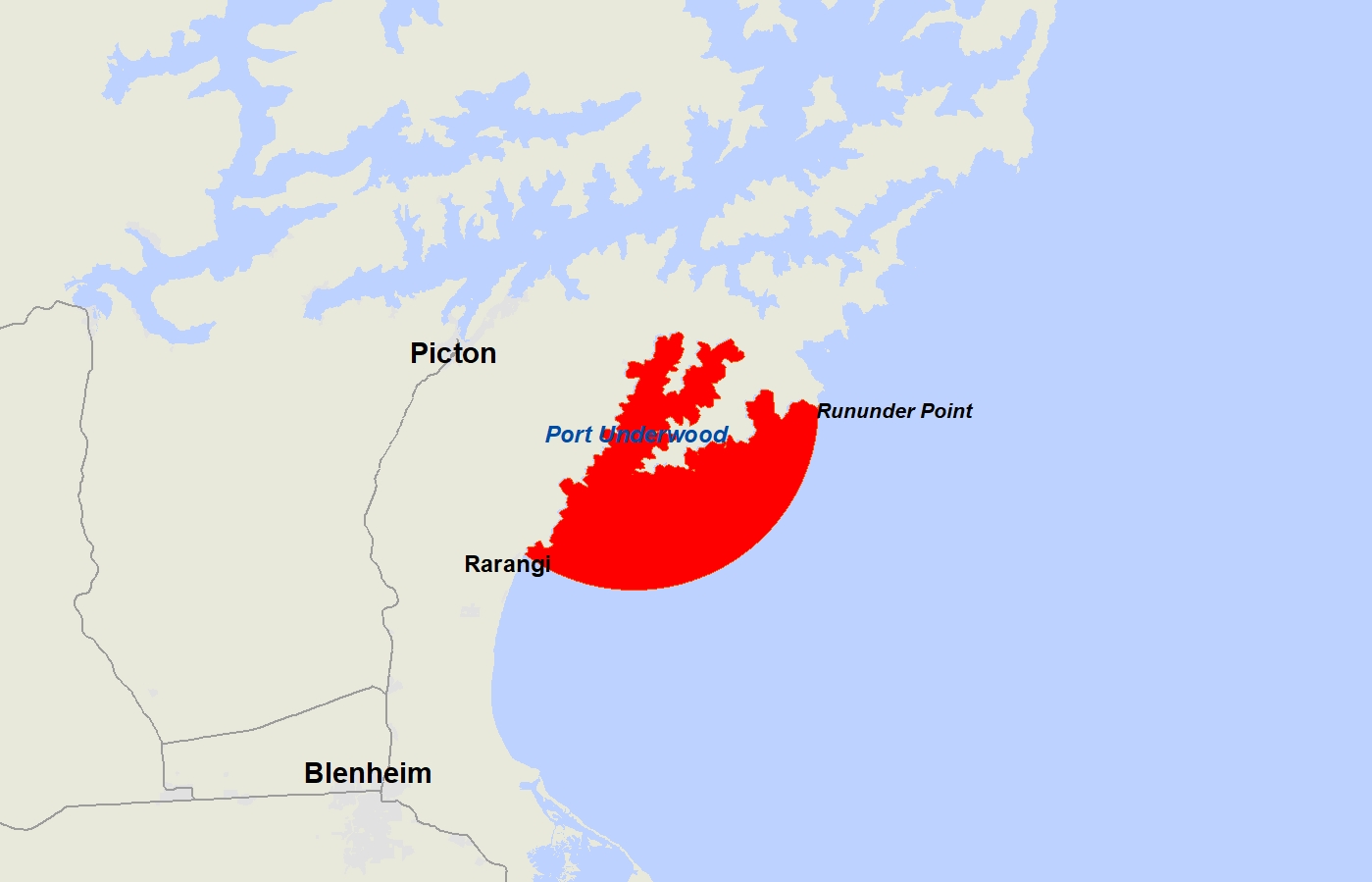
| Affected area | Port Underwood |
| Shellfish affected | Mussels, oysters, tuatua, pipi, toheroa, cockles, scallops, catseyes, kina (sea urchin) and all other bivalve shellfish.
Note, cooking shellfish does not remove the toxin. Pāua, crab and crayfish may still be eaten if the gut has been completely removed prior to cooking, as toxins accumulate in the gut. If the gut is not removed its contents could contaminate the meat during the cooking process. |
| Symptoms | Symptoms typically appear between 10 minutes and 3 hours after ingestion and may include:
|
| Other information | Paralytic shellfish toxins have been detected in mussels throughout Port Underwood at levels well over the safe limit of 0.8mg/kg set by New Zealand Food Safety. Ongoing testing will continue and any changes will be communicated accordingly. |
Map of the affected area

Posted in Food Micro Blog, Food Microbiology, Food Microbiology Blog, Food Microbiology Testing, Lipophilic Marine Biotoxin, Marine Biotoxin, microbial contamination, Microbial growth, Microbiological Risk Assessment, Microbiology, Microbiology Investigations, Microbiology Risk, paralytic shellfish poisoning, PSP, Shellfish, shellfish toxin
New Zealand – Shellfish biotoxin alerts – PSP
South Island warning
| Reason for alert | Paralytic Shellfish Poisoning (PSP) |
| Date warning issued | 31 May 2023 |
| Affected area | Port Underwood |
| Shellfish affected | Mussels, oysters, tuatua, pipi, toheroa, cockles, scallops, catseyes, kina (sea urchin) and all other bivalve shellfish.
Note, cooking shellfish does not remove the toxin. Pāua, crab and crayfish may still be eaten if the gut has been completely removed prior to cooking, as toxins accumulate in the gut. If the gut is not removed its contents could contaminate the meat during the cooking process. |
| Symptoms | Symptoms typically appear between 10 minutes and 3 hours after ingestion and may include:
|
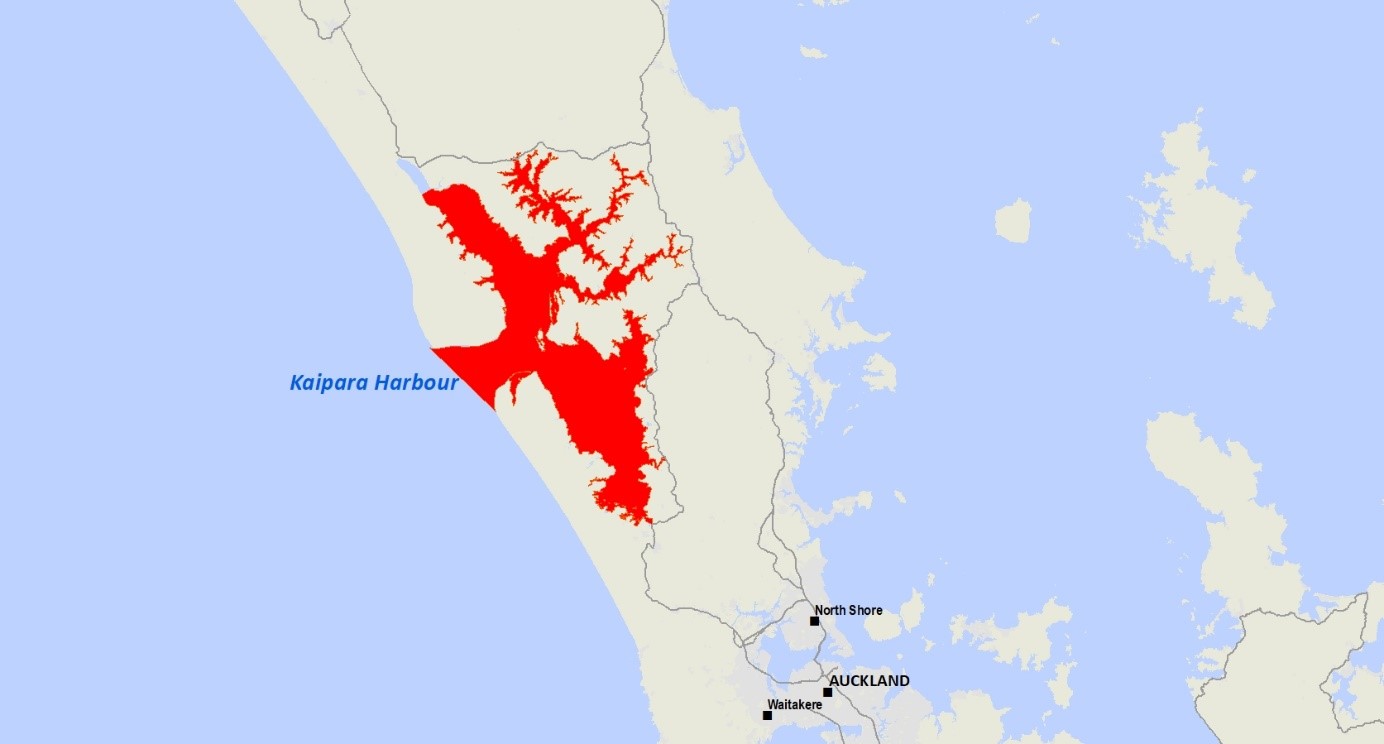
| Other information | Paralytic shellfish toxins have been detected in shellfish from the Kaipara Harbour at levels over the safe limit of 0.8mg/kg set by MPI. Ongoing testing will continue and any changes will be communicated accordingly. |
Map of the affected area

Posted in food contamination, food handler, Food Hazard, Food Hygiene, Food Inspections, Food Micro Blog, Food Microbiology, Food Microbiology Blog, Food Microbiology Testing, Food Poisoning, Food Quality, food recall, Food Safety, Food Safety Alert, Food Safety Management, Food Safety Regulations, Food Testing, Food Toxin, MPI, paralytic shellfish poisoning, PSP, Shellfish, shellfish toxin
New Zealand – North Island warning Extended – PSP
North Island warning
| Reason for alert | Paralytic Shellfish Poisoning (PSP) |
| Date warning issued | Extended 18 May 2023 |
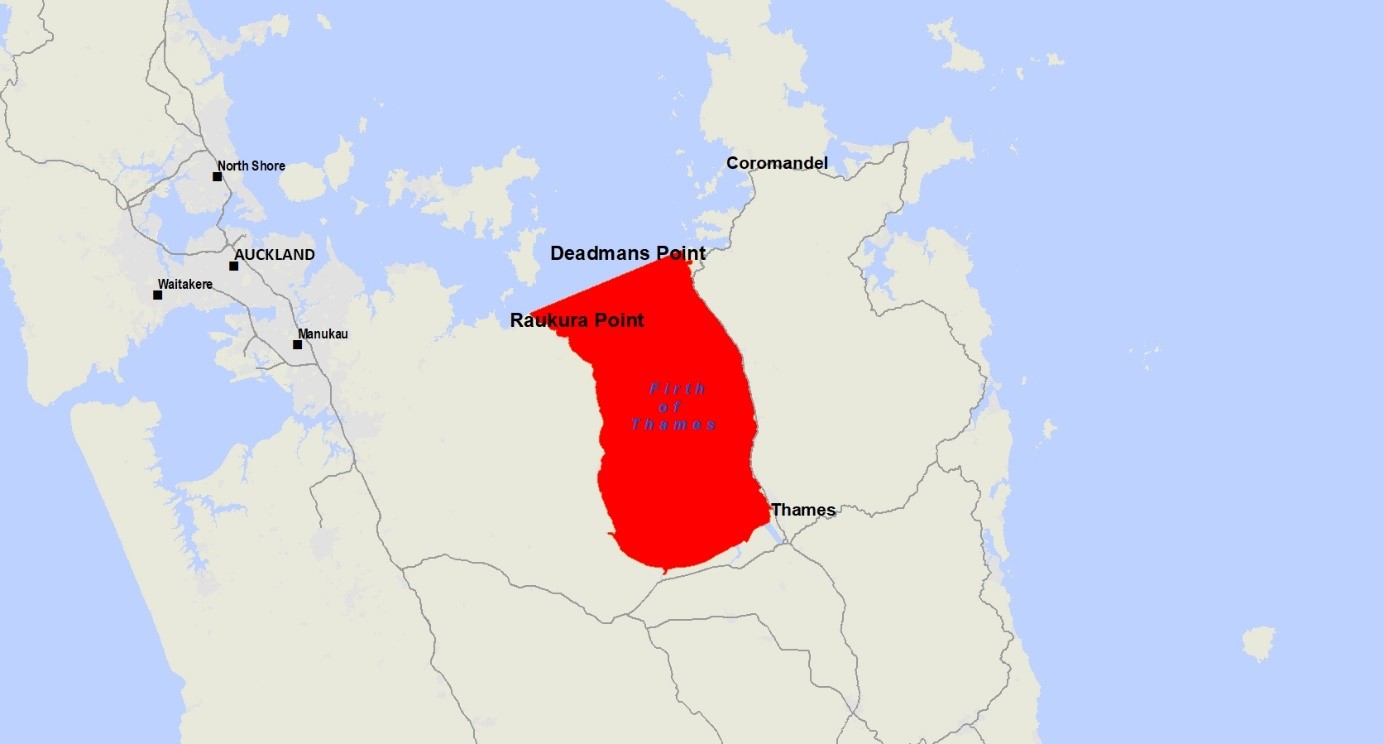
| Affected area | Firth of Thames. |
| Shellfish affected | Mussels, oysters, tuatua, pipi, toheroa, cockles, scallops, catseyes, kina (sea urchin) and all other bivalve shellfish.
Note, cooking shellfish does not remove the toxin. Pāua, crab and crayfish may still be eaten if the gut has been completely removed prior to cooking, as toxins accumulate in the gut. If the gut is not removed its contents could contaminate the meat during the cooking process. |
| Symptoms | Symptoms typically appear between 10 minutes and 3 hours after ingestion and may include:
|
| Other information | Paralytic shellfish toxins have been detected in shellfish from the Kaipara Harbour at levels over the safe limit of 0.8mg/kg set by MPI. Ongoing testing will continue and any changes will be communicated accordingly. |
Map of the affected area

Public warnings about toxic shellfish
We test shellfish and seawater for toxic algae every week from popular shellfish gathering areas around New Zealand. If the shellfish are not safe to eat, we issue public health warnings and put up signs at affected beaches.
Posted in Decontamination Microbial, Food Micro Blog, Food Microbiology, Food Microbiology Blog, Food Microbiology Research, Food Microbiology Testing, microbial contamination, Microbial growth, Microbiological Risk Assessment, Microbiology, Microbiology Investigations, Microbiology Risk, MPI, paralytic shellfish poisoning, Shellfish, shellfish toxin
RASFF Alerts – ASP Toxins – Tellins
ASP toxins in Tellins from France in Spain
Posted in Amnesic Shellfish Poisoning, ASP, food contamination, food handler, Food Hazard, Food Hygiene, Food Inspections, Food Micro Blog, Food Microbiology, Food Microbiology Blog, Food Microbiology Testing, Food Poisoning, Food Quality, food recall, Food Safety, Food Safety Alert, Food Testing, Food Toxin, RASFF, Shellfish, shellfish toxin
New Zealand – Shellfish biotoxin alert – Firth of Thames
New Zealand Food Safety today issued a public health warning advising the public not to collect or consume shellfish harvested from the entire Firth of Thames area up to a line from Raukura Point across to Deadmans Point.
Routine tests on shellfish samples taken from this region have shown levels of Paralytic Shellfish Poisoning (PSP) toxins above the safe limit of 0.8 mg/kg set by New Zealand Food Safety. Anyone eating shellfish from this area is potentially at risk of illness.
Mussels, oysters, tuatua, pipi, toheroa, cockles, scallops, catseyes, kina (sea urchin) and all other bivalve shellfish should not be eaten.
Note: cooking shellfish does not remove the toxin.
Pāua, crab and crayfish may still be eaten if the gut has been completely removed prior to cooking, as toxins accumulate in the gut. If the gut is not removed its contents could contaminate the meat during the cooking process.
Symptoms typically appear between 10 minutes and 3 hours after ingestion and may include:
- numbness and a tingling (prickly feeling) around the mouth, face, and extremities (hands and feet)
- difficulty swallowing or breathing
- dizziness
- headache
- nausea
- vomiting
- diarrhoea
- paralysis and respiratory failure and in severe cases, death.
If anyone becomes ill after eating shellfish from an area where a public health warning has been issued, phone Healthline for advice on 0800 61 11 16, or seek medical attention immediately. You are also advised to contact your nearest public health unit and keep any leftover shellfish in case it can be tested.
Monitoring of toxin levels will continue and any changes will be communicated accordingly. Commercially harvested shellfish – sold in shops and supermarkets, or exported – is subject to strict water and flesh monitoring programmes by MPI to ensure they are safe to eat.
Posted in Algal Toxin, Food Microbiology, Food Microbiology Blog, Food Microbiology Testing, Food Safety Alert, microbial contamination, Microbial growth, Microbiological Risk Assessment, Microbiology, Microbiology Investigations, Microbiology Risk, paralytic shellfish poisoning, PSP, Shellfish, shellfish toxin
New Zealand – Shellfish Biotoxin Alert – North Island
Current warning
NORTH ISLAND WARNING
| Reason for alert | Paralytic Shellfish Poisoning (PSP) |
| Date warning issued | 10 February 2023 |
| Affected area | The warning extends throughout the whole of the Kaipara Harbour up to a line across the entrance from the top of Oneone Beach across to North Head. |
| Shellfish affected | Mussels, oysters, tuatua, pipi, toheroa, cockles, scallops, catseyes, kina (sea urchin) and all other bivalve shellfish.
Note, cooking shellfish does NOT remove the toxin. Pāua, crab and crayfish may still be eaten if the gut has been completely removed prior to cooking, as toxins accumulate in the gut. If the gut is not removed its contents could contaminate the meat during the cooking process. |
| Symptoms | Symptoms typically appear between 10 minutes and 3 hours after ingestion and may include:
|
| Other information | Paralytic shellfish toxins have been detected in shellfish from the Kaipara Harbour at levels over the safe limit of 0.8mg/kg set by MPI. Ongoing testing will continue and any changes will be communicated accordingly. |
Map of affected area

Posted in Biotoxin, food contamination, food handler, Food Hazard, Food Hygiene, Food Inspections, Food Micro Blog, Food Microbiology, Food Microbiology Blog, Food Microbiology Testing, Food Poisoning, food recall, Food Safety, Food Safety Alert, Food Safety Management, Food Safety Regulations, Food Testing, Food Toxin, MPI, paralytic shellfish poisoning, PSP, Shellfish, shellfish toxin
RASFF Alert – Pinnatoxins – Mussels
Pinnatoxins in fresh mussels from the Netherlands in Belgium
Pinnatoxins (PnTXs) are toxins produced by marine microalgae called Vulcanodinium rugosum that can accumulate in shellfish. These marine biotoxins were first identified in France in 2011 in mussels from the Ingril lagoon in the Hérault département. Since then, analyses carried out in mussels from this lagoon have shown high concentrations of PnTXs for several months each year.
Pinnatoxins have also been detected, to a lesser extent, in other regions of France, notably in mussels from other Mediterranean lagoons (Vic, le Prévost, Thau, Leucate) and on the Atlantic and Corsican coasts. Outside France, data on shellfish contamination by PnTXs have also been reported in Canada, Australia, New Zealand, and other countries in Northern and Southern Europe.
Posted in Algal Toxin, food contamination, food handler, Food Hazard, Food Hygiene, Food Inspections, Food Micro Blog, Food Microbiology, Food Microbiology Blog, Food Microbiology Testing, Food Poisoning, food recall, Food Safety, Food Safety Alert, Food Testing, Food Toxin, Marine Biotoxin, Pinnatoxin, RASFF, Shellfish, shellfish toxin, Toxin
Research – Emergent marine toxins risk assessment using molecular and chemical approaches
Cyanobacteria harmful blooms represent a deviation to the normal equilibrium in planktonic communities involving a rapid and uncontrolled growth. Owing to the capacity to produce toxins as secondary metabolites, cyanobacteria may cause huge economic losses in the fishing and aquaculture industries and poisoning incidents to humans due to their accumulation in the food chain. The conditions which promote toxic blooms have not yet been fully understood, but climate change and anthropogenic intervention are pointed as significant factors. For the detection of toxins in edible marine organisms, the establishment of international regulations and compulsory surveillance has been probed as exceptionally effective. However, not regulation nor monitoring have been settled concerning emergent marine toxins. In the light of this scenario, it becomes essential to apply fast and reliable surveillance methodologies for the early detection of cyanobacterial blooms as well as the occurrence of emergent marine toxins. Shotgun metagenomic sequencing has potential to become a powerful diagnostic tool in the fields of food safety and One Health surveillance. This culture‐independent approach overcomes limitations of traditional microbiological techniques; it allows a quick and accurate assessment of a complex microbial community, including quantitative identification and functional characterisation, in a single experiment. In the framework of the EU‐FORA fellowship, with the final goal of evaluate metagenomics as a promising risk assessment tool, the fellow worked on the development of an innovative workflow through state‐of‐the‐art molecular and chemical analytical procedures. This work programme aims to evaluate the occurrence of emergent marine toxins and the producing organisms in Cabo Verde coastal cyanobacteria blooms. Our results show the outstanding potential of a holistic metagenomic approach for the risk assessment of emergent marine toxins and the producing organisms. Additionally, we have also highlighted its value for the identification and evaluation of secondary metabolites as natural bioactive compounds with biotechnological and industrial interest.
Posted in Algal Toxin, Cyanotoxin, cyanotoxins, Food Micro Blog, Food Microbiology, Food Microbiology Blog, Food Microbiology Research, Food Microbiology Testing, Food Toxin, Lipophilic Marine Biotoxin, Marine Biotoxin, microbial contamination, Microbiological Risk Assessment, Microbiology, Microbiology Investigations, Research, shellfish toxin, Toxin
RASFF – Lipophilic Toxins – Tellins
Detection of lipophilic toxins on tellins in Italy, Spain and Switzerland
Posted in Algal Toxin, Biotoxin, food contamination, Food Hazard, Food Hygiene, Food Inspections, Food Micro Blog, Food Microbiology, Food Microbiology Blog, Food Microbiology Testing, Food Poisoning, food recall, Food Safety, Food Safety Alert, Food Testing, Food Toxin, Lipophilic Marine Biotoxin, Marine Biotoxin, RASFF, shellfish toxin, Toxin