Presence of Salmonella spp in sesame seeds from Nigeria in Greece
Salmonella spp. in turkey shawarma (with turkey from Poland). in the Netherlands
Salmonella infantis in poultry meat from Poland in Italy

Presence of Salmonella spp in sesame seeds from Nigeria in Greece
Salmonella spp. in turkey shawarma (with turkey from Poland). in the Netherlands
Salmonella infantis in poultry meat from Poland in Italy
Posted in food contamination, food handler, Food Hazard, Food Hygiene, Food Inspections, Food Micro Blog, Food Microbiology, Food Microbiology Blog, Food Microbiology Testing, Food Pathogen, Food Quality, food recall, Food Safety, Food Safety Alert, Food Safety Management, Food Safety Regulations, Food Testing, Polish Chicken Salmonella, RASFF, Salmonella, Salmonella in Chicken, Salmonella Poland, Salmonella Sesame Seeds

Product category
Food
Product subcategory
Meats
Product brand name
unbranded (sold in the stand section with service)
Model names or references
Chicken Cordon Bleu
Product identification
Batch
product sold between 01/15/2024 and 01/19/2024
Start/end date of marketing
From 01/15/2024 to 01/19/2024
Storage temperature
Product to keep in the refrigerator
Health mark
/
Further information
Product sold at the butcher’s stand with service between 01/15/2024 and 01/19/2024
Geographical sales area
cora Strasbourg (67)
Distributors
cora Strasbourg (67)
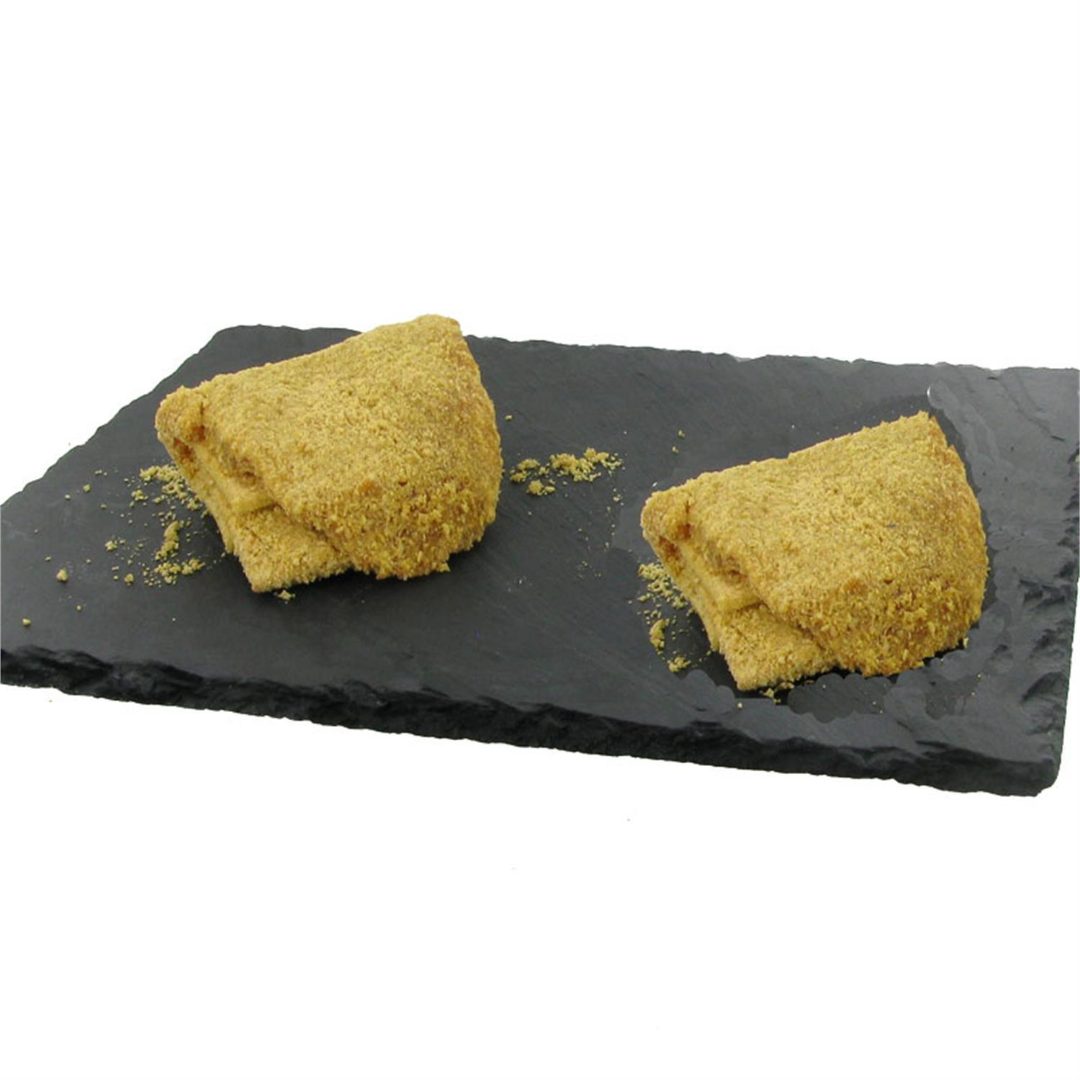
Product category
Food
Product subcategory
Meats
Product brand name
unbranded (sold in the self-service section packaged on site)
Model names or references
chicken cordon bleu x 1 and x2
Product identification
GTIN Batch Date
2054553000000 FAB1501 Use-by date 01/19/2024
2054556000000 FAB1501 Use-by date 01/19/2024
Packaging
product packaged in tray under film x 1 and x 2
Start/end date of marketing
From 01/15/2024 to 01/19/2024
Storage temperature
Product to keep in the refrigerator
Health mark
/
Further information
Product sold in the self-service section until 01/19/2024
Geographical sales area
cora Strasbourg (67)
Distributors
cora Strasbourg (67)
Posted in food contamination, food handler, Food Hazard, Food Hygiene, Food Inspections, Food Micro Blog, Food Microbiology, Food Microbiology Blog, Food Microbiology Testing, Food Pathogen, Food Quality, food recall, Food Safety, Food Safety Alert, Food Safety Management, Food Safety Regulations, Food Testing, Salmonella
January 31, 2024 – An additional granola bar has been added to the U.S. Recalled Products list as indicated on the first row of the chart below. This product was discontinued in September 2023 and has “Best Before” dates of February 10 or 11, 2024. Consumers should check their pantries and dispose of the product.
A previous press release was issued on 12/15/2023.
CHICAGO, Illinois – January 11, 2024 – The Quaker Oats Company today announced an expansion of the December 15, 2023, recall to include additional cereals, bars and snacks listed below because they have the potential to be contaminated with Salmonella, an organism which can cause serious and sometimes fatal infections in young children, frail or elderly people, and others with weakened immune systems. Healthy persons infected with Salmonella often experience fever, diarrhea (which may be bloody), nausea, vomiting and abdominal pain. In rare circumstances, infection with Salmonella can result in the organism getting into the bloodstream and producing more severe illnesses such as arterial infections (i.e., infected aneurysms), endocarditis and arthritis.
The products listed below are sold throughout the 50 United States, Puerto Rico, Guam and Saipan. Consumers should check their pantries for any of the products listed below and dispose of them. Additionally, consumers with any product noted below can contact Quaker Consumer Relations (9 a.m. – 4:30 p.m. CST, Mon.-Fri.) at 1-800-492-9322 or visit www.QuakerRecallUSA.comExternal Link Disclaimer for additional information or product reimbursement.
Consumers can scan the SmartLabel QR code on the product package to determine if it has been recalled. Click here for information on how to use SmartLabel.
Quaker has informed the FDA of our actions.
This recall applies to the specific products listed below, in addition to the products announced on December 15, 2023. A combined list of recalled products is available on www.QuakerRecallUSA.comExternal Link Disclaimer.
Complete List of Quaker Products.
Link to 1st Expanded Press Release
Posted in food contamination, food handler, Food Hazard, Food Hygiene, Food Inspections, Food Micro Blog, Food Microbiology, Food Microbiology Blog, Food Microbiology Testing, Food Pathogen, Food Quality, food recall, Food Safety, Food Safety Alert, Food Safety Management, Food Testing, product recall, Recall, Salmonella
Listeria monocytogenes (in the meat, fish and seafood, dairy and fruit and vegetable sectors), Salmonella enterica (in the feed, meat, egg and low moisture food sectors) and Cronobacter sakazakii (in the low moisture food sector) were identified as the bacterial food safety hazards most relevant to public health that are associated with persistence in the food and feed processing environment (FFPE). There is a wide range of subtypes of these hazards involved in persistence in the FFPE. While some specific subtypes are more commonly reported as persistent, it is currently not possible to identify universal markers (i.e. genetic determinants) for this trait. Common risk factors for persistence in the FFPE are inadequate zoning and hygiene barriers; lack of hygienic design of equipment and machines; and inadequate cleaning and disinfection. A well‐designed environmental sampling and testing programme is the most effective strategy to identify contamination sources and detect potentially persistent hazards. The establishment of hygienic barriers and measures within the food safety management system, during implementation of hazard analysis and critical control points, is key to prevent and/or control bacterial persistence in the FFPE. Once persistence is suspected in a plant, a ‘seek‐and‐destroy’ approach is frequently recommended, including intensified monitoring, the introduction of control measures and the continuation of the intensified monitoring. Successful actions triggered by persistence of L. monocytogenes are described, as well as interventions with direct bactericidal activity. These interventions could be efficient if properly validated, correctly applied and verified under industrial conditions. Perspectives are provided for performing a risk assessment for relevant combinations of hazard and food sector to assess the relative public health risk that can be associated with persistence, based on bottom‐up and top‐down approaches. Knowledge gaps related to bacterial food safety hazards associated with persistence in the FFPE and priorities for future research are provided.
In the United States a total of 407 people infected with one of the outbreak strains of Salmonella were reported from 44 states: Of 362 people with information available, 158 (44%) were hospitalized. Six deaths were reported.
In Canada a total, 190 laboratory-confirmed cases of Salmonella Soahanina, Sundsvall, Oranienburg, and Newport illness were linked to this outbreak. Sixty-eight (68) individuals were hospitalized, and nine deaths were reported.
Product category
Food
Product subcategory
Meats
Product brand name
UNBRANDED
Model names or references
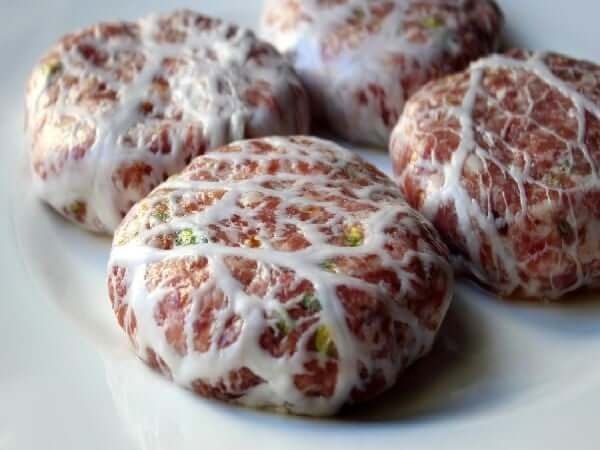
ELABORATED PORK VEAL CREPINETTE
Product identification
GTIN Batch Date
0211668000000 Packed on 01/17/2024 Use-by date 01/22/2024
Products List
Reminder.pdfAttachment
Packaging
Sold in trays of two units packaged in film
Start/end date of marketing
From 01/17/2024 to 01/22/2024
Storage temperature
Product to keep in the refrigerator
Further information
Sold in the self-service butcher section between 01/17/2024 and 01/22/2024
Geographical sales area
Leclerc Colmar
Distributors
Leclerc Colmar
Posted in food contamination, food handler, Food Hazard, Food Hygiene, Food Inspections, Food Micro Blog, Food Microbiology, Food Microbiology Blog, Food Microbiology Testing, Food Pathogen, Food Quality, food recall, Food Safety, Food Safety Alert, Food Safety Management, Food Safety Regulations, Food Testing, Salmonella
Posted in food contamination, food handler, Food Hazard, Food Hygiene, Food Inspections, Food Micro Blog, Food Microbiology, Food Microbiology Blog, Food Microbiology Testing, Food Pathogen, Food Quality, food recall, Food Safety, Food Safety Alert, Food Safety Management, Food Safety Regulations, Food Testing, Salmonella
Salmonella spp Frozen Northern Cod Fillets from China in Italy
Presence of Salmonella in parsley from Egypt in Spain
Salmonella spp. in sesame halva from Poland in Germany. Latvia, Lithuania and Sweden
Salmonella Infantis in frozen chicken kebab from the Czech Republic, raw material from Poland in Germany
Salmonella group C and Campylobacter jejuni in frozen duck drumsticks from Poland in Germany
Salmonella spp. in pork meat from Spain in Romania
Presence of Salmonella spp. in Indian hulled sesame seeds from India in Greece
Posted in food contamination, food handler, Food Hazard, Food Hygiene, Food Inspections, Food Micro Blog, Food Microbiology, Food Microbiology Blog, Food Microbiology Testing, Food Pathogen, Food Quality, food recall, Food Safety, Food Safety Alert, Food Safety Management, Food Safety Regulations, Food Testing, Polish Chicken Salmonella, RASFF, Salmonella, Salmonella in Chicken, Salmonella Poland, Salmonella Sesame Seeds

 FoodWorld