Category Archives: Salmonella

RASFF Alerts- Salmonella – Polish Poultry Products – Brazilian Poultry Products – Thyme – Duck Breast – Mussels – Raw Goats Milk Concentrate – Bacon Burger – Skinless Chicken Breast –

RASFF

Salmonella spp in duck breast from Hungary in Italy

RASFF

Salmonella Newport in Poultry meat preparation from Brazil in Germany

RASFF

Salmonella Minnesota and S. Newport in poultry meat preparation from Brazil in Germany

RASFF

Salmonella Newport in frozen chicken meat preparation from Brazil in Germany

RASFF

Salmonella in concentrated raw goat’s milk from the Netherlands in Bulgaria

RASFF

Fresh poultry meat from Poland – Salmonella enteritidis in Austria

RASFF

Salmonella in bacon burger, from Belgium in the Netherlands

RASFF

Presence of Salmonella infantis on chicken skinless breast with fork from Greece in Italy

RASFF

Salmonella in thyme from Morocco in France

RASFF

Salmonella enteritidis in chilled chicken from Poland in the Czech Republic

RASFF

Salmonella in mussels from Spain in France

RASFF Alerts – Animal Feed – Salmonella – Fish Meal

RASFF

Salmonella Senftenberg in fish meal from Denmark in Sweden

RASFF

Salmonella spp. in fishmeal from Spain in Germany

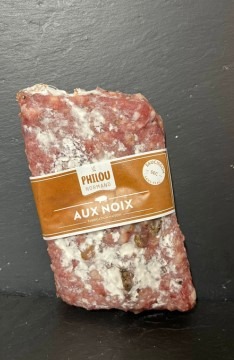
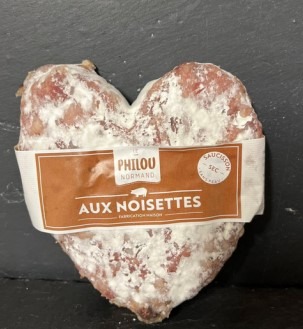
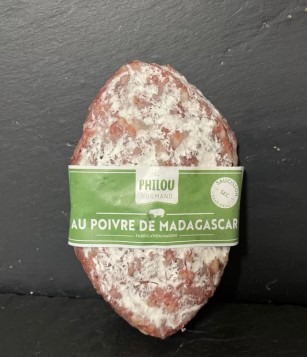
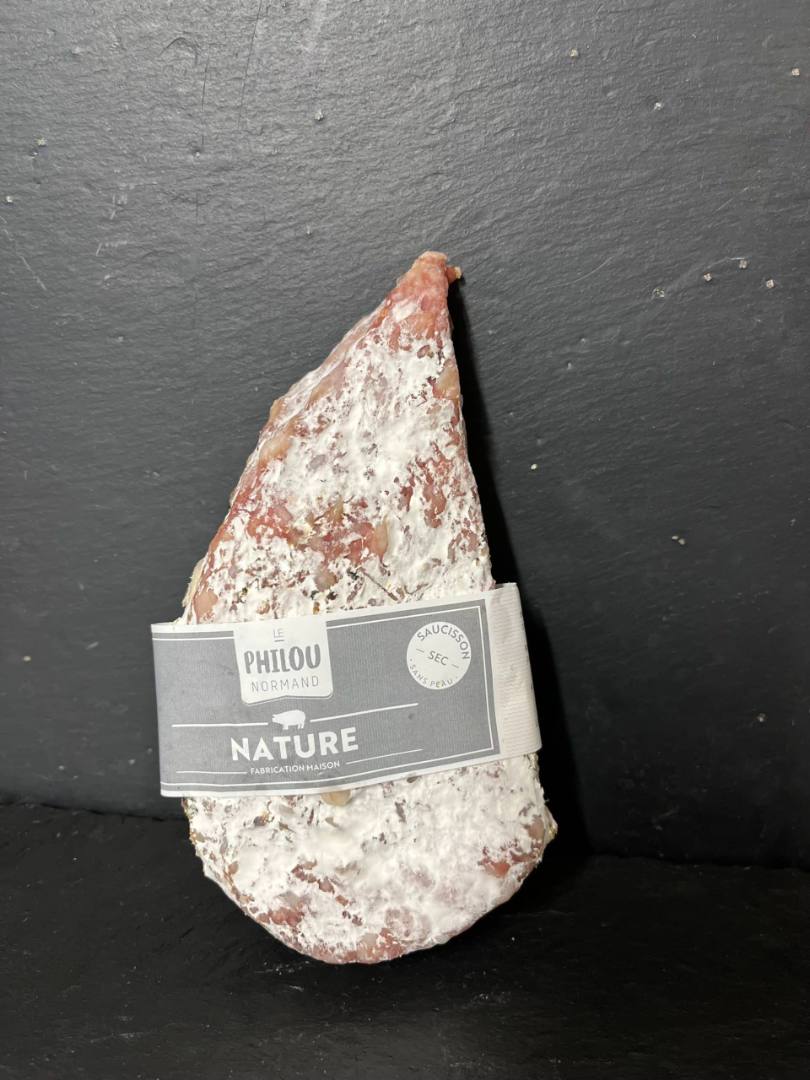
France – plain/hazelnut/walnuts/Madagascar pepper/green pepper – Salmonella

Gov France

Product category
Food
Product subcategory
Meats
Product brand name
The Norman Philou
Model names or references
plain/hazelnut/walnuts/Madagascar pepper/green pepper
Product identification
GTIN Batch Date
3770013089114 F24088005 Recommended consumption date 07/28/2024
3770013089053 F24088003 Recommended consumption date 07/28/2024
3770013089046 F24088004 Recommended consumption date 07/28/2024
3770013089015 F24088002 Recommended consumption date 07/28/2024
3770013089435 F24088006 Recommended consumption date 07/28/2024
Products List
PDF_product.pdfAttachment
Packaging
Single sale
Start/end date of marketing
From 04/16/2024 to 04/30/2024
Storage temperature
Product to be stored at room temperature
Health mark
Fr.14.119.001.CE
Further information
Shape according to taste
Geographical sales area
Whole France
Distributors
Deli
List of points of sale
binder_general_client_file.pdf

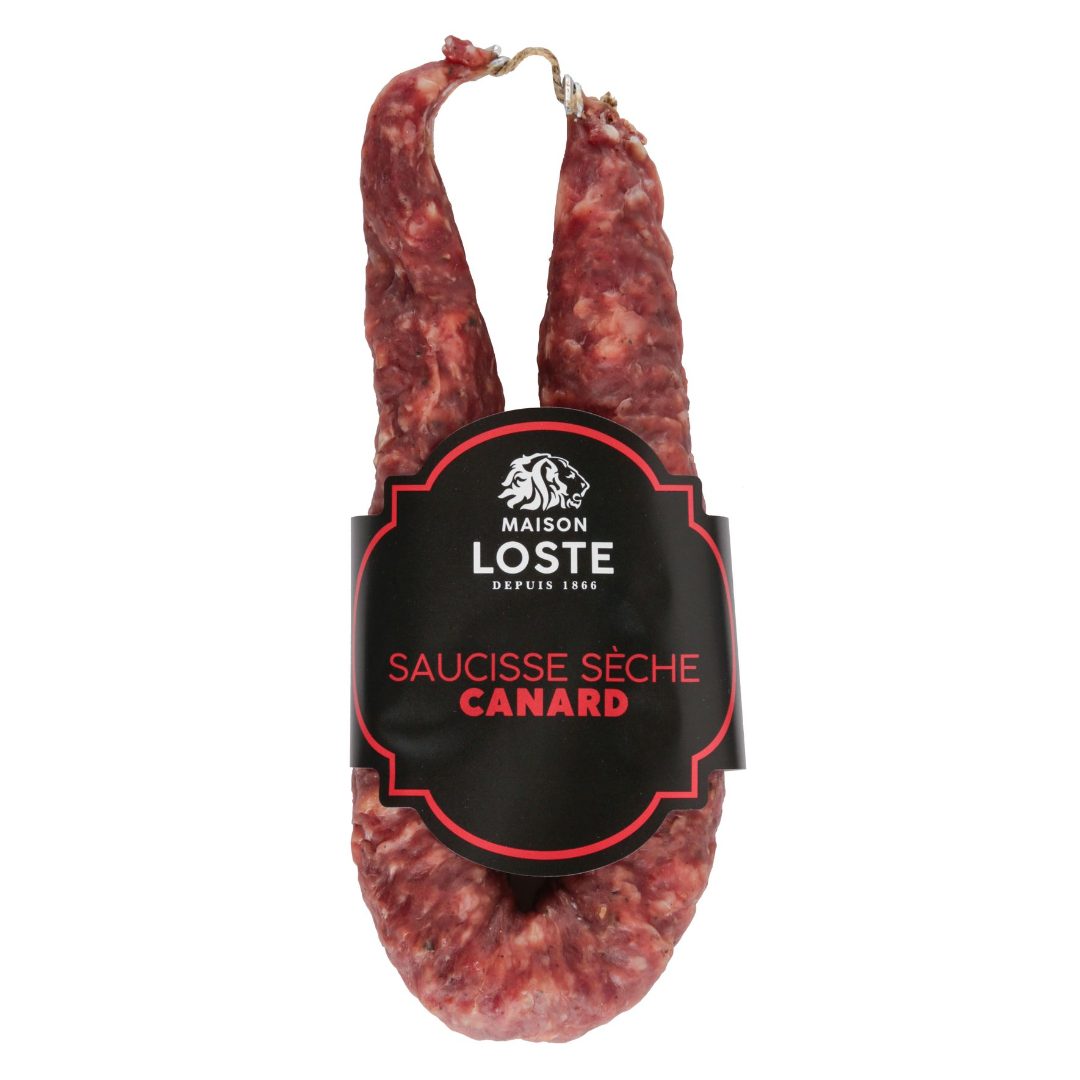
France – Dry duck sausage x2 – Salmonella

Gov France

Product category
Food
Product subcategory
Others
Product brand name
Lost
Model names or references
item 101151
Product identification
GTIN Batch Date
3365490004547 11071A Minimum durability date 05/27/2024
Products List
Traça_Lot_11071A_articles_canard.pdfAttachment
Packaging
Under modified atmosphere
Start/end date of marketing
From 03/27/2024 to 03/27/2024
Storage temperature
Product to be stored at room temperature
Health mark
FR 12.301.002 CE
Further information
item 101151
Geographical sales area
Whole France
Distributors
GMS and wholesaler
List of points of sale
Traça_Lot_11071A_par_article_et_par_client.pdf

Gov France

Product category
Food
Product subcategory
Others
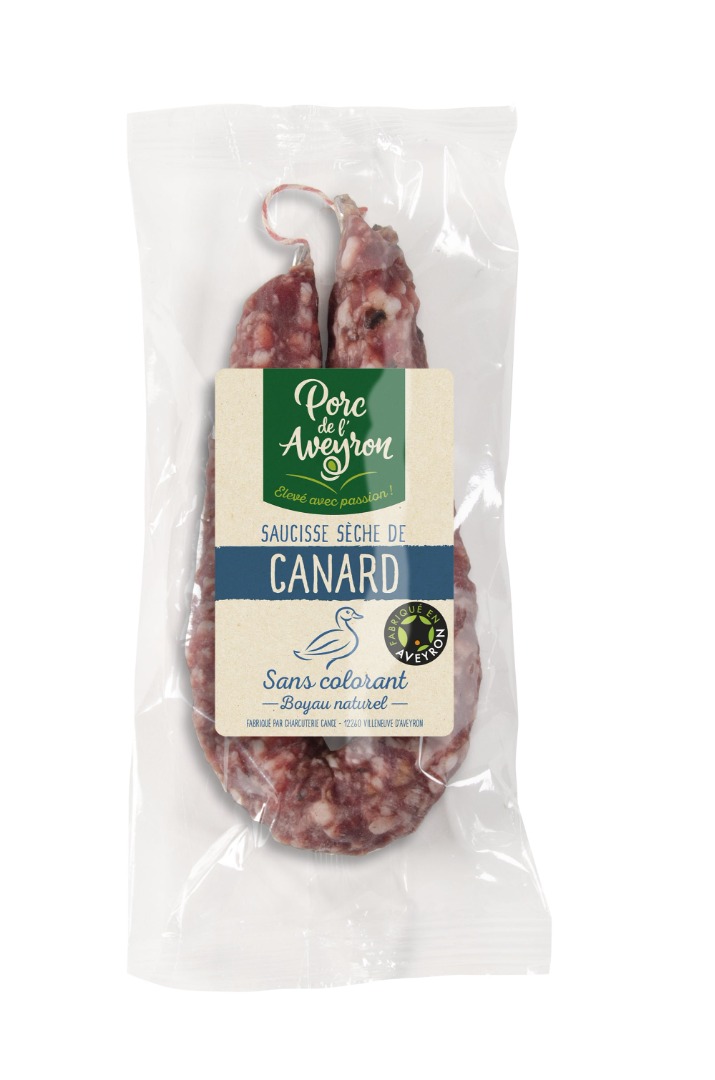
Product brand name
Ets CANCE
Model names or references
item 101251
Product identification
GTIN Batch Date
3365490004844 11071A Minimum durability date 02/07/2024
Products List
Traça_Lot_11071A_articles_canard.pdfAttachment
Packaging
Under modified atmosphere
Start/end date of marketing
From 03/27/2024 to 03/29/2024
Storage temperature
Product to be stored at room temperature
Health mark
FR 12.301.002 CE
Further information
item 101251
Geographical sales area
Whole France
Distributors
GMS and wholesaler
List of points of sale
Traça_Lot_11071A_par_article_et_par_client.pdf

Catalonia – Alert due to the presence of Salmonella in alfalfa sprouts from Spain

ACSA

alfalfa

The Spanish Agency for Food Safety and Nutrition (AESAN) has communicated through the  Coordinated Rapid Information Exchange System (SCIRI)  an alert regarding the possible presence of Salmonella in sprouts of Tugas brand alfalfa from ‘Spain.  

The data of the product involved are:

  • Product name:  Alfalfa. Germinated sprouts.
  • Brand:  Tugas
  • Product appearance: Plastic bag
  • Lot number:  5140012S106E
  • Expiry date: 05/03/2024
  • Unit weight:  50 g
  • Temperature:  Refrigerated

AESAN has transferred this information to the competent authorities of the autonomous communities, through the SCIRI, with the aim of verifying the withdrawal of the affected products from the marketing channels.

According to the information available, the products have been distributed in the autonomous communities of Catalonia and Galicia.

As a precautionary measure,  people who may have the above-mentioned product in their homes are advised to refrain from consuming it.

If you have consumed any of the products from the affected batch and have symptoms compatible with salmonellosis (vomiting, diarrhea or fever), it is recommended to go to a health center. 

New Zealand – New reports highlight food recall system at work

MPI

A new report by New Zealand Food Safety identifies Salmonella in imported sesame seed-based products as the most significant food safety event of 2023, resulting in 14 recalls affecting 65 food products.

The ‘Consumer-level food recalls annual report for 2023’, one of 2 recall reports published by New Zealand Food Safety today, says the recalls were initiated after Salmonella was detected during routine testing by a New Zealand business making products containing tahini.

Consumer-level food recalls annual report for 2023 [PDF, 3.2 MB]

“A complex investigation by our Food Compliance Services team – involving product testing and tracing of ingredients through the domestic market – found the contamination was from tahini imported from a Turkish manufacturer,” says New Zealand Food Safety deputy director-general Vincent Arbuckle.

“The team dug deeper and subsequent online surveillance and scanning of international food safety issues also identified concerns with products from a manufacturer in Jordan.

“By the time all the sesame seed-based products were tracked down and removed from sale, we had supported 14 recalls affecting 65 products. And, most importantly, we had no confirmed reports of related illness.”

The annual reports are a new initiative by New Zealand Food Safety to share information on consumer-level recalls with the public.

“Our priority is to protect consumers, and these reports help identify trends and find ways to prevent food safety incidents,” says Mr Arbuckle.

“New Zealand’s food safety system has a strong track record of keeping people safe and – given the volumes of food being produced, manufactured and imported – incidences of related illness remain rare.

“However, there are occasions when food safety issues occur, and that’s when we work quickly with food businesses to recall the affected product, removing it from the food supply chain and promoting public awareness.”

The 2023 report shows New Zealand Food Safety supported food businesses to conduct 70 consumer-level food recalls.

“It’s important to note that the number of recalls is not an accurate indicator of the level of risk to consumers. Numbers are dependent on many factors, including regulatory changes, business and public awareness of food-related problems, and reporting of those problems,” says Mr Arbuckle.

Of the 70 recalls, 48 were initiated for domestically produced foods and 22 were for imported foods.

“Another food safety event to highlight from 2023 was the possible presence of Listeria and Campylobacter in raw milk, which led to 3 recalls.

“Drinking raw milk carries inherent risks as it may contain harmful bacteria that would normally be killed through the pasteurisation process.

“In this case, there were fortunately no associated reports of Listeriosis, which can be very serious for vulnerable people like the very young, pregnant, older and those with low immunity. But we were notified of 3 related cases of Campylobacter, which causes vomiting, diarrhoea, abdominal pain, fever, headache, and body aches.”

Allergens in food were the leading cause for recalls in 2023, with milk being the allergen that triggered the most recalls.

“Food recalls are a sign that our food safety system is working to protect consumers,” says Mr Arbuckle. “You can help keep yourself and your family safe by subscribing to our recall alerts from the New Zealand Food Safety food recall page.”

Recalled food products list

By the numbers:

  • 70 consumer-level recalls in 2023
  • 48 recalls for domestically produced foods
  • 22 recalls for imported foods
  • 26 recalls for allergens (the leading cause for recalls)
  • 12 recalls for milk (the allergen triggering the most recalls)
  • 23 recalls due to microbiological contamination
  • 14 recalls due to physical contamination.

USA – Outbreak Investigation of E. coli O157:H7: Bulk Organic Walnuts (April 2024)

FDA

Do not eat, sell, or serve recalled organic walnuts sold in bulk bins at natural food and co-op retailers in multiple states. FDA’s investigation is ongoing.

Walnuts

Product

Recalled organic walnut halves and pieces sold in bulk bins at natural food and co-op stores in AK, AR, AZ, CA, CO, HI, ID, KS, LA, MT, NE, NM, NV, OR, SD, TX, UT, WA, and WY. Some stores may repackage bulk walnut halves and pieces into plastic clamshells or bags.

FDA’s investigation is ongoing to determine if additional products or states are affected. This advisory will be updated as information becomes available.

Symptoms of E. coli

Symptoms include severe stomach cramps, diarrhea, fever, nausea, and/or vomiting. Symptoms begin anywhere from a few days after consuming contaminated food or up to nine days later.

The severity or presence of certain symptoms may depend on the type of pathogenic E. coli that is causing the infection. Some infections can cause severe bloody diarrhea and lead to life-threatening conditions, such as a type of kidney failure called hemolytic uremic syndrome (HUS), or the development of high blood pressure, chronic kidney disease, and neurologic problems.

Stores Affected

Recalled organic walnut halves and pieces were sold in bulk bins at natural food and co-op stores in AK, AR, AZ, CA, CO, HI, ID, KS, LA, MT, NE, NM, NV, OR, SD, TX, UT, WA, and WY. A full list of store names and locations is available.

FDA is working with the firm and its distributors to determine whether additional store locations, products, or states are affected. FDA is sharing what is known at this time and will continue to update as more information is available.

Status

Ongoing

Recommendation

  • Retailers and distributors that purchased recalled boxes of Gibson Farms, Inc. organic walnuts halves and pieces with lot codes 3325-043 and 3341-501 should not sell this product and should notify their customers of the recall. Product was shipped to distributors between the dates of October 1, 2023, to April 24, 2024. These products have expiration dates of 5/21/25 & 6/7/25.
    • Retailers that have or had recalled product in bulk bins should discard the contents of the bins and use extra care to clean and sanitize the bins before refilling.
    • Retailers that are unsure if they received recalled product may need to contact their supplier. If you are unable to determine whether or not recalled product was received, you should discard the contents of the bins and use extra care to clean and sanitize the bins before refilling.
  • Consumers who purchased organic walnut halves and pieces from bulk bins at stores listed below should check their pantries, refrigerators, and freezers and should not eat the organic walnuts halves and pieces. If you have these products in your home, do not eat or use them, throw them away and clean and sanitize surfaces they touched.
  • Retailers, distributors, and consumers should follow FDA’s safe handling and cleaning advice and use extra care in cleaning and sanitizing any surfaces and containers that may have come in contact with this product to reduce the risk of cross-contamination.
  • Contact your healthcare provider if you think you may have symptoms of an E. coli infection after eating organic walnuts.

Case Counts

Total Illnesses: 12
Hospitalizations: 7
Deaths: 0
Last Illness Onset: April 4, 2024
States with Cases: CA, WA
Product Distribution*: AK, AR, AZ, CA, CO, HI, ID, KS, LA, MT, NE, NM, NV, OR, SD, TX, UT, WA, and WY

Denmark – 40 Danes infected with the same type of Salmonella

SSI

Since mid-March, 40 patients have been registered ill with the same type of salmonella. These are 24 men and 16 women aged 0-83. The first investigations show that the patients have not been travelling, have not eaten at the same restaurants and have not taken part in any joint events. As the patients live throughout the country, it therefore suggests that it is a food that has been sold in supermarkets across the country.

“We are working to find out what is to blame for the outbreak. Preliminary investigations indicate that the source of infection could be minced meat sold in supermarkets,” says epidemiologist Luise Müller, Statens Serum Institut.

Annette Perge from the Danish Food and Drug Administration elaborates:

“Although we do not yet know for sure what has made people sick with salmonella, we would like consumers to pay extra attention to good kitchen hygiene. It is important to cook the minced meat thoroughly, keep the ready-to-eat separate from the raw meat and refrain from tasting the raw meat,” she says.

All patients are infected with the same type of salmonella bacteria.

“Salmonella of the type Typhimurium has previously been found in meat from cattle and pigs as well as in foreign poultry products and has previously given rise to disease outbreaks,” says senior researcher Marianne Sandberg from the DTU Food Institute.

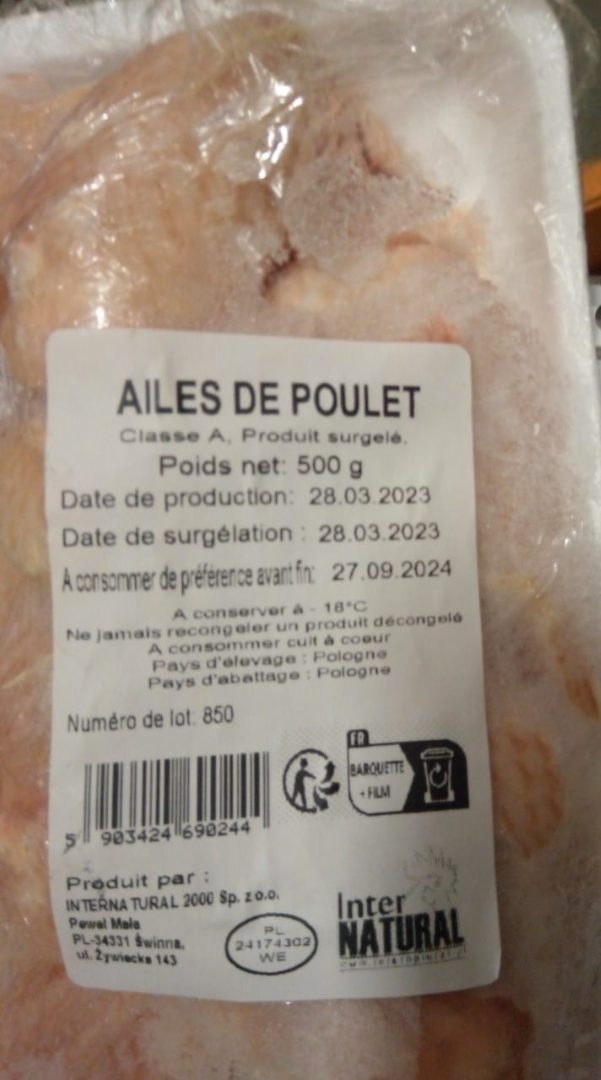
France – FROZEN CHICKEN WINGS – Salmonella

Gov France

Product category
Food
Product subcategory
Others
Product brand name
Inter NATURAL
Model names or references
CHICKEN WINGS – Class A Frozen product
Product identification
GTIN Batch Date
5903424690244 850 Minimum durability date 09/27/2024
Packaging
Filmed tray
Start/end date of marketing
From 05/17/2023 to 10/16/2023
Storage temperature
Product to keep in the freezer
Health mark
PL 24174302 WE
Geographical sales area
Departments: GUADELOUPE (971)
Distributors
Departmental supermarkets and commercial catering

Sweden’s largest egg producer to cull all its chickens following recurrent Salmonella outbreaks

AP News

STOCKHOLM (AP) — Sweden’s largest egg producer, which had nearly 1.2 million chickens or 20% of all laying hens in the country before a salmonella outbreak, has been ordered to euthanize all of them so the facility can be fully cleaned.

The Swedish Board of Agriculture has given up on attempts to clean the hen houses at CA Cedergren, which has had recurring salmonella outbreaks in the past year, Sweden’s main farming news outlet, ATL, said Wednesday.

Swedish authorities have tried to clean infected hen houses at the southern Sweden company. “It was not successful and now that we have re-infection, we needed to do something different,” Katharina Gielen, the board’s head of infection control, told ATL.

It was unclear how many chickens would be killed. There was no immediate comment from CA Cedergren.