Category Archives: Salmonella

Spain – Spanish agency defends actions in Salmonella outbreak investigation

Food Safety News

Spanish officials have said steps taken in response to more than a dozen Salmonella infections were “sufficient and proportionate” to protect public health.

Two outbreaks affected 14 people at two elderly care homes in Madrid late this past year and were linked to chicken burger meat. No information has been made public about the patients, such as their ages or severity of their illnesses.

The Spanish Agency for Food Safety and Nutrition (AESAN) said that because the supply chain of the products involved wholesale and they were not directly sold to the final consumer, the information about the incident was sent via official control channels and it was not considered necessary to publically warn about the existence of items in the market that may have posed a risk to health. This means names of the firms involved have been kept private.

In late December 2021, consumer group FACUA called for the companies involved to be named and details released to identify the contaminated meat to prevent more people from becoming ill.

The association wrote to AESAN and the Ministry of Health in Madrid about the lack of transparency given the potential seriousness of the situation.

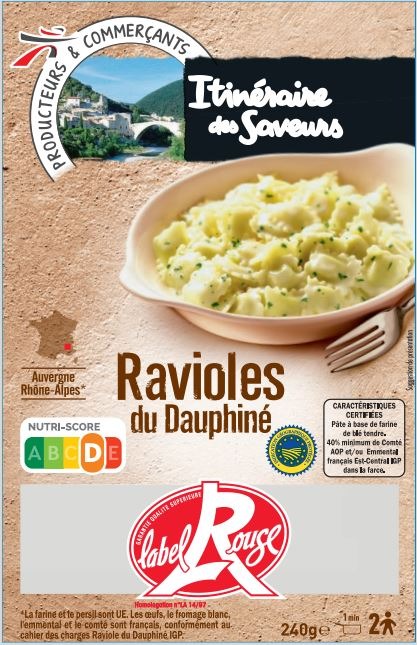
France – Dauphiné ravioli – 240G tray – Salmonella

Gov france

Identification information of the recalled product

  • Product category Food
  • Product subcategory Prepared meals and snacks
  • Product brand name Itinerary of Flavors
  • Model names or references Dauphiné Ravioli
  • Identification of products
    GTIN Lot Dated
    3250391110483 2 011 0354 Use-by date 02/05/2022
  • Packaging240g tray
  • Marketing start/end date From 11/01/2022 to 18/01/2022
  • Storage temperature Product to be stored in the refrigerator
  • Health mark EN 26.281.031 EC
  • Geographic area of ​​sale Whole France
  • Distributors Intermarché

Practical information regarding the recall

  • Reason for recall Possible presence of Salmonella
  • Risks incurred by the consumer Salmonella spp (causative agent of salmonellosis)

RASFF Alerts – Salmonella – Black Pepper – Turkey Minced Meat – Pumpkin Seeds – Quinoa Salad

The biggest headline this week for Salmonella, is there are no alerts for Polish Chicken products which must be the first time in years ??

RASFF

Salmonella Newport and Salmonella Minnesota in black pepper from brazil in Germany

RASFF

Salmonella spp. in turkey minced meat from Hungary in Croatia

RASFF

Salmonella in pumpkin seeds from China in Belgium, Curacao, Denmark ,Netherlands, Norway

RASFF

Salmonella spp in black pepper from Brazil in Spain

RASFF

Salmonella in Brazilian black pepper in the Netherlands

RASFF

Salmonella in quinoa salad from Belgium in Belgium, Germany and the Netherlands


USA – Core Outbreak Table Update

FDA

Date
Posted
Reference
#
Pathogen
Product(s)
Linked to
Illnesses

(if any)
Investigation
Status
1/10/

2022

1050 E. coli
O121:H19
Not Yet
Identified
Active
12/29/

2021

1052 E. coli
O157:H7
Packaged Salad Active
12/20/

2021

1039 Listeria
monocytogenes
Packaged Salad Active
12/15/

2021

1048 Listeria
monocytogenes
Packaged Salad Active
9/15/

2021

1031 Salmonella
Oranienburg
Red, Yellow,
and White Onions
Active

Belgium – Jumbo Quinoa Walnut Snack Salad – Salmonella

AFSCA

Jumbo Recall
Product: Jumbo Quinoa Walnut Snack Salad.
Problem: possible presence of Salmonella.
In agreement with the FASFC, Jumbo is withdrawing from sale the product “Quinoa walnut snack salad” with EAN 8718452542888 and DDM 17-01-2022, 18-01-2022, 19-01-2022 and 20-01-2022 . Jumbo is withdrawing the Jumbo brand “Quinoa Walnut Snack Salad” product from sale and recalling it from consumers due to the possible presence of salmonella. Jumbo asks its customers not to consume this product and to return it to the point of sale where it was purchased, where they will be reimbursed.

Product description: Product

name: Jumbo snacksalade quinoa noten (Jumbo salad snack quinoa nuts)
Brand: Jumbo
EAN: 8718452542888
DDM: 17-01-2022, 18-01-2022, 19-01-2022 and 20-01-2022
 .
Sale period: from 11-01-2022 to 14-01-2022
Nature of packaging: Plastic packaging
Weight: 200 g

The product was distributed in Jumbo subsidiaries in Belgium:
Pelt De koel, Lauwe Lauwbergstraat and Berlare Brugstraat.

For more information , customers can contact customer services on 0800-98998 or Jumbo.com . Our apologies for the inconvenience caused.

USA – FDA Issues Report Highlighting Salmonella Outbreak in Packaged Leafy Greens Produced in a Controlled Environment Agriculture Operation

FDA

Vegetable Bacteria Danger

The U.S. Food and Drug Administration (FDA) has released a report on its investigation of the Salmonella Typhimurium outbreak that caused 31 reported illnesses and four hospitalizations in the U.S. between June and August 2021. The FDA worked with the U.S. Centers for Disease Control and Prevention (CDC) and state partners to investigate the outbreak, which was linked through epidemiology and traceback to packaged salad greens during the summer of 2021. This outbreak is believed to be FDA’s first domestic investigation of a foodborne illness outbreak associated with leafy greens grown in a Controlled Environment Agriculture (CEA) operation. The CEA operation produces leafy greens using common commercial high density hydroponic growing techniques with deep water culture and floating raft production methods. The report released today includes an overview of the traceback investigation, investigation results, and various factors that potentially contributed to the contamination of packaged leafy greens with Salmonella.

Although a conclusive root cause was not identified, the agency identified certain conditions and practices that could result in contamination, including the presence of a different serotype of Salmonella in pond water used to grow the leafy greens, growth media storage practices, water management practices, and general sanitation practices at the CEA that were inadequate to prevent the introduction or spread of microorganisms of public health significance into the leafy greens.

FDA isolated the outbreak strain of Salmonella Typhimurium in a stormwater retention basin adjacent to the CEA farm. However, the investigation did not reveal if that stormwater retention basin was the source of the Salmonella that ultimately contaminated the leafy greens. This highlights the importance of assessing all microbial hazards, including those associated with adjacent and nearby land uses.

In light of this report, FDA highlights the following requirements and recommendations applicable to firms, such as the hydroponic operation implicated in this S. Typhimurium outbreak, engaged in CEA. Here are some of the requirements and recommendations:

  • Develop a keen understanding of potential sources and routes of contamination including the raw materials and inputs used, as well as possible sources of contamination throughout the operation.
  • Implement effective sanitation procedures and sampling plans while also paying close attention to hygienic operations and equipment design, ensuring cleaning procedures do not contribute to the dispersion of microbial contaminants that may be present.
  • Assess growing operations to ensure implementation of appropriate science- and risk-based preventive measures, including applicable required provisions of the FDA Food Safety Modernization Act (FSMA) Produce Safety Rule and good agricultural practices (GAPs).
  • Implement procedures that are effective in rapidly cooling and cold holding harvested leafy greens after harvest and verify the effectiveness of the cooling and cold holding procedures, including the routine monitoring of processing and storage environments and product temperatures to prevent pathogen growth in harvested leafy greens.
  • If employing tools such as pre-harvest and post-harvest sampling and testing of food, water, and the physical environment, seek to identify and inform sampling plans, limits of detection, and mitigation measures that control potential sources and routes of bacterial contamination in the growing and harvesting environment.
  • Ensure that all growing pond water is safe and of adequate sanitary quality for its intended use, which includes implementing measures (such as water treatment) necessary to reduce the potential for contamination by known or reasonably foreseeable hazards.
  • Perform a root cause analysis when a pathogen is identified in the growing environment, in raw agricultural inputs such as water, or in the agricultural commodity to determine how the contamination likely occurred and implement appropriate prevention and verification measures.
  • Assess and mitigate risks associated with adjacent and nearby land uses that may impact CEA operations, in both rural and more urbanized settings.

These requirements and recommendations are just some examples that serve as a reminder that as the use of CEA is increasing globally, all types of food production must continue to address basic food safety concerns, including potential sources and routes of contamination. Food safety is a shared responsibility that involves food producers, distributors, manufacturers, retailers, and regulators. Recognizing the interconnection between people, animals, plants, and their shared environment when it comes to public health outcomes, we encourage collaboration among various groups in the broader agricultural community (i.e., produce growers, state government and academia) to address this issue. The FDA is committed to working with these stakeholders to advance critical work.

For More Information:

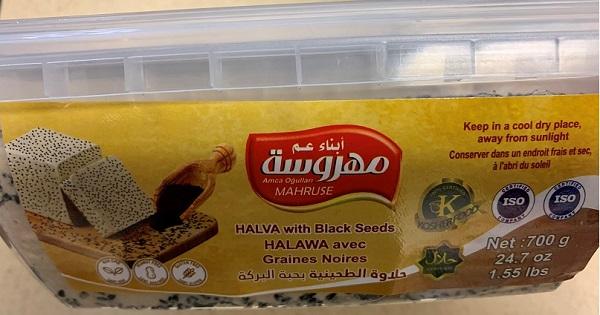
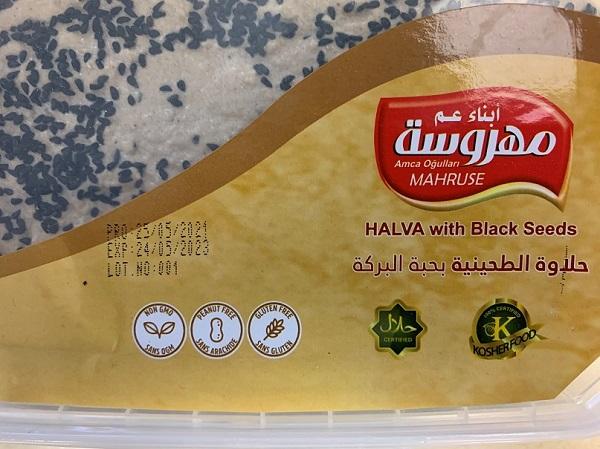
Canada – Mahruse brand Halva with Black Seeds recalled due to Salmonella

CFIA

Summary

Product
Halva with Black Seeds
Issue
Food » Microbial Contamination » Salmonella
What to do

Do not consume the recalled product.

Mahruse brand Halva with Black Seeds - 700 grams

Mahruse brand Halva with Black Seeds - 700 grams - top

Issue

1991166 Ontario Inc. is recalling Mahruse brand Halva with Black Seeds from the marketplace due to possible Salmonella contamination.

The recalled product has been sold in Ontario and may have been distributed in other provinces and territories.

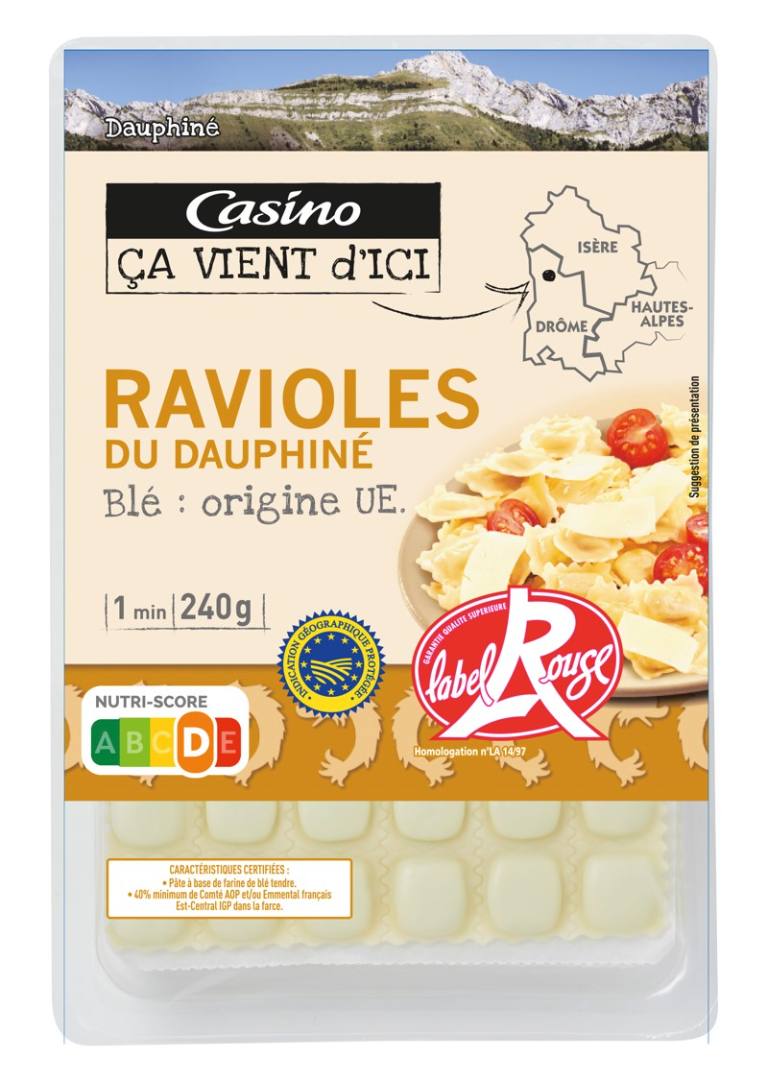
France – Ravioli Dauphiné Label Rouge 240g CASINO CA -Salmonella

Gov france

Identification information of the recalled product

  • Product category Food
  • Product subcategory Prepared meals and snacks
  • Product brand name CASINO IT COMES FROM HERE
  • Model names or references Ravioli Dauphiné Label Rouge 240g
  • Identification of products
    GTIN Lot Dated
    3222476310132 20050144 Use-by date 30/01/2022
  • Packaging Wrapped tray
  • Marketing start/end date From 06/01/2022 to 17/01/2022
  • Storage temperature Product to be stored in the refrigerator
  • Health mark EN 26.281.031 EC
  • Geographic area of ​​sale Whole France
  • Distributors CASINO, VIVAL, SPAR and Casino distribution networks

Practical information regarding the recall

  • Reason for recall Possible presence of Salmonella
  • Risks incurred by the consumer Salmonella spp (causative agent of salmonellosis)

France – Basil Ravioli 240g CASINO CA – Salmonella

Gov france

Identification information of the recalled product

  • Product category Food
  • Product subcategory Prepared meals and snacks
  • Product brand name CASINO IT COMES FROM HERE
  • Model names or references Basil Ravioli 240g
  • Identification of products
    GTIN Lot Dated
    3222476310149 20050145 Use-by date 30/01/2022
  • Packaging Filmed tray
  • Marketing start/end date From 06/01/2022 to 17/01/2022
  • Storage temperature Product to be stored in the refrigerator
  • Health mark EN 26.281.031 EC
  • Geographic area of ​​sale Whole France
  • Distributors CASINO, VIVAL, SPAR and Casino distribution networks

Practical information regarding the recall

  • Reason for recall Possible presence of Salmonella
  • Risks incurred by the consumer Salmonella spp (causative agent of salmonellosis)

USA – Salmonella Outbreak Linked to Pet Bearded Dragons

CDC

Fast Facts
  • Illnesses: 44
  • Hospitalizations: 15
  • Deaths: 0
  • States: 25
  • Investigation status: Active
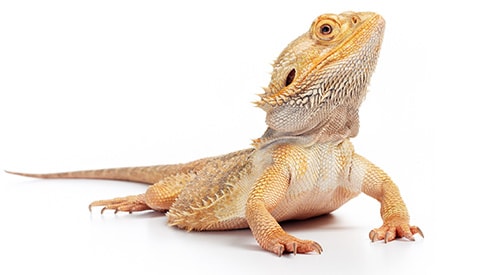
Bearded dragon on a white background
Bearded Dragons and Salmonella

Bearded dragons can carry Salmonella germs in their droppings even if they look healthy and clean. These germs can easily spread to their bodies and anything in the area where they live and roam.

You can get sick from touching your bearded dragon or anything in its environment and then touching your mouth and swallowing Salmonella germs.

What You Should Do

Always take these steps to stay healthy around your pet bearded dragon:

  • Wash your hands
    • Always wash hands thoroughly with soap and water right after touching or feeding your bearded dragon and after touching or cleaning the area where it lives and roams.
    • Adults should make sure young children are washing their hands.
  • Play safely
    • Don’t kiss or snuggle your bearded dragon, and don’t eat or drink around it. This can spread Salmonella germs to your mouth and make you sick.
    • Keep your bearded dragon out of your kitchen and other areas where you eat, store, or prepare food.
  • Keep things clean
    • Clean your bearded dragon supplies outside the house, if possible. These supplies may include its feeders, toys, and food and water containers.
    • If you clean the supplies indoors, don’t clean them in the kitchen or other areas where you eat or prepare food. Use a laundry sink or bathtub, and thoroughly clean and disinfect the area right after.

If you are thinking of getting a pet bearded dragon:

  • Pick the right pet for your family
    • Bearded dragons and other reptiles are not recommended for children younger than 5, adults aged 65 and older, and people with weakened immune systems. These people are more likely to get a serious illness from germs that reptiles can carry.

Call your healthcare provider right away if you have any of these severe Salmonella symptoms:

  • Diarrhea and a fever higher than 102°F
  • Diarrhea for more than 3 days that is not improving
  • Bloody diarrhea
  • So much vomiting that you cannot keep liquids down
  • Signs of dehydration, such as:
    • Not peeing much
    • Dry mouth and throat
    • Feeling dizzy when standing up
What Businesses Should Do
  • Educate customers about how to stay healthy around bearded dragons.
    • This poster provides information on how to stay healthy around pet reptiles, including bearded dragons.
    • Consider putting the poster right by the bearded dragon area and giving a copy to customers who are buying a bearded dragon.
    • This graphicimage icon can be used as a sticker and illustrates handwashing when handling pet reptiles, including bearded dragons.
  • Learn more about how to protect your customers and employees from Salmonella infection and other diseases shared between animals and humans.
Symptoms of Salmonella
  • Most people infected with Salmonella experience diarrhea, fever, and stomach cramps.
    • Symptoms usually start 6 hours to 6 days after swallowing the bacteria.
    • Most people recover without treatment after 4 to 7 days.
  • Some people – especially children younger than 5 years, adults 65 years and older, and people with weakened immune systems – may experience more severe illnesses that require medical treatment or hospitalization.
  • For more information about Salmonella, see the Salmonella Questions and Answers page.
file alt solid icon
Investigation Details
usa map icon
Map
chart icon
Timeline