Category Archives: Raw Milk

Norway – Microbiological control of pasteurised and unpasteurised dairy products, 2018

Mattilsynet

The microbiological quality was generally good for the 189 dairy products on the Norwegian market that the Norwegian Food Safety Authority examined in 2018. Nevertheless, we see that there are microbiological challenges in connection with unpasteurised dairy products.

What did we investigate? 189 samples of unpasteurised and pasteurised cheeses and other dairy products produced in Norway and in the EU.
Period: 2018
What were we looking for?

The four categories have been analysed for various disease-causing bacteria (pathogens). These choices are made in order to get the most information for each category.

The different categories are:

PN = pasteurised milk product produced in Norway.

P EU = pasteurised milk product produced outside Norway.

UN = unpasteurised milk product produced in Norway.

U EU = unpasteurised milk product produced outside Norway.
 

The various disease-causing infectious agents we analysed for:

Listeria monocytogenes (pathogen): PN, P EU, UN, U EU, number 189 pcs.

Shigatoxin-producing Escherichia coli (STEC) (pathogen): UN, U EU, number 96 pcs.

E. coli (hygiene parameter): PN, UN, U EU, 169 st.

S. aureus (hygiene parameter): UN, number 71 st.

Toxins (enterotoxin) from S. aureus (pathogen): UN, U EU, number 96 pcs.

Salmonella (pathogen): U EU, number 25 st.

What did we find?

Listeria monocytogenes : No detection in 189 samples of dairy product.

Shigatoxin-producing Escherichia coli (STEC):
One finding in French red cow cheese of cow’s milk ( E. coli O-, stx2 and eae ). A total of 25 unpasteurised milk products produced outside Norway were examined. No findings in 71 unpasteurised milk products from Norway.

Escherichia coli (hygiene parameter):
In 73 pasteurised milk products from Norway, there was a detection and this was above the lower limit value (100 cfu / g) but below the upper limit value (1,000 cfu / g). No E. coli was detected above the detection limit of 10 colony forming units / g sample (cfu / g) in the other samples.

In 61 of the 71 unpasteurised milk products produced in Norway, E. coli was not detected above the detection limit of 10 colony-forming units / g sample (cfu / g). 3 st. (4.2%) was above 100 cfu / g.

In unpasteurised dairy products from the EU (25), 5 (20%) of the products had more than 100 cfu/ g E. coli. There is no microbiological criterion for E. coli in the regulations for unpasteurised cheeses.

Staphylococcus aureus:
Of 71 samples, none exceeded the regulatory limit of 10,000 cfu/ g.

Of the 96 unpasteurised dairy products examined, the enterotoxins AE Toxins (enterotoxins), which some S. aureus can produce , were not detected .

Salmonella was not detected in the 25 samples of unpasteurised milk products produced outside Norway.

Report Link

Belgium – Crème fraîche, corn and cheese made from raw milk – Listeria monocytogenes

AFSCA

In agreement with the AFSCA, La Ferme Keirse is withdrawing the products “fresh cream with raw milk”, “whole milk raw milk”, “low fat raw milk”, “raw milk herbal cream” and “Houmont ball. Of the sale and recalls them to consumers because of the possible presence of Listeria monocytogens .

La Ferme Keirse asks its customers not to consume these products and to bring them back to the point of sale where they were purchased. They will be reimbursed.

Product description

Fresh cream made from raw milk

– Brand: Ferme Keirse
– Use -by date (DLC): 11/21/2020 and 11/28/2020
– Sales period: from 11/04/2020 to 11/28/2020
– Type of packaging: glass jar
– Packaging: 200 ml

The product was distributed by:
– Estéa – Rue d’Arlon 14, 6760 Virton
– Micro Ferme du Ponceet – Rue de la Californie 100, 6600 Bastogne

Whole raw milk, lean raw milk, raw milk herbal raw milk
– Make: Farm Keirse
– Shelf life (DLC): from 02.11.2020 to 11.30.2020
– Type of packing: glass jar
– unit: 200 g and 360 g

the products were distributed by:
– Jacques Defrenne – Rue des Alliés 323, 1190 Forest
– Estéa – Rue d’Arlon 14, 6760 Virton
– Micro Ferme du Ponceet – Rue de la Californie 100, 6600 Bastogne

Boulette de Houmont, fromage frais with milk raw
– Brand: Ferme Keirse
– Use -by date (DLC): 11/23/2020 and 11/30/2020
– Sale period: from 11/02/2020 to 11/30/2020
– Type of packaging: Paper
– Packaging: 250 g

The product has been distributed by:
– Estéa – Rue d’Arlon 14, 6760 Virton

For any further information , contact:
Madame Murielle Keirse
Tel +32 61 26 65 53 or +32 499 33 52 11 or fermekeirse @ gmail.com

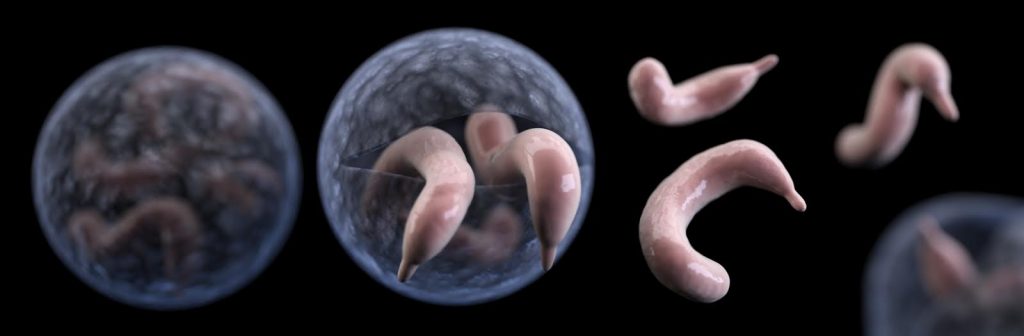
USA – Cryptosporidiosis Outbreak Linked to Raw Milk from Maine Farm

Maine Gov

crypto

Maine Center for Disease Control and Prevention (Maine CDC) has identified an outbreak of cryptosporidiosis in individuals who consumed unpasteurized/raw milk from Roux Farm in Shapleigh, Maine, within the last two months. Epidemiologists identified at least four individuals who became ill and tested positive for cryptosporidiosis. Anyone who consumed raw milk (regular or any flavor) from Roux Farm produced before October 18, 2020, may be at elevated risk of cryptosporidiosis. Raw milk from the farm was sold through a variety of stores in the state.

Advisory (PDF)

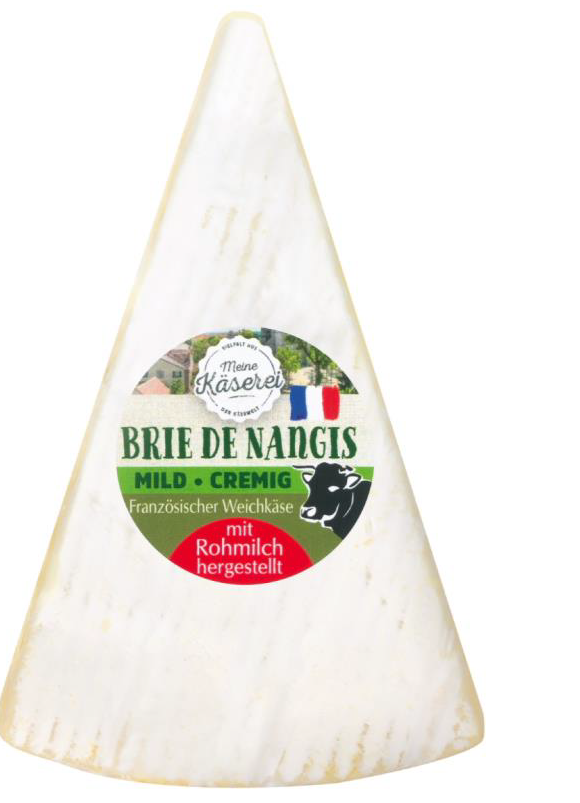
Netherlands – Important safety warning Milbona Selection Brie de Nangis 100 grams Lidl – E.coli

NVWA

Producer Jermi Käsewerk GmbH is recalling the product ‘Milbona Selection Brie de Nangis French soft cheese from raw milk, approx. 100 grams’ with an expiry date 31-10-2020. This product is sold in Lidl Netherlands stores. The E.coli bacteria has been found in the product. Customers are urged not to consume the brie, but to return it to a Lidl store.

Germany – French soft cheese made with raw milk, 100 g – STEC E.coli

LMW

Warning type:

Food

Date of first publication:

28.10.2020

Product name:

My cheese dairy Brie de Nangis, French soft cheese made with raw milk, 100 g

Product pictures:

Image Filialplakat.png

Branch poster

Manufacturer (distributor):

JERMI Käsewerk GmbH, distributed by Lidl

Reason for warning:

Detection of verotoxin-producing Escherichia (E.) coli

Packaging Unit:

100 g

Durability:

October 27, 2020

Lot identification:

Lot numbers 394 and 395 with identity mark DE BW 331 EG

Additional Information:

Reference is made to the company’s customer information sheet attached.

Contact to the responsible authorities:

Baden-Württemberg:

poststelle@mlr.bwl.de

Bavaria:

poststelle@lgl.bayern.de

Berlin:

poststelle@senjustva.berlin.de

Brandenburg:

Konsumenterschutz@Msgiv.Brandenburg.de

Bremen:

Schnellwarnung@gesundheit.bremen.de

Hamburg:

poststelle@bgv.hamburg.de

Hesse:

Schnellwarnung@rpda.hessen.de

Mecklenburg-Western Pomerania:

poststelle@lm.mv-regierung.de

Lower Saxony:

poststelle@ml.niedersachsen.de

North Rhine-Westphalia:

poststelle@mulnv.nrw.de

Rhineland-Palatinate:

Poststelle.Referat22@lua.rlp.de

Saarland:

poststelle-luv@lav.saarland.de

Saxony:

poststelle@sms.sachsen.de

Saxony-Anhalt:

poststelle@ms.sachsen-anhalt.de

Schleswig-Holstein:

poststelle@jumi.landsh.de

Thuringia:

LM-Ueberektiven@tlv.thueringen.de

RASFF Alert – STEC E.coli – Raw Goats Milk Cheese

European Food Alerts

RASFF

Escherichia coli (stx2 + eae) in raw goat’s milk cheese from France in France

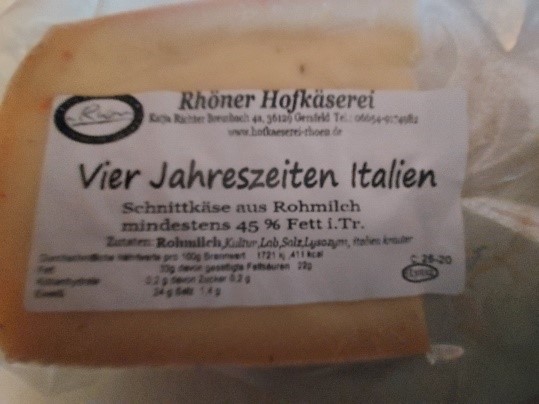
Germany – Cheese Four Seasons Italy Sliced ​​cheese made from raw milk -Salmonella

LMW

Warning type:

Food

Date of first publication:

September 18, 2020

Product name:

Cheese Four Seasons Italy Sliced ​​cheese made from raw milk, at least 45% fat in dry matter. Tr.

Product pictures:

Image.jpg

Rhön farm cheese dairy

Manufacturer (distributor):

Rhöner Hofkäserei – Katja Richter Brembach 4a 36129 Brembach – Gersfeld

Reason for warning:

Detection of salmonella

Packaging Unit:

180 g

Lot identification:

25-20

Further information:

See attached information from the manufacturer.

Salmonella disease manifests itself within a few days after infection with diarrhea, abdominal pain and occasionally vomiting and a slight fever. The symptoms usually subside on their own after several days. Infants, toddlers, senior citizens and people with a weakened immune system in particular can develop more severe disease processes. People who have eaten this food and develop severe or persistent symptoms should seek medical attention and advise them of a possible salmonella infection.

Seeking preventive medical treatment without symptoms does not make sense.

The cheese was sold in grocery stores in Hesse and Bavaria.

Contact to the responsible authorities:

Bavaria:

poststelle@lgl.bayern.de

Hesse:

Schnellwarnung@rpda.hessen.de

RASFF Alerts – Listeria monocytogenes – Chilled Roasted Chicken Breast Pieces – Frozen Caviar- Raw Milk Goats Cheese – Chilled Pate with Nuts

European Food Alerts

RASFF

Listeria monocytogenes (in 3 out of 5 samples /25g) in chilled roasted chicken breast pieces from Ireland in Ireland

RASFF

Listeria monocytogenes (presence /25g) in frozen caviar from Poland in Poland

RASFF

Listeria monocytogenes in raw milk goat’s cheese from Belgium in Belgium

RASFF

Listeria monocytogenes (presence /25g) in chilled paté with nuts from Belgium in Belgium

Research – Microbiological quality of raw drinking milk and unpasteurised dairy products: results from England 2013–2019

cambridge.org

The aim of this study was to review microbiology results from testing >2500 raw drinking milk and dairy products made with unpasteurised milk examined in England between 2013 and 2019. Samples were collected as part of incidents of contamination, investigation of infections or as part of routine monitoring and were tested using standard methods for a range of both pathogens and hygiene indicators. Results from testing samples of raw cow’s milk or cheese made from unpasteurised milk for routine monitoring purposes were overall of better microbiological quality than those collected during incident or investigations of infections. Results from routine monitoring were satisfactory for 62% of milks, 82% of cream, 100% of ice-cream, 51% of butter, 63% of kefir and 79% of cheeses, with 5% of all samples being considered potentially hazardous. Analysis of data from cheese demonstrated a significant association between increasing levels of indicator Escherichia coli with elevated levels of coagulase positive staphylococci and decreased probability of isolation of Shiga toxin-producing E. coli. These data highlight the public health risk associated with these products and provide further justification for controls applied to raw drinking milk and dairy products made with unpasteurised milk.

New Zealand – Recall of raw milk containing Campylobacter from Lindsay Farm in Waipukurau

MPI


Raw (unpasteurised) drinking milk from Central Hawke’s Bay producers Lindsay Farm is being recalled after Campylobacter bacteria was found in some product.

The recall affects Lindsay Farm branded raw drinking milk with a date marking between 3 July and 11 August, distributed in a range of locations between Dannevirke and Auckland. The product is sold in 2-litre plastic bottles.

Hawke’s Bay District Health Board have confirmed Campylobacter infection in a person whose family regularly drank Lindsay Farm’s raw milk. The person was admitted to hospital but has since been discharged. There are no other reports of illness in the family.

Ministry for Primary Industries (MPI) food compliance manager Melinda Sando says people with Lindsay Farm raw milk at home should visit the MPI recalls website to check if it is among the batches of recalled product.

“If you have any of the recalled product, throw it out or return it to your supplier.

“You can also heat the raw milk until just boiling or at 70 degrees for 1 minute to kill any bacteria present before drinking it.

“Raw milk should also be refrigerated (at 4 degrees or less) to reduce the risk of any harmful bacteria in the milk growing to levels which may make you sick.

“If you have health concerns after drinking the product, talk to your doctor.

“Symptoms of Campylobacter infection are vomiting, diarrhoea, abdominal pain, fever, headache, and body aches.

“Drinking raw milk carries inherent risks as it may contain harmful bacteria which are killed through the pasteurisation process.

MPI is working with Hawke’s Bay District Health Board to minimise risk to the public.

Details of the recall, including the specific distribution points of the product

Last reviewed: