Brand : PASCOLI DEL FATTORE
Name : TALEGGIO DOP A LATTE CRUDO
Reason for reporting : Recall due to microbiological risk
Publication date : 27 October 2022

Brand : PASCOLI DEL FATTORE
Name : TALEGGIO DOP A LATTE CRUDO
Reason for reporting : Recall due to microbiological risk
Publication date : 27 October 2022
Posted in E.coli O26, food contamination, food handler, Food Hazard, Food Hygiene, Food Inspections, Food Micro Blog, Food Microbiology, Food Microbiology Blog, Food Microbiology Testing, Food Pathogen, Food Poisoning, food recall, Food Safety, Food Safety Management, Food Testing, Food Toxin, Raw Milk, raw milk cheese, STEC, STEC E.coli
Consumers should immediately discard raw whole milk or chocolate milk sold in Dauphin County and other southcentral Pennsylvania retail stores under the BeiHollow label between October 12 and 21. BeiHollow pasteurized cheese melt and cup cheese sold between September 20 and October 21 should also be discarded due to possible contamination. Tests following a report of potential listeria contamination confirmed the presence of listeria monocytogenes bacteria.
Raw whole and chocolate milk was sold in plastic half- and three-quarter gallons at BeiHollow Farm stores in Elizabethville and Lykens, Dauphin County. Cheese melt and cup cheeses of various sizes were sold in the same stores. The producer would not supply a list of other locations where the products were sold.
Posted in food contamination, food handler, Food Hazard, Food Hygiene, Food Inspections, Food Micro Blog, Food Microbiology, Food Microbiology Blog, Food Microbiology Testing, Food Pathogen, food recall, Food Safety, Food Safety Alert, Food Safety Management, Food Testing, Listeria, Listeria monocytogenes, Raw Milk
SACRAMENTO, October 21, 2022 – Raw goat milk produced and packaged by Valley Milk Simply Bottled of Stanislaus County is the subject of a statewide recall and quarantine order announced by California State Veterinarian Dr. Annette Jones. The quarantine order came following the confirmed detection of the bacteria Campylobacter jejuni in the farm’s packaged raw whole goat milk sampled and tested by the California Department of Food and Agriculture.
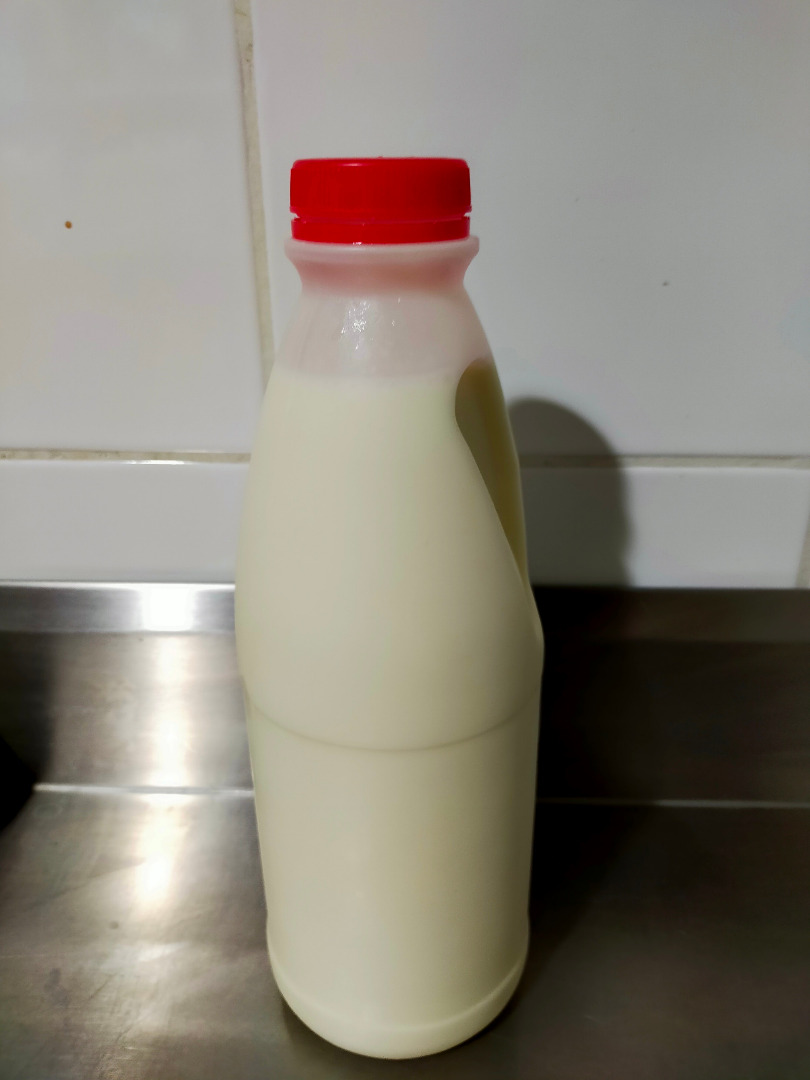
The order applies to “Valley Milk Simply Bottled Raw Goat Milk” and “DESI MILK Raw Goat Milk” distributed in half-gallon (64 oz) plastic jugs with a code date marked on the container of OCT 21 2022 through OCT 31 2022.
Consumers are strongly urged to dispose of any product remaining in their refrigerators, and retailers are to pull the product immediately from their shelves. The current order does not include the farm’s raw cow milk.
CDFA found the campylobacter bacteria in a routine sample collected at the Valley Milk Simply Bottled production and packaging facility. No illnesses have been reported.
Symptoms of campylobacteriosis include diarrhea, abdominal cramps, and fever. Most people with camplylobacteriosis recover completely. Illness usually occurs 2 to 5 days after exposure to campylobacter and lasts about a week. The illness is usually mild and some people with campylobacteriosis have no symptoms at all. However, in some persons with compromised immune systems, it can cause a serious, life-threatening infection. A small percentage of people may have joint pain and swelling after infection. In addition, a rare disease called Guillian-Barre syndrome that causes weakness and paralysis can occur several weeks after the initial illness.
Posted in Campylobacter, Campylobacter jejuni, food contamination, food handler, Food Hazard, Food Hygiene, Food Inspections, Food Micro Blog, Food Microbiology, Food Microbiology Blog, Food Microbiology Research, Food Microbiology Testing, Food Pathogen, food recall, Food Safety, Food Safety Alert, Food Safety Management, Food Testing, Raw Milk
Raw milk microbiota is complex and influenced by many factors that facilitate the introduction of undesirable microorganisms. Milk microbiota is closely related to the safety and quality of dairy products, and it is therefore critical to characterize the variation in the microbial composition of raw milk. In this cross-sectional study, the variation in raw milk microbiota throughout the year (n = 142) from three farms in China was analyzed using 16S rRNA amplicon sequencing, including α and β diversity, microbial composition, and the relationship between microbiota and milk quality parameters. This aimed to characterize the contamination risk of raw milk throughout the year and the changes in quality parameters caused by contamination. Collection month had a significant effect on microbial composition; microbial diversity was higher in raw milk collected in May and June, while milk collected in October and December had the lowest microbial diversity. Microbiota composition differed significantly between milk collected in January–June, July–August, and September–December (p < 0.05). Bacterial communities represented in raw milk at the phylum level mainly included Proteobacteria, Firmicutes and Bacteroidota; Pseudomonas, Acinetobacter, Streptococcus and Lactobacillus were the most common genera. Redundancy analysis (RDA) found strong correlations between microbial distribution and titratable acidity (TA), fat, and protein. Many genera were significantly correlated with TA, for example Acinetobacter (R = 0.426), Enhydrobacter (R = 0.309), Chryseobacterium (R = 0.352), Lactobacillus (R = −0.326), norank_o__DTU014 (R = −0.697), norank_f__SC-I-84 (R = −0.678), and Subgroup_10 (R = −0.721). Additionally, norank_f__ Muribaculaceae was moderately negatively correlated with fat (R = −0.476) and protein (R = −0.513). These findings provide new information on the ecology of raw milk microbiota at the farm level and contribute to the understanding of the variation in raw milk microbiota in China. View Full-Text
Posted in Decontamination Microbial, Faecal Streptpcocci, Food Micro Blog, Food Microbiology, Food Microbiology Blog, Food Microbiology Research, Food Microbiology Testing, Group B Streptococcus, Lactobacillus, microbial contamination, Microbiological Risk Assessment, Microbiology, Microbiology Investigations, Microbiology Risk, Pseudomonas, Raw Milk

Toxoplasma gondii is a worldwide food-borne protozoa that has harmful influences on animal and human health. Raw milk containing T. gondii has been considered as one of the possible infectious sources for humans. Although China is one of the world’s leading milk consumers, there is still no study to investigate the seroprevalence of T. gondii in raw cow milk in China; especially for cows in rural areas. Thus, we conducted this study to examine the specific anti-T. gondii IgG-antibody in the raw milk and sera of domestic cows in China. In total, 894 cows were randomly selected from rural areas in northeastern China. The positive rate of T. gondii in the milk and serum samples were 6.38% (57/894) and 7.16% (64/894), respectively. Moreover, a history of abortion (OR = 2.03, 95% CI: 1.11–3.72, p = 0.022) was identified as the only risk factor for T. gondii infection in the studied cows. This study investigated the seroprevalence of T. gondii in the raw milk and sera of cows in China; it provided timely and useful data for public health and food safety, especially in rural areas. View Full-Text
Posted in Food Micro Blog, Food Microbiology, Food Microbiology Blog, Food Microbiology Research, Food Microbiology Testing, Food Safety, Food Safety Management, food safety training, microbial contamination, Microbiological Risk Assessment, Microbiology, Microbiology Investigations, Microbiology Risk, Raw Milk, Toxoplasma gondii, Toxoplasmosis
| Batch | ||
|---|---|---|
| All lots | ||
Hawthorne Valley Association raw milk in New York is being recalled for possible Listeria monocytogenes contamination, according to the New York State Department of Agriculture and Markets. No illnesses have been reported to date in connection with the consumption of this unpasteurized milk.
The New York Department of Agriculture and Markets Commissioner Richard A. Ball has warned the public to not consume unpasteurized, raw milk from Thomas Miller dba Miller Dairy Farm because of Listeria monocytogenes contamination.
The dairy is in Pine Island, NY, in Orange County. As of the posting of the warning no illnesses had been confirmed but it can take up to 70 days after exposure for symptoms of Listeria infection to develop.
“The producer is now prohibited from selling raw milk until subsequent sampling indicates that the product is free of harmful bacteria,” according to the warning. “The department recommends that any consumers who purchased raw milk from Thomas Miller DBA Miller Dairy Farm immediately dispose of it and call the producer at 845-772-2492.”
A sample of the milk collected by an inspector from the department was discovered to be contaminated with Listeria monocytogenes. On April 21 the producer was notified of a preliminary positive test result. Further laboratory testing, completed on April 29, confirmed the presence of Listeria monocytogenes in the raw milk.
“It is important to note that raw milk does not provide the protection of pasteurization.
The Ministry of Agriculture, Fisheries and Food (MAPAQ), in collaboration with the Food Inspection Division of the City of Montreal and the company Gourmet Laurier inc. located at 1042, avenue Laurier Ouest in Montreal, advises people considered vulnerable (pregnant women, people with weakened immune systems, children and the elderly) not to consume the products indicated in the table below , because they do not include the statement “made from raw milk” which is required.
|
Product name |
Format |
Affected batch |
|
“COMTOMME” |
Variable |
Units sold until May 12, 2022 |
|
“HIGH MOUNTAIN SUMMER BEAUFORT” |
||
|
“OSSAU-IRATY” |
||
|
“GRUYERE KALTBACH AOP KING” |
||
|
“COUNTY LE POLIGNY” |
The products that are the subject of this warning were offered for sale until May 12, 2022 inclusive, only at the establishment designated above. They were wrapped in clear plastic wrap and cut to order.
The retailer is voluntarily recalling the products in question. It has agreed with MAPAQ and the Food Inspection Division of the City of Montreal to distribute this warning as a precautionary measure. In addition, people deemed vulnerable (designated above) who have one of these products in their possession are advised not to consume it. They should return it to the establishment where they bought it, use it in a cooked dish that will be cooked until it reaches a safe cooking temperature of 74°C or throw it away. However, no case of disease associated with the consumption of this food has been reported to MAPAQ to date.
Salmonella, enterohaemorrhagic E. coli, Listeria monocytogenes – a wide range of bacteria can be found in the raw-milk cheeses and other raw-milk dairy products we consume. These are sometimes involved in cases of food poisoning, leading them to be recalled or withdrawn from the market. In order to further improve the control of these risks, ANSES has identified the types of raw-milk cheeses on which efforts should focus as a priority.
ANSES received a request from the Directorate General for Food to identify and classify the main bacterial hazards associated with the various types of raw-milk cheeses and other dairy products made from raw milk. The aim was also to assess the main sources of contamination and the means implemented to control the associated risks.
The main microbiological hazards in raw-milk cheeses and dairy products
In France over the last decade, 34%, 37% and 60% of outbreaks of salmonellosis, listeriosis and enterohaemorrhagic E. coli (EHEC) infections respectively have been linked to the consumption of raw-milk cheeses. While some bacteria can cause gastroenteritis symptoms (Salmonella spp. and Staphylococcus aureus), others can have much more serious consequences such as kidney failure (EHEC) or even death (L. monocytogenes, EHEC).
The main sources of these hazards are soft cheeses with a surface mould (such as Camembert, Brie and Crottin) and short-ripened uncooked pressed cheeses (such as Morbier, Reblochon and Saint-Nectaire). Next come soft washed-rind cheeses such as Munster and Maroilles.
Continue efforts to prevent microbiological risks, from farm to consumer
The means implemented to control microbiological risks in the main dairy sectors (cattle, sheep, goats), from the rearing stage to the consumption stage, were studied by the Agency. It concluded that:
At farm level, good animal husbandry and hygiene practices are well known in the various sectors. The efforts already well under way in terms of hygiene during milking and the management of mastitis should be continued;
At the production stage, levels of risk control are also very high; the Agency recommends continuing to implement good hygiene practices and to carry out self-checks in order to best anticipate any risk of an outbreak;
At consumer level, in order to avoid a foodborne infectious disease, it is essential to comply with the information on the packaging or that given by the seller concerning the temperature at which the cheese should be stored in the refrigerator and its use-by date. Lastly, ANSES reiterates its recommendation that pregnant women, immunocompromised individuals, people over the age of 65 and young children should avoid consuming raw-milk cheeses, with the exception of hard pressed cheeses such as Gruyère and Comté.
“For several years now, we have been seeing a strong commitment on the part of the various raw-milk cheese sectors to preventing microbiological risks. Thanks to the actions taken, levels of hygiene and risk control are now very high on farms. The self-checks implemented at the processing stage are able to identify a large number of problematic batches. However, there is still a residual risk and it is important to identify new ways of optimising the current control measures. For example, this could involve improving epidemiological investigations, identifying poor hygiene practices at an earlier stage, or communicating more with consumers”, explains Laurent Guillier, who coordinated ANSES’s expert appraisal.
Did you know?
Contrary to popular belief, removing the rind from a raw-milk cheese is not enough to protect yourself against bacteria, as these can be found everywhere in the cheese.
On the other hand, when raw-milk cheeses are well cooked, as in an oven-baked recipe, they no longer pose a health risk.
A new forthcoming expert appraisal
This work to classify raw-milk cheeses was a first step in responding to the formal request. The expert appraisal work is continuing, to evaluate the effectiveness of the various health measures such as the sorting of milk at farm level and self-checks at the production stage. The next step will be to identify priority work areas for further reducing microbiological risks.

 FoodWorld