100% whole grain rye pasta (organic) – ochratoxin A from Poland in Norway
Ochratoxin A in organic dried Turkish figs in the Netherlands

100% whole grain rye pasta (organic) – ochratoxin A from Poland in Norway
Ochratoxin A in organic dried Turkish figs in the Netherlands
Posted in food contamination, food handler, Food Hazard, Food Hygiene, Food Inspections, Food Micro Blog, Food Microbiology, Food Microbiology Blog, Food Microbiology Testing, Food Poisoning, food recall, Food Safety, Food Safety Alert, Food Safety Management, Food Testing, Food Toxin, Mold Toxin, Mould Toxin, Mycotoxin, Ochratoxin, Ochratoxin A, RASFF
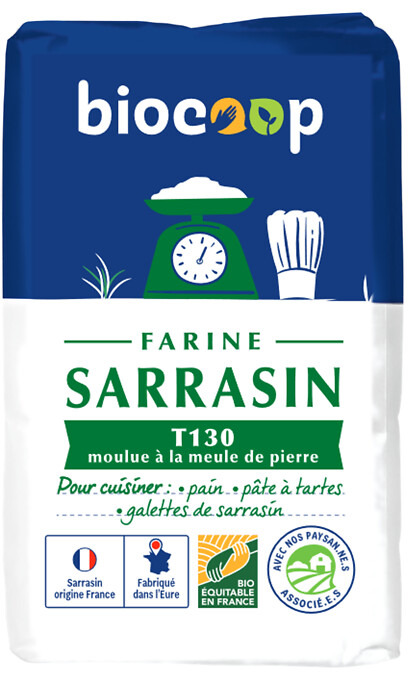
| GTIN | Batch | Date |
|---|---|---|
| 3558630113005 | 290822 FSAT130S1 – 214 | Date of minimum durability 08/29/2023 |
Posted in food contamination, food handler, Food Hazard, Food Hygiene, Food Inspections, Food Micro Blog, Food Microbiology, Food Microbiology Blog, Food Microbiology Testing, Food Poisoning, food recall, Food Safety, Food Safety Alert, Food Safety Management, Food Testing, Food Toxin, Mold Toxin, Mould Toxin, Mycotoxin, Ochratoxin, Ochratoxin A
South Africa (SA) is a leading exporter of maize in Africa. The commercial maize farming sector contributes to about 85% of the overall maize produced. More than 33% of South Africa’s population live in rural settlements, and their livelihoods depend entirely on subsistence farming. The subsistence farming system promotes fungal growth and mycotoxin production. This review aims to investigate the exposure levels of the rural population of South Africa to dietary mycotoxins contrary to several reports issued concerning the safety of South African maize. A systematic search was conducted using Google Scholar. Maize is a staple food in South Africa and consumption rates in rural and urban communities are different, for instance, intake may be 1–2 kg/person/day and 400 g/person/day, respectively. Commercial and subsistence maize farming techniques are different. There exist differences influencing the composition of mycotoxins in food commodities from both sectors. Depending on the levels of contamination, dietary exposure of South Africans to mycotoxins is evident in the high levels of fumonisins (FBs) that have been detected in SA home-grown maize. Other potential sources of exposure to mycotoxins, such as carryover effects from animal products and processed foods, were reviewed. The combined effects between FBs and aflatoxins (AFs) have been reported in humans/animals and should not be ignored, as sporadic breakouts of aflatoxicosis have been reported in South Africa. These reports are not a true representation of the entire country as reports from the subsistence-farming rural communities show high incidence of maize contaminated with both AFs and FBs. While commercial farmers and exporters have all the resources needed to perform laboratory analyses of maize products, the greater challenge in combatting mycotoxin exposure is encountered in rural communities with predominantly subsistence farming systems, where conventional food surveillance is lacking.
Posted in Aflatoxin, Aflatoxin B1, Animal Feed Mould Toxin, Animal Feed Testing, Aspergillus Toxin, Decontamination Microbial, Food Micro Blog, Food Microbiology, Food Microbiology Blog, Food Microbiology Research, Food Microbiology Testing, Food Toxin, Fusarium Toxin, microbial contamination, Microbiological Risk Assessment, Microbiology, Microbiology Investigations, Microbiology Risk, Mold Toxin, Mould Toxin, Mycotoxin, Ochratoxin, Ochratoxin A, Toxin
Ochratoxin A in chopped dried figs from Türkiye in Switzerland and Germany
Posted in food contamination, food handler, Food Hazard, Food Hygiene, Food Inspections, Food Micro Blog, Food Microbiology, Food Microbiology Blog, Food Microbiology Testing, Food Poisoning, food recall, Food Safety, Food Safety Alert, Food Safety Management, Food Testing, Food Toxin, Mold Toxin, Mould Toxin, Mycotoxin, Ochratoxin, Ochratoxin A, RASFF
Recall of Biofresh Belgium
Product: Wholemeal rye flour Bio Demeter 1kg from the Hermus brand.
Problem: too high content of ochratoxin A.

In agreement with the FASFC, Biofresh Belgium withdraws the wholemeal rye flour Bio Demeter 1kg of the Hermus brand from sale and recalls it from consumers because of an excessively high content of ochratoxin A.
Biofresh Belgium asks its customers to not to consume this product and to bring it back to the point of sale where it was purchased where the product will be refunded.
Product description
– Product name: Wholemeal rye flour Bio Demeter 1kg
– Brand: Hermus
– Expiry date (DDM): 19/12/2022
– Batch number: 220222
– Sale period: from 21/03/2022 to 05/10/2022
– Type of packaging: paper bag
– Weight: 1kg
For further information, contact Biofresh Belgium customerservice, Telephone number: 015 79 59 39 or E-mail: customer@biofresh.be
Posted in food contamination, food handler, Food Hazard, Food Hygiene, Food Inspections, Food Micro Blog, Food Microbiology, Food Microbiology Blog, Food Microbiology Testing, Food Poisoning, food recall, Food Safety, Food Safety Alert, Food Safety Management, Food Testing, Food Toxin, Mold Toxin, Mould Toxin, Mycotoxin, Ochratoxin, Ochratoxin A
High content of Ochratoxin A in organic dried figs from Turkey in Italy
Ochratoxin A in dark raisins from Uzbekistan in Poland
Exceeding the maximum level of mycotoxins (Ochratoxin A) in sultana raisins from Turkey in Poland
Posted in food contamination, food handler, Food Hazard, Food Hygiene, Food Inspections, Food Micro Blog, Food Microbiology, Food Microbiology Blog, Food Microbiology Testing, Food Poisoning, food recall, Food Safety, Food Safety Alert, Food Safety Management, Food Testing, Food Toxin, Mold Toxin, Mould Toxin, Mycotoxin, Ochratoxin, Ochratoxin A, RASFF
Ochratoxin A (OTA) in raisins from India in Poland
Ochratoxin A in cereal-based foods for infants from Austria, via Hungary in the Czech Republic
Posted in food contamination, food handler, Food Hazard, Food Hygiene, Food Inspections, Food Micro Blog, Food Microbiology, Food Microbiology Blog, Food Microbiology Testing, Food Poisoning, food recall, Food Safety, Food Safety Alert, Food Safety Management, Food Testing, Food Toxin, Mold Toxin, Mould Toxin, Mycotoxin, Ochratoxin, Ochratoxin A, RASFF
Ochratoxin A in Turkish dried Figs in the Netherlands
Ochratoxin A in dried figs from Turkey in Italy
Posted in food contamination, food handler, Food Hazard, Food Hygiene, Food Inspections, Food Micro Blog, Food Microbiology, Food Microbiology Blog, Food Microbiology Testing, Food Poisoning, food recall, Food Safety, Food Safety Alert, Food Safety Management, Food Testing, Food Toxin, Mold Toxin, Mould Toxin, Mycotoxin, Ochratoxin, Ochratoxin A, RASFF
Aflatoxin B1 and Ochratoxin A in date syrup produced with organic dates from Tunisia in Belgium and Germany
Ochratoxin A in wheat flour from Belgium with raw material from France
Elevated Levels of Ochratoxin A (4.5±0.1 µg/kg) in East End Rice from India in Ireland and UK
Posted in food contamination, food handler, Food Hazard, Food Hygiene, Food Inspections, Food Micro Blog, Food Microbiology, Food Microbiology Blog, Food Microbiology Testing, Food Poisoning, food recall, Food Safety, Food Safety Alert, Food Safety Management, Food Testing, Food Toxin, Mold Toxin, Mould Toxin, Mycotoxin, Ochratoxin, Ochratoxin A, RASFF
In the product Finis Feinstes Rye-Wholemeal Flour, 1000g, with the batch number February2023/L19D, mycotoxicological impurities in the form of ochratoxin-A (OTA) were found in a sample and assessed as harmful.
Refrain from consuming the affected product.
The product Finis Feinstes Rye Wholemeal Flour can be returned by consumers in the branches of the retail chains where the product was purchased. The purchase price will of course also be refunded without proof of purchase.
Other Finis Feinstes brand products are not affected by the recall.
GoodMills Österreich GmbH fulfills its own responsibility in accordance with the food law regulations and initiates a recall of the product. This warning does not imply that the vulnerability was caused by the company.
Questions & contact:
Quality management:
Mrs. Dajana Legat, MSc
Mon – Thu from 07.30 – 16.00 and Fri from 07.30 – 13.30
+ 43 1 707 76 91 ext. 45
email: d.legat@goodmills.at
Sales:
Mrs. Christina Steinwender MSc (WU)
Mon – Thu from 08.00 – 16.30 and Fri from 08.00 – 14.00
+43 1 707 76 91 ext. 72
Email: c.steinwender@goodmills.at
Posted in food contamination, Food Hazard, Food Hazrd, Food Hygiene, Food Inspections, Food Micro Blog, Food Microbiology, Food Microbiology Blog, Food Microbiology Testing, Food Poisoning, food recall, Food Safety, Food Safety Alert, Food Testing, Food Toxin, Mold Toxin, Mould Toxin, Mycotoxin, Ochratoxin, Ochratoxin A

 FoodWorld