K-Classic Pistachio Nuts Roasted & Unsalted 100g
Carl Wilhelm Clasen GmbH Hans-Koch-Ring GmbH 21493 Schwarzenbek Sales by Kaufland
During routine tests, increased levels of the mold toxin ochratoxin A were found.
K-Classic Pistachio Nuts Roasted & Unsalted 100g
Carl Wilhelm Clasen GmbH Hans-Koch-Ring GmbH 21493 Schwarzenbek Sales by Kaufland
During routine tests, increased levels of the mold toxin ochratoxin A were found.
Posted in food contamination, food handler, Food Hygiene, Food Inspections, Food Micro Blog, Food Microbiology, Food Microbiology Blog, Food Microbiology Testing, Food Poisoning, food recall, Food Safety, Food Safety Alert, Food Safety Management, Food Temperature Abuse, Food Testing, Food Toxin, Mold Toxin, Mould Toxin, Mycotoxin, Ochratoxin, Ochratoxin A
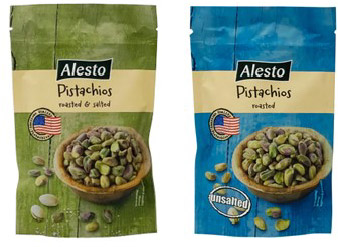
The manufacturer Carl Wilhelm Clasen GmbH is currently calling the products “Alesto Pistachios roasted, 70g” with the best before date March 25th, 2023 and lot number 30031/220622001 as well as “Alesto Pistachios roasted & salted, 70g” with the best before date March 23rd, 2023 and lot number 30030 /220623001 public back .
Only the federal states of Upper Austria, Salzburg, Tyrol and Vorarlberg are affected.
Elevated levels of ochratoxin A were detected in the products. Ochratoxin A is a mold toxin (mycotoxin) that can damage the kidneys if ingested over a long period of time. Customers should therefore pay attention to the recall and not consume the products under any circumstances.
For reasons of consistent consumer protection, Lidl Austria reacted immediately and removed the affected products from sale. The products can be returned in all Lidl branches. The purchase price will of course be refunded, even without presenting the receipt. Other products sold by Lidl Austria from the manufacturer Carl Wilhelm Clasen GmbH are not affected by the recall. The manufacturer Carl Wilhelm Clasen GmbH apologizes to all those affected for the inconvenience caused. This warning does not state that the hazard was caused by Lidl Austria.
If you have any questions, the Lidl Austria customer service is available on the toll-free number 0800/500 810 from Monday to Friday from 8 a.m. to 6 p.m. and on Saturday from 8 a.m. to 5 p.m.
Posted in Aflatoxin, food contamination, food handler, Food Hazard, Food Hygiene, Food Inspections, Food Micro Blog, Food Microbiology, Food Microbiology Blog, Food Microbiology Testing, Food Poisoning, food recall, Food Safety, Food Safety Alert, Food Safety Management, Food Testing, Food Toxin, Mold Toxin, Mould Toxin, Mycotoxin, Ochratoxin, Ochratoxin A
High content of Ochratoxin A in dried figs from Turkey in Italy
Posted in food contamination, food handler, Food Hazard, Food Hygiene, Food Inspections, Food Micro Blog, Food Microbiology, Food Microbiology Blog, Food Microbiology Testing, Food Poisoning, food recall, Food Safety, Food Safety Alert, Food Safety Management, Food Testing, Food Toxin, Mold Toxin, Mould Toxin, Mycotoxin, Ochratoxin, Ochratoxin A, RASFF
Lidl is recalling the following product :

| Last name | XXL Basmati Rice |
| Mark | Golden Sun |
| Unity | 4.5kg |
| Date of minimum durability (MDD) | All DDMs between 12/15/2022 and 12/21/2022 (inclusive) |
Danger : Potential presence of ochratoxin A
Ochratoxin A is a mycotoxin produced by molds which can be present in different products such as cereals, coffee, rice, spices and raisins. With repeated consumption, ochratoxin A can be carcinogenic and can have toxic effects at the renal level.
Sale in Luxembourg by: Lidl
Source of information: Lidl recall notification
Posted in food contamination, food handler, Food Hazard, Food Hygiene, Food Inspections, Food Micro Blog, Food Microbiology, Food Microbiology Blog, Food Microbiology Testing, Food Poisoning, food recall, Food Safety, Food Safety Alert, Food Safety Management, Food Temperature Abuse, Food Testing, Food Toxin, Mold Toxin, Mould Toxin, Mycotoxin, Ochratoxin, Ochratoxin A
Recalled Foods , Published: November 9, 2022
Posted in food contamination, food handler, Food Hazard, Food Hygiene, Food Inspections, Food Micro Blog, Food Microbiology, Food Microbiology Blog, Food Microbiology Testing, Food Poisoning, food recall, Food Safety, Food Safety Alert, Food Safety Management, Food Testing, Food Toxin, Mold Toxin, Mould Toxin, Mycotoxin, Ochratoxin, Ochratoxin A
High content of Ochratoxin A in dried figs from Turkey in Italy
Ochratoxin A in Basmati rice from the Netherlands in Belgium and Denmark
Posted in food contamination, Food Hazard, Food Hygiene, Food Inspections, Food Micro Blog, Food Microbiology, Food Microbiology Blog, Food Microbiology Testing, Food Poisoning, food recall, Food Safety, Food Safety Alert, Food Safety Management, Food Testing, Food Toxin, Mold Toxin, Mould Toxin, Mycotoxin, Ochratoxin, Ochratoxin A

Posted in Aflatoxin, Aflatoxin B1, Animal Feed Mould Toxin, Aspergillus Toxin, Decontamination Microbial, Food Micro Blog, Food Microbiology, Food Microbiology Blog, Food Microbiology Research, Food Microbiology Testing, Food Toxin, Fusarium Toxin, microbial contamination, Microbial growth, Microbiological Risk Assessment, Microbiology, Microbiology Investigations, Microbiology Risk, Mold Toxin, Mould Toxin, Mycotoxin, Ochratoxin, Ochratoxin A, Pet Food Aflatoxin, Research, Toxin
On August 8th was published the Commission Regulation (EU) 2022/1370 of 5 August 2022 amending Regulation (EC) No 1881/2006 as regards maximum levels of Ochratoxin A in certain foodstuffs.
Ochratoxin A (OTA) is a naturally occurring foodborne mycotoxin produced by various fungi of the genus Aspergillus and Penicillium, and it can be found in a wide variety of agricultural commodities, such as grains, seeds and beans, dried fruits, spices, and roots.
OTA is formed during sun drying and storage of crops, and, due to its stability under moderate heating, it can persist along the food production chain. However, losses ranging up to 90% have been observed at temperatures above 180°C.
Several toxic effects associated with OTA have been reported over the years.
The International Agency for Research on Cancer has included OTA in its Group 2 carcinogens, due to its kidney carcinogenicity, even if the mechanisms of genotoxicity are still unclear.
In 2006 the European Food Safety Authority performed a first risk assessment for OTA. In agreement with this assessment, the European Commission established in Regulation (EC) 1881/2006 maximum admissible levels of OTA for human consumption in many foodstuffs, such as cereals, coffee, grapes, grapefruit, dried vine fruits, wine, spices, and liquorice.
In recent years, further findings of high levels of Ochratoxin A were observed in food products for which no maximum levels were set at EU level, this raised questions regarding the necessity of setting new maximum levels for OTA in these foods.
In May 2020, EFSA published a revision of the OTA risk assessment, taking into account the new scientific evidence.
Based on this new risk assessment, the EU Commission established the Regulation (EU) 2022/1370, which revised the maximum levels for OTA present in Regulation (EC) 1881/2006 as follows:
• setting a maximum level for foods not yet included that contribute to human exposure to OTA;
• setting a level for non-alcoholic malt beverages and date syrup, pending the determination of a link with the OTA content of malt and dates;
• reducing the levels already set in certain foods (e.g. bakery products, dried vine fruit, roasted coffee and soluble coffee);
• the existing provisions for ochratoxin A in certain spices has been broadened to all spices.
For cheese and ham, it has been established that additional monitoring on the presence of ochratoxin A is appropriate before the setting of maximum levels.
The new Regulation will enter into force on the 28th of August 2022 and it shall apply from 1 January 2023.
Posted in Decontamination Microbial, Food Micro Blog, Food Microbiology, Food Microbiology Blog, Food Microbiology Research, Food Microbiology Testing, Food Toxin, microbial contamination, Microbial growth, Microbiological Risk Assessment, Microbiology, Microbiology Investigations, Microbiology Risk, Mould Toxin, Mycotoxin, Ochratoxin, Ochratoxin A, OTA

Mycotoxins are substances secreted by certain toxigenic strains of several species of molds (microscopic fungi) such as Aspergillus, Penicillium, Fusarium, Byssochlamys, Alternaria etc. which in particular contaminate cereals and plants before and or after harvest.
The toxicity of mycotoxins depends on the species and the nature of the toxin. They are generally thermostable, resistant to transformation processes and can be found in many foodstuffs and be responsible for acute or chronic poisoning in humans or animals.
Of the 300 to 400 known mycotoxins, about ten of them can cause animal or human pathologies: aflatoxins (AF), ochratoxin A (OTA), fumonisins deoxynivalenol (DON), T-2 and HT-2 toxins, trichotecenes (TC), zearalenone (ZEN) and patulins which contaminate fruits, especially apples. In 1993, the IARC (International Agency for Research on Cancer) classified aflatoxins in group 1, carcinogenic to humans; AFB1, considered one of the most potent natural genotoxic carcinogens, is classified in group 1 (IARC, 2002).
The target organ is the liver. As for OTA, it is considered possibly carcinogenic for humans and classified in group 2B (1993); in humans as in animals, the kidney is the main target organ. OTA would also have immunotoxic and neurotoxic effects. Due to their harmful effects, exposure to mycotoxins must remain as low as possible to protect the population. L’ WHO encourages the monitoring of mycotoxin levels in food because they represent a risk for human and animal health.
In France, data on the impregnation of the French population by mycotoxins are almost non-existent, with the exception of a study carried out in three French regions [1, 2]. The Esteban cross-sectional study (Health study on the environment, biomonitoring, physical activity and nutrition) made it possible to measure the levels of impregnation by aflatoxins and OTA of the population in mainland France aged 6 at 74 years old between April 2014 and March 2016.
The purpose of this note is to present the results of impregnation by AFs and OTA, and to analyze the determinants of exposure to OTA in adults . Aflatoxins B1, B2, G1, G2, M1 were not quantified, neither in children nor in adults. For OTA, the percentage of quantification was equal to 45.5% in children and 47.8% in adults. The geometric means of the levels of impregnation by the OTA were lower than the LOQ or not provided considering the important rate of censorship.
The search for the determinants of exposure by OTA, essentially dietary, in adults showed an increase in impregnation with the consumption of processed meats. Not all associations could likely be identified due to small sample size. A future biomonitoring study could make it possible to deepen the search for determinants of the impregnations observed and to broaden the knowledge of the
Author: Oleko Amivi, Hoang Phan, Fillol Clémence, Gane Jessica, Saoudi Abdessattar, Zeghnoun Abdelkrim
Year of publication: 2022
Pages: 35 p.
Collection: Studies and Surveys
Posted in Aflatoxin, Aflatoxin B1, aflatoxin m1, Animal Feed Mould Toxin, Aspergillus Toxin, Decontamination Microbial, Food Micro Blog, Food Microbiology, Food Microbiology Blog, Food Microbiology Research, Food Microbiology Testing, Food Toxin, Fusarium Toxin, microbial contamination, Microbiological Risk Assessment, Microbiology, Microbiology Investigations, Microbiology Risk, Mold Toxin, Mould Toxin, Mycotoxin, Ochratoxin, Ochratoxin A, Research, Toxin
Ochratoxin A in Astragalus Extract Pulver from Croatia in Austria, Bosnia, Germany, Malaysia, Montenegro and Serbia
Ochratoxin A in Indian Rice in the Netherlands
Posted in food contamination, food handler, Food Hazard, Food Hygiene, Food Inspections, Food Micro Blog, Food Microbiology, Food Microbiology Blog, Food Microbiology Research, Food Microbiology Testing, Food Poisoning, food recall, Food Safety, Food Safety Alert, Food Safety Management, Food Testing, Food Toxin, Mold Toxin, Mould Toxin, Mycotoxin, Ochratoxin, Ochratoxin A