Ochratoxin A in chillies seasoning via Germany in Switzerland
Ochratoxin A in organic raisins from Uzbekistan in Austria and Germany

Ochratoxin A in chillies seasoning via Germany in Switzerland
Ochratoxin A in organic raisins from Uzbekistan in Austria and Germany
Posted in food contamination, Food Hazard, Food Hygiene, Food Inspections, Food Micro Blog, Food Microbiology, Food Microbiology Blog, Food Microbiology Testing, Food Poisoning, food recall, Food Safety, Food Safety Alert, Food Testing, Food Toxin, Mold Toxin, Mould Toxin, Mycotoxin, Ochratoxin, RASFF
Aflatoxins in Indian Groundnut Kernels in the Netherlands
Aflatoxins in shelled pistachios from the USA in Italy
Aflatoxins in nutmeg from Indonesia in the Netherlands
Aflatoxins in groundnuts from Argentina in the Netherlands
Too much Aflatoxin B1 in peanut butter from United States in Finland
Aflatoxins in Brazil nuts from Peru in the Netherlands
Aflatoxins in Organic Nicaraguan Peanuts in the Netherlands
Aflatoxins in peanuts from USA in Bulgaria
Aflatoxins in organic Paraguay peanuts in the Netherlands
Posted in Aflatoxin, food contamination, Food Hazard, Food Hygiene, Food Inspections, Food Micro Blog, Food Microbiology, Food Microbiology Blog, Food Microbiology Testing, Food Poisoning, food recall, Food Safety, Food Safety Alert, Food Testing, Food Toxin, Mold Toxin, Mould Toxin, Mycotoxin, RASFF
Aflatoxin B1 in peanut kernels from Argentina in Germany
Aquaculture is the fastest-growing food production industry in the world. Due to concerns about sustainability, the need to replace fish meal with plant-based protein alternatives becomes more urgent. However, plant-based ingredients are often contaminated with mycotoxins, increasing the health risks to fish.
Plant-based ingredients in commercial fish diets include maize, soybean meal and various cereal grains, each representing a potential source of mycotoxins.
Mycotoxin-contaminated fish feed is a widespread problem, especially in tropical regions and developing countries where the farmers themselves often make fish feeds under inappropriate conditions with improper milling and/or storage. In addition to their impact on fish health, some mycotoxins can also accumulate in fish tissue, thereby posing a possible food safety risk.
According to a recent risk assessment study on mycotoxin contamination in fish feeds in Europe, deoxynivalenol (DON) is one of the primary mycotoxins present. DON is produced by over 50 species of Fusarium fungi, which mainly infect crops such as wheat and maize before harvest. Fusarium fungi produce a range of mycotoxins, such as fumonisins, the trichothecenes — most strongly associated with chronic and fatal toxic effects in animals and humans — and zearalenone, which is known to affect the fertility of many animal species, including aquatic species such as fish and shrimp.
The impact of mycotoxins depends on several factors including:
Most common issues include:
These are often associated with other on-farm concerns, so the mycotoxin risk is currently underestimated.
Posted in Aflatoxin, Animal Feed, Animal Feed Mould Toxin, Animal Feed Testing, Food Micro Blog, Food Microbiology Blog, Food Microbiology Research, Food Toxin, Fusarium Toxin, microbial contamination, Microbiological Risk Assessment, Microbiology, Microbiology Investigations, Mold Toxin, Mould Toxin, Mycotoxin, Ochratoxin, Research
Ground almonds ORGANIC
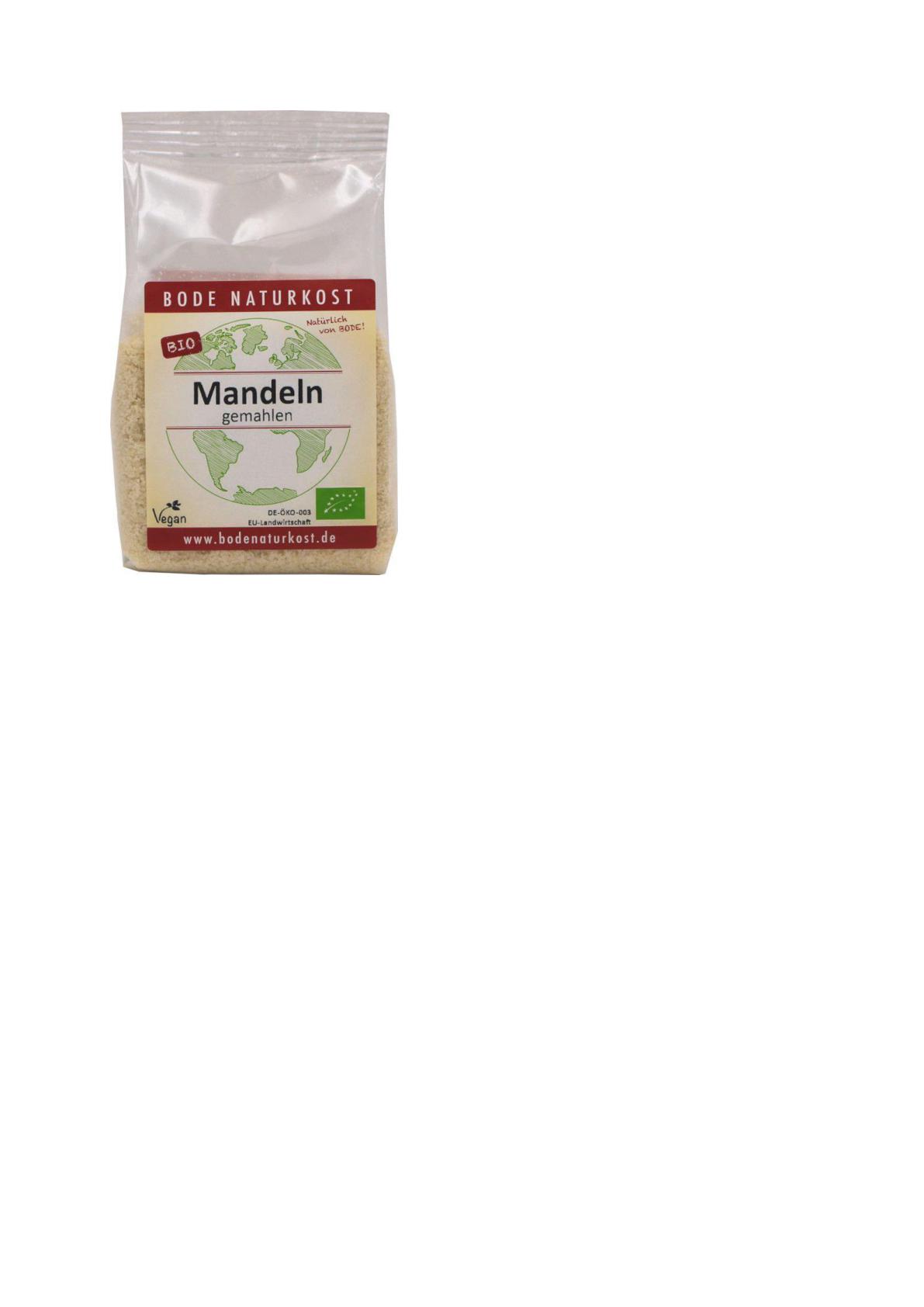
Recall Horst Bode Naturkost GmbH
Bode Naturkost GmbH Havighorster Weg 6 21031 Hamburg
Aflatoxins
Baden-Württemberg:poststelle@mlr.bwl.de
| Press releases and information | |
|---|---|
| title | Attachment or web link |
|
Recall Bode Naturkost GmbH
|
|
Aflatoxins in U.S.A. peanuts in the Netherlands
Aflatoxin in Nicaraguan groundnuts in the Netherlands
Aflatoxins in pistachios from the United States in Germany
Aflatoxins in Organic Egyptian peanuts for Further Processing in the Netherlands
Aflatoxins in ground organic almonds from Spain in Austria, Bulgaria, Germany, Hungary, Luxembourg, Poland, Spain and Sweden
Aflatoxin in Pakistan Brown Rice in the Netherlands
Posted in Aflatoxin, food contamination, Food Hazard, Food Hygiene, Food Inspections, Food Micro Blog, Food Microbiology, Food Microbiology Blog, Food Microbiology Testing, Food Poisoning, food recall, Food Safety, Food Safety Alert, Food Testing, Food Toxin, Mold Toxin, Mould Toxin, Mycotoxin, RASFF
Ochratoxin A in red quinoa from France in Belgium, Germany and Netherlands
Posted in food contamination, food handler, Food Hazard, Food Hygiene, Food Inspections, Food Micro Blog, Food Microbiology, Food Microbiology Blog, Food Microbiology Testing, Food Poisoning, food recall, Food Safety, Food Safety Alert, Food Temperature Abuse, Food Testing, Food Toxin, Mold Toxin, Mould Toxin, Mycotoxin, Ochratoxin
| GTIN | Lot | Dated |
|---|---|---|
| 3263850622366 | All lots | Date of minimum durability 11/24/2022 |
Posted in food contamination, food handler, Food Hazard, Food Hygiene, Food Inspections, Food Micro Blog, Food Microbiology, Food Microbiology Blog, Food Microbiology Testing, Food Pathogen, Food Poisoning, food recall, Food Safety, Food Safety Alert, Food Testing, Food Toxin, Mold Toxin, Mould Toxin, Mycotoxin, Ochratoxin
Organic almond heather

GEPA The Fair Trade Company
GEPA The Fair Trade Company GEPA-Weg 1 42327 Wuppertal
increased levels of aflatoxins in the almonds used
More details can be found in the enclosed consumer information.
Baden-Württemberg:poststelle@mlr.bwl.de
| Press releases and information | |
|---|---|
| title | Attachment or web link |
|
Press release from GEPA The Fair Trade Company, GEPA-Weg 1, 42327 Wuppertal
|
|
Posted in Aflatoxin, food contamination, Food Hazard, Food Hygiene, Food Inspections, Food Micro Blog, Food Microbiology, Food Microbiology Blog, Food Microbiology Testing, Food Poisoning, food recall, Food Safety, Food Safety Alert, Food Testing, Food Toxin, Mold Toxin, Mould Toxin, Mycotoxin, Uncategorized
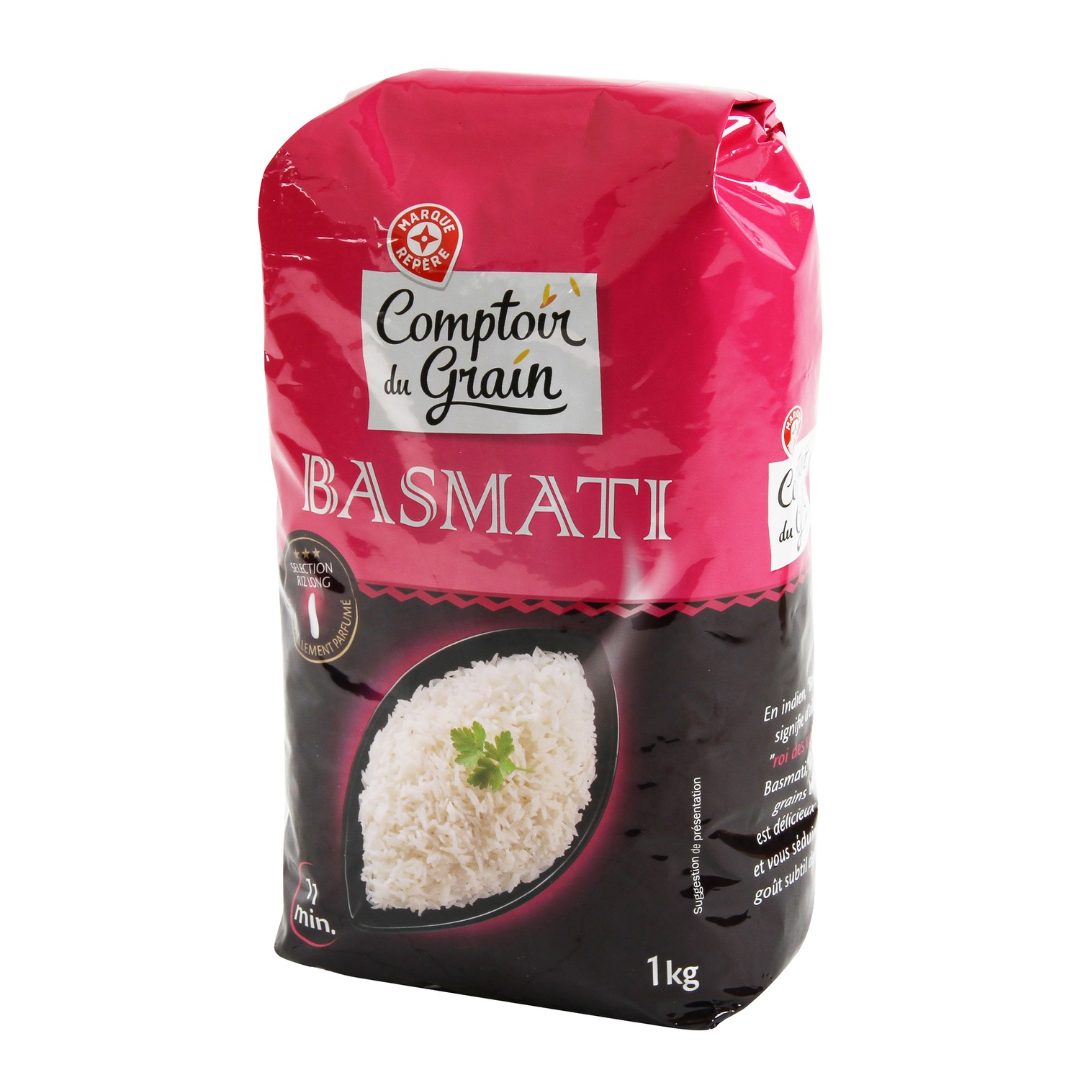
| GTIN | Lot | Dated |
|---|---|---|
| 3564700024164 | All lots | Date of minimum durability 11/26/2022 |
| 3564700024164 | All lots | Date of minimum durability 11/21/2022 |

 FoodWorld