
KSWFoodWorld
Category Archives: Mold Toxin
Israel -Notice to consumers about the removal from the shelves of the products “Ground Nutmeg”, “Mixed Seasoning Mix”, “Rice Seasoning Mix”, “White Rice Seasoning Mix” – Aflatoxins
Posted in Aflatoxin, Aflatoxin B1, Aspergillus, Aspergillus Toxin, food contamination, food handler, Food Hazard, Food Hygiene, Food Inspections, Food Micro Blog, Food Microbiology, Food Microbiology Blog, Food Microbiology Testing, Food Poisoning, Food Quality, food recall, Food Safety, Food Safety Alert, Food Safety Management, Food Safety Regulations, Food Testing, Food Toxin, Mold Toxin, Mycotoxin
Italy – ORGANIC CORN FLOUR – Aflatoxin
Brand : AZIENDA AGRICOLA BIO FLORIDDIA
Name : ORGANIC CORN FLOUR
Reason for reporting : Recall due to chemical risk
Publication date : 12 January 2024

Documentation
Posted in Aflatoxin, Aspergillus Toxin, food contamination, food handler, Food Hazard, Food Hygiene, Food Inspections, Food Micro Blog, Food Microbiology, Food Microbiology Blog, Food Microbiology Testing, Food Poisoning, Food Quality, food recall, Food Safety, Food Safety Alert, Food Safety Management, Food Safety Regulations, Food Testing, Food Toxin, Mold Toxin, Mould Toxin, Mycotoxin
RASFF Alerts – Ochratoxin A – Dried Figs
Presence of ochratoxin A beyond the permitted limits in dried figs from Spain in Italy
Posted in Aspergillus Toxin, food contamination, food handler, Food Hazard, Food Hygiene, Food Inspections, Food Micro Blog, Food Microbiology, Food Microbiology Blog, Food Microbiology Testing, Food Poisoning, Food Quality, food recall, Food Safety, Food Safety Alert, Food Safety Management, Food Safety Regulations, Food Testing, Food Toxin, Mold Toxin, Mould Toxin, Mycotoxin, Ochratoxin, Ochratoxin A, RASFF
RASFF Alerts – Aflatoxin – Pistachios – Groundnuts -Peanuts – Hazelnuts and Peanut Butter
Aflatoxins above the limits in Pistachios in shell from Turkey in Italy
Aflatoxins in pistachio kernels from the Islamic Republic of Iran in Germany
AFLATOXIN B1 above legal limits in Pistachios Kernels from the United States via Turkey in Slovakia and Italy
Presence of Aflatoxins beyond the permitted limits in shelled pistachios from Iran in Italy
REG. UE n. 915/2023/ aflatoxin B1 and totals above legal limits in in shell pistachios from Turkey in Italy
Aflatoxin in groundnut kernels from the USA in the Netherlands
Aflatoxins in peanuts in shell (Arachis Hypogeae) from Egypt in Italy
High levels of aflatoxin in hazelnuts from Georgia in Germany and Bulgaria
Aflatoxins in peanut butter from India in Germany and Austria
Aflatoxins in U.S.A. peanuts in the Netherlands
Lot of in-shell pistachios with aflatoxin b1 and total values above the legal limit. REG. EU no. 915/2023 rom Iran in Italy
Posted in Aflatoxin, Aspergillus Toxin, food contamination, food handler, Food Hazard, Food Hygiene, Food Inspections, Food Micro Blog, Food Microbiology, Food Microbiology Blog, Food Microbiology Testing, Food Poisoning, Food Quality, food recall, Food Safety, Food Safety Alert, Food Safety Management, Food Safety Regulations, Food Testing, Food Toxin, Mold Toxin, Mould Toxin, Mycotoxin, RASFF, Toxin
Finland – Ochratoxin in figs and suspected salmonella in goji berries
Foodin Oy has announced that it has issued a recall for a total of four different products:
| Product | Best before | Batch ID | On sale from |
| Goji berry organic 150 g | 4/2025 | L051023 | 9/10/2023 |
| Goji berry organic 450 g | 5/2025 | L301123 | 4/12/2023 |
| Trailmix high five 70 g | 3/2025 | L181223 | 19/12/2023 |
| Mini fig organic 150 g | 11/2024 | L201023 | 1/11/2023 |
The recall of products containing goji berries is done because a German operator selling the same lot of goji has detected salmonella in its self-monitoring samples. That is why the goji berries of the same batch are recalled in Finland and also in other parts of Europe.
Elevated concentrations of ochratoxin have been measured in the recalled batch of mini figs. Ochratoxin is a mold toxin that can form in moist conditions, for example in dried fruits and grains.
The products have been sold at individual retailers and in K and S group stores. The recall applies only to the mentioned product lots.
More information: Foodin Oy, CEO Lasse Jalkanen, +358 44 530 0036, lasse@foodin.fi and in the announcement on the company’s website.
The matter is handled at the Food Agency by special expert Mika Varjonen, tel. 050-38 68 416, firstname.surname@ruokavirasto.fi .
Photos of the products:
(Photos: Foodin Oy)

Posted in Aspergillus Toxin, food contamination, food handler, Food Hazard, Food Hygiene, Food Inspections, Food Micro Blog, Food Microbiology, Food Microbiology Blog, Food Microbiology Testing, Food Poisoning, Food Quality, food recall, Food Safety, Food Safety Alert, Food Safety Management, Food Safety Regulations, Food Testing, Food Toxin, Mold Toxin, Mould Toxin, Mycotoxin, Ochratoxin, Ochratoxin A, Toxin
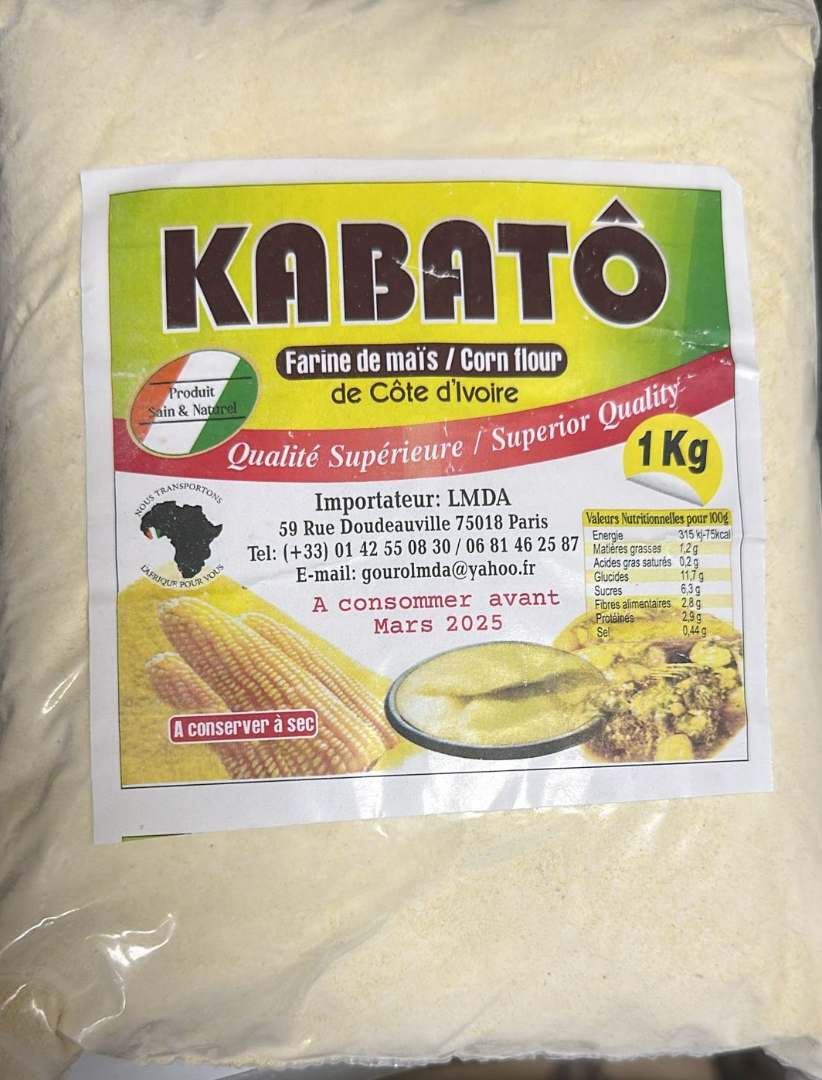
France – CORN FLOUR – Aflatoxin
Product category
Food
Product subcategory
Cereals and bakery products
Product brand name
KABATO
Model names or references
KABATO – CORN FLOUR
Product identification
GTIN Batch Date
1102209000 1 bag 1kg Use-by date 03/31/2025
Products List
kabatophoto.pdfAttachment
Packaging
bag 1 kg
Start/end date of marketing
From 07/01/2023 to 12/29/2023
Storage temperature
Product to be stored at room temperature
Geographical sales area
Regions: Île-de-France
Distributors
-GOURO MARCH – EXOFOODS – EXOTICA – TROPICA RUNGIS
Posted in Aflatoxin, Aspergillus Toxin, food contamination, food handler, Food Hazard, Food Hygiene, Food Inspections, Food Micro Blog, Food Microbiology, Food Microbiology Blog, Food Microbiology Testing, Food Poisoning, Food Quality, food recall, Food Safety, Food Safety Alert, Food Safety Management, Food Safety Regulations, Food Testing, Food Toxin, Mold Toxin, Mould Toxin, Mycotoxin
Belgium – Dried fig from the Rekolte brand – Ochratoxin A
Recall from the FASFC
Product: dried fig from the Rekolte brand.
Problem: too high ochratoxin A content.
Following notification via the RASFF system (European Food and Feed rapid alert system), the FASFC withdraws from sale the “dried fig” product of the Rekolte brand and recalls it from consumers due to excessive content. high in ochratoxin A.
The FASFC asks not to consume this product and to return it to the point of sale in which it was purchased.
Product description:
Product name: dried fig
Brand: Rekolte
Minimum durability date (MBD): 03/31/2024
Batch number: 090022480/1-11-111
Weight: 250 g
 |
 |
The product was sold through different outlets.
For any further information , you can contact the AFSCA contact point for consumers: 0800/13.550 or pointdecontact@afsca.be .
Posted in Aspergillus Toxin, food contamination, food handler, Food Hazard, Food Hygiene, Food Inspections, Food Micro Blog, Food Microbiology, Food Microbiology Blog, Food Microbiology Testing, Food Pathogen, Food Poisoning, Food Quality, food recall, Food Safety, Food Safety Alert, Food Safety Management, Food Safety Regulations, Food Testing, Food Toxin, Mold Toxin, Mould Toxin, Mycotoxin, Ochratoxin, Ochratoxin A
Italy – Organic Corn Flour – Aflatoxin
Brand : AZIENDA AGRICOLA BIO FLORIDDIA
Name : ORGANIC CORN FLOUR
Reason for reporting : Recall due to chemical risk
Publication date : 5 January 2024
Documentation
Posted in Aflatoxin, Aspergillus Toxin, food contamination, food handler, Food Hazard, Food Hygiene, Food Inspections, Food Micro Blog, Food Microbiology Blog, Food Microbiology Testing, Food Poisoning, Food Quality, food recall, Food Safety, Food Safety Alert, Food Safety Management, Food Safety Regulations, Food Testing, Food Toxin, Mold Toxin, Mould Toxin, Mycotoxin
Research – Food Safety Aspects of Breeding Maize to Multi-Resistance against the Major (Fusarium graminearum, F. verticillioides, Aspergillus flavus) and Minor Toxigenic Fungi (Fusarium spp.) as Well as to Toxin Accumulation, Trends, and Solutions—A Review
Abstract
Maize is the crop which is most commonly exposed to toxigenic fungi that produce many toxins that are harmful to humans and animals alike. Preharvest grain yield loss, preharvest toxin contamination (at harvest), and storage loss are estimated to be between 220 and 265 million metric tons. In the past ten years, the preharvest mycotoxin damage was stable or increased mainly in aflatoxin and fumonisins. The presence of multiple toxins is characteristic. The few breeding programs concentrate on one of the three main toxigenic fungi. About 90% of the experiments except AFB1 rarely test toxin contamination. As disease resistance and resistance to toxin contamination often differ in regard to F. graminearum, F. verticillioides, and A. flavus and their toxins, it is not possible to make a food safety evaluation according to symptom severity alone. The inheritance of the resistance is polygenic, often mixed with epistatic and additive effects, but only a minor part of their phenotypic variation can be explained. All tests are made by a single inoculum (pure isolate or mixture). Genotype ranking differs between isolates and according to aggressiveness level; therefore, the reliability of such resistance data is often problematic. Silk channel inoculation often causes lower ear rot severity than we find in kernel resistance tests. These explain the slow progress and raise skepticism towards resistance breeding. On the other hand, during genetic research, several effective putative resistance genes were identified, and some overlapped with known QTLs. QTLs were identified as securing specific or general resistance to different toxicogenic species. Hybrids were identified with good disease and toxin resistance to the three toxigenic species. Resistance and toxin differences were often tenfold or higher, allowing for the introduction of the resistance and resistance to toxin accumulation tests in the variety testing and the evaluation of the food safety risks of the hybrids within 2–3 years. Beyond this, resistance breeding programs and genetic investigations (QTL-analyses, GWAM tests, etc.) can be improved. All other research may use it with success, where artificial inoculation is necessary. The multi-toxin data reveal more toxins than we can treat now. Their control is not solved. As limits for nonregulated toxins can be introduced, or the existing regulations can be made to be stricter, the research should start. We should mention that a higher resistance to F. verticillioides and A. flavus can be very useful to balance the detrimental effect of hotter and dryer seasons on aflatoxin and fumonisin contamination. This is a new aspect to secure food and feed safety under otherwise damaging climatic conditions. The more resistant hybrids are to the three main agents, the more likely we are to reduce the toxin losses mentioned by about 50% or higher.
Research – Novel Methods for the Mitigation of Human Pathogens and Mycotoxin Contamination of High Value California Specialty Crops
Successful execution of these Objectives will contribute to field by: improving our knowledge of how microbial populations can affect and impact food safety and public health and delineating how pathogens are transmitted and disseminated in and among plant crops allowing for future development of improved/alternate interventions and control strategies
(Objectives 1-4); developing novel intervention strategies using sustainable, natural fungicide alternatives that eliminate aflatoxigenic fungi; enhancing our knowledge regarding the prevalence of azole-resistant aspergilli with enhanced aflatoxin production
(Objective 5); and developing novel methods to control invasive insect pests and reducing the need for the use of radioisotopes for irradiation
(Objective 6). These Objectives, if successful, will allow growers to produce a safer food supply and reduce the use of toxic chemicals (pesticides) and enhance environmental quality.
Objective 1: Identify and characterize agricultural soils that suppress the persistence of the human pathogenic bacteria Salmonella enterica, Listeria monocytogenes and Escherichia coli O157:H7.
Objective 2: Examine the microbiomes, potential for human pathogen colonization, and effectiveness of biological control agents on lettuces grown in indoor vertical hydroponic systems.
Objective 3: Examine the effects of bacterial biocontrol candidate strains on population dynamics of black Aspergillus spp. on grapes and raisins.
Objective 4: Identification and utilization of antifungal metabolites from microbial sources as interventions. •
Sub-objective 4A: Identification of antifungal metabolites from candidate biocontrol bacteria collected from raisin grape vineyards. •
Sub-objective 4B: Isolation and characterization of bacteria with antifungal activities from pistachio orchards.
Objective 5: Development of resistance management augmenting fungal and mycotoxin elimination. •
Sub-objective 5A: Determine the prevalence of azole-resistant aspergilli (A. flavus, A. parasiticus) that produce increased levels of mycotoxins in California tree nut orchards. •
Sub-objective 5B: Develop new intervention strategies for the control of azole-resistant Aspergillus species utilizing natural products/derivatives as fungicide alternatives.
Objective 6: Investigate novel methods to address mycotoxin contamination of tree nuts through control of fungal and insect vectors. •
Sub-objective 6A: Evaluate X-ray based irradiation as an alternative to gamma irradiation for SIT. •
Sub-objective 6B: Investigate high pressure steam as a tool for orchard sanitation through destruction of overwintering NOW larvae in pistachio mummies.
Objective 7: The use of previously approved natural products as an accelerated chemical interventions strategy to inhibit food-associated mycotoxins, fungal pathogens, and their insect pest transmitters. •
Sub-objective 7A: Identify previously approved natural products that inhibit mycotoxins and fungal pathogens frequently found in food contaminations. •
Sub-objective 7B: Identify previously approved natural products that immunosuppress insect pests and increase their sensitivity to microbes.

 FoodWorld