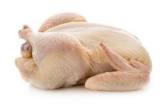
Broiler carcasses are often contaminated with bacteria during feather plucking. Applying an acidic solution could prevent this.

Broiler carcasses are often contaminated with bacteria during feather plucking. Applying an acidic solution could prevent this.


Campylobacter is a cause of food poisoning in people and is often found in chickens. In the UK alone, it is estimated that more than half a million people are infected with Campylobacter each year.
Protecting crops against the damaging effects of fusarium ear blight is essential in any year, but it could be even more so this season, given the reduced wheat area and strong premiums for milling wheat.
Fusarium and its associated mycotoxins are not just a concern for milling wheat growers, though, as the different forms of the disease can affect yield and quality in all the main cereals: wheat, barley and oats.
As there are legal mycotoxin limits on grain for human consumption, and guidance limits on crops intended for animal feed, it is vital to protect all crops.

RASFF – aflatoxins (B1 = 28.1 µg/kg – ppb) in feed groundnuts from the United States in the UK
RASFF – Salmonella enterica ser. Senftenberg (presence /25g) in sunflower seedcakes from the Netherlands in Belgium
RASFF – Salmonella enterica ser. Livingstone (presence /25g) in fish meal from the United States in Greece
RASFF – Salmonella enterica ser. anatum (presence /25g) in fish meal from the United States in Greece
Biofilm formation by Escherichia coli O157:H7 and Salmonella enterica at meat processing plants poses a potential risk of meat product contamination. Many common sanitizers are unable to completely eradicate biofilms formed by these foodborne pathogens because of the three-dimensional biofilm structure and the presence of bacterial extracellular polymeric substances (EPSs). A novel multifaceted approach combining multiple chemical reagents with various functional mechanisms was used to enhance the effectiveness of biofilm control. We tested a multicomponent sanitizer consisting of a quaternary ammonium compound (QAC), hydrogen peroxide, and the accelerator diacetin for its effectiveness in inactivating and removing Escherichia coli O157:H7 and Salmonella enterica biofilms under meat processing conditions. E. coli O157:H7 and Salmonella biofilms on common contact surfaces were treated with 10, 20, or 100% concentrations of the multicomponent sanitizer solution for 10 min, 1 h, or 6 h, and log reductions in biofilm mass were measured. Scanning electron microscopy (SEM) was used to directly observe the effect of sanitizer treatment on biofilm removal and bacterial morphology. After treatment with the multicomponent sanitizer, viable E. coli O157:H7 and Salmonella biofilm cells were below the limit of detection, and the prevalence of both pathogens was low. After treatment with a QAC-based control sanitizer, surviving bacterial cells were countable, and pathogen prevalence was higher. SEM analysis of water-treated control samples revealed the three-dimensional biofilm structure with a strong EPS matrix connecting bacteria and the contact surface. Treatment with 20% multicomponent sanitizer for 10 min significantly reduced biofilm mass and weakened the EPS connection. The majority of the bacterial cells had altered morphology and compromised membrane integrity. Treatment with 100% multicomponent sanitizer for 10 min dissolved the EPS matrix, and no intact biofilm structure was observed; instead, scattered clusters of bacterial aggregates were detected, indicating the loss of cell viability and biofilm removal. These results indicate that the multicomponent sanitizer is effective, even after short exposure with dilute concentrations, against E. coli O157:H7 and S. enterica biofilms.
Listeria monocytogenes, a resilient and ubiquitous foodborne pathogen, is associated with a high case-fatality rate in humans. This study investigated the culturable microbiota of low-moisture foods (LMFs) imported into Canada to see how well bacteria isolated from these foods could inhibit or inactivate the growth of L. monocytogenes. Imported LMFs were acquired from various supermarkets in the Greater Toronto Area (Ontario, Canada). The foods included dried apples, bee pollen, cumin seeds, date fruits, fennel seeds, pistachios, raisins, and seaweed. Bacterial strains were isolated from the foods using blood agar and then screened using an in-house-designed growth inhibition plate assay against L. monocytogenes. The inhibitory strains detected were then identified using 16S rRNA sequencing. Diverse bacteria were recovered from the foods; 236 isolates belonging to 122 observed phenotypes were obtained. From the inhibition plate assays, 10 of the 11 imported LMFs harbored inhibitory strains against L. monocytogenes, whereby 48 of the collected isolates (20%) were found to produce a zone of inhibition against this pathogen. The inhibitory strains belonged to six genera (Acinetobacter, Aerococcus, Bacillus, Lysinibacillus, Paenibacillus, and Sporosarcina) and 15 unique species. Among all foods tested, the date fruit microbiota displayed the greatest number and diversity of anti–L. monocytogenes inhibitory strains. Overall, it was found that the culturable microbiota of LMFs, imported into Canada, possess bacterial members that can inhibit the growth of L. monocytogenes. These results could lead to the discovery of either novel antimicrobial metabolites or beneficial anti–L. monocytogenes bacteria that could be added to foods to inactivate and/or control L. monocytogenes.
Tahini is a common food product in the Mediterranean area that is used as a main ingredient in variety of ready-to-eat foods. The objective of the current study was to investigate the inhibitory effect of thyme oil (TO) or cinnamon oil (CO) on E. coli O157:H7 viability in tahini and diluted tahini at different storage temperatures. Addition of 2.0% CO to tahini reduced E. coli O157:H7 numbers by 1.38, 1.79 or 2.20 log10 CFU/mL at 10, 25 or 37 °C, respectively, by 28d. In diluted tahini at 10 °C, no viable cells of E. coli O157:H7 by 21d were detected when 1.0% CO was used. However, at 25 and 37 °C, no viable cells were detected by 14d when CO was added at 0.5% level. Addition of 2.0% TO to tahini, resulted in 1.82, 2.01 or 1.65 log10 CFU/mL reduction in E. coli O 157:H7 numbers was noted at 37, 25 or 10 °C, respectively, by 28d. In diluted tahini, TO at 0.5% or 1.0% induced complete reduction in the viability of E. coli O157:H7 by 28d storage at 37 or 25 °C. At 10 °C, a 3.02 log10 CFU/mL reduction was observed by 28d compared to the initial inoculation level in samples treated with 2.0% TO.
Little information has been published on the microbiological aspects of U.S. commercial duck processing. The objective of this study was to measure prevalence and/or levels of bacteria in duck samples representing the live bird and partially or fully processed oven-ready duck meat. At 12 monthly sampling times, samples were collected at six sites along the processing line in a commercial duck slaughter plant. Crop and cecum samples were collected at the point of evisceration. Whole carcass rinse samples were collected before and after carcass immersion chilling plus application of an antimicrobial spray. Leg quarters were collected from the cut-up line before and after application of an antimicrobial dip treatment. All samples (five from each site per monthly replication) were directly plated and/or enriched for Salmonella and Campylobacter. For the last 10 replications, carcass and leg quarter rinse samples were also evaluated for enumeration of total aerobic bacteria, Escherichia coli, and coliforms. Most cecum, crop, and prechill carcass rinse samples were positive for Campylobacter (80, 72, and 67%, respectively). Carcass chilling and chlorinated spray significantly lowered Campylobacter prevalence (P < 0.01), and even fewer leg quarters were positive for Campylobacter (P < 0.01). Passage through a chlorinated dip did not further reduce Campylobacter prevalence on leg quarters. Salmonella was infrequently found in any of the samples examined (≤10%). Total aerobic bacteria, coliforms, and E. coli levels were reduced (P < 0.01) on whole carcasses by chilling but were not different after cut-up or leg quarter dip treatment. Overall, current commercial duck processing techniques as applied in the tested plant were effective for reducing the prevalence and levels of Campylobacter on duck meat products.
The effects of high hydrostatic pressure (HHP) treatments on histamine-forming bacteria (HFB) Morganella morganii and Photobacterium phosphoreum in phosphate buffer and tuna meat slurry were investigated using viability counting and scanning electron microscopy. The first-order model fits the destruction kinetics of high pressure on M. morganii and P. phosphoreum during the pressure hold period. The D-values of M. morganii (200 to 600 MPa) and P. phosphoreum (100 to 400 MPa) in phosphate buffer ranged from 16.4 to 0.08 min and 26.4 to 0.19 min, respectively, whereas those in tuna meat slurry ranged from 51.0 to 0.09 min and 71.6 to 0.19 min, respectively. M. morganii had higher D-values than P. phosphoreum at the same pressure, indicating it was more resistant to HHP treatment. HFB had a higher D-value in tuna meat slurry compared with that in phosphate buffer, indicating that the HFB were more resistant to pressure in tuna meat slurry. The Zp values (pressure range that results in a 10-fold change in D-value) of M. morganii and P. phosphoreum were 162 and 140 MPa in phosphate buffer and 153 and 105 MPa in tuna meat slurry, respectively. Damage to the cell wall and cell membrane by HHP treatments can be observed by scanning electron microscopy. To our knowledge, this is the first report to demonstrate that HHP can be applied to inactivate the HFB M. morganii and P. phosphoreum by inducing morphological changes in the cells.


