Category Archives: Microbiology

Research – Breakthrough in understanding ‘tummy bug’ bacteria

Science Daily

Scientists have discovered how bacteria commonly responsible for seafood-related stomach upsets can go dormant and then “wake up.”

Vibrio parahaemolyticus is a marine bacterium that can cause gastroenteritis in humans when eaten in raw or undercooked shellfish such as oysters and mussels.

Some of these bacteria are able to turn dormant in poor growth conditions such as cold temperatures — and can remain in that state of hibernation for long periods before resuscitating.

University of Exeter scientists have identified a population of these dormant cells that are better at waking up, and have discovered an enzyme involved in that waking up process.

“Most of these bacteria die when they encounter poor growth conditions, but we identified sub-populations of bacteria that are able to stay dormant for long periods of time,” said lead author Dr Sariqa Wagley, of the University of Exeter.

“We found that this population has a better ability to revive when conditions improve.

“Our tests show that when these dormant bacteria are revived they are just as virulent and able to cause disease.”

The findings could have implications for seafood safety, as dormant cells are not detectable using routine microbiological screening tests and the true bacterial load (amount of bacteria) could be underestimated.

“When they go dormant, these bacteria change shape, reduce respiration activities and they don’t grow like healthy bacteria on agar plates used in standard laboratory tests, so they are much harder to detect,” Dr Wagley explained.

“Using a range of tools, we were able to find dormant bacteria in seafood samples and laboratory cultures and look at their genetic content to look for clues in how they might survive for long periods.

“It is important to note that thorough cooking kills bacteria in seafood.

“Our results may also help us predict the conditions that dormant bacteria need in order to revive.”

Working with the seafood industry, the Exeter team identified a lactate dehydrogenase enzyme that breaks down lactic acid into pyruvate, a key component of several metabolic pathways (chemical reactions in a cell).

The findings suggest that lactate dehydrogenase is essential both for maintaining bacterial dormancy and resuscitation back to an active form.

Vibrio parahaemolyticus usually grows in warm and tropical marine environments, although Dr Wagley said that due to rising sea temperatures in recent years it is now prevalent in UK waters during the summer months.

During the winter, it is not detected in the marine environment around the UK and it is thought to die due to the cold winter temperatures.

This study could explain how Vibrio parahaemolyticus is able remerge in the environment during the summer.

The study was partly funded by the Biotechnology and Biological Sciences Research Council (BBSRC), with additional funding and support from Lyons Seafoods.

Research – Condensation removal practices and its potential for contributing to environmental pathogen contamination in food processing facilities

Journal of Food Protection

listeria

Food manufacturers often use squeegees as a tool to remove condensation from overhead surfaces. This practice is done to reduce the likelihood of environmental pathogen contamination by eliminating condensed water droplets that could fall from overhead surfaces during production. However, this practice may actually spread environmental pathogens across these surfaces, defeating its purpose and further increasing the risk for contamination in the processing area. To understand the risk associated with this common practice, test pipes inoculated with Listeria innocua ATCC 33090 were exposed to steam to produce condensation, which was then removed by squeegees. The pipe surfaces, droplets, and squeegees were subsequently analysed for Listeria to determine the distance the organism spread across the pipe, and how many organisms were transferred to the droplets and the squeegees. Results showed that Listeria travelled as far as 16 inches across the surface of the pipe, and bacterial transfer to the droplets decreased as the squeegee travelled further away from the contaminated area. Sanitisers alone were able to remove about 1 – 2 log CFU/in 2 of Listeria from the squeegee blades. Among the cleaning protocol evaluated, an extensive cleaning regimen was able to remove 3 – 4 log CFU/in 2 , which would be recommended to reduce the risk associated with environmental pathogens transfer. This study provides evidence that supports recommendations for minimising the cross-contamination risk associated with condensation management practices.

Switzerland – Early detection for food safety

FFSVO

For sustainable assurance of food safety and the prevention of fraud, the FSVO identifies newly emerging risks to the health of Switzerland’s population. Early detection of this kind allows appropriate action to be taken in real time.

The FSVO compiles the most important food safety information every month 

Monitoring developments in the field of food safety is an essential task of early detection. This is why the FSVO summarises and evaluates the main information in Seismo Info. The publication is sent out by newsletter.

The aim of early detection for food safety is to identify and assess potential risks of food to the health of consumers.

The FSVO distinguishes between different types of risk:

  • Microbiological risks in foodstuffs and food fraud and deception
  • Chemical risks in foodstuffs and commodities
  • Nutrition-related risks

Monitoring system

The detection of newly emerging risks requires vigilant monitoring of societal and ecological changes, technological developments, economic trends and political conditions.

To perform these tasks, the FSVO manages an early detection system for food safety. This system considers information from a variety of sources, as well as the opinion of experts from the federal government, the cantons, industry and universities. The FSVO is also part of an international network that regularly shares information on new risks, assesses these risks and discusses the action to be taken.

Information and communication

The information gathered is compiled in the ADURA database, which can be accessed by federal and cantonal experts and to some extent also by the public.

The FSVO summarises and evaluates the main information every month in Seismo Info. The publication is communicated via the «Food safety and nutrition» newsletter (Subscription in French, German or Italian).

«Briefing letters» are short summaries of issues. They are characterised by in-depth research on a specific topic. Their purpose is to draw attention to hazards or risks that could endanger food safety in the medium to long term.

Anyone can contribute to early detection by submitting information to seismo@blv.admin.ch. Specialists check the information and incorporate it into the ADURA database or Seismo Info as appropriate.

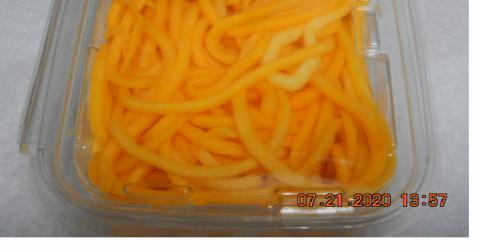
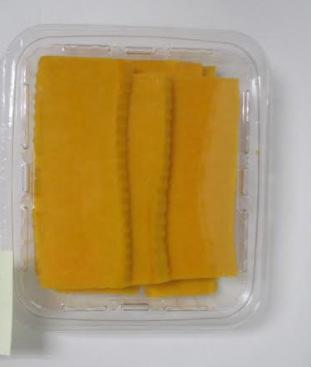
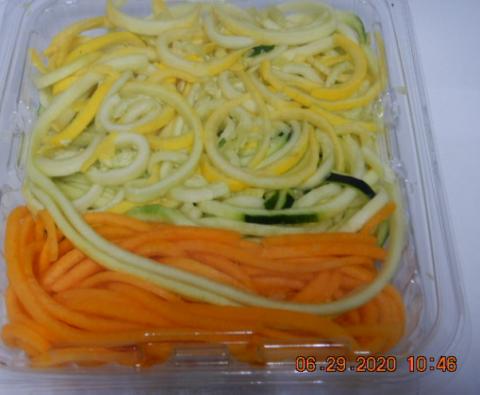
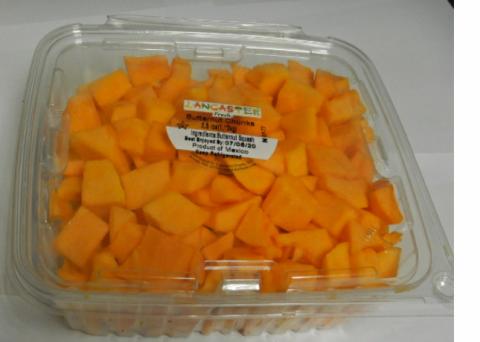
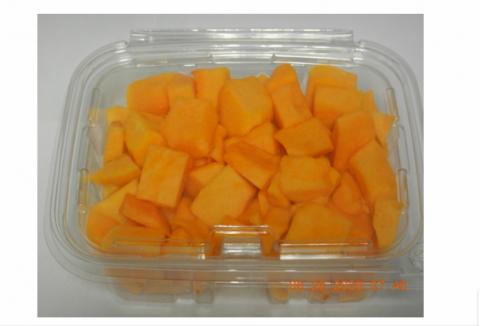
USA – Lancaster Foods Recalls All Conventional Butternut Squash Items That Were Processed between the Dates of 12/22/20 and 01/08/21 Due to Possible Health Risk

FDA

Lancaster Foods LLC has initiated a voluntary product recall of its processed butternut squash items because they have the potential to be contaminated with Listeria Monocytogenes, an organism which can cause serious and sometimes fatal infections in young children, frail or elderly people, and others with weakened immune systems. Although healthy individuals may suffer only short-term symptoms such as high fever, severe headache, stiffness, nausea, abdominal pain and diarrhea, Listeria infection can cause miscarriages and stillbirths among pregnant women.

No illnesses have been reported to date in connection with this problem.

The recalled items were distributed in NC, VA, DC, MD, PN, NY, NJ, CT, RI, MA, NH, and VT mainly through retail stores.

The products noted:

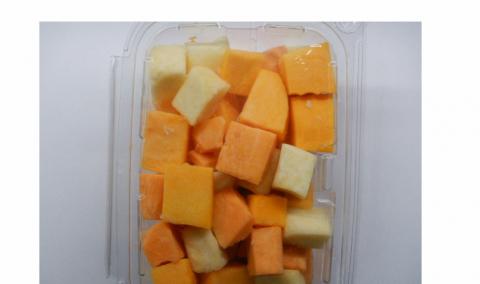
  1. 16 oz Autumn Medley – UPC 8 13055 01115 6; with the expiration dates of 01/05/21, 01/07/21, and 01/09/21 noted on the bottom scan label. The brand name is Lancaster Foods and the package is a clear plastic tamper-evident clamshell.
  2. 12 oz Butternut Squash Noodles – UPC 8 13055 01749 3; with the expiration date of 01/10/21 noted on the bottom scan label. The brand name is Lancaster Foods and the package is a clear plastic tamperevident clamshell.
  3. 12 oz Butternut Squash Noodles – UPC 8 13055 01864 3; with the expiration dates of 01/05/21, 01/08/21, 01/10/21, 01/11/21, 01/12/21, 01/15/21, and 01/17/21 noted on the bottom scan label. The brand name is Lancaster Foods and the package is a clear plastic tamper-evident clamshell.
  4. 12 oz Butternut Squash Noodles – UPC 6 88267 17259 5; with the expiration dates of 01/08/21, 01/10/21, 01/12/21, 01/13/21, 01/14/21, 01/15/21, and 01/17/21 noted on the bottom scan label. The brand name is Store Brand and the package is a clear plastic tamper-evident clamshell.
  5. 21 oz Butternut Squash Planks – UPC 8 13055 01272 6; with the expiration dates of 01/02/21, 01/08/21, 01/12/21, 01/15/21, and 01/17/21 noted on the bottom scan label. The brand name is Lancaster Foods and the package is a clear plastic tamper-evident clamshell.
  6. 20 oz Squash Noodle Medley – UPC 8 13055 01836 0; with the expiration dates of 01/05/21, 01/08/21, 01/13/21, 01/14/21, and 01/16/21 noted on the bottom scan label. The brand name is Lancaster Foods and the package is a clear plastic tamper-evident clamshell.
  7. 20 oz Squash Noodle Medley – UPC 6 88267 18585 4; with the expiration dates of 01/03/21, 01/08/21, 01/11/21, 01/17/21, 01/18/21, and 01/19/21 noted on the bottom scan label. The brand name is Store Brand and the package is a clear plastic tamper-evident clamshell.
  8. 2.5# Butternut Squash Chunks – UPC 8 13055 01596 3; with the expiration dates of 01/04/21, 01/12/21, 01/15/21, and 01/18/21 noted on the bottom scan label. The brand name is Lancaster Foods and the package is a clear plastic tamper-evident clamshell.
  9. 20 oz Butternut Squash Chunks – UPC 8 13055 01150 7; with the expiration dates of 01/05/21, 01/08/21, 01/09/21, 01/13/21, and 01/16/21 noted on the bottom scan label. The brand name is Lancaster Foods and the package is a clear plastic tamper-evident clamshell.
  10. 24 oz Butternut Squash Chunks – UPC 8 13055 01300 6; with the expiration dates of 01/12/21, 01/13/21, 01/15/21 noted on the bottom scan label. The brand name is Lancaster Foods and the package is a clear plastic tamper-evident clamshell.
  11. 12 oz Butternut Squash Chunks – UPC 8 13055 01391 4; with the expiration dates of 01/04/21, 01/05/21, 01/07/21, 01/11/21, 01/12/21, 01/15/21, 01/17/21, and 01/20/21 noted on the bottom scan labels. The brand name is Lancaster Foods and the package is a clear plastic tamper-evident clamshell.
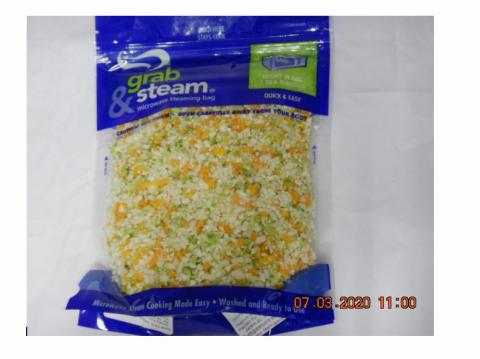
  12. 15 oz Veggie Rice Blend – UPC 8 13055 01014 2; with the expiration dates of 01/07/21 and 01/09/21 noted on the bottom scan labels. The brand name is Lancaster Foods and the package is a stand-up steam pouch with ‘grab & steam’ printed on the header.

Out of an abundance of caution, Lancaster Foods has temporarily halted production of these items as the FDA and the company investigate the source of the issue. Consumers who have purchased units noted above are urged to return them to the place of purchase for a full refund.

Consumers with questions may contact the company at 1-410-799-0010, extension 1530. The hours are from 0800 to 1700 in the Eastern time zone on the days of Monday through Sunday. Voicemails received after hours will be returned the next day.


Company Contact Information

Consumers:
Lancaster Foods, LLC
 1-410-799-0010, extension 1530

Product Photos

New Zealand – Pestell’s confirmed as source of listeria in ham products in December 2020 food recall

MPI

A New Zealand Food Safety and Nelson Marlborough Public Health Service investigation has confirmed the source of listeria contamination last month that resulted in illness for 4 people and led to recalls of ham products from a number of South Island supermarkets, and 3 stores in the greater Wellington region.

The contamination originated at meat supplier Pestell’s Rai Bacon Company Ltd, where it was discovered in products and in the processing environment. This was confirmed through the results of DNA testing, received this week.

As a result of the recall in December, Pestell’s have stopped producing and selling ready-to-eat ham products.

Investigations into the source of listeria involved followup with the suppliers of the cooked ready-to-eat meats to the supermarket, including Pestell’s.

In October, routine testing by Pak’n Save Blenheim detected listeria in some packaged meat products and the affected products were recalled. It was identified after genome testing that the listeria found as a result of the testing, had the same sequencing as the listeria found in Pestell’s products.

New Zealand Food Safety’s food compliance services national manager, Melinda Sando, says, “We knew where the supermarket was getting its stock from. We went to Pestell’s and took samples for testing from their processing environment and their products. Listeria was detected in product and environment samples.

“These samples were then sent to ESR, and they did genome sequencing. The sequencing of those isolates (cells) showed they were identical, which means they are from a specific source.

“Nobody wants to put their customers at risk. We worked quickly to minimise the risk to the public and resolve the issues.

“There was good cooperation from the supplier and retailers,” Ms Sando says.

Nelson Marlborough Public Health Service medical officer of health, Dr Andrew Lindsay, says: “Listeriosis infection can be serious among vulnerable groups such as pregnant women and their unborn babies, newborn babies, people with weakened immune systems and elderly people.

“We will continue to work closely with New Zealand Food Safety should any more cases emerge. To date, no further cases associated with the recalled products have been identified. However, as listeria can survive freezing, consumers are reminded to check food in their fridges and freezers and if they have any of the recalled product follow the advice from New Zealand Food Safety.”

For information about the recalled product, including dates, and batches, refer to:

Pestell’s brand ham products food recall

Research – Handwashing Observations in Fast-Food and Full-Service Restaurants: Results from the 2014 FDA Retail Food Risk Factors Study

Journal of Food Protection

Properly executed handwashing by food employees can greatly minimize the risk of transmitting foodborne pathogens to food and food contact surfaces in restaurants. However, food employee handwashing is often not done correctly nor does it occur as often as it should. The purpose of this study was to assess the relative impact of 1) the convenience and accessibility of handwashing facilities; 2) the maintenance of handwashing supplies, 3) multi-unit status, 4) having a Certified Food Protection Manager, and 5) having a Food Safety Management System on compliance with proper handwashing. Results showed marked differences in handwashing behaviors between fast-food and full-service restaurants. Forty-five percent of fast-food restaurants and 57% of full-service restaurants were found to be out of compliance for washing hands correctly. Fifty-seven percent of fast-food establishments and 78% of full-service establishments were out-of-compliance for employee hands being washed when required. Logistic regression results point toward the benefits of accessibility and maintenance of the handwashing sink and food establishments having a Food Safety Management System to increase the likelihood of employees washing hands when they are supposed to and washing them correctly when they do.

Philippines – Food poisoning downs 6 detainees in Angeles City jail

Manilla Bulletin

At least six persons under the custody of Police Station 3 of the Angeles City Police Officer (ACPO) were rushed to the hospital on Tuesday, January 19, complaining of severe abdominal pain and diarrhea after allegedly partaking of a spoiled chicken meal.

Research – Research examines Listeria tolerance to sanitizers

CPS

With little data on whether Listeria monocytogenes develops tolerance to commonly used sanitizers, debates continue on whether or how frequently processing facilities should rotate sanitizing agents.
Xiangyu Deng, Ph.D., with the University of Georgia, said he hoped his research project will fill in knowledge gaps to help the industry make more informed decisions about the need for chemical rotation. Ultimately, the results may lead to development of a genetics-based tool to assess the risk of Lm developing sanitizer tolerance.
Currently, the Food and Drug Administration and the U.S. Department of Agriculture Food Safety and Inspection Service recommend rotating sanitizers in fresh-cut processing facilities to minimize the chances of pathogens – and particularly Lm – developing tolerance.
Key Take-Aways
• Researchers seek to fill in gaps about potential for Listeria monocytogenes to develop tolerance to commercial sanitizers.
• The research will evaluate how different sanitizer levels and lengths of exposure affect the degree of tolerance in selected Listeria strains.
• Researchers are collaborating with two produce processors to relate their lab results to real-world scenarios.
• Ultimately they hope their results lead to a genetics-based tool to assess the risk of Listeria developing sanitizer tolerance.
“I think those recommendations, because there’s not much data on the specifics of sanitizer tolerance in Listeria, are made out of an abundance of caution,” Deng said. But he has not heard of any confirmed case where the pathogen developed tolerance to commonly used sanitizers in produce processing facilities.
Even if the pathogen does develop tolerance through sublethal exposure to sanitizers, little data exists to predict how long tolerance will last before reverting to susceptibility, he said.
Joining Deng as co-principal investigator is Henk C. den Bakker, Ph.D., and also with the University of Georgia.
The project, titled “Possibility, duration and molecular predictors of sanitizer tolerance in Listeria monocytogenes,” is examining the potential for resistance to chlorine and quaternary ammonium compounds (quats).
Acquired resistance occurs when an organism is exposed to sublethal doses of a control agent. Those that survive phenotypically display, but don’t genetically acquire, elevated tolerance to the agent.
Conversely, if products are rotated and the tolerant organisms are no longer exposed to the original chemical, the population is unlikely to maintain the tolerance indefinitely. How long it takes for this return to susceptibility is one question Deng hopes to shed more light on.
As part of the project, the researchers screened over 33,000 publicly available Lm genomes for resistance to quats. The researchers found 21% of the isolates harbored quat-resistance genes.
But Deng said the high percentage is not necessarily cause for concern.
“It doesn’t necessarily mean reduced efficacy because the concentration of commercial sanitizer should be enough to kill even the ones with resistance genes,” he said.
Using a set of 359 isolates obtained from the FDA and Purdue University that covered a wide spectrum of sanitizer tolerance, the researchers also developed a high-throughput method to measure the minimum amount of chemical needed to inhibit the organism. Of those isolates, 126 originated from 22 produce commodities, 232 were from packinghouses and retailers, and one was a clinical sample.
The isolate collection and this method will be used to identify genetic markers that can predict sanitizer tolerance.
As part of the project’s second year, the researchers plan to evaluate how different sanitizer levels and lengths of exposure affect the degree and duration of acquired tolerance in selected Lm strains. They also plan to characterize the transcriptomic shifts that accompany the reversion to sensitivity.
In addition, Deng is collaborating with two produce processing companies – one in Texas and another with multiple locations in the United States. Although he would have liked to have visited at least some of the facilities during the fall season, his travel plans were delayed because of the ongoing COVID-19 pandemic.
But Deng still plans to visit the processors to collect samples to determine residual sanitizer concentrations between sanitizing shifts.
“I think it’s very important if we want to relate our findings to real-world situations,” he said. “We’ve used concentrations in the lab that will induce resistance, but are these concentrations relative to the real world?”

Research – Botulism breakthrough? Taming botulinum toxin to deliver therapeutics

Boston Childrens Hospital

kswfoodworld

CDC Image

While rare, botulism can cause paralysis and is potentially fatal. It is caused by nerve-damaging toxins produced by Clostridium botulinum — the most potent toxins known. These toxins often lurk in contaminated food (home canning being a major culprit). Infants can also develop botulism from ingesting C. botulinum spores in honey, soil, or dust; the bacterium then colonizes their intestines and produces the toxin.

Once paralysis develops, there is no way to reverse it, other than waiting for the toxins to wear off. People with serious cases may need to go on ventilators for weeks or months. But a new botulism treatment and delivery vehicle, described today in Science Translational Medicine, could change that.

“Currently, there are anti-toxins, but these only work before the toxins enter the motor neurons,” says Min Dong, PhD, a researcher in the Boston Children’s Hospital Department of Urology and corresponding author on the paper. “What we have developed is the first therapy that can eliminate toxins after they get inside neurons.”

If proven in humans, the approach would represent a breakthrough in treating botulism. In mice, the treatment successfully got inside neurons and reversed muscle paralysis within hours. It also enabled mice to withstand doses of botulinum toxin that would otherwise be lethal.

Australia – O’Brien’s Wholesale Meats Pty Ltd — O’Brien’s Leg Hams (Various Weights) – Listeria monocytogenes

Product Safety Australia

Photograph of O'Brien's Leg Hams (Various Weights)

O’Brien’s Full Boneless Leg Ham
Use by: 24 March 2021, 1 April 2021 and
6 April 2021

O’Brien’s Champagne Leg Ham
O’Brien’s Half Leg Ham
O’Brien’s Full Leg Ham
Use by: 1 April 2021 and 6 April 2021

O’Brien’s Half Boneless Leg Ham
O’Brien’s Third Leg Ham
Use by: 6 April 2021

Leg Ham in plastic vacuum packing bag

Identifying features

Other
Batch codes: 20493, 20505 and 20513

What are the defects?

The recall is due to microbial (Listeria monocytogenes) contamination.

What are the hazards?

Listeria may cause illness in pregnant women and their unborn babies, the elderly and people with low immune systems.

What should consumers do?

Any consumers concerned about their health should seek medical advice and should return the products to the place of purchase for a full refund.

For further information, consumers can contact O’Brien’s Wholesale Meats on 08 8280 3911 or https://www.obriensmeat.com.au

Traders who sold this product

Independent food retailers including IGA and butcher shops in SA, NT, NSW and Vic, and Foodlands in SA

Where the product was sold
New South Wales
Northern Territory
South Australia
Victoria
Dates available for sale
  • 1 December 2020 – 19 January 2021

Recall advertisements and supporting documentation

Coordinating agency

Food Standards Australia New Zealand is the coordinating agency for this recall.