Frozen vegetables have emerged as a concern due to their association with foodborne outbreaks such as the multi-country outbreak of Listeria monocytogenes serogroup IVb linked to frozen corn. The capacity of L. monocytogenes to colonize food-processing environments is well-known, making the bacteria a real problem for consumers. However, the significance of the processing environment in the contamination of frozen foods is not well established. This study aimed to identify potential contamination niches of L. monocytogenes in a frozen processing plant and characterize the recovered isolates. A frozen vegetable processing plant was monitored before cleaning activities. A total of 78 points were sampled, including frozen vegetables. Environmental samples belonged to food-contact surfaces (FCS); and non-food-contact surfaces (n-FCS). Positive L. monocytogenes samples were found in FCS (n = 4), n-FCS (n = 9), and the final product (n = 1). A whole-genome sequencing (WGS) analysis revealed two clusters belonging to serotypes 1/2a-3a and 1/2b-3b). The genetic characterization revealed the presence of four different sequence types previously detected in the food industry. The isolate obtained from the final product was the same as one isolate found in n-FCS. A multi-virulence-locus sequence typing (MVLST) analysis showed four different virulence types (VT). The results obtained highlight the relevant role that n-FCS such as floors and drains can play in spreading L. monocytogenes contamination to the final product. View Full-Text
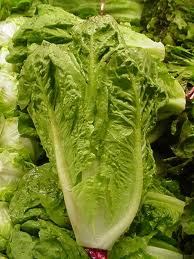
By studying the interactions between EcO157 and the lettuce microbiome — the entire community of microorganisms like bacteria that live on the surface of lettuce — researchers hope to better understand how the microbiome may affect the pathogen’s fate during produce processing.
Center for Food Safety Professor Xiangyu Deng, lead researcher on the project, says, “We want to really figure out the interactions between the pathogen and potential biocontrol organisms indigenous to lettuce.”
In other words, how does E. coli interact with other microorganisms on lettuce, and how can we use those interactions to control foodborne outbreaks?
The focus of the research, to start this year, will be how the microbiome interacts with EcO157. The team will use a new microscopic approach to create a biogeographic map of the microbiome.
“Clearly the microbiome interacts with EcO157, and that interaction has an implication for food safety,” Deng adds. “We want to understand the mechanism behind this interaction.”
A Salmonella outbreak affected more than 700 people in Finland in 2021, according to new information from the Finnish Food Authority (Ruokavirasto).
The implicated food was a salad with iceberg lettuce, cucumber and peas served in several kindergartens. It was previously known that almost 450 people, mostly children, had been ill.
Officials in the city of Jyväskylä investigated the incident with the help of the National Institute for Health and Welfare (THL).
Overall, 46 foodborne outbreaks were recorded in Finland this past year affecting almost 1,400 people. In 2020, 34 outbreaks were reported involving 543 people.
Seven Salmonella outbreaks sickened 824 people compared to three outbreaks with 21 sick in 2020.
The most common pathogen was norovirus with nine outbreaks and 260 cases. One of the main factors that contributed to foodborne norovirus incidents was an infected kitchen worker.
Environmental monitoring (EM) programs are designed to detect the presence of pathogens in food manufacturing environments with the goal of preventing microbial contamination of food. Nevertheless, limited knowledge exists regarding the influence of environmental conditions on microbial recovery during EM. This study utilizes a commercially-available polyurethane foam (PUF) EM tool to determine the influence of environmental factors on the recovery of foodborne pathogens. The specific objectives of this study were to determine if environmental conditions and surface composition impact the recovery of sought-after microorganisms found in food processing environments. These data are compared across 1) microorganism type, 2) surface type, 3) environmental temperature and relative humidity, and 4) exposure time. Two bacteria ( Listeria monocytogenes , Salmonella Typhimurium) and one human norovirus surrogate (Tulane virus [TV]) were inoculated onto three non-porous surfaces (polypropylene, stainless steel, neoprene). Surfaces were held in an environmental chamber for 24 or 72 h at 30°C/30%, 6°C/85%, and 30°C/85% relative humidity (RH). Data indicate that microbial recovery from environmental surfaces significantly (p ≤ 0.05) varies by microorganism type, environmental conditions, and exposure time. For instance, all microorganisms were significantly different from each other, with the greatest mean log reduction being TV and the lesser reduction being L. monocytogenes at 4.94 ± 1.75 log 10 PFU/surface and 2.54 ± 0.91 log 10 CFU/surface, respectively. Overall, these data can be used to improve the effectiveness of EM programs and underscores the need to better comprehend how EM test results are impacted by food manufacturing environmental conditions.
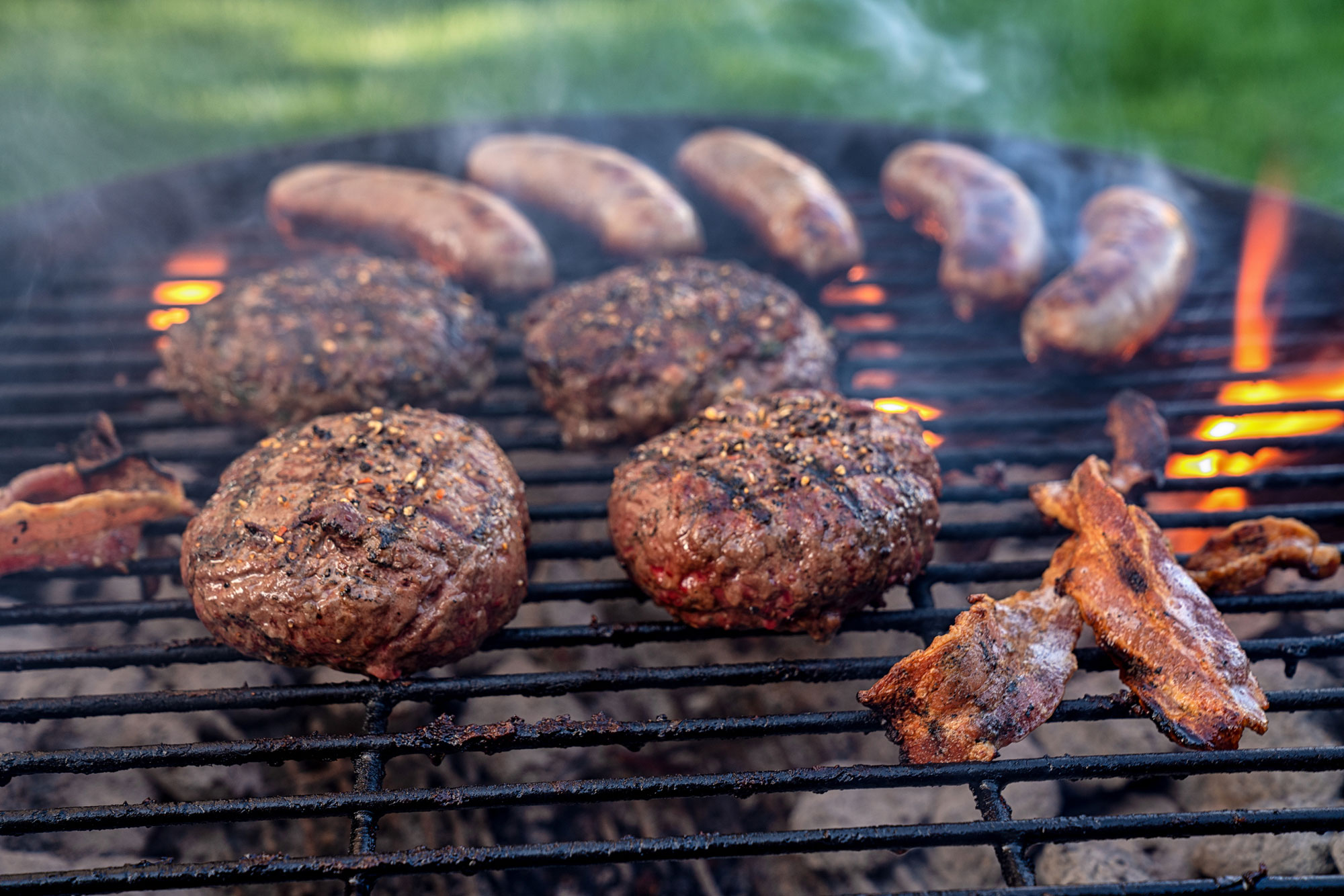
There’s nothing better than gathering around the grill to prepare a good meal. Don’t forget the rules of food safety this grilling season.
Wash Your Hands
USDA recommends washing your hands for at least 20 seconds with warm, soapy water. In our recent consumer research study (PDF, 49 KB), 97% of participants who attempted to wash their hands failed to wash them properly. Additionally, 56% of participants didn’t attempt to wash their hands at all during meal preparation. Most participants in this study claimed that they always wash their hands before preparing food; but in reality, most failed to wash their hands properly when observed.
Use a Food Thermometer
You can’t see, smell, or taste germs that can cause foodborne illness. USDA doesn’t recommend tasting food to check if it’s fully cooked. Using a food thermometer is the only way to ensure that your food is fully cooked to a safe minimum internal temperature. When grilling ground meats (beef, pork, veal or lamb), make sure they reach an internal temperature of 160 F on a food thermometer. Ground poultry is safe to eat once it has reached an internal temperature of 165 F.
Avoid Cross Contamination
Cross contamination is one of the main causes of foodborne illness. Here are some tips:
Use separate cutting boards—one for raw meat and poultry, and the other for fruits and vegetables.
USDA recommends not washing meat products, because bacteria can spread from the meat onto your sink and kitchen surfaces.
Use separate plates while grilling—one for bringing raw meat and poultry to the grill, and the other for removing cooked meat and poultry off the grill.
For more information, call the USDA Meat and Poultry Hotline at 1-888-MPHotline (1-888-674-6854) or email MPHotline@usda.gov to reach a food safety expert or chat live at ask.usda.gov from 10 a.m. to 6 p.m. Eastern Time, Monday through Friday.
Dozens of British tourists have been handed compensation after falling ill on a ‘nightmare’ holiday.
Families were among 89 people who stayed at the all-inclusive Holiday Village on Lanzarote when they suffered from acute gastrointestinal infections, nausea, diarrhoea and cramps in summer 2019.
Representing some victims in a legal battle with Tui, barrister Charles Crow said: ‘Fresh food was added to older food, food appeared to be recycled/re-presented at later meals.
‘Maggots were reported in the milk, which was sometimes curdled. Food, restaurant and general hygiene standards were poor.
As many as 20 train passengers, including children, were admitted to the Thrissur General Hospital on Tuesday with symptoms of food poisoning. They were travelling in Maveli Express from Mookambika to Thiruvananthapuam. All were discharged after receiving treatment.
The passengers, belonging to one family, were returning after a dance arangettam programme at Mookambika. According to the passengers, they had consumed food bought from the Mangalore railway station.
At least 200 people got food poisoning in Gujarat’s Katargam, after they had dinner at a wedding in the area. One day after the function, 200 out of 200 guests complained of fever, and vomiting. Out of the 200, at least 9 people were admitted to a hospital nearby.
The wedding took place at Nityanand Dham, and the menu consisted of grapes, and Bengali sweets named Oreo Sake, Angoor Rabri and Kesar Kumkum. The ones who were admitted to the hospital, also said that they had a problem walking.
Lititz, Pa.(May 23, 2022) – Cargill is voluntarily recalling select lots of Milk and Dark Chocolate Covered Peanut Butter Ritz® Crackers, Peanut Butter Meltaways, Peanut Butter Eggs and Fudge sold locally through the Wilbur Chocolate Retail Store in Lititz, Pa. and online at Wilburbuds.com. The products contain Jif® peanut butter that was recalled by the J.M. Smucker company on May 20, 2022, due to the potential for Salmonella contamination. Salmonella is an organism which can cause serious and sometimes fatal infections in young children, frail or elderly people, and others with weakened immune systems. Healthy persons infected with Salmonella often experience fever, diarrhea (which may be bloody), nausea, vomiting and abdominal pain.
Recalled product information
This recall affects 795, 8-ounce boxes of peanut butter containing products. These products were sold at the Wilbur Chocolate store in Lititz, Pa. and online at Wilburbuds.com between Feb. 9, 2022 and March 28, 2022. The recalled items can be identified using the following information:
K119D Dark Chocolate Covered Peanut Butter Eggs – 8 oz. Box
Lot 220216AC, Best if Used by Date of 5/16/2022
K119M Milk Chocolate Covered Peanut Butter Eggs – 8 oz. Box
Lot 220216AF, Best if Used by Date of 5/16/2022
K120D Dark Chocolate Covered Peanut Butter Meltaways – 8 oz Box
Lot 220224AA, Best if Used by Date of 4/24/2022
Lot 220219AB, Best if Used by Date of 4/19/2022
Lot 220215AC, Best if Used by Date of 4/15/2022
K120M Milk Chocolate Covered Peanut Butter Meltaways – 8 oz. Box
Lot 220222AA with Best if Used by Date of 4/22/2022
Lot 220218AG with Best if Used by Date of 4/18/2022
Lot 220215AE with Best if Used by Date of 4/15/2022
K121M Milk Chocolate Covered Peanut Butter Ritz® Crackers – 8pc. 8 oz. Box
Lot 220302AF with Best if Used by Date of 6/2/2022
Lot 220216AJ with Best if Used by Date of 5/16/2022
Lot 220209AF with Best if Used by Date of 5/9/2022
K508 Peanut Butter and Chocolate Fudge – 8 oz. Box
Lot 220219AF with Best if Used by Date of 4/19/2022
K509 Peanut Butter Fudge – 8 oz. Box
Lot 220219AC with Best if Used by Date of 4/19/2022
No other Cargill Cocoa & Chocolate or Wilbur products are involved in this recall.
No illnesses or health-related complaints in connection with this recall have been reported to Cargill to date. However, there is an ongoing outbreak associated with the consumption of Jif peanut butter.
Customers who purchased this product should not consume it and dispose of or return any unconsumed portions to the Wilbur Chocolate Retail Store. To return products and/or request a refund, contact Amy Weik at Aweik@cargill.comor call 717-627-7946 between 9 a.m.- 5 p.m. Eastern, Monday-Friday.
Cargill and Wilbur Chocolate are taking this action in the interest of consumer safety.
###
About Cargill
Cargill’s 155,000 employees across 70 countries work relentlessly to achieve our purpose of nourishing the world in a safe, responsible and sustainable way. Every day, we connect farmers with markets, customers with ingredients, and people and animals with the food they need to thrive.
We combine 155 years of experience with new technologies and insights to serve as a trusted partner for food, agriculture, financial and industrial customers in more than 125 countries. Side-by-side, we are building a stronger, sustainable future for agriculture. For more information, visit Cargill.comExternal Link Disclaimerand our News CenterExternal Link Disclaimer.External Link Disclaimer