Category Archives: Microbiology Investigations

Research – Research Note: Contamination of eggs by Salmonella Enteritidis and Salmonella Typhimurium in experimentally infected laying hens in indoor cage-free housing

NCBI

hazegg.jpg

Contaminated eggs are a leading source of human Salmonella infections and this problem continues to challenge public health authorities and egg industries around the world. Salmonella invasion of the ovaries and oviducts of infected laying hens can result in bacterial deposition inside the edible portions of developing eggs. The introduction, persistence, and transmission of salmonellae in commercial egg-laying flocks are influenced by flock management practices, but the food safety ramifications of different types of laying hen housing remain unresolved. The present study assessed the frequency of internal contamination of eggs after experimental Salmonella Enteritidis and S. Typhimurium infection of laying hens in indoor cage-free housing. Groups of 72 hens were housed on wood shavings in isolation rooms simulating commercial cage-free barns with community kick-out nest boxes and perches and 1/3 of the hens in each room were orally inoculated with 8.0 × 107 cfu of 2-strain mixtures of either S. Enteritidis (2 rooms) or S. Typhimurium (2 rooms), and the entire internal contents of all eggs laid 5 to 30 d postinoculation in nest boxes or on the flooring substrate were cultured to detect Salmonella. Contaminated eggs were laid between 8 and 28 d postinoculation. The overall incidence of S. Enteritidis isolation from eggs (3.41%) was significantly (P = 0.0005) greater than S. Typhimurium (1.19%). The contamination frequencies associated with the 2 egg collection locations were not significantly different (P > 0.05). These results demonstrate that oral infection of a relatively small proportion of laying hens in indoor cage-free housing with invasive Salmonella serovars can result in the production of internally contaminated eggs at low frequencies over a period of nearly a month postinoculation.

Research – Your poultry doesn’t need a bath plus other food safety tips for Christmas and Summer entertaining

Food Safety Council

Campylobacter kswfoodworld

The Food Safety Information Council and the Australian Chicken Meat Federation today released a consumer survey that found 49% of Australian cooks were still taking a food poisoning risk by washing raw whole chicken before cooking.

Cathy Moir, Council Chair, said washing any raw poultry is very risky as it can spread bacteria to your hands, surfaces and other foods that may not be cooked. Washing is also unnecessary as cooking poultry to 75°C in the centre of a fillet or the thickest part of the thigh will kill any bacteria.

‘We are pleased that rates of washing raw whole chicken has reduced from 60% to 49% since we last asked this question in 2011. Cooks who wash raw chicken pieces with skin on has also reduced from 52% to 43% and washing skinless pieces from 41% to 40%.

‘The survey found that chicken is a popular dish with 78% of respondents cooking whole chicken, 83% cooking chicken pieces with skin on and 88% cooking skinless pieces. But the message is that washing any raw poultry, whether it is chicken, duck, goose or the Christmas turkey, is both unsafe and unnecessary.

“As we gather this Summer with multi-generations of family and friends, here are some of our key Christmas and Summer entertaining food safety tips:

  1. Wash hands: Another recent survey has found the number of times people wash their hands each day dropped 15% since last year. Don’t forget to wash your hands with soap and water before preparing and cooking food, and after handling shell eggs, seafood, raw meat and poultry, burgers and sausages. Watch how to wash your hands correctly using the Glitterbug here
  2. Clean utensils: Ensure your tools, utensils and chopping-boards are cleaned and dried thoroughly before you start preparing your food and ensure you clean them with hot soapy water after use. Use separate chopping-boards such as red for raw meat/poultry and  green for vegetables.
  3. Don’t strain your fridge: Plan ahead and don’t buy more food than you need. It’s vital that you don’t overstock your fridge and freezer, as this won’t allow the cool air to circulate freely and perishable food cannot be adequately frozen or chilled. Less food will also help to reduce food waste.
  4. Make space: Prevent overstocking by making room in your fridge for perishable foods by removing alcohol and soft drinks and put them on ice in a container or laundry sink. This also stops guests opening the fridge so often and helps to maintain the temperature at 5°C or below. Use a fridge thermometer to check the fridge temperature.
  5. Bird or bits? Think about getting a turkey breast that is simpler to cook, rather than a whole turkey. If you do need a whole turkey ask your supermarket if they sell them fresh rather than frozen. Otherwise it must be covered and defrosted in your fridge which can take several days and also increase the risk of potentially contaminating ready to eat foods stored in the fridge.
  6. Cook poultry correctly: Cook the any poultry until a meat thermometer shows it has reached 75° C in the thickest part of the thigh and cook any stuffing separately as it will slow the cooking and the inside of the bird might not be fully cooked. Probe thermometers are readily available, easy to use and help you make sure that food has reached the right temperature.
  7. Don’t go raw. Cooked egg dishes are simple and nutritious but try to avoid raw or minimally cooked egg dishes, such as raw egg mayonnaise or aioli, eggnog or fancy desserts like tiramisu, which can be a particular risk for food poisoning. A safer alternative, if you want to serve raw egg dishes, is to use pasteurised egg products.
  8. Christmas ham won’t last forever– check the storage instructions and best before or use by date before removing the ham from its plastic wrap, cover it with clean cloth soaked in water and vinegar so it doesn’t dry out, and store it in the fridge at or below 5°C. Keep the cloth moist to stop the ham drying out too much. It is important to remember that the use by date on the original packaging won’t apply after the packaging has been removed, so check the fine print and see if the ham has a suggested shelf life after opening. Reduced salt hams are now becoming popular but will not last as long as conventional hams so think how much you are going to use in the next week or so and freeze the rest for later.
  9. Phased roll-out: Don’t leave perishable chilled foods out for more than two hours. These foods include cold meats, soft cheeses like Camembert and Brie, cold poultry, cooked seafood like prawns and smoked salmon, pâtés, sushi and salads. Put out small amounts and replace them (do not top them up) from the fridge.
  10. Get it cold, quick. Refrigerate leftovers as soon as possible. If perishable foods and leftovers have been left out of the fridge for less than two hours they should be okay to refrigerate or freeze to eat later, so long as they haven’t been sitting out on a hot day. Never eat perishable food that has been unrefrigerated for more than four hours as it may not be safe and should be thrown away. Food should not be refrigerated if it has been outside in the heat for more than an hour and discarded after it has sat outside for 2 hours.
  11. Get it right hot. Always reheat leftovers to 75°C the centre of the item or the thickest part to kill any food poisoning bugs. Use a probe thermometer or the auto reheat function of your microwave (following any prompts) to help you make sure that the leftovers have been reheated safely.

‘We would like to thank our partner Tonic Media Network who will be showing our handwashing and food safety community service announcements in GP, Pharmacy and hospital waiting rooms around Australia this Summer. Also, thanks to our member First for Training, the Australian Chicken Meat Federation and Accord for their charitable donations to fund our Summer campaign.\,” Ms Mir concluded.

Media contact: Lydia Buchtmann, Food Safety Information Council, 0407 626 688 or info@foodsafety.asn.au

Survey details:

The chicken washing survey was conducted nationally by Omnipoll amongst 1219 people aged 18+ over the period 7-12 October 2021. Respondents were drawn from the online consumer panel managed by Lightspeed Research, OmniPoll’s online partner and to help reflect the overall population distribution. Results were post-weighted to Australian Bureau of Statistics (2016 Census) data on education, age, sex and area.

USA – Pittsburgh School Closed Monday Due To Possible Norovirus Outbreak

ibtimes

Norovirus Food Safety kswfoodworld

The illness at Pittsburgh Carmalt is “most likely” norovirus, the Pittsburgh Public Schools said on its website. The cases were reported among students, as well as staff.

Norovirus is “very contagious” and can cause the infected individuals to experience symptoms such as vomiting and diarrhea, the Centers for Disease Control and Prevention (CDC) noted. In fact, norovirus has also been called the “winter vomiting bug.”

“Anyone” is susceptible to getting infected and falling ill with norovirus, the agency explained. This can be through having direct contact with someone who is infected, eating contaminated food or simply by touching contaminated surfaces and then putting unwashed hands in the mouth.

The affected school will be closed Monday to make way for thorough cleaning and “prevent further student and staff infections.” The classes will resume Tuesday.

Canada – Notice not to consume products packaged in glass jars and manufactured by the Abitibi Mushroom

MAPAQ

QUEBEC, Dec. 2021 / CNW Telbec / – The Ministry of Agriculture, Fisheries and Food (MAPAQ), in collaboration with the Abitibi Mushroom, located in Gallichan , is warning the population not to consume the products indicated in the table below. below, because they have not been prepared and packaged in such a way as to ensure their safety.

Product name

Format

Targeted lot

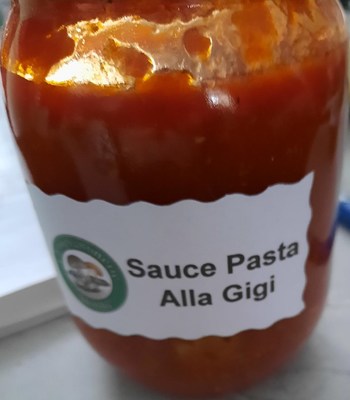
“PASTA ALLA GIGI”

250 ml

500 ml

Units sold until December 10, 2021

“FLAMBÉ PEPPER AND PLEUROT SAUCE”

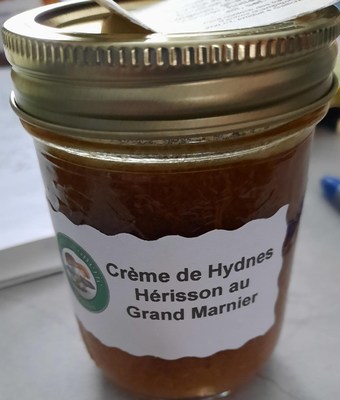
“HEDGEHOG HYDNA CREAM WITH GRAND MARNIER”

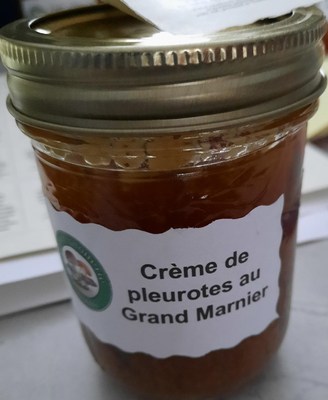
“CREAM OF PLEUROTES WITH GRAND MARNIER”

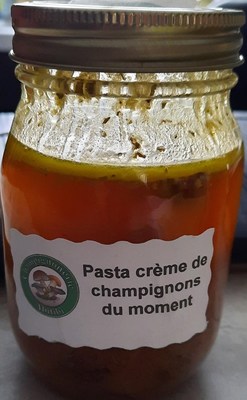
“PASTA CREAM OF MUSHROOMS OF THE MOMENT”

“PASTA ROSÉE WITH FRESH PLEUROTES AND HERBS”

“EXOTIC THAI PLEUROTES AND WHISKEY”

“PASTA FLORENTINE”

“CARBONARA WITH MUSHROOMS”

“APPLE AND PHOLIOT SAUCE”

The products that are the subject of this warning were offered for sale until December 10, 2021 , in several establishments in the Abitibi-Témiscamingue region. The products were packaged in glass jars with a metal lid and sold at room temperature. The product label includes, in addition to their name, the words “Abitibi mushroom”.

The operator is voluntarily recalling the products in question. He agreed with MAPAQ to disseminate this warning as a precautionary measure. In addition, people who have any of these products in their possession are advised not to consume it. They must return it to the establishment where they bought it or throw it away. Even if the affected products do not show any signs of spoilage or a suspicious odor, their consumption may represent a risk to health. It should be noted that no case of illness associated with the consumption of these foods has been reported to MAPAQ so far.

Additional information

The Ministry publishes various information documents concerning food safety. Those interested can consult them in the “Food consumption” section of the MAPAQ website: www.mapaq.gouv.qc.ca/consommation . They also have the option of registering online, by visiting www.mapaq.gouv.qc.ca/rappelsaliments , to receive, by email, the food recall releases published by the Department. Finally, it is possible to follow “MAPAQaliments” on Twitter at the following address: www.twitter.com/MAPAQaliments .

Cream of mushroom pasta of the day (CNW Group / Ministry of Agriculture, Fisheries and Food) 

Cream of oyster mushrooms with Grand Marnier (CNW Group / Ministry of Agriculture, Fisheries and Food) 

Hedgehog Cream of Hydnes with Grand Marnier (CNW Group / Ministry of Agriculture, Fisheries and Food) 

Pasta Alla Gigi Sauce (CNW Group / Ministry of Agriculture, Fisheries and Food) 

Risk  classification : class 1

Reference number:  4461

Source:
Media relations
Communications
Department Ministry of Agriculture, Fisheries
and Food
Tel. : 418 380-2100, extension 3512
www.mapaq.gouv.qc.ca

CisionView original content to download multimedia: http://www.newswire.ca/en/releases/archive/December2021/10/c5813.html

USA – New Ground Beef E. coli O157:H7 Outbreak on USDA Investigation Table

Food Poisoning Bulletin

A new ground beef E. coli O157:H7 outbreak on the USDA Investigation Table has been posted. Ground beef is suspected as being the source of thee pathogen. The USDA Outbreak Investigation Table has even less information that the FDA’s Table. There is no case count, and no information about whether or not traceback, sample collection, facility investigation, or lab analysis has been conducted.

UK – Emergency closure at South Shore Academy after ‘highly infectious’ norovirus outbreak

Blackpool Gazette

A South Shore secondary school was ordered to close by Blackpool Council after a ‘highly infectious’ norovirus outbreak there.

A letter from head teacher Rebecca Warhurst read: “Due to a highly infectious sickness and diarrhoea outbreak, which is likely to be norovirus, Public Health have advised to close the school with immediate effect in order to break the infection cycle.

Argentina – More Salmonella cases reported in Salta, Nearly half in young children

Outbreak News Today

kswfoodworld salmonella

In a follow-up on the Salmonella situation in Salta province, Argentina, the Ministry of Public Health reported that from the beginning of 2021 and until the end of last week, 1,283 cases of salmonellosis were confirmed in the province.

In the first months of the year, a greater number of cases comprised in the first nine epidemiological weeks was observed. Then, between weeks 10 and 38, isolated infections occurred. And, from week 32 that began on August 8 until today, 665 laboratory-confirmed cases were reported.

UK – Advice to reptile owners following withdrawal and recall of frozen mice used as food for pets linked to Salmonella outbreak in people

FSA

The Food Standards Agency (FSA) is issuing further instructions to reptile owners following an outbreak of human salmonellosis linked to frozen mice used to feed snakes and other animals and birds.
11 December 2021
 

The FSA, along with Food Standards Scotland, Department for Environment, Food and Rural Affairs, the Animal and Plant Health Agency and the UK Health Security Agency, Public Health Wales and Public Health Scotland are advising animal keepers not to feed their pets specific batches of frozen mice.   

Since the outbreak was first reported in 2015, there have been almost 900 cases of illness. Salmonella (which causes salmonellosis) is a common bacterial disease that affects the intestines and can pass from animals to people or via consumption of contaminated food or exposure to contaminated environments and cause infection. 

This outbreak of Salmonella has been linked to specific frozen mice products and as a result, a product recall information notice detailing affected products has been issued by the FSA. The recall does not affect rats from the same supplier, however investigations are ongoing. Should concerns about the safety of rats be identified, our advice will be updated accordingly.
The FSA is instructing reptile owners and others who have a supply of the affected frozen mice to return them to the place of purchase so they can be carefully disposed of.

However, the FSA and partners are also warning people to be extra careful when handling any frozen rodents including mice product and packaging, not just the batches identified, due to the risk of salmonella from other batches linked to this recall. 
People should be extra vigilant, washing hands thoroughly with soap and water immediately after contact, when handling not just the product, but their reptiles and associated equipment and environment, due to the risk of the illness. 
Further general advice on reducing the risk of contracting Salmonella is available at https://www.gov.uk/government/publications/salmonella-reducing-infection-from-reptiles(Opens in a new window)

A government spokesperson said:

“In September this year, the FSA introduced new requirements for shops to provide a leaflet warning about the risks of Salmonella and how to keep customers safe when buying and feeding frozen mice to their reptiles. However, the outbreak continues and a full withdrawal and recall of the specific batches of frozen mice is necessary. The withdrawal and recall does not affect rats from the same supplier, however investigations are continuing, should concerns about the safety of rats be identified, advice will be updated.

Therefore, if you have the affected feeder mice product in your freezer, please return it to where you purchased it from so it can be disposed of carefully and thoroughly clean and disinfect any surfaces it has been in contact with, including your hands. We are also asking people to be extra vigilant with all frozen rodent product, however, do check the specific information about which batches are involved as retailers will not be accepting other material.”

Advice to reptile owners about feeding their pets

Snake owners and others using frozen mice as food may have concerns about maintaining their animal’s welfare, as the product withdrawal and recall will cause short term shortages. There should be sufficient mice to maintain animal welfare for all snakes and other animals, including birds that need to be fed mice, if owners adapt their current feeding routines. Detailed advice for reptile owners will be published at www.casc.org.uk/rodent-recall(Opens in a new window)

Advice to parents and guardians of children handling reptiles

Children have been particularly affected so we are urging parents and guardians to make sure everyone washes their hands thoroughly with warm soapy water every time they handle and feed frozen mice to their pets and handle their reptiles to reduce risk of becoming ill with Salmonella. Both the vivarium and the areas reptiles are able to roam could be contaminated with salmonella. Good hygiene should be observed.

If you, or other family members become ill with symptoms such as diarrhoea, abdominal pain and fever, consult your doctor or NHS 111 and inform them that you own/keep a reptile. If you have symptoms, make sure you wash your hands regularly and avoid preparing food for others. Do not go to work or school until 48 hours after symptoms have passed to reduce the chances of passing on the infection.


UK – Monkfield Nutrition extends recall to all batches of frozen Feeder Mice products for feeding reptiles because of the presence of Salmonella

FSA

Monkfield Nutrition is extending the recall to all batches of frozen feeder mice products for feeding reptiles because Salmonella has been found in the products.

Product details

Mouse Pinkies Small
Pack size 25 pack (1g per mouse)
Batch code All batches
Mouse Pinkies Large
Pack size 25 pack (2-3g per mouse)
Batch code All batches
‘Pets at Home’ Mouse Fluff
Pack size Individual and 20 pack (3-5g per mouse)
Batch code All batches
‘Pets at Home’ Small Mice
Pack size Individual and 20 pack (10-15g per mouse)
Batch code All batches
‘Pets at Home’ Medium Mice
Pack size Individual and 20 pack (16-20g per mouse)
Batch code All batches
‘Pets at Home’ Large Mice
Pack size Individual and 20 pack (21-30g per mouse)
Batch code All batches
‘Pets at Home’ X Large Mouse
Pack size Individual and 15 pack (>31g per mouse)
Batch code All batches
Mouse Fluff
Pack size 25 pack (4-6g per mouse)
Batch code All batches
Mouse Crawlers Small
Pack size 25 pack (7-9g per mouse)
Batch code All batches
Small Mice
Pack size 10 pack (10-15g per mouse)
Batch code All batches
Medium Mice
Pack size 10 pack (16-20g per mouse)
Batch code All batches
Large Mice
Pack size 10 pack (21-30g per mouse)
Batch code All batches
Jumbo Mice
Pack size 10 pack (>31g per mouse)
Batch code All batches
‘Pets at Home’ Mouse Pinkies Small
Pack size Individual, 20 pack and 100 pack (1g per mouse)
Batch code All batches
‘Pets at Home’ Mouse Pinkies Large
Pack size Individual, 20 pack and 100 pack (2-3g per mouse)
Batch code All batches

Risk statement

The presence of Salmonella in the products listed above. Salmonella is a bacterium that can cause illness in humans and animals. The product could therefore carry a potential risk, because of the presence of Salmonella, either through direct handling of the products, or indirectly, for example from handling infected reptiles, their vivarium, utensils or contact with the faeces of these animals.

In humans, symptoms caused by salmonella usually include fever, diarrhoea and abdominal cramps. Infected animals may not necessarily display signs of illness, but symptoms can include diarrhoea.

Action taken by the company

Monkfield Nutrition Ltd is recalling the above products. Point of sale notices will be displayed in all retail stores that are selling these products. These notices explain to customers why the products are being recalled and tell them what to do if they have bought the products.

Our advice to consumers

(pet owners): If you have bought any of the above products do not use them. Instead, return them to the store from where they were bought for a full refund.
When handling and serving pet feed it is always advised to clean utensils after use. Consumers should wash hands thoroughly after handling reptiles, pet feed, utensils or after contact with the faeces of animals. Raw pet feed should be stored separately from any food (especially ready to eat foods). Care should be taken when defrosting to avoid cross contamination of foods and surfaces.
Carefully and thoroughly clean and disinfect any surfaces it has been in contact with, including your hands.

Research – Characterization of bacteria and antibiotic resistance in commercially-produced cheeses sold in China

Journal of Food Protection

The consumption of cheese in China is increasing rapidly. Little is known about the microbiota, the presence of antibiotic-resistant bacteria, or the distribution of antibiotic resistance genes (ARGs) in commercially-produced cheeses sold in China. These are important criteria for evaluating quality and safety. Thus, this study assessed the metagenomics of fifteen types of cheese using 16S rRNA gene sequencing. Fourteen bacterial genera were detected. Lactococcus , Lactobacillus , and Streptococcus were dominant based on numbers of sequence reads. Multidrug-resistant lactic acid bacteria were isolated from most of the types of cheese. The isolates showed 100% and 91.7% resistance to streptomycin and sulfamethoxazole, respectively, and genes involved in acquired resistance to streptomycin ( strB) and sulfonamides ( sul2) were detected with high frequency. To analyze the distribution of ARGs in the cheeses in overall, 309 ARGs from eight categories of ARG and nine transposase genes were profiled. A total of 169 ARGs were detected in the 15 cheeses; their occurrence and abundance varied significantly between cheeses. Our study demonstrates that there is various diversity of the bacteria and ARGs in cheeses sold in China. The risks associated with multidrug resistance of dominant lactic acid bacteria are of great concern.