Category Archives: Microbiology Investigations

Research – The Application of Bacillus subtilis for Adhesion Inhibition of Pseudomonas and Preservation of Fresh Fish

MDPI

Inhibiting the growth of spoilage bacteria, such as Pseudomonas spp., is key to reducing spoilage in fish. The mucus adhesion test in vitro showed that the adhesion ability of Bacillus subtilis was positively correlated with its inhibition ability to Pseudomonas spp. In vivo experiments of tilapia showed that dietary supplementation with B. subtilis could reduce the adhesion and colonization of Pseudomonas spp. in fish intestines and flesh, as well as reduce total volatile basic nitrogen (TVB-N) production. High throughput and metabolomic analysis showed treatment with B. subtilis, especially C6, reduced the growth of Pseudomonas spp., Aeromonas spp., Fusobacterium spp., and Enterobacterium spp., as well as aromatic spoilage compounds associated with these bacteria, such as indole, 2,4-bis(1,1-dimethylethyl)-phenol, 3-methyl-1-butanol, phenol, and 1-octen-3-ol. Our work showed that B. subtilis could improve the flavor of fish by changing the intestinal flora of fish, and it shows great promise as a microecological preservative. View Full-Text
Research – Recent Advances in the Mechanisms and Regulation of QS in Dairy Spoilage by Pseudomonas spp.

MDPI

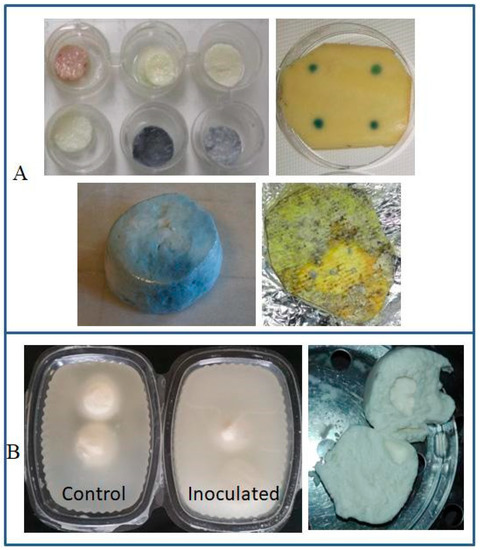
Food spoilage is a serious issue dramatically impacting the worldwide need to counteract food insecurity. Despite the very expensive application of low temperatures, the proper conservation of fresh dairy products is continuously threatened at different stages of production and commercialization by psychrotrophic populations mainly belonging to the Pseudomonas genus. These bacteria cause discolouration, loss of structure, and off-flavours, with fatal implications on the quality and shelf-life of products. While the effects of pseudomonad decay have been widely reported, the mechanisms responsible for the activation and regulation of spoilage pathways are still poorly explored. Recently, molecule signals and regulators involved in quorum sensing (QS), such as homoserine lactones, the luxR/luxI system, hdtS, and psoR, have been detected in spoiled products and bacterial spoiler species; this evidence suggests the role of bacterial cross talk in dairy spoilage and paves the way towards the search for novel preservation strategies based on QS inhibition. The aim of this review was to investigate the advancements achieved by the application of omic approaches in deciphering the molecular mechanisms controlled by QS systems in pseudomonads, by focusing on the regulators and metabolic pathways responsible for spoilage of fresh dairy products. In addition, due the ability of pseudomonads to quickly spread in the environment as biofilm communities, which may also include pathogenic and multidrug-resistant (MDR) species, the risk derived from the gaps in clearly defined and regulated sanitization actions is underlined. View Full-Text

Research – Role of blue light in bactericidal effect against meat-borne pathogens and freshness maintaining of beef 

Journal of Food Protection

Beef is rich in various nutrients while easily spoils due to contamination by pathogens, thus it is of great significance to develop a bactericidal method to inactivate meat-borne pathogens and meanwhile maintain the freshness of beef. For the first time, the present study investigated the bactericidal effect of blue light (BL) at 415 nm against four meat-borne pathogens (methicillin-resistant Staphylococcus aureus , Escherichia coli , Salmonella Typhimurium and Listeria monocytogenes ) in vitro and inoculated on the surface of fresh beef, respectively. When the non-illuminated beef was used as control, the population of the four pathogens did not change significantly ( P > 0.05), while BL-illuminated beef showed dose-dependent inactivation effect in both in vitro and in vivo studies. The experiments on beef cuts showed that 109.44 J/cm 2 of BL inactivated 90% of inoculated cells for the tested strains ( P < 0.05), and the impact of BL inactivation could be sustained in 7 days of cold storage. Notably, changes of lipid oxidation rate, water holding capacity and cooking loss value between the control and beef illuminated by 109.44 J/cm 2 at the same time were scarcely detected during the storage. BL had a minor but insignificant influence on surface color and free amino acid content. Moreover, the pH of illuminated beef increased slower ( P < 0.05) than that of non-illuminated beef. The present work demonstrated that BL could be a novel bactericidal and freshness-maintaining method for fresh beef.

USA – CDC – Food Safety Page

4 Steps to Food Safety - Clean, Separate, Cook and Chill

CDC

USA – Clostridium Botulinum Outbreak May Be Associated With Canned Soup

Food Poisoning Bulletin

A new Clostridium botulinum outbreak on the USDA’s Core Investigation Table may be associated with canned soup. That pathogen is a risk with low acid canned foods such as canned soup or home canned vegetables.

There is no more information on the table about this outbreak. We do not know the patient case counts, if traceback or sampling is being conducted, or if any facilities are being inspected.

USA – CDC – Food Safety Graphics for Social Media

CDC

Many graphics to use to promote food safety !

Food Safety Education Month logo banner

India – Toll in suspected food poisoning in Dahod rises to eight

India Express

The death toll in a suspected case of food poisoning in Dahod district’s Bhulwan village went up to eight on Wednesday, with one more person succumbing during treatment.

Seven of the 17 affected persons died until Tuesday after allegedly consuming a meal from the concluding ceremony of a nine-day religious event in Bhulwan village on Sunday. While four persons died late Monday, three succumbed Tuesday evening.

According to police, the villagers participated in sacrificing goats at the concluding ceremony of “Jatar” gathering, which is a nine-day religious event held every five years to pray for the well-being of the village.

USA – FSIS – Outbreak Investigations: Response to Botulism and E. coli

Food Poison Journal

FSIS reports that is is following both an E. coli and a Botulism outbreak.

UK – UK dealing with Norovirus and Salmonella outbreaks

Food Safety News

The FSA is investigating an outbreak of norovirus with local authorities and the UKHSA (formerly Public Health England) with a link to oysters from areas in Bournemouth, Christchurch, Poole, and Cornwall. Norovirus is not a notifiable disease in England.

In the other incident, nearly 900 cases of Salmonella have been reported since April 2014 linked to frozen mice used to feed animals including snakes and birds.

At least 139 Salmonella Enteritidis infections have been recorded this year with children particularly affected. Mitigation measures have included retailers providing point-of-sale safety warnings beginning in September but cases continue to be recorded.

USA – FDA Core Investigation Table Updates

FDA