Category Archives: microbial contamination

Research – Listeria (Sweden 2022-2023)

Folkhalsomyndigheten

Cases where people have contracted listeria infection are now being investigated by the Public Health Agency in collaboration with the regional infection control units and the Swedish Food Agency.

From the end of May to the beginning of July, ten people have contracted listeria infection caused by the same variant of listeria, serotype IIa. Another four people fell ill in the fall of 2022 with the same strain of bacteria. The cases consist of ten men and four women and are aged 63 to 93 years. They have been reported from eight of the country’s regions. According to the information reported to the Public Health Authority, three of the patients in the oldest age group have died in close connection with their listeria infection.

The people we know who have become ill have had to answer a questionnaire about the foods they have eaten. Many have indicated that they ate cold-smoked and/or smoked salmon, but the exact product that caused the outbreak is not clear.

Risk groups for getting serious illness from listeria are pregnant women, the elderly and people with a weakened immune system.

Research – A Novel Foodborne Illness Detection and Web Application Tool Based on Social Media

MDPI

Abstract

Foodborne diseases and outbreaks are significant threats to public health, resulting in millions of illnesses and deaths worldwide each year. Traditional foodborne disease surveillance systems rely on data from healthcare facilities, laboratories, and government agencies to monitor and control outbreaks. Recently, there is a growing recognition of the potential value of incorporating social media data into surveillance systems. This paper explores the use of social media data as an alternative surveillance tool for foodborne diseases by collecting large-scale Twitter data, building food safety data storage models, and developing a novel frontend foodborne illness surveillance system. Descriptive and predictive analyses of the collected data were conducted in comparison with ground truth data reported by the U.S. Centers for Disease Control and Prevention (CDC). The results indicate that the most implicated food categories and the distributions from both Twitter and the CDC were similar. The system developed with Twitter data could complement traditional foodborne disease surveillance systems by providing near-real-time information on foodborne illnesses, implicated foods, symptoms, locations, and other information critical for detecting a potential foodborne outbreak.

Research – Estimating the Prevalence of Foodborne Pathogen Campylobacter jejuni in Chicken and Its Control via Sorghum Extracts

MDPI

Abstract

CDC Campy

Campylobacter jejuni is a Gram-negative bacterium which is considered as the most reported cause of foodborne infection, especially for poultry species. The object of this work is to evaluate the occurrence of C. jejuni in chicken meat as well its control via three types of sorghum extracts (white sorghum (WS), yellow sorghum (YS), and red sorghum (RS)); antibacterial activity, antioxidant power, and cytotoxicity of sorghum extracts were also assessed. It was found that C. jejuni is very abundant in chicken meat, especially breast and thigh. WS extract showed more effectiveness than both yellow and red ones. Lyophilized WS extract offered high total phenolic compounds (TPCs) and total flavonoid compounds (TFCs) of 64.2 ± 0.8 mg gallic acid equivalent (GAE/g) and 33.9 ± 0.4 mg catechol equivalent (CE)/g, respectively. Concerning the antibacterial and antioxidant activities, WS showed high and significant antibacterial activity (p < 0.001); hence, WS displayed a minimum inhibitory concentration (MIC) of 6.25%, and revealed an inhibition zone of 7.8 ± 0.3 mm; it also showed an IC50 at a concentration of 34.6 μg/mL. In our study, different samples of chicken fillet were collected and inoculated with pathogenic C. jejuni and stored at 4 °C. Inoculated samples were treated with lyophilized WS extract at (2%, 4%, and 6%), the 2% treatment showed a full reduction in C. jejuni on the 10th day, the 4% treatment showed a full reduction in C. jejuni on the 8th day, while the 6% treatment showed a full reduction in C. jejuni on the 6th day. Additionally, 2%, 4%, and 6% WS extracts were applied on un-inoculated grilled chicken fillet, which enhanced its sensory attributes. In sum, WS extract is a promising natural preservative for chicken meat with accepted sensory evaluation results thanks to its high antibacterial and antioxidant potentials.


UK records hundreds of Salmonella cases after travel to Turkey

Food Safety News

kswfoodworld salmonella

Almost 250 Salmonella infections in the United Kingdom since the start of 2023 have been linked to travel to Turkey.

The UK Health Security Agency (UKHSA) has shared steps to reduce the risk of common infections when going abroad in summer.

The agency has detected a number of clusters of gastrointestinal illness in people returning from Turkey, the majority of whom had been to the Antalya region. Whole genome sequencing (WGS) has revealed some clusters are related, which indicates a likely common source of infection.

Between mid-January and July 19, there have been 241 confirmed cases of Salmonella Enteritidis, the majority with specimen collection dates from April onward.

Fifty-six percent of cases are male and the median age is 29 years old. Of the 93 cases for which travel information is available, people reported staying in different hotels in Turkey and most ate a variety of foods at their hotel resort as part of an all-inclusive holiday package.

UKHSA issued a warning ahead of the school summer holidays as the source of illness has not been identified. UKHSA, Turkish health authorities and other international public health agencies are involved in ongoing investigations.

Keep food safe in the car

ACSA

High temperatures in summer can quickly damage fresh fruits and vegetables, but they can also accelerate the growth of microorganisms responsible for food poisoning, especially in meat and fish.

As a general rule, meat can NEVER be left out of the fridge for more than 2 hours, but in summer, when temperatures are very high, we must refrigerate as soon as possible. At temperatures of 30ºC, microorganisms multiply rapidly.

If the outside temperature is high, we must think that inside a parked car this temperature is even much higher, so here are some recommendations to keep buying food during the car trip:

  1. Plan your orders. If you have to do the shopping and other tasks, the order in doing these tasks is very important, especially in summer. Make sure shopping for perishable food is the last thing you do before heading straight home.
  2. Park in the shade. Staying out of direct sun can help maintain the vehicle’s temperature.
  3. Use bags with thermal insulation. You can purchase bags with thicker liners to keep food colder longer, but remember that they have a limited shelf life.
  4. Buy food in a planned way. Make perishable products (meat, fish…) the last items you buy so that they are out of the fridge or freezer for as little time as possible.
  5. Take special care with meat and fish. Meat and fish have microorganisms and an increase in temperatures will allow them to multiply.
  6. Prepare the bags considering the temperature at which the food must be kept. This means putting food that needs cold together and food that doesn’t need it in other bags. Put meat and fish separately from other foods to avoid cross contamination.
  7. Avoid the trunk. When you put the purchase in the car, try not to leave the most perishable foods in the trunk since it is the hottest place in the car. Instead, the best place is on the floor of the seats, out of the sun, and with air conditioning so they stay cooler if air circulates between them.
  8. Don’t forget the food you haven’t eaten from the restaurant. Treat them the same as fresh groceries. Follow the safety tips for taking uneaten food home from the restaurant . 
  9. And when you get home, put your groceries (and leftovers) in the fridge as soon as possible!

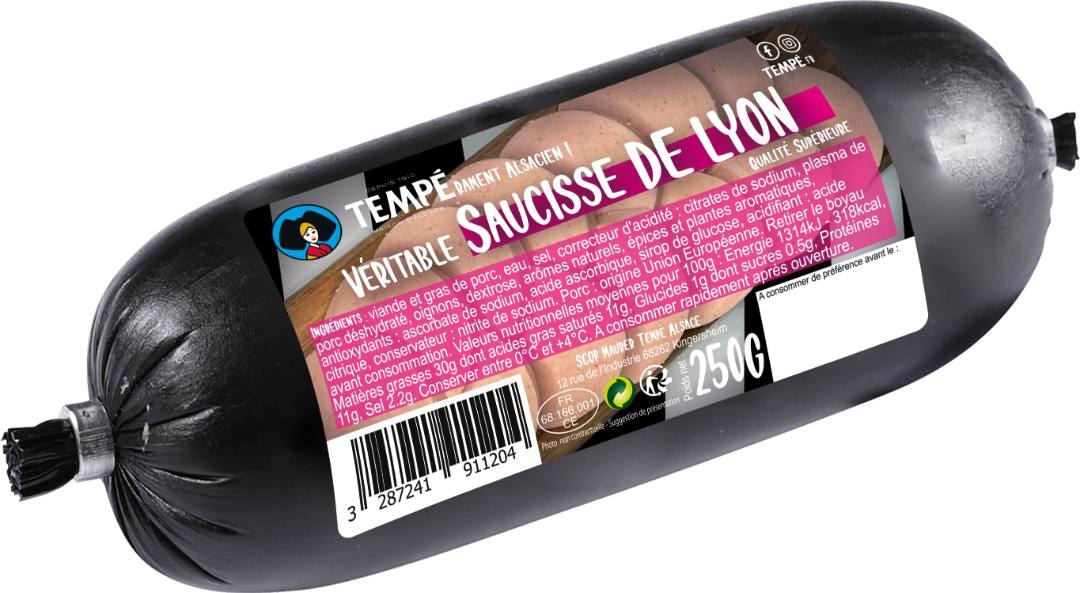
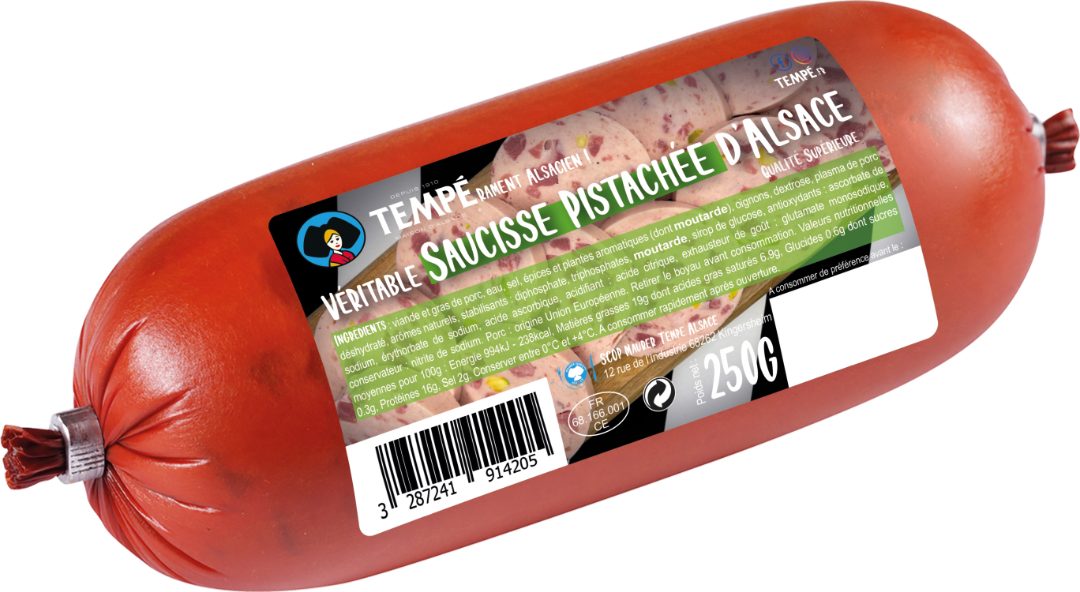
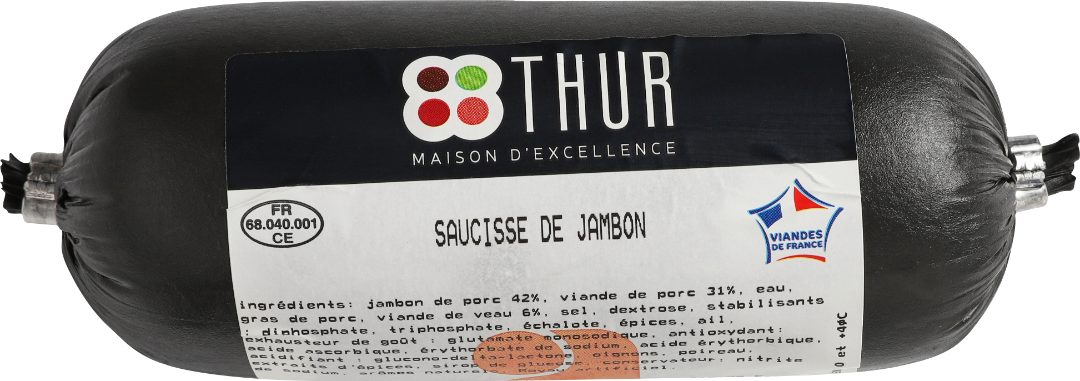
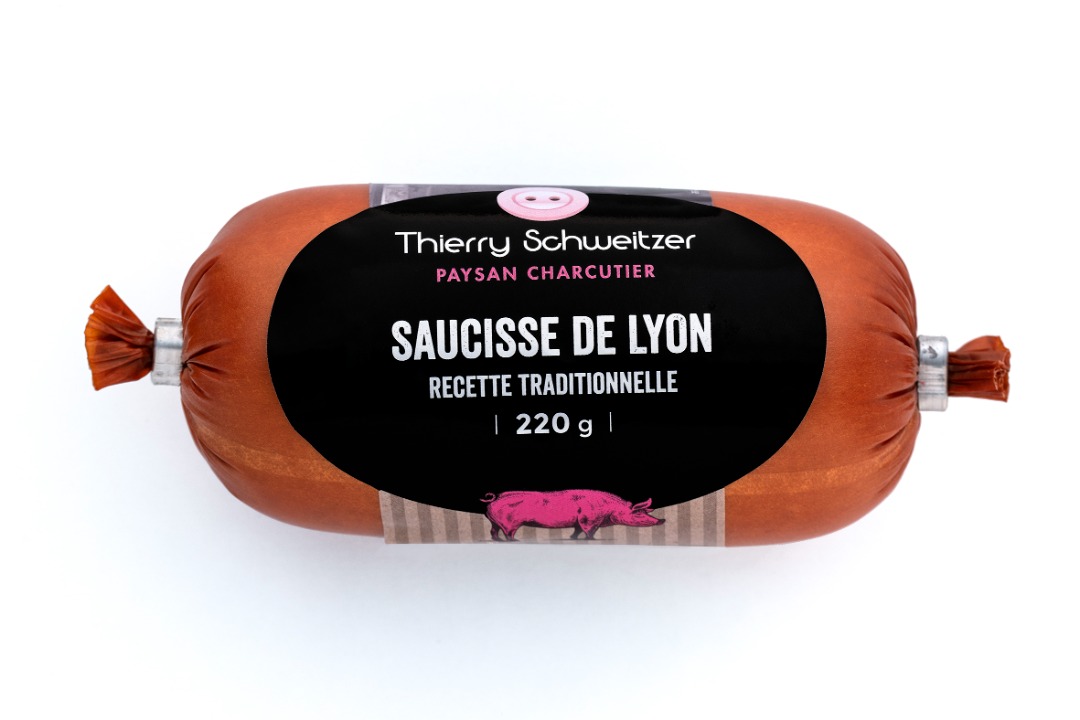
France – Various Sausages – Defective casings leading to possible contamination of the sausage contained inside the casing

Gov france

Genuine Lyon sausage from Alsace 250g

Gov france

Real pistachio sausage from Alsace

Gov france

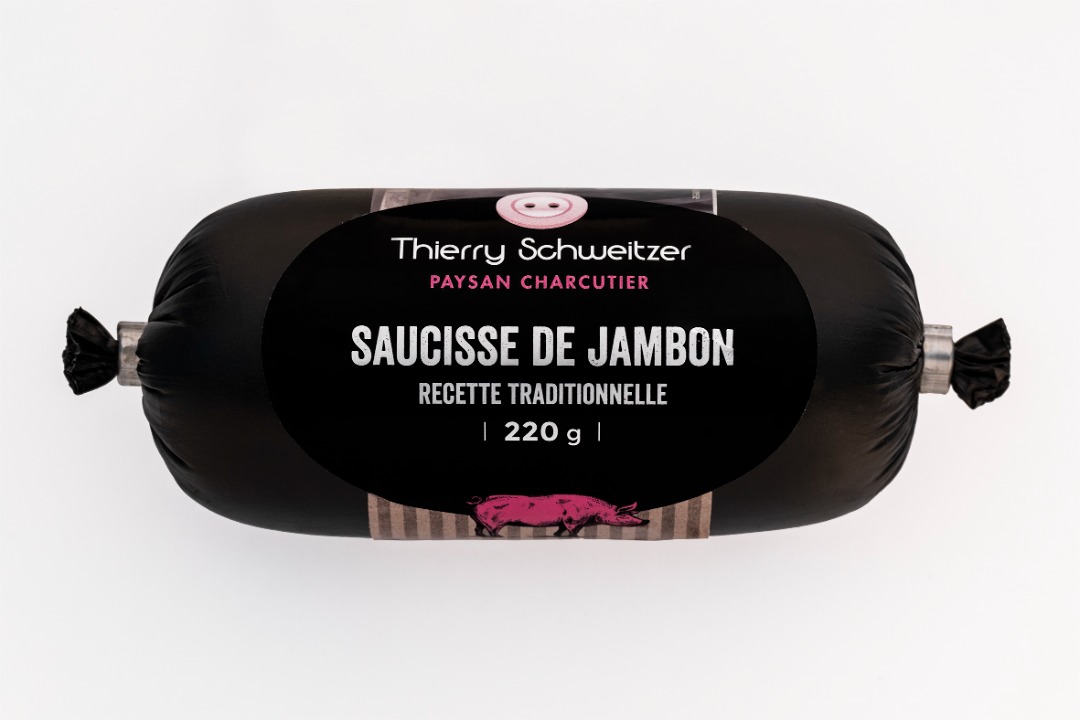
ham sausage

Ghana – Food Poisoning Hits Abutia Senior High School: 23 Students Rushed To Hospital After Eating Rice Meal

YEN

23 students of Abutia SHS were rushed to the hospital on Friday after eating a rice meal on campus suspected to have been contaminated All 23 students showed classic symptoms of food poisoning – abdominal pains, vomiting and diarrhoea – and said they started after eating fried rice from the school’s canteen The school has not responded to the matter but the public health unit of the hospital where the students were admitted has launched an investigation

USA – Breaking news: Listeria outbreak sickens 5, kills 3 in Washington

Food Safety News

A deadly outbreak of infections from Listeria is under investigation by state and local officials in Washington.

As of late today five patients had been identified. All five required hospitalization and three have died, according to the Tacoma-Pierece County Health Department.

All of the patients are or were in their 60s or 70s and all had weakened immune systems, according to the health department, which is working with Washington State Department of Health (DOH) and Thurston County Public Health and Social Services.

The Tacoma News is reporting that “genetic fingerprinting results (whole genome sequencing) indicate that these patients likely have the same source of infection. Patients became ill between February 27 and June 30, 2023.”

State and local public health officials have not yet discovered a source for the bacteria. They are interviewing patients and their representatives to develop a profile.

The state of Washington generally logs 10 to 25 cases of Listeria infection annually, according to the Tacoma health department.

France – Various Sausages – Defective casing, causing possible contamination of the sausage contained inside the casing

Gov france

Gov france

Research – Modified Atmosphere Packaging (MAP) for Seaweed Conservation: Impact on Physicochemical Characteristics and Microbiological Activity

MDPI

Abstract

Conventional conservation techniques such as drying, salting or freezing do not allow for preserving the original characteristics of seaweeds. The present work aims to study the impact of minimal processing, in particular “Modified Atmosphere Packaging” (MAP), on the physicochemical characteristics and food safety of two seaweed species, “laver” (Porphyra umbilicalis) and “sea-lettuce” (Ulva lactuca), stored at 6 °C for 15 days. Different parameters were evaluated using analytical methods, namely the composition of headspace gases, color, texture, microorganisms, and volatile organic compounds (VOCs). The main findings of this study were that the MAP treatment was able to inhibit the respiration rate of minimally processed seaweeds, also preserving their color and texture. There was a remarkable reduction in the microbial load for P. umbilicalis treated under modified and vacuum atmospheres, and U. lactuca exhibited relatively steady values with no notable differences between the treatments and the control. Therefore, during the 15-day study period, both seaweeds met the requirements for food safety. GC–TOF-MS allowed to conclude that both MAP and vacuum treatments were more efficient in maintaining the odor characteristics of U. lactuca compared to P. umbilicalis with no significant differences throughout the storage days. Metabolic responses to diverse sources of abiotic stress seemed to account for most of the changes observed.