Category Archives: microbial contamination

Belgium – Italian dish 425g of the Zwan brand – Recall production error none sterilisation.

AFSCA

Recall of Unilever
Product: Italian dish 425g of the Zwan brand.
Problem: Due to a production error, some of the products have not been sterilized and are therefore unfit for consumption.


Unilever is recalling the Italian Dish from the brand Zwan 425g bearing the following lot code. Due to a production error, 440 of the products were not sterilized and are therefore unfit for consumption.

Consumers are requested not to consume the product concerned and to contact Zwan Careline on 078 / 15.22.11 (free), via WhatsApp on +31 6 29445866 or via our online contact form http://www.unilever.be/fr/ contact / contact-form /

Zwan Italian Dish 425g

• EAN Consumption unit (CE): 8710604774314
• Lot code: L0339A2M28 (see on the cover)
• Expiration date (DDM): 31-12-2023
• This product has been sold in various stores


We confirm that all other Zwan Italian Flat products with a different lot code are not affected by this issue and are fit for sale and consumption.

For any questions about this press release, please contact   https://www.unilever.be/fr/news/contacts-presse
Iceland – Microbial contamination in ice cream

MAST

Matvælastofnun warns against consuming ice from Ketó company due to microbial contamination. This is a recall of four types of ice cream produced on the same day.

The company has, in consultation with the Hafnarfjörður and Kópavogur area health inspectorate (HHGK), recalled the product and sent out a press release.

The recall only applies to the following batches

Product information

  • Brand: Ketó Kompanið
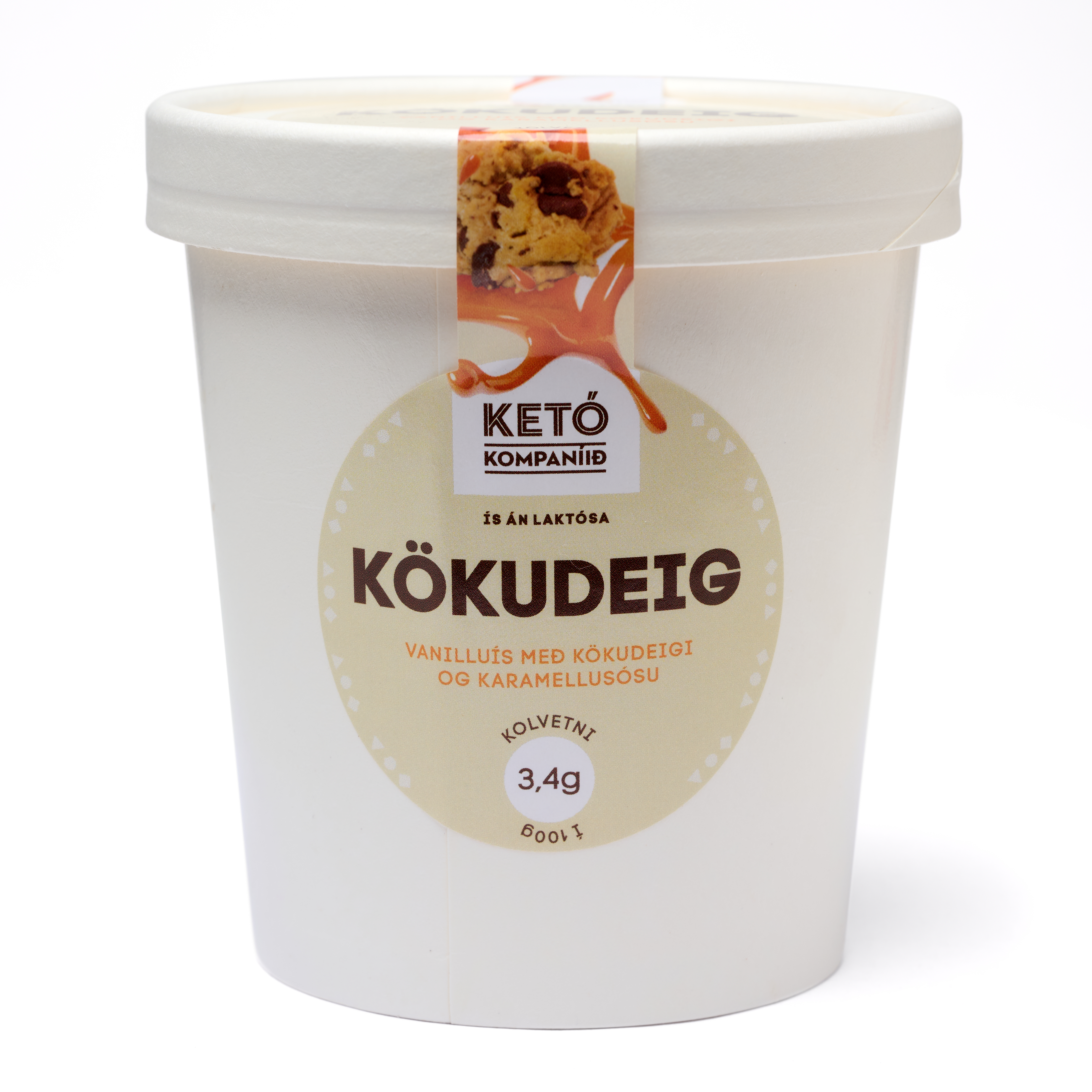
  • Product name:  Kökudeigsís
  • Manufacturer: Ketó Kompaníið
  • Country of production: Iceland
  • Batch number / best for dates: 28.05.21 / 28.05.22
  • Bar code: 5694230471348
  • Storage conditions: Freezer, -18 ° C
  • Distribution: Hagkaup Skeifun, Garðabær and Eiðistorg

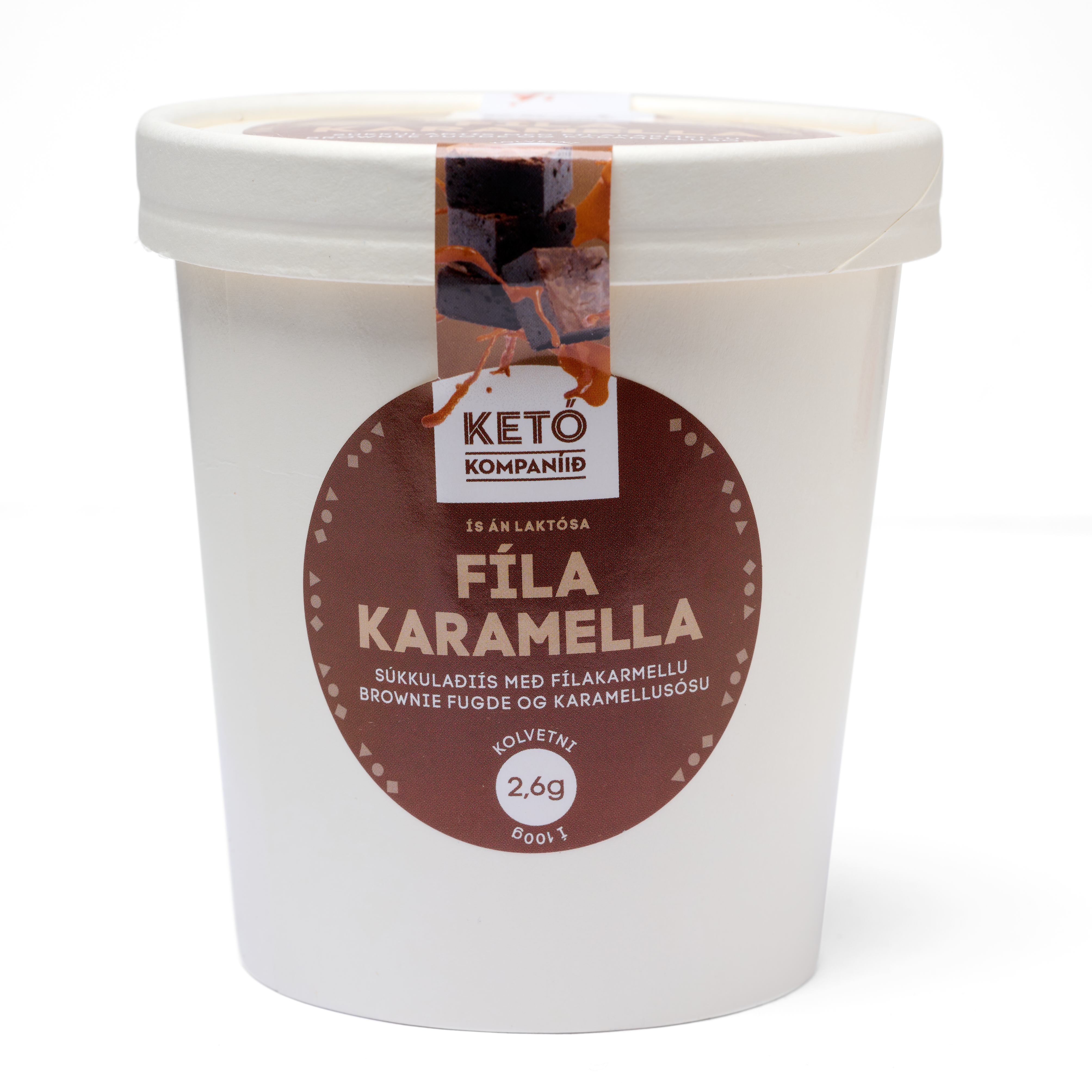
keto filakaramella is

  • Brand: Ketó Kompanið
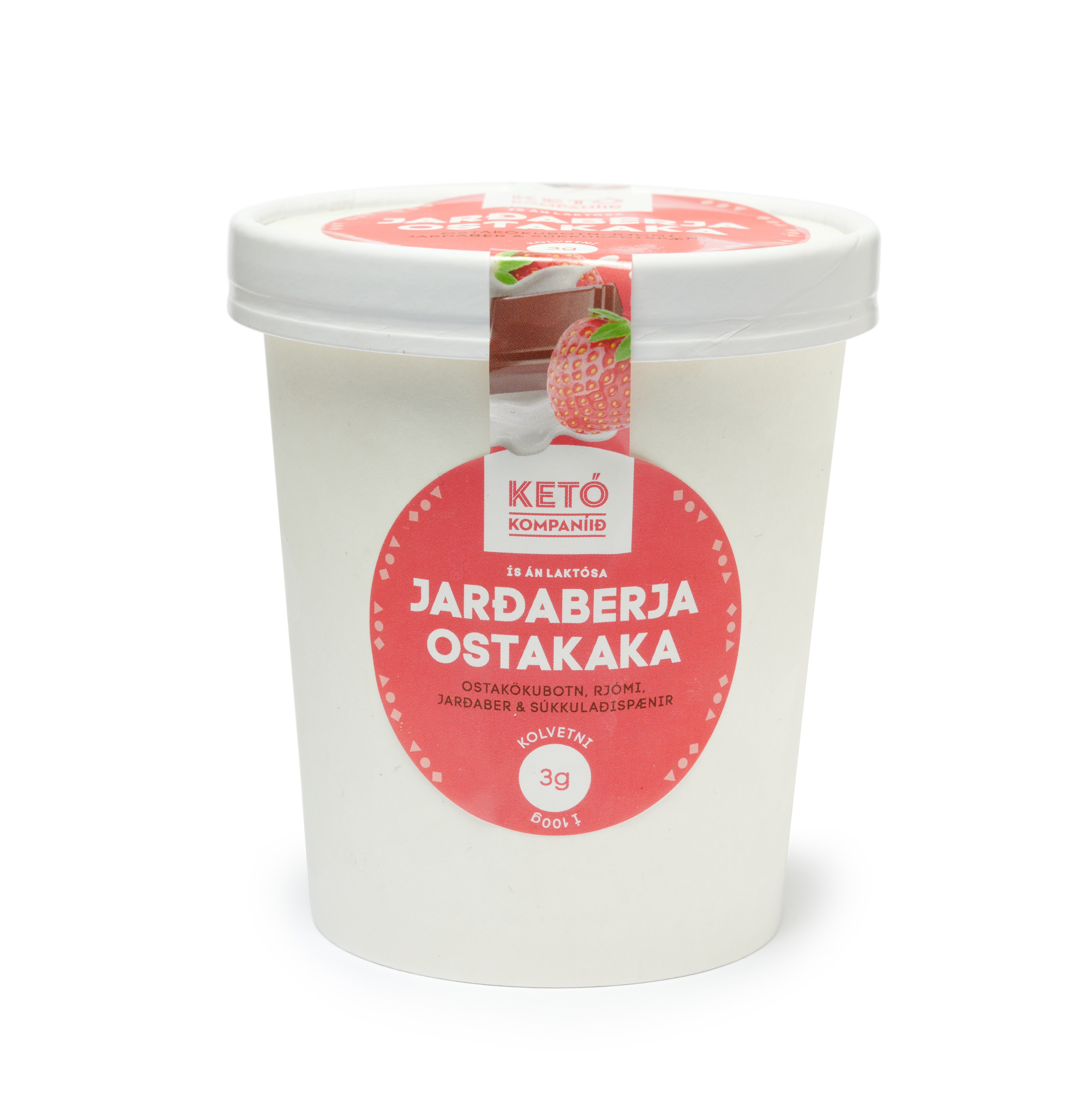
  • Product name:  Strawberry cheesecake ice cream
  • Manufacturer: Ketó Kompaníið
  • Country of production: Iceland
  • Batch number / best for dates: 28.05.21 / 28.05.22
  • Barcode: 5694230471294
  • Storage conditions: Freezer, -18 ° C
  • Distribution: Hagkaup Skeifun, Garðabær and Eiðistorg

strawberry cheesecake

  • Brand: Ketó Kompanið
  • Product name:  Elephant caramel
  • Manufacturer: Ketó Kompaníið
  • Country of production: Iceland
  • Batch number / best for dates: 28.05.21 / 28.05.22
  • Bar code: 5694230471355
  • Storage conditions: Freezer, -18 ° C
  • Distribution: Hagkaup Skeifun, Garðabær and Eiðistorg

keto-comp-fila-caramel

  • Brand: Ketó Kompanið
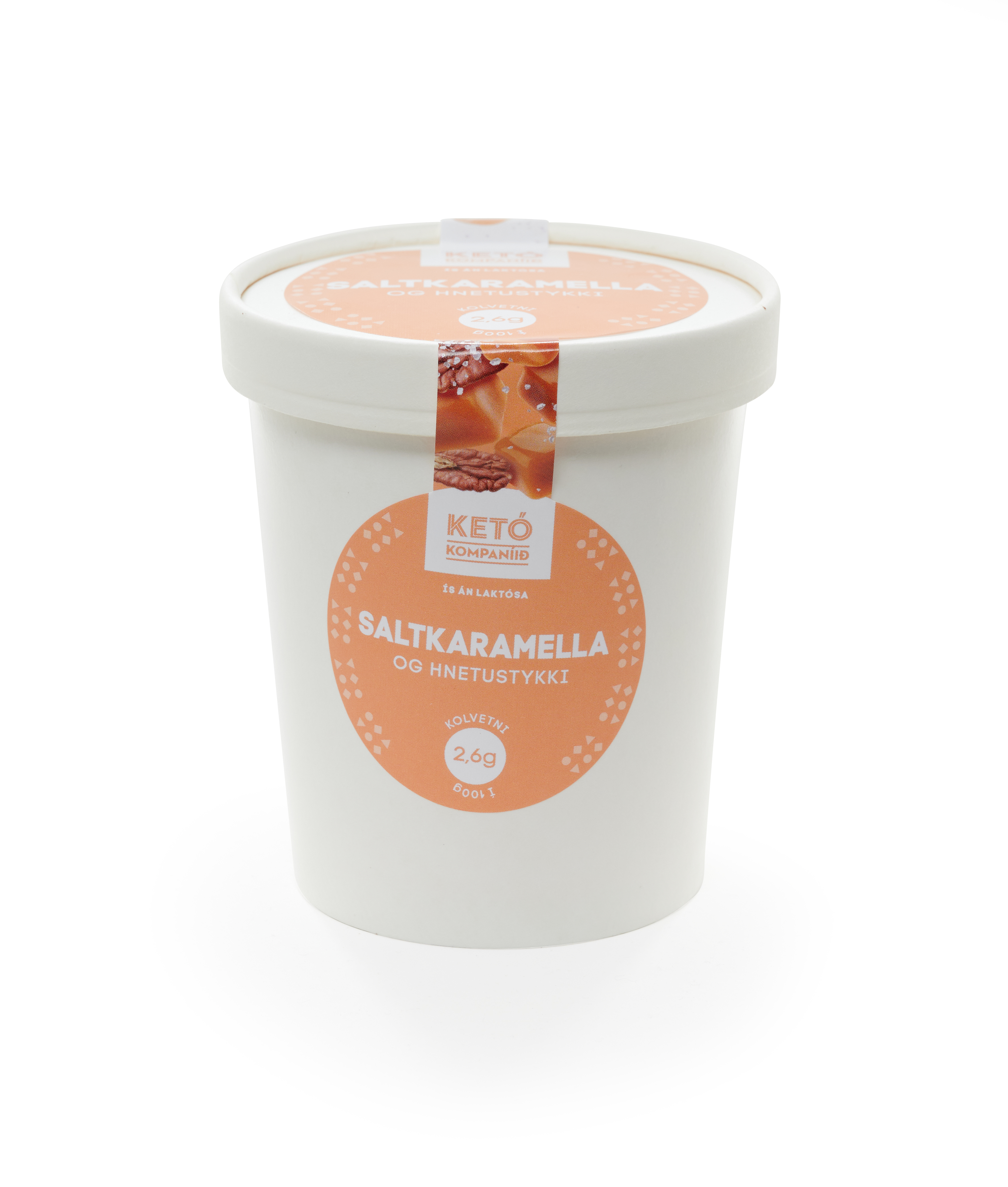
  • Product name:  Salted caramel ice cream
  • Manufacturer: Ketó Kompaníið
  • Country of production: Iceland
  • Batch number / best for dates: 28.05.21 / 28.05.22
  • Bar code: 5694230471263
  • Storage conditions: Freezer, -18 ° C
  • Distribution: Hagkaup Skeifun, Garðabær and Eiðistorg

ketocomp salt caramel ice cream.

Consumers who have purchased the product are advised not to consume it and return it to the company for a refund. Further information is provided by the company via the e-mail address  ketokompani@ketokompani.is

Information – Raw pet foods can make pets and people sick

Click to access pet-food-safety-2-pager-H.pdf

Australia – Regent Pandan Cake 20g x 10pc – Microbial Contamination

FSANZ

Product information

DHN Trading Import and Export Pty Ltd is conducting a recall of Regent Pandan Cake, 20g x 10pc.

The product has been available for sale at independent grocery stores in NSW, QLD, VIC, TAS, SA, NT.

Date markings

Expiry: 27NOV2021

Pandan Cake DHN Trading Imports and Exports Pty Ltd

Problem

The recall is due to potential for an increase in moisture which may lead to microbial growth.

Food safety hazard

Food products with microbial growth may cause illness if consumed.

Country of origin

Philippines

What to do​

Consumers should not eat this product and should return the products to the place of purchase for a full refund. Any consumers concerned about their health should seek medical advice.

For further information please contact:

DHN Trading Import and Export Pty Ltd
03 9041 5209
www.dhntrading.com.au

​​

Related links:

Research – Microbial Inactivation and Quality Preservation of Chicken Breast Salad Using Atmospheric Dielectric Barrier Discharge Cold Plasma Treatment

MDPI

Microbiological safety of ready-to-eat foods is paramount for consumer acceptability. The effects of in-package atmospheric dielectric barrier discharge cold plasma (ADCP) treatment on the microbiological safety and quality of model chicken salad (CS) were investigated in this study. CS, packaged in a commercial polyethylene terephthalate container, was treated with ADCP at 24 kV for 2 min. The inactivation of indigenous mesophilic bacteria, Salmonella, and Tulane virus in CS; growth of indigenous mesophilic bacteria and Salmonella in CS; and quality of CS during storage at 4 °C were then investigated. ADCP inactivated indigenous mesophilic bacteria, Salmonella, and Tulane virus by 1.2 ± 0.3 log CFU/g, 1.0–1.5 ± 0.2 log CFU/g, and 1.0 ± 0.1 log PFU/g, respectively. Furthermore, it effectively retarded the growth of the microorganisms, while not significantly affecting the color of chicken, romaine lettuce, and carrot, and the antioxidant capacity of all vegetables throughout storage at the tested temperatures (p > 0.05). The color, smell, and appearance of all vegetables evaluated on day 0 were not significantly different in the sensory test, regardless of the treatment (p > 0.05). Collectively, ADCP treatment effectively decontaminates packaged CS without altering its quality-related properties. View Full-Text

Research – A Nosocomial Outbreak of Invasive Listeriosis in An Italian Hospital: Epidemiological and Genomic Features

MDPI

Listeria monocytogenes (L. monocytogenes) is a widespread opportunistic pathogen that causes the listeriosis foodborne disease. This bacterium has become a common contaminant of handled food, and a relevant public health issue. Here we describe a nosocomial outbreak of listeriosis caused by an ST451 strain of L. monocytogenes involving three cancer and one immunocompromised patients hospitalized in different units from the same hospital during September and October 2020. The epidemiological investigation was conducted using traditional microbiological methodology combined with a whole genome sequencing approach. The source of contamination was identified in the kitchen hospital, where a meat slicer used to prepare patients’ meals was tested positive to the same sequence type (ST) of L. monocytogenes. This is the first report of an outbreak of listeriosis caused by ST451 in Italy. View Full-Text

Research – Comparison of peracetic acid and chlorine effectiveness during fresh-cut vegetables processing at industrial scale

Journal of Food Protection

This study was conducted to compare the efficacy of two sanitizing agents (chlorine and PAA) in reducing (both spoilage and pathogenic) microorganisms and in reducing disinfection by-products ( DBPs) in the washing stage of three types of minimally processed vegetables: Iceberg lettuce, carrots and baby leaves. These fresh-cut products are consumed uncooked and, hence, a proper sanitation is essential in preventing food-borne illness outbreaks. The comparison was done at industrial scale, using equipment already present in the fresh-cut industry and washers designed and manufatured for this purpose. Results showed that, regarding washing water hygiene and final product microbial quality, the use of PAA had a similar efficacy than chlorine. Different scenarios (SCN) combining PAA, chlorine and water have been tested simulating the current industrial processes for each one of the tested vegetables. Overall, results confirmed that the use of a sanitizer, PAA or chlorine, in the washing water of the three tested vegetables is effective for the prevention of cross-contamination during the washing process and hence, to guarantee produce food safety. Regarding final product microbiological quality and shelf life, the use of chlorine or PAA showed no significant differences in lettuces neither in baby leaves. Regarging the potential formation of chlorinated DBPs in processing water, they were found not in significant amounts when washing water was treated with PAA in all scenarios and vegetables tested. Washing with 80 mg/L chlorine generated important amounts of THMs, chlorates and chlorites. While chlorates and chlorites were always below the recommended levels or legal limits established for drinking water, THMs exceeded these legal limits . With respect to perchlorates, values were below the quantification limit in all SCNs. Results obtained in the present study show that PAA is a reliable alternative to chlorine disinfection strategies in the fresh-cut industry.

Research – A cluster of Shiga Toxin-producing Escherichia coli O157:H7 highlights raw pet food as an emerging potential source of infection in humans

Cambridge Org

In August 2017, a cluster of four persons infected with genetically related strains of Shiga toxin-producing Escherichia coli (STEC) O157:H7 was identified. These strains possessed the Shiga toxin (stx) subtype stx2a, a toxin type known to be associated with severe clinical outcome. One person died after developing haemolytic uraemic syndrome. Interviews with cases revealed that three of the cases had been exposed to dogs fed on a raw meat-based diet (RMBD), specifically tripe. In two cases, the tripe had been purchased from the same supplier. Sampling and microbiological screening of raw pet food was undertaken and indicated the presence of STEC in the products. STEC was isolated from one sample of raw tripe but was different from the strain causing illness in humans. Nevertheless, the detection of STEC in the tripe provided evidence that raw pet food was a potential source of human STEC infection during this outbreak. This adds to the evidence of raw pet food as a risk factor for zoonotic transmission of gastrointestinal pathogens, which is widely accepted for SalmonellaListeria and Campylobacter spp. Feeding RMBD to companion animals has recently increased in popularity due to the belief that they provide health benefits to animals. Although still rare, an increase in STEC cases reporting exposure to RMBDs was detected in 2017. There has also been an increased frequency of raw pet food incidents in 2017, suggesting an increasing trend in potential risk to humans from raw pet food. Recommendations to reduce the risk of infection included improved awareness of risk and promotion of good hygiene practices among the public when handling raw pet food.

Research – Occurrence of Listeria monocytogenes in Artisanal Cheeses from Poland and Its Identification by MALDI-TOF MS

MDPI

Listeria monocytogenes is a foodborne pathogen. A source of infection can be artisanal cheeses. Identification of the Listeria species is important for the protection of public health and the food industry. This study aimed to examine artisanal cheeses for the presence of L. monocytogenes and the effectiveness of the MALDI-TOF MS method in the identification of the L. monocytogenes isolates. A total of 370 samples of artisanal cheeses were examined. L. monocytogenes was found in 23 cheese samples (6.2%). The reliability of L. monocytogenes identification achieved by MALDI-TOF MS was varied, and the vast majority of the isolates (27/32) were identified only to the secure genus, probable species level. This study showed that (i) the occurrence of L. monocytogenes in the artisanal cheeses was at a higher level than that in the other EU countries, (ii) the standard of species identification of L. monocytogenes isolates from artisanal cheeses achieved by MALDI-TOF MS was not satisfactory and (iii) the presence of L. monocytogenes in artisanal cheeses remains a problem with regard to the food safety criterion and a potential public health risk. View Full-Text

Research – Effect of UV-C Irradiation and Lactic Acid Application on the Inactivation of Listeria monocytogenes and Lactic Acid Bacteria in Vacuum-Packaged Beef

MDPI

The objective of this study was to test the effect of the combined application of lactic acid (0–5%) (LA) and UV-C light (0–330 mJ/cm2) to reduce Listeria monocytogenes and lactic acid bacteria (LAB) on beef without major meat color (L *, a *, b *) change and its impact over time. A two-factor central composite design with five central points and response surface methodology (RSM) were used to optimize LA concentration and UV-C dose using 21 meat pieces (10 g) inoculated with L. monocytogenes (LM100A1). The optimal conditions were analyzed over 8 weeks. A quadratic model was obtained that predicted the L. monocytogenes log reduction in vacuum-packed beef treated with LA and UV-C. The maximum log reduction for L. monocytogenes (1.55 ± 0.41 log CFU/g) and LAB (1.55 ± 1.15 log CFU/g) with minimal impact on meat color was achieved with 2.6% LA and 330 mJ/cm2 UV-C. These conditions impaired L. monocytogenes growth and delayed LAB growth by 2 weeks in vacuum-packed meat samples throughout 8 weeks at 4 °C. This strategy might contribute to improving the safety and shelf life of vacuum-packed beef with a low impact on meat color. View Full-Text